Category Archives: E.coli

Denmark – Major outbreak of E. coli is probably due to spring onions in ready-to-eat cabbage salad

SSI

The Statens Serum Institut (SSI) has seen an increase in the number of registered patients due to a special Escherichia coli (EIEC) in Denmark since 23 November 2021. The investigation shows that the source of infection is probably spring onions used in ready-to-eat cabbage salads, which are sold in three different retail chains.

Last edited December 27, 2021
Since mid-December, SSI, in collaboration with the Danish Veterinary and Food Administration, the DTU Food Institute and the clinical microbiological departments at the country’s hospitals, has been investigating the disease outbreak. From 23 November to 17 December 2021, 68 infections have been registered; 43 women and 25 men aged 1-91 years, and 20 people have been admitted to the hospital. The sick live throughout the country, except for the North Jutland region.

“This disease outbreak is unusual and extensive with 68 cases in three weeks. EIEC is a bacterium that usually affects travelers who have been to countries outside of Europe. When we saw a sudden increase in EIEC infection in Denmark, we were aware that there must be infection via a food ”
Epidemiologist Luise Müller from SSI

Ready-to-eat cabbage salad with spring onions

Interviews of patients have shown that several had eaten ready-made cabbage salads, and studies of purchasing data showed that the cabbage salads were purchased in the period from 15 to 30 November. Further investigation and tracing is still underway to uncover how the salads have been contaminated with the coli bacterium. For the time being, this indicates that the pollution has occurred at a subcontractor abroad.

The salads have been sold in i.a. REMA1000, COOP and Menu stores. They have a short shelf life of six days, and therefore there is no current risk with the cabbage salads that are on the shelves now.

Infects through food

EIEC is an intestinal bacterium that, like salmonella and campylobacter, typically spreads through food. Symptoms of an EIEC infection are acute stomach infection with diarrhea, general malaise, abdominal pain, possibly nausea, vomiting, and / or fever. The infection usually goes away on its own. Severe infections can manifest as dysentery (ie stool with blood, mucus and pus, fever and affected general condition).

What should you do if you have eaten that coleslaw?

If you have not had symptoms of an EIEC infection, or if you have had symptoms that have gone away on their own, do not do anything. In case of persistent symptoms or doubts, you can contact your own doctor.

Read more

Read more about E. coli infection
Read more about the EIEC outbreak
USA – Schoonover Farms recalls Raw Milk over E. coli concerns

Food Poison Journal

According to the Columbia Basin Herald, Odessa’s Schoonover Farms LLC on Thursday voluntarily recalled raw whole milk and cream because it might be contaminated with E. coli (Escherichia coli bacteria), according to a release from the company.

No known illnesses caused by E. coli were associated with the product as of Thursday, but routine sampling by the Washington State Department of Agriculture showed the presence of toxin-producing E. coli in retail raw cream dated Dec. 23.

So retail raw whole milk and cream with best by dates of Dec. 23 through Jan. 2 (“12-23” through “1-2”) were recalled. The product is in 8-ounce, quart, half-gallon and 1-gallon bottle containers and sold to consumers in Odessa and stores in the Spokane area.

Denmark – Denmark searches for source of new E. coli outbreak (EIEC)

Food Safety News

Denmark is investigating an increase in the number of registered cases of a type of E. coli reported in the past month.

Enteroinvasive E. coli (EIEC) is usually associated with travel diarrhea but the patients in the current outbreak have not been abroad, which suggests a common food may have made people sick, according to the Statens Serum Institut (SSI).

Between Nov. 23 and Dec. 16, 63 infected people with EIEC or ipaH-positive were registered at the Statens Serum Institut and 18 of them have been hospitalized.

EIEC was isolated from 22 patients and the remaining 41 are PCR positive for the invasion plasmid antigen H (ipaH) gene, which is specific to Shigella species and EIEC.

Patients live all over the country, and there are 43 women and 20 men sick. They are aged from 1 to 91 years old with a median age of 53.

Hovedstaden has the most cases with 23, Sjælland has 19, Midtjylland has 14 and seven live in Syddanmark.

The Statens Serum Institut, Danish Veterinary and Food Administration (Fødevarestyrelsen) and DTU Food Institute are trying to find the source of infection.

Viking Sea Cruise – outbreak update: Vibrio and E. coli reported as causative agents

Outbreak News Today

Norovirus Food Safety kswfoodworld

In a follow-up on the gastrointestinal illness outbreak that affected 118 passengers and crew onboard a recent Viking Cruise Lines Viking Sea voyage, The Centers for Disease Control Prevention Vessel Sanitation Program (CDC-VSP) reported the causative agents as Vibrio (no species indicated) and E. coli on Wednesday.

This is the first and only cruise ship outbreak investigated and reported by VSP this year.

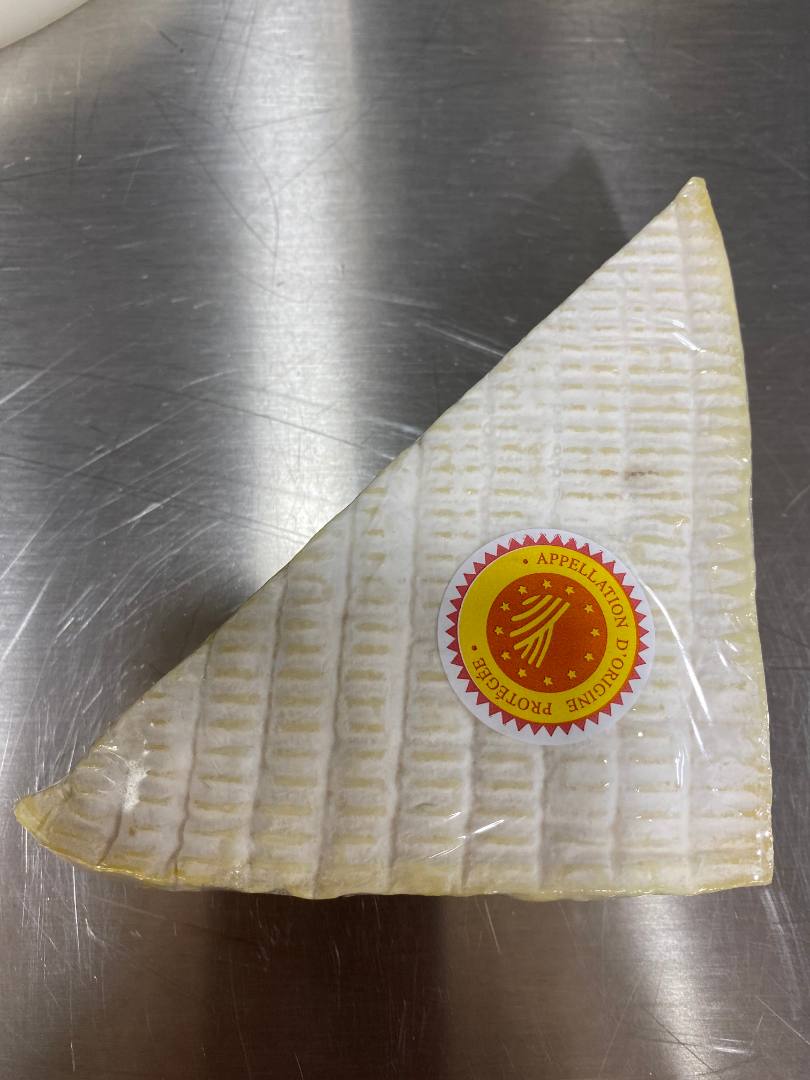
France – PONT L’EVEQUE AOP RAW MILK – E.coli and Listeria monocytogenes

Gov france

Identifying in formation for the recalled product

  • Product category Food
  • Product sub-category Milk and dairy products
  • Product brand name EUGENE GRAINDORGE
  • Names of models or references PONT L’EVEQUE AOP RAW MILK
  • Product identification
    GTIN Lot Dated
    0202096000000 Portion of 200g Use-by date 12/28/2021
  • Packaging200G
  • Start date / End of marketing From 12/03/2021 to 12/19/2021
  • Storage temperature Product to be stored in the refrigerator
  • Health markFR.14.371.001 CE
  • Further information PRODUCT SOLD BY THE SHELF CUT CHEESE
  • Geographical sales area Leclerc Saint Lubin des Joncherets
  • Distributors AVREDIS-Leclerc Saint Lubin des Joncherets

Practical information regarding the recall

  • Reason for recall Presence of E.coli and Listeria
  • Risks incurred by the consumer Escherichia coli
    Listeria monocytogenes (causative agent of listeriosis)

Research – Super bugs bedevil food safety

Food Safety News

“Super bugs” and “food safety.” You can say the two in one breath simply because they are so closely connected.

“Super bugs” is a popularized term for “antibiotic resistance,” or “antimicrobial resistance.” They don’t go by that name for nothing. According to the federal Centers for Disease Control and Prevention, each year in the United States, at least 2.8 million people are infected with antibiotic-resistant bacteria or fungi. More than 35,000 people die as a result. Antibiotic resistant bacteria frequently show up in outbreak strains of pathogens such as E. Coli, Salmonella and Listeria monocytogenes.

When looking ahead, the picture only gets more daunting. Some medical experts predict that worldwide by 2050 the number of deaths attributed to antibiotic resistance could reach 10 million and cost trillions of dollars — unless collective action is taken on a global scale.

No wonder then that some human and animal health experts are referring to this as a “slow moving pandemic.”

Research – Role of blue light in bactericidal effect against meat-borne pathogens and freshness maintaining of beef 

Journal of Food Protection

Beef is rich in various nutrients while easily spoils due to contamination by pathogens, thus it is of great significance to develop a bactericidal method to inactivate meat-borne pathogens and meanwhile maintain the freshness of beef. For the first time, the present study investigated the bactericidal effect of blue light (BL) at 415 nm against four meat-borne pathogens (methicillin-resistant Staphylococcus aureus , Escherichia coli , Salmonella Typhimurium and Listeria monocytogenes ) in vitro and inoculated on the surface of fresh beef, respectively. When the non-illuminated beef was used as control, the population of the four pathogens did not change significantly ( P > 0.05), while BL-illuminated beef showed dose-dependent inactivation effect in both in vitro and in vivo studies. The experiments on beef cuts showed that 109.44 J/cm 2 of BL inactivated 90% of inoculated cells for the tested strains ( P < 0.05), and the impact of BL inactivation could be sustained in 7 days of cold storage. Notably, changes of lipid oxidation rate, water holding capacity and cooking loss value between the control and beef illuminated by 109.44 J/cm 2 at the same time were scarcely detected during the storage. BL had a minor but insignificant influence on surface color and free amino acid content. Moreover, the pH of illuminated beef increased slower ( P < 0.05) than that of non-illuminated beef. The present work demonstrated that BL could be a novel bactericidal and freshness-maintaining method for fresh beef.

USA – E. coli Illness Linked to Cake Batter: Harlee’s Story

CDC

Close up of hands about to taste raw dough

Harlee is a happy, curious, and active 11-year-old who lives in Utah. She loves playing sports like basketball, soccer, and softball and hiking and camping with her dad on the weekends. Harlee also loves baking for her family with her mom, Errin.

One Saturday night in July 2021, Harlee told her mom that she wasn’t feeling well and was having sharp stomach pains. At first, Errin thought it might be strep throat, since it wasn’t unusual for Harlee to experience stomach pain with strep or a sore throat. As the weekend went on, Harlee’s symptoms worsened, and she couldn’t sleep from the pain. On Monday, Errin took her daughter to the doctor, where she was given antibiotics and sent home. However, it soon became clear to Errin that Harlee’s illness was much more serious when her symptoms got worse.

As a parent and a nurse, Errin was desperate to soothe her daughter’s severe pain, but over-the-counter pain medicines weren’t helping. Harlee’s family took her to a second doctor for more tests and eventually headed to the emergency room. Doctors diagnosed Harlee with an E. coli infection. Harlee’s infection was so serious that she was admitted to the hospital, where she stayed for three days. “It was really scary. When we finally took her to the hospital, she was crying, and wouldn’t stop crying. I just wanted someone to fix her,” said Errin.

While Harlee was in the hospital, Errin got a call from the local health department. They told her that Harlee’s E. coli infection was part of a multistate outbreak linked to cake mix that made 16 people sick in 12 states. “That’s when they started asking me about cake mix,” Errin recalled. “I would not have even thought about that.”

Harlee baked a cake the week before her symptoms started, but before putting the cake in the oven, she tasted some of the raw batter. “I knew you could get sick from raw eggs, but I would have never thought flour in cake mix,” said Errin.

Outbreaks from flour, a raw ingredient in cake mix, have happened before. In 2016 and 2019, CDC investigated E. coli outbreaks linked to flour that led to over 80 people getting sick and 20 people hospitalized. Raw ingredients, like flour and eggs, in cake batter and dough can contain harmful germs that can make you sick. E. coli infections can be serious, especially for children who are more likely to develop severe illness.

After she was released from the hospital, it took some time for Harlee to fully recover from her infection. “It was scary. She was just praying that she would make it through,” said Errin. Thankfully, Harlee made a full recovery and is back to enjoying sports and the outdoors with her family.

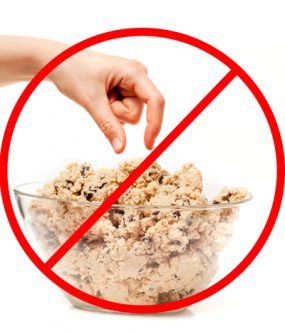
Harlee and Errin are telling their story to help other families avoid going through what they experienced. When you bake, don’t eat or taste raw dough or batter. It’s not worth the risk and can make you seriously sick. “It tastes good, but it’s not worth it!” Harlee said.

RASFF Alert – E.coli – Mussels

RASFF

Too high count of Escherichia coli in mussels (mytilus galloprovincialis) from Italy in Switzerland

RASFF Alert – STEC E.coli – Raw Milk Cheese

RASFF

Shigatoxin-producing Escherichia coli (O26 H11 stx, eae+ /25g) in raw milk cheese from France in Belgium, Austria, France, Germany, Macao, UAE and Hong Kong