|
PRODUCT RECALL
|


KSWFoodWorld

|
PRODUCT RECALL
|

Supermarkets in the United Kingdom have reported their Campylobacter in chicken results for the the first quarter of 2022.
The data covers January to March 2022 for nine retailers on high levels of Campylobacter in fresh, shop-bought, UK-produced chickens.
The Food Standards Agency (FSA) maximum level is 7 percent of birds with more than 1,000 colony forming units per gram (CFU/g) of Campylobacter.
Results at Tesco, Sainsbury’s, Aldi and Morrisons went up while Lidl and Asda recorded lower levels of contamination compared to the previous quarter. Figures for Waitrose and Co-op stayed the same.
For Marks and Spencer, 4 percent were in the maximum category in January, 3 percent in February but 10 percent in March from 376 chickens sampled.
In October 2021, 5 percent of chickens were above 1,000 CFU/g, 8 percent in November 2021 and 5 percent in December 2021 from the same amount of poultry tested.
See the link for more data.
Posted in Campylobacter, campylobacter coli, Campylobacter jejuni, food contamination, food handler, Food Hazard, Food Hygiene, Food Inspections, Food Micro Blog, Food Microbiology, Food Microbiology Blog, Food Microbiology Research, Food Microbiology Testing, Food Pathogen, Food Safety Management, Food Testing, Retailer Campylobacter Survey
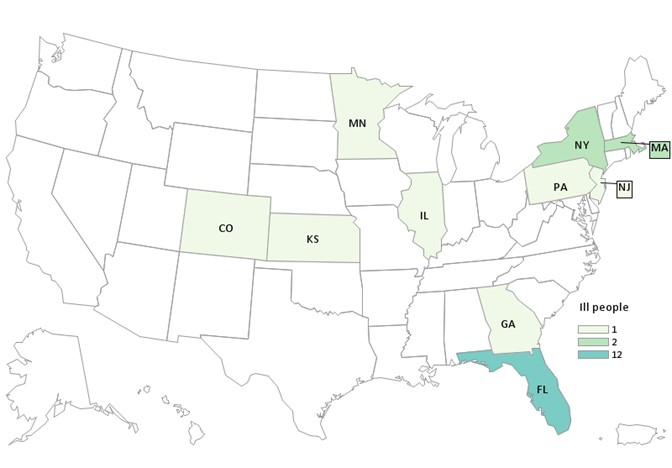
The FDA, along with CDC, is assisting the Florida Department of Health (FL DOH) and Florida Department of Agriculture & Consumer Services (FDACS) in investigating an outbreak of Listeria monocytogenes infections linked to ice cream supplied by Big Olaf Creamery of Sarasota, Florida.
Based on epidemiological information collected by CDC and the FL DOH, Big Olaf ice cream products are a likely source of illness in this outbreak. A total of 23 people infected with the outbreak strain of Listeria monocytogenes have been reported from 10 states. Of the 18 people interviewed, all (100%) reported eating ice cream. Among 18 people who remembered details about the type of ice cream they ate, 10 reported eating Big Olaf Creamery brand ice cream or eating ice cream at locations that might have been supplied by Big Olaf Creamery. Twelve sick people are residents of Florida and nine reported traveling to Florida before getting sick.
FDA is concerned that retailers may still be selling Big Olaf ice cream products. Retailers should not sell or serve Big Olaf ice cream products and should throw them away. Consumers who may still have these products in their freezers should not eat or serve any Big Olaf ice cream products and should also throw the product away.
This is an ongoing investigation, and the firm has initiated a voluntary recall of its ice cream products. The FDA is continuing to work with the FL DOH and FDACS to investigate and will update this advisory should additional consumer safety information become available.
Consumers, restaurants, and retailers should not eat, sell, or serve any Big Olaf ice cream products and should throw the product away, regardless of the “Best By” or expiration date.
Call your healthcare provider right away if you have these symptoms after eating Big Olaf ice cream products:
Consumers, restaurants, and retailers who purchased or received any Big Olaf ice cream products should throw the products away, follow FDA’s safe handling and cleaning advice and use extra vigilance in cleaning and sanitizing any surfaces and containers that may have come in contact with these products to reduce the risk of cross-contamination. Listeria can survive in refrigerated temperatures and can easily spread to other foods and surfaces.
Total Illnesses: 23
Hospitalizations: 22
Deaths: 1
Fetal Loss: 1
Last illness onset: 6/12/2022
States with Cases: CO (1), FL (12), GA (1), IL (1), KS (1), MA (2), MN (1), NJ (1), NY (2), PA (1)
Product Distribution*: FL
*Distribution has been confirmed for states listed, but product could have been distributed further, reaching additional states
Posted in food bourne outbreak, food contamination, food death, food handler, Food Hazard, Food Hygiene, Food Illness, Food Inspections, Food Micro Blog, Food Microbiology, Food Microbiology Blog, Food Microbiology Testing, Food Pathogen, food recall, Food Safety, Food Safety Alert, Food Safety Management, Food Testing, Foodborne Illness, Foodborne Illness Death, foodborne outbreak, foodbourne outbreak, Illness, outbreak
Matvælastofnun warns against consuming one batch of curry Hot madras curry that Lagsmaður ehf. imports due to suspected salmonella infection. The company has recalled the product with the help of the health inspectorate HEF.
Matvælastofnun became aware of the recall through RASFF’s European Rapid Alert System for Hazardous Foods and Feed.
The recall only applies to the following batch:
Consumers who have purchased the product are advised not to consume it, dispose of it or take it to a store on Nýbýlavegur 6 for a refund.
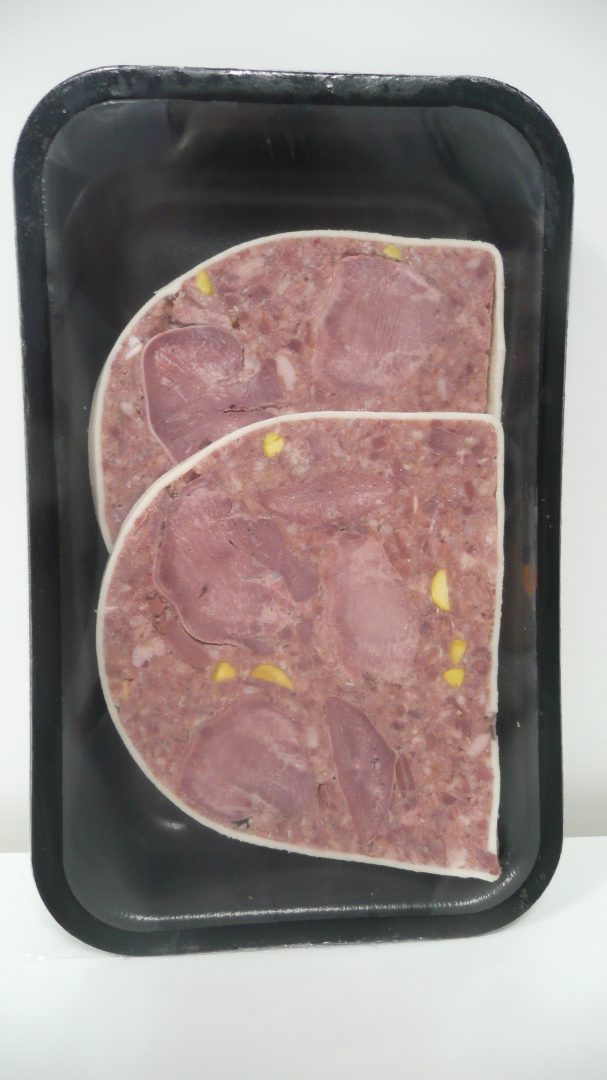
| GTIN | Batch | Date |
|---|---|---|
| 3411320111654 | 22178 | Use-by date 07/19/2022 |
| 3411320111654 | 22178 | Use-by date 20/07/2022 |
| 3411320111654 | 22178 | Use-by date 07/23/2022 |
| 3411320111654 | 22178 | Use-by date 07/25/2022 |
| 3411320503114 | 22178 | Use-by date 07/25/2022 |
Posted in food contamination, food handler, Food Hazard, Food Hygiene, Food Inspections, Food Micro Blog, Food Microbiology, Food Microbiology Blog, Food Microbiology Testing, Food Pathogen, food recall, Food Safety, Food Safety Alert, Food Safety Management, Food Testing, Listeria, Listeria monocytogenes
A recent outbreak of Listeria infections is believed to be linked to an ice cream producer in Sarasota, Florida, called Big Olaf Creamery. The U.S. Center for Disease Control and Prevention (CDC) reports that there have been 23 people affected by the outbreak with 22 of these people seeking hospitalization due to the severity of their symptoms. One woman, Mary Billman, has passed away, allegedly due to the consumption of Big Olaf ice cream. Ms. Billman’s estate is pursuing legal action in response to her death.
Posted in CDC, Death, food bourne outbreak, food contamination, food handler, Food Hazard, Food Hygiene, Food Inspections, Food Micro Blog, Food Microbiology, Food Microbiology Blog, Food Microbiology Testing, Food Pathogen, food recall, Food Safety, Food Safety Alert, Food Safety Management, Food Testing, Foodborne Illness Death, foodborne outbreak, foodbourne outbreak, Listeria, Listeria monocytogenes, outbreak
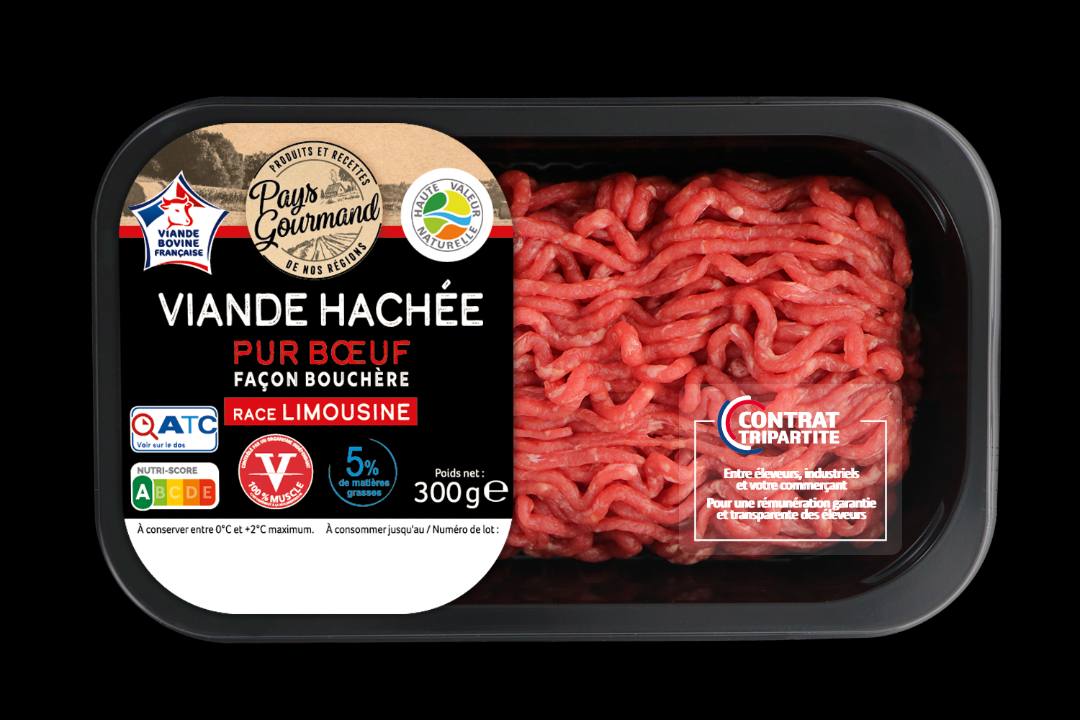
| GTIN | Batch | Date |
|---|---|---|
| 26067599 | 22333351 | Use-by date 06/21/2022 |
| 26067599 | 22333366 | Use-by date 06/21/2022 |
Posted in food contamination, food handler, Food Hazard, Food Hygiene, Food Inspections, Food Micro Blog, Food Microbiology, Food Microbiology Blog, Food Microbiology Testing, Food Pathogen, Food Poisoning, food recall, Food Safety, Food Safety Alert, Food Safety Management, Food Testing, Food Toxin, STEC, STEC E.coli
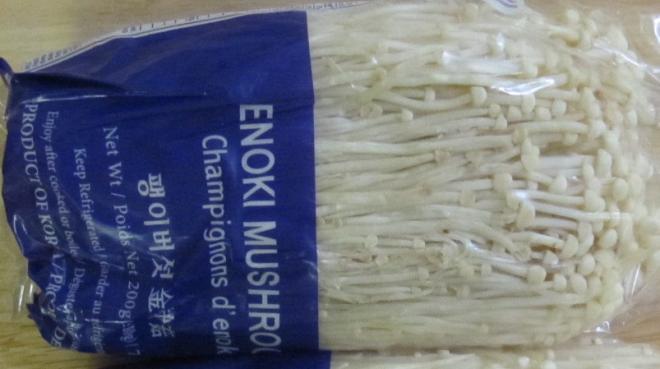
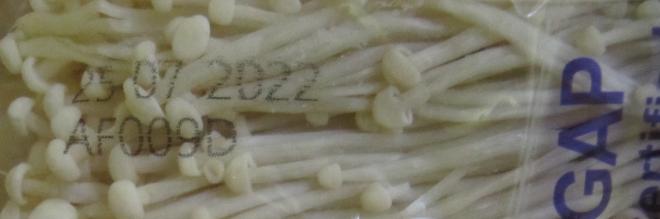
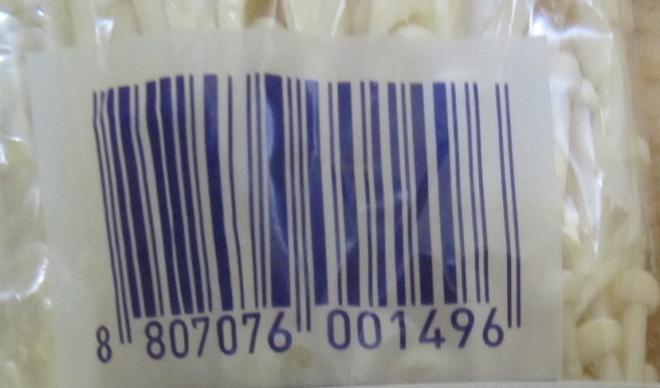
Do not consume, use, sell, serve, or distribute recalled products.
| None | Enoki Mushroom | 200 g | 8 807076 001496 | 25 07 2022 AF009D |
The affected product is being recalled from the marketplace due to possible Listeria monocytogenes contamination.
The recalled product has been sold in British Columbia and Manitoba, and may have been distributed in other provinces and territories.
Food contaminated with Listeria monocytogenes may not look or smell spoiled but can still make you sick. Symptoms can include vomiting, nausea, persistent fever, muscle aches, severe headache and neck stiffness. Pregnant women, the elderly and people with weakened immune systems are particularly at risk. Although infected pregnant women may experience only mild, flu-like symptoms, the infection can lead to premature delivery, infection of the newborn or even stillbirth. In severe cases of illness, people may die.
Posted in food contamination, food handler, Food Hazard, Food Hygiene, Food Inspections, Food Micro Blog, Food Microbiology, Food Microbiology Blog, Food Microbiology Testing, Food Pathogen, food recall, Food Safety, Food Safety Alert, Food Safety Management, Food Testing, Listeria, Listeria monocytogenes
On September 9, 2021, the Regional Health Agency (ARS) of Hauts-de-France was informed of a suspicion of collective food poisoning (TIAC) affecting half-board students, educated in several schools in a municipality. of the Lille metropolis.
On September 13, 2021, two cases of haemolytic and uremic syndrome (HUS) were diagnosed in two hospitalized children attending school in this town. Public Health France Hauts-de-France was asked by the Hauts-de-France ARS to provide support for the investigations and management of this TIAC. A total of 35 cases of gastroenteritis, with bloody diarrhea and fever (>38°C) in half of the cases, were identified. Ten cases were hospitalized and two children developed HUS.
The cases identified were half-board students in four school groups (29 cases), a parent of a student and elderly people benefiting from the municipality’s home meal delivery service (5 cases). The case canteens were all supplied by the central municipal kitchen.
The shape of the epidemic curve was in favour of a common and point source of contamination during meals on September 2 or 3, 2021. The case-control survey, carried out in schools, concluded that only the consumption of cucumbers in salad, served with the meal on September 2, was statistically and significantly associated with the occurrence of the disease.
A strain of E. highly pathogenic Shiga toxin-producing (STEC) O157 coli was isolated from the stool cultures of eight cases, including the two children who developed HUS and in the offending cucumber salad. Genomic analysis of the strains confirmed the genetic clustering of clinical and food strains that belonged to the same genomic cluster. The veterinary investigation revealed that a failure in the decontamination process, associated with incomplete peeling of the contaminated cucumbers, contributed to the occurrence of this TIAC.
The cucumbers in question came from Belgium and the Belgian health authorities were informed via the dedicated European alert circuits. No other episodes of clusters of STEC infection related to this TIAC have been reported to the ARS over the period while cucumbers from the same batch had been widely distributed in communities and commercial catering services in the Hauts-de-France region. The food vehicle, incriminated in this TIAC, is part of the plants at risk because of its raw mode of consumption. It is important to remind vulnerable populations and collective catering services that preventing the risk of STEC infection, linked to the consumption of raw vegetables, requires washing, disinfection and peeling.
Posted in Bacterial Toxin, E.coli O157, E.coli O157:H7, food bourne outbreak, Food Illness, Food Micro Blog, Food Microbiology, Food Microbiology Blog, Food Microbiology Research, Food Microbiology Testing, Food Toxin, Foodborne Illness, foodborne outbreak, foodbourne outbreak, HUS, Illness, microbial contamination, Microbiological Risk Assessment, Microbiology, Microbiology Investigations, Microbiology Risk, outbreak, Research, STEC, STEC E.coli, Toxin
Sesame Tahini Algota

Institute for Health and Environment HU2 Hamburg

Institute for Health and Environment HU2 Hamburg
Detection of Salmonella ssp. and Salmonella Mbankada
| Press Releases and Information | |
|---|---|
| title | attachment or web link |
|
consumer information
|
|
Posted in food contamination, food handler, Food Hazard, Food Hygiene, Food Inspections, Food Micro Blog, Food Microbiology, Food Microbiology Blog, Food Microbiology Testing, Food Pathogen, food recall, Food Safety, Food Safety Alert, Food Safety Management, food safety training, Food Testing, Salmonella

 FoodWorld