Monthly Archives: March 2022

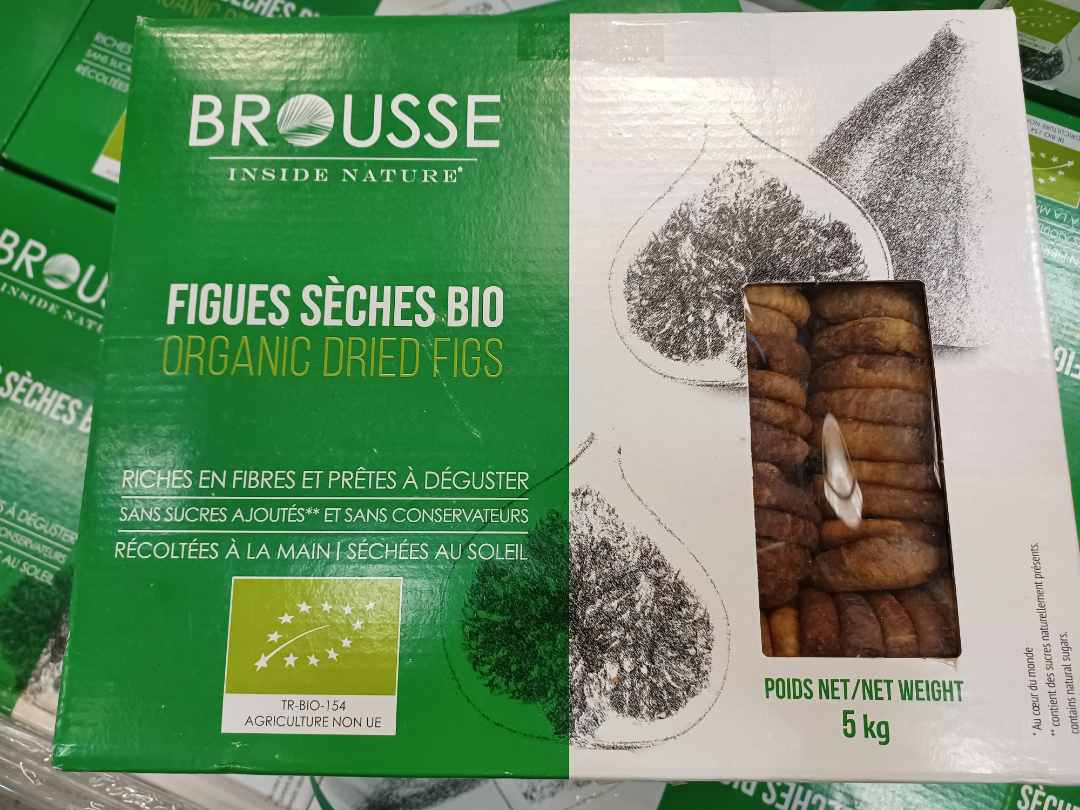
France – Organic LERIDA Figs Lot 1-11-372 – Ochratoxin A

Gov france

Identification information of the recalled product

  • Product categoryFood
  • Product subcategory Fruits and vegetables
  • Product brand name ORCHARD BUSH
  • Model names or references Organic dried figs
  • Identification of products
    GTIN Lot Dated
    3701215207945 440024553/1-11-372 Date of minimum durability 30/10/2022
  • Products List WITHDRAWAL_REMINDER_reminder_conso.pdf Attachment
  • Packaging5 kg box
  • Marketing start/end date From 10/11/2021 to 13/12/2021
  • Storage temperature Product to be stored at room temperature
  • Geographic area of ​​sale Whole France
  • Distributors CN
  • List of points of saleList_clients_Figs_lerida.pdf

Practical information regarding the recall

  • Reason for recall Ochratoxin level of 154.2 µg/kg, not compliant with the Swiss threshold set at 20µg/kg
  • Risks incurred by the consumer Internal damage
  • Additional description of the risk Ochratoxin can be genotoxic by directly damaging DNA. Experts have confirmed that it may also be carcinogenic to the kidney.

Canada – Certain Stellar Bay Shellfish brand Chef Creek Oysters recalled due to Norovirus

CFIA

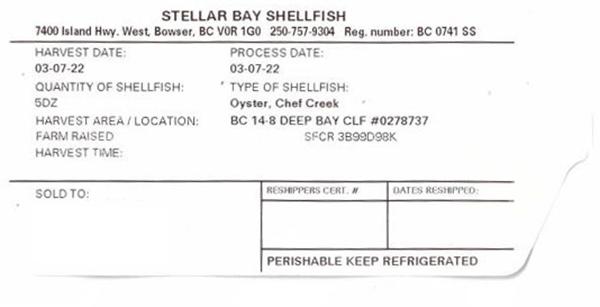
Chef Creek Oysters - label

Last updated

Summary

Product
Oyster, Chef Creek
Issue
Food – Microbial Contamination – Norovirus
What to do

Do not consume, use, sell, serve, or distribute the recalled products.

Issue

Stellar Bay Shellfish is recalling certain Stellar Bay Shellfish brand Chef Creek Oysters from the marketplace due to possible norovirus contamination.

The recalled products have been sold in British Columbia and may have been distributed in other provinces and territories.

What you should do

  • If you think you became sick from consuming a recalled product, call your doctor
  • Check to see if you have the recalled products in your home or establishment
  • Do not consume the recalled products
  • Do not serve, use, sell, or distribute the recalled products
  • Recalled products should be thrown out or returned to the place of purchase
  • Consumers who are unsure if they have purchased the affected products are advised to contact their retailer

People with norovirus illness usually develop symptoms of gastroenteritis within 24 to 48 hours, but symptoms can start as early as 12 hours after exposure. The illness often begins suddenly. Even after having the illness, you can still become re-infected by norovirus. The main symptoms of norovirus illness are diarrhea, vomiting (children usually experience more vomiting than adults), nausea and stomach cramps. Other symptoms may include low-grade fever, headache, chills, muscle aches and fatigue (a general sense of tiredness).  Most people feel better within one or two days, with symptoms resolving on their own, and experience no long-term health effects. As with any illness causing diarrhea or vomiting, people who are ill should drink plenty of liquids to replace lost body fluids and prevent dehydration. In severe cases, patients may need to be hospitalized and given fluids intravenously.

USA – Microbiological Surveillance Sampling: FY17–19 Processed Avocado and Guacamole

FDA

The U.S. Food and Drug Administration collected and tested processed avocado, the main ingredient in guacamole, and finished guacamole as part of the agency’s proactive and preventive approach to deploying its sampling resources with the ultimate goal of preventing contaminated food from reaching consumers.

Assignment Overview

The assignment began in November 2017 and ended in September 2019. In total, the FDA collected and tested 887 samples of processed avocado and guacamole (domestic and imported product) for Salmonella spp. and Listeria monocytogenes. This total is smaller than the initial number of samples the agency set out to collect and test because the agency encountered factors that twice required a reduction of the collection target, as explained in the Sample Collection section of this report (page 6).

As to the design of the assignment, the FDA directed its field staff not to collect products that had undergone high-pressure processing (HPP) or products intended for HPP. HPP is a “kill step” validated to eliminate pathogenic microorganisms in food, and it is often used in the manufacture of processed avocado and guacamole. In seeking to exclude from the assignment products that had been HPP-treated, the FDA’s intent was to focus on products that posed the greatest risk to consumers.

The agency learned during its evaluation of the test results that some of the products collected had received HPP treatment but were not labeled as such. FDA staff worked retrospectively with industry to identify the HPP-treatment status of the samples collected but could not determine the status of a number of samples. Those samples were designated as “could not ascertain” for purposes of the data analysis.

Findings and Follow-up Actions

The FDA detected Salmonella spp.in two samples which were later determined to be distinct samples of the same brand of domestically manufactured guacamole from different lots. Neither sample had received HPP treatment. In addition, the agency detected Listeria monocytogenes in 15 samples from nine different firms. Of those 15 samples, eight had not been HPP treated. The HPP-treatment status of the other seven samples could not be ascertained.

When the FDA detected a pathogen in a domestic sample, agency personnel worked with the company that owned or distributed the affected product to conduct a voluntary recall in all cases in which product was available, or likely to still be available, to consumers. The FDA also conducted one follow-up inspection of a domestic facility, and state officials in Florida likewise conducted one domestic inspection. As to the imported samples, the agency refused to admit lots associated with the positives and placed the responsible companies on import alert. In all, the agency placed two firms on import alert. In addition, the agency conducted whole genome sequencing (WGS) analysis on the positives but was unable to determine whether processed avocado or guacamole were the food vehicle associated with any known human illnesses.

In addition to affirming that Salmonella spp. and Listeria monocytogenes may be present in processed avocado and/or guacamole, the assignment data show that the estimated prevalence of these pathogens in the non-HPP-treated samples was higher than in the HPP-treated samples. This finding appears to support other research that shows HPP is effective at neutralizing pathogenic microorganisms,[1] even as this assignment was not designed to compare possible differences based on HPP-treatment status. The findings also underscore the need for processors and others in the processed avocado and guacamole supply chain to comply with the FDA’s Preventive Controls for Human Food Rule[2] and for importers of these foods to comply with the FDA’s Foreign Supplier Verification Programs Rule.[3]


USA – Next Generation Farm recalls raw milk due to Salmonella

Food Poison Journal

New York State Department of Agriculture and Markets warned residents to avoid consuming raw milk from a farm in Adams due to possible salmonella contamination.

According to the Department, consumers should not consume unpasteurized raw milk from Next Generation Farm which is located at 9922 County Route 152 in Adams, which is located in Jefferson County.

According to a press release from the Department, a sample of the milk was collected by an inspector from the Department who discovered the product was contaminated with Salmonella. The producer was notified of a preliminary positive test result on March 9.

Further laboratory testing was completed on March 21 and confirmed the presence of Salmonella in the raw milk sample. The producer was prohibited from selling raw milk until subsequent sampling indicate that the product is free of harmful bacteria.

France – Nestlé recalls pizzas as officials suggest link to E. coli cases; 2 children dead

Food Safety News

buitoni pizza nestle france e. coli

Nestlé has recalled some frozen pizzas in France after authorities linked them to an outbreak of E. coli infections.

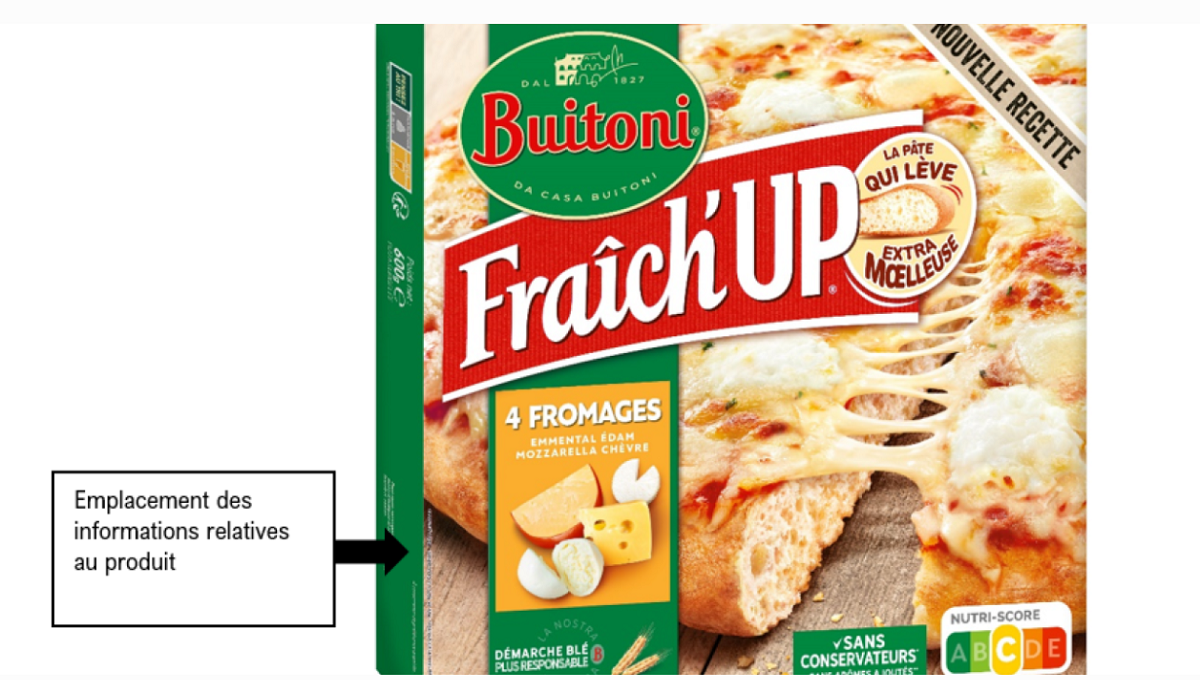
Buitoni brand Fraîch’Up pizzas have been withdrawn and recalled because of possible contamination by E. coli O26. Nestlé took action after being told about the presence of E. coli in dough used in the frozen pizzas.

Investigations by authorities into a number of hemolytic uremic syndrome (HUS) cases have pointed to a possible connection with consumption of the frozen pizzas. HUS is a type of kidney failure  associated with E. coli infections that can result in lifelong, serious health problems and death.

In total, 27 cases of HUS or serious infection caused by E. coli with similar characteristics, have been identified, and 31 other infections are under investigation.

The sick children, aged from 1 to 18 years old with a median age of 5 and a half had symptoms between Jan. 10 and March 10, 2022. Two youngsters have died.

In France, Shiga toxin-producing E. coli (STEC) surveillance is based only on HUS in children younger than 15, so it only catches the most severe cases of E. coli infection. It is unknown how many adults might be infected.

Iceland – Food insecurity in the production of sprouts and tofu

MAST

Matvælastofnun warns against consuming bean sprouts and fried tofu and tofu from Thi hollusta ehf because food safety was not guaranteed at the production site. The establishment does not meet the requirements for food production and it is not possible to ensure the safety of the food. The Health Inspectorate in Hafnarfjörður (HEF) has assisted the company regarding the recall and sent out a press release.

The recall applies to all batches and dates;

  • Brand: THI
  • Product name: Mung sprouts, Tofu white, Tofu fried
  • Manufacturer: Thi produksla ehf.
  • Country of production: Iceland
  • Batch number / best for dates: All dates / all batch numbers
  • Storage conditions: Refrigerated product
  • Distribution: Banh Mi ehf., Bananar ehf. , Fiska.is

Consumers who have purchased the products are advised not to consume them.

Further information provided by the manufacturer by phone: 553-2555 or by e  -mail mariaminh2505@gmail.com

Related material

USA – FDA Investigation of Cronobacter Infections: Powdered Infant Formula (February 2022) – The problem is more than two years old.

FDA

If you want to check if your powdered formula is part of the recall, you can enter the product lot code on the bottom of your package on the company’s websiteExternal Link Disclaimer.

If you have questions or need information about the recall, you can Submit Questions/Get Assistance.

If your infant is experiencing symptoms related to Cronobacter infection, such as poor feeding, irritability, temperature changes, jaundice, grunting breaths, or abnormal body movements; contact your health care provider to report their symptoms and receive immediate care.

To report an illness or adverse event, you can

The FDA, along with CDC and state and local partners are investigating consumer complaints and/or reports of infant illness related to products from Abbott Nutrition’s Sturgis, MI facility. All of the ill patients are reported to have consumed powdered infant formula produced from Abbott Nutrition’s Sturgis, MI facility.

The FDA is releasing the FDA Form 483s from three inspections conducted at Abbott Nutrition’s facility on Sept. 16-24, 2019Sept. 20-24, 2021, and Jan. 31-March 18, 2022. The inspectional observations in these Form 483s do not constitute final FDA determinations of whether any condition was or is in violation of the Federal Food, Drug, and Cosmetic Act or any of its implementing regulations. FDA will take appropriate action in the future – if warranted – as we continue to evaluate the 2022 inspectional findings.

Important observations noted in the 2022 Form 483 include, but are not limited to:

  • [Abbott Nutrition] did not establish a system of process controls covering all stages of processing that was designed to ensure that infant formula does not become adulterated due to the presence of microorganisms in the formula or in the processing environment.
  • [Abbott Nutrition] did not ensure that all surfaces that contacted infant formula were maintained to protect infant formula from being contaminated by any source.

Once the immediate public health risk is minimized, FDA will conduct a programmatic review to ensure the maximum effectiveness of agency programs and policies related to infant formula and special medical food complaints, illnesses, and recalls.

Conducting this review is a top priority for the FDA and will be done as efficiently as possible, and we can ensure this effort will not interfere with the immediate recall response activities. We will and must continue focusing on taking all steps possible to protect the health of those who rely on safe powdered infant formula.

Recommendation

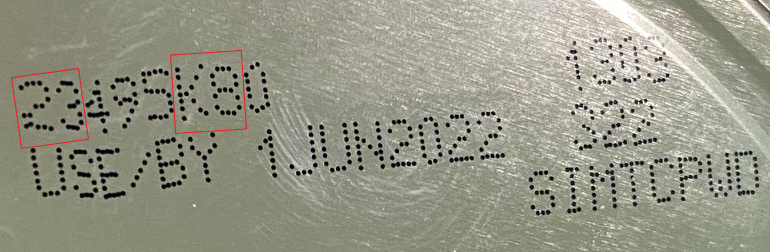
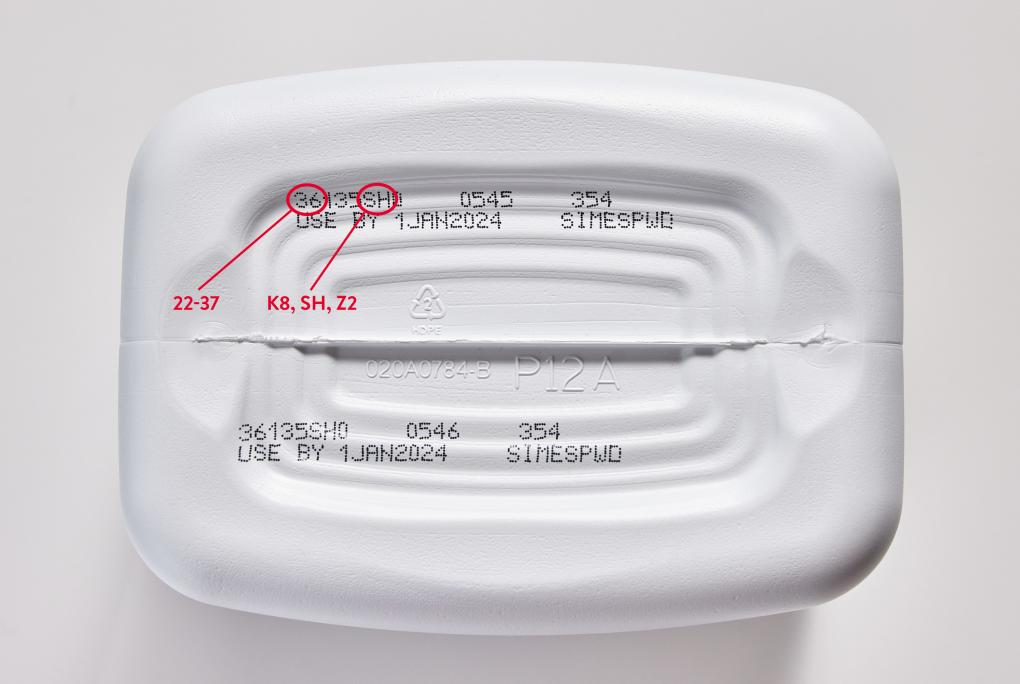
The FDA is advising consumers not to use recalled Similac, Alimentum, or EleCare powdered infant formulas. Recalled products can be identified by the 7 to 9 digit code and expiration date on the bottom of the package (see image below). Products are included in the recall if they have all three items below:

  • the first two digits of the code are 22 through 37 and
  • the code on the container contains K8, SH, or Z2, and
  • the expiration date is 4-1-2022 (APR 2022) or later.

In addition to products described above, Abbott Nutrition has recalled Similac PM 60/40 with a lot code 27032K80 (can) / 27032K800 (case). At this time, Similac PM 60/40 with lot code 27032K80 (can) / 27032K800 (case) is the only type and lot of this specialty formula being recalled. Additional recall information for the initial recall is available on the FDA website. Parents can also enter their product lot code on the company’s websiteExternal Link Disclaimer to check if it is part of the recall.

Additional information for parents and caregivers of infants receiving medical specialty infant formulas and individuals using certain medical foods is available below.

Additional Information for Parents and Caregivers:

The recalls do not include liquid formula products.

Parents and caregivers should never dilute infant formula and should not make or feed homemade infant formula to infants. Consumers should also avoid purchasing imported formula through online sales, as it has the potential to be counterfeit.

If your regular formula is not available, contact your child’s healthcare provider for recommendations on changing feeding practices.

If you get infant formula through WIC, do not throw the formula out. Instead, you should take it to the store for a refund and exchange or call the company at 1-800-986-8540 to help you. WIC recipients should be able to obtain a different brand of similar formula. Call your local WIC clinic for more guidance. Also see:

More information on Cronobacter and infant formula is available on CDC’s website.

Recalled powdered infant formulas have the potential to be contaminated with Cronobacter, a bacterium that can cause severe foodborne illness primarily in infants. Cronobacter infections are rare but are especially high risk for newborn infants (see symptoms below).

Cronobacter bacteria can cause severe, life-threatening infections (sepsis) or meningitis (an inflammation of the membranes that protect the brain and spine). Symptoms of sepsis and meningitis may include poor feeding, irritability, temperature changes, jaundice (yellow skin and whites of the eyes), grunting breaths, and abnormal body movements. Cronobacter infection may also cause bowel damage and may spread through the blood to other parts of the body.

If your child is experiencing any of these symptoms, you should notify your child’s healthcare provider and seek medical care for your child immediately. Healthcare providers and health departments are encouraged to report any confirmed cases of Cronobacter sakazakii to CDC.


Product Images

Sample Product Image from the FDA Investigation of Cronobacter and Salmonella Complaints about Powdered Infant Formula (February 2022)

Case Counts

Total Adverse Events: 4
Hospitalizations: 4
Reported Deaths: 2*
Illness Onset Date Range: 9/6/2021 – 1/4/2022
States with Adverse Events: MN (1), OH (2), TX (1)
Product Distribution: Nationwide and International
* Two deaths have been reported. Cronobacter infection may have contributed to the cause of death for both patients.

Belgium – Conimex brand “Panklare nasi” rice- Mold/Mould

AFSCA

Recall by Albert Heijn
Product: Conimex brand “Panklare nasi” rice.
Problem: The packaging may have small holes, which could lead to the formation of mold.

In agreement with the FASFC, Albert Heijn withdraws lots L1194N41, L1229N41 & L1230N41 from “Conimex Panklare nasi”. Albert Heijn is withdrawing the product from sale because the packaging may have small holes, which could lead to mold formation. Albert Heijn asks its customers not to consume this product and to return it to a point of sale. For more information, customers can consult the website www.ah.be or call the number 0800 777 05.

Product Description

• Category: rice
• Product name: Conimex Panklare nasi
• Brand: Conimex
• Best before date (BDD): 13/07/2022, 17/08/2022 & 18/08/2022
• Batch: L1194N41, L1229N41 & L1230N41
• Type of packaging: airtight bag
• Weight: 230 g

For further information , contact Albert Heijn on 0800 777 05

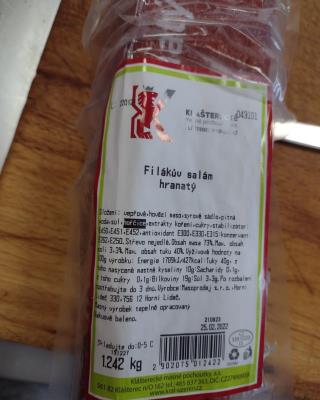
Czech Republic – Filák’s salami square – Mold/Moulds

Potravinynapranyri

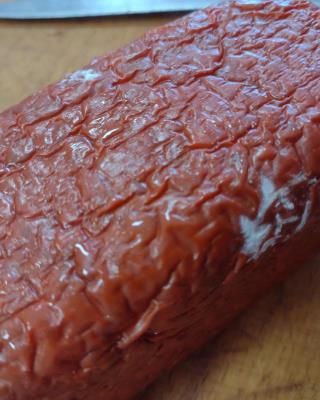
Illustration photo no. 1 Illustration photo no. 4

Place of inspection:
Prosec ( Zabori 143, 53944 Prosec )
ID: 00032131
Food group: Meat and meat products Heat-treated non-perishable products

Filák’s salami square
Category: Dangerous food
Unsatisfactory parameter:

mold visible to the eye

Mold colonies were present on the surface of the product. Food is not considered safe if it shows signs of spoilage.

During the inspection, the storage temperatures of this product were not found to be satisfactory. The product has not expired.

The sample was taken from the opened package.

Lots: L: 220121
Expiration date: 02/25/2022
Packaging: Plastic package with label
Quantity of product in package: 1,054 kg
Producer: Klasterecke masne pochoutky, as, Klasterec nad Orlici 162, 56182 Klasterec nad Orlici
Country of origin:  Czechia
Sampling date: 4. 2. 2022
Reference number: 22-000088-CAFIA-CZ
The sample was found by an official inspection of the State Agricultural and Food Inspection Authority.

USA – FDA issues warning to New Mexico onion importer linked to Salmonella outbreak

Food Safety News

An import company in New Mexico is on notice from the FDA for not having food safety documents for a number of imported foods. The inspection was initiated because of an investigation of a multistate foodborne outbreak of Salmonella Oranienburg illnesses linked to whole, fresh onions imported from the state of Chihuahua, Mexico.

The outbreak has sickened more than 800 people in the United States and remains under investigation. The Centers for Disease and Prevention has not yet declared the outbreak over.

In its warning letter the Food and Drug Administration  acknowledged that the company initiated a voluntary recall on Oct. 22, 2021, of red, yellow, and white onions imported from its “suppliers (redacted)” in Chihuahua, Mexico, from July 1, 2021, through Aug. 25, 2021.

In the March 2, 2022, warning letter just made public by the FDA, the agency described a Nov. 16, 2021, Foreign Supplier Verification Program (FSVP) inspection of Keeler Family Farms in DemingNM.