Monthly Archives: February 2022

Italy – free-range chicken chicken wings fqc – Salmonella

Salute

Brand : CARREFOUR

Name : free-range chicken chicken wings fqc

Reason for reporting : Recall due to microbiological risk

Publication date : 25 February 2022.

Click to access C_17_PubblicazioneRichiami_1661_azione_itemAzione0_files_itemFiles0_fileAzione.pdf

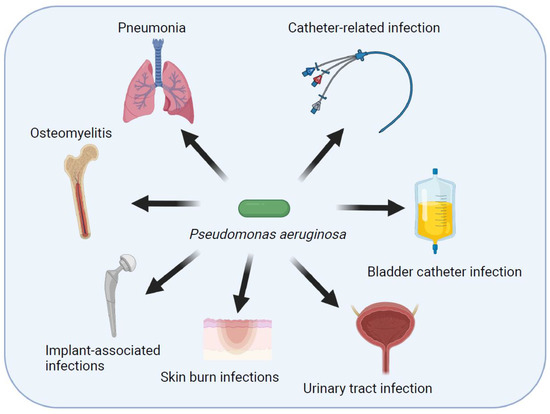
Research – Pathogenesis of the Pseudomonas aeruginosa Biofilm: A Review

MDPI

Pseudomonas aeruginosa is associated with several human infections, mainly related to healthcare services. In the hospital, it is associated with resistance to several antibiotics, which poses a great challenge to therapy. However, one of the biggest challenges in treating P. aeruginosa infections is that related to biofilms. The complex structure of the P. aeruginosa biofilm contributes an additional factor to the pathogenicity of this microorganism, leading to therapeutic failure, in addition to escape from the immune system, and generating chronic infections that are difficult to eradicate. In this review, we address several molecular aspects of the pathogenicity of P. aeruginosa biofilms. View Full-Text

USA – Norovirus outbreak linked to Seattle area restaurant

Outbreak News Today

Eurofins

Seattle-King County Public Health reports investigating an outbreak of norovirus-like illness associated with vomiting, diarrhea, abdominal pain, and chills at Rock Wood Fired Pizza in Renton, an inner-ring suburb of Seattle.

Since February 22, 2022, 9 people from 2 separate meal parties reported becoming ill after eating food from the Rock Wood Fired Pizza between February 19 and 20, 2022.

Environmental Health Investigators visited the restaurant on February 23, 2022. Investigators did not find any risk factors that are known to contribute to the spread of norovirus. The restaurant closed on February 23, 2022, to complete a thorough cleaning and disinfection. All ready-to-eat foods were discarded for those processed before the restaurant was disinfected.

Environmental Health investigators revisited the restaurant on February 24 and confirmed proper cleaning and disinfection was completed. The restaurant was reopened on February 24, 2022.

USA – Cronobacter Illnesses Linked to Powdered Infant Formula

CDC

On February 17, Abbott three brands of formula produced at its manufacturing facility in Sturgis, Michigan. Parents and caregivers of newborns should not feed their baby recalled Similac, Alimentum, or EleCare powdered infant formulas.

Fast Facts
  • Illnesses: 3
  • Deaths: 1
  • States: 3 (Minnesota, Ohio, Texas)
  • Recall: Yes
  • Investigation status: Active
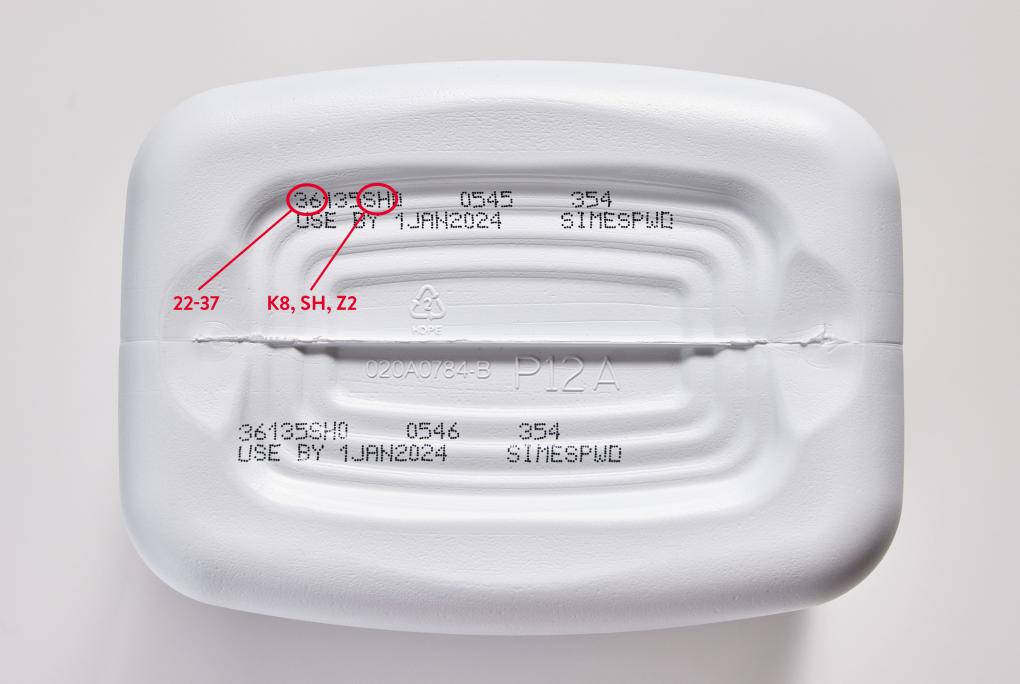
Powdered infant formula container with product coding

Recalled Powdered Infant Formula

On February 17, Abbott recalledexternal icon three brands of formula produced at its manufacturing facility in Sturgis, Michigan.

Recalled Similac, Alimentum, or EleCare powdered formula have all three of these conditions:

  • First two digits of the code are 22 through 37, AND
  • Code on the container contains “K8,” “SH,” or “Z2,” AND
  • Use-by date is 4-1-2022 (APR 2022) or later.

To find out if the product you have is included in this recall, review these codes in the bottom of the package. See the recall noticeexternal icon for more information.

What Parents and Caregivers Should Do

Do not feed your baby any recalled powdered formula.

Contact your baby’s healthcare provider if:

  • Your baby has symptoms of Cronobacter illness (fever and poor feeding, excessive crying, or very low energy).
  • Your regular formula is not available, and you need recommendations on other ways to feed your baby.
Symptoms
  • The first symptom of Cronobacter infection in infants (0–1 year old) is usually a fever, accompanied by poor feeding, excessive crying, or very low energy. Some infants may also have seizures. Infants with these symptoms should be seen by a medical provider as soon as possible.
  • Cronobacter germs can cause a dangerous blood infection (sepsis) or make the linings surrounding the brain and spinal cord swell (meningitis). Infections in infants usually occur in the first days or weeks of life. Infants 2 months of age and younger are most likely to develop meningitis if they are infected with Cronobacter.
What Healthcare Providers/Laboratories Should Do
  • If a Cronobacter infection is diagnosed by a laboratory culture, CDC encourages clinicians and laboratories to inform their local or state health department.
  • Cronobacter can be detected in the blood or cerebrospinal fluid (CSF) of patients with meningitis or sepsis caused by these bacteria. Cronobacter bacteria grow on routine culture media and microbiological laboratories can detect Cronobacter from blood or CSF samples.
  • CDC does not recommend testing infants for Cronobacter infection unless they have symptoms of meningitis or sepsis, even if they consumed recalled formula.
  • CDC does not recommend testing stool for CronobacterCronobacter infection does not typically cause diarrhea in infants.
  • CDC does not recommend testing formula for Cronobacter contamination unless an infant has a diagnosed Cronobacter infection.
alert icon
Please contact your local or state health department if your child has been diagnosed with Cronobacter infection and consumed recalled formula.
Description of Cases

On February 10, 2022, CDC was notified of FDA’s investigation of consumer complaints of infant illness related to products from Abbott Nutrition in Sturgis, Michigan. These complaints include three reports of Cronobacter sakazakii infections and one report of Salmonella Newport infection in infants. CDC and FDA are conducting additional laboratory testing and investigation to better understand these cases.

The most recent investigation details are summarized below:

From September 16, 2021, to January 5, 2022, CDC received reports of three Cronobacter cases in infants that were later found to be linked to this ongoing investigation:

  • Three infants in Minnesota, Ohio, and Texas consumed formula produced at the Sturgis, Michigan, facility before they got sick. Formula consumed included Similac Sensitive, Similac Pro-total Comfort, and Similac Advance. Cronobacter may have contributed to the death of an infant in Ohio.
  • These are the same cases identified in the consumer complaints received by FDA.

On February 16, 2022, CDC asked clinicians and state and local health departments to provide information on other cases of Cronobacter associated with infant formula from November 2020 through the present. Since then, CDC has received reports of more possible cases of Cronobacter illnesses in infants who might have consumed recalled formula. CDC is investigating to determine if these cases are linked to formula products produced at the Abbott Nutrition facility in Sturgis, Michigan. CDC is performing whole genome sequencing on Cronobacter bacteria isolated from available patient samples to compare with the environmental samples taken at the facility to determine if there is any relation.

CDC’s routine outbreak surveillance has not detected an outbreak of Salmonella illnesses linked to the case reported to FDA.

About Cronobacter

Cronobacter sakazakii is a germ found naturally in the environment and can live in very dry places. The germs can live in dry foods, such as powdered infant formula, powdered milk, herbal teas, and starches. Cronobacter infection is not reportable in most states, meaning doctors are not required to report cases to their health department. Cronobacter illnesses are rare, but when infections happen, they can be deadly for infants. CDC typically receives reports of 2 to 4 infections in infants per year, but the total number of cases that occur in the United States each year is not known.

How Cronobacter Can Spread
  • At a production factory, Cronobacter could get into formula powder if contaminated raw materials are used to make the formula or if the formula powder touches a contaminated surface in the manufacturing environment.
  • Powdered infant formula could also become contaminated at home or elsewhere after the container is opened. For example, Cronobacter could get into the formula if formula lids or scoops are placed on contaminated surfaces and later touch the formula or if the formula is mixed with contaminated water or in a contaminated bottle. See more information on how to safely prepare and store powdered infant formula.

Sweden – ICA recalls Zucchini – may contain Salmonella

Livsmedelsverket

ICA is recalling zucchini because the product may contain salmonella. The product can pose a health hazard to consumers. The recall applies to zucchini purchased from 2022-02-25 in Skåne, Västra Götaland, Kronoberg, Kalmar, Blekinge, Halland, Närke, Östergötland, Värmland, Gotland and Öland. 

Recall Notice

Research – Legionellosis: A novel mechanism by which the bacterium Legionella pneumophila regulates the immune response of its host cells

Science Daily

Legionellosis or Legionnaires’ disease affected more than 1 800 people in France in 2019 and caused 160 deaths. This emerging disease is caused by Legionella pneumophila, an environmental bacterium that thrives in hot water systems. Researchers have discovered a mechanism that allows Legionella pneumophila to target the immune response of the cells it infects by secreting a small regulatory RNA. This mechanism, not described before, facilitates the survival and proliferation of Legionella pneumophila during infection. The work provides precious information on the strategies used by bacteria to manipulate their host cells.

Research – Shiga Toxin-Producing Escherichia coli and Milk Fat Globules

MDPI

Shiga toxin-producing Escherichia coli (STEC) are zoonotic Gram-negative bacteria. While raw milk cheese consumption is healthful, contamination with pathogens such as STEC can occur due to poor hygiene practices at the farm level. STEC infections cause mild to serious symptoms in humans. The raw milk cheese-making process concentrates certain milk macromolecules such as proteins and milk fat globules (MFGs), allowing the intrinsic beneficial and pathogenic microflora to continue to thrive. MFGs are surrounded by a biological membrane, the milk fat globule membrane (MFGM), which has a globally positive health effect, including inhibition of pathogen adhesion. In this review, we provide an update on the adhesion between STEC and raw MFGs and highlight the consequences of this interaction in terms of food safety, pathogen detection, and therapeutic development. View Full-Text

Research – Report finds food testing policies different between countries

Food Safety News

There are various approaches to food sampling in four nations, including the United States, as shown in a report published by the Food Standards Agency (FSA).

Campden BRI reviewed food control systems in Australia, Canada, New Zealand, and the United States.

The study looked at how authorities perform sampling and analysis of food and feed, systems for gathering intelligence, and other information which informs the sampling and testing program.

Findings suggest there is no one-size-fits-all approach as differences in planning and conducting various sampling activities were observed between the four countries.

Differing approaches
The FSA documents list three types of sampling: for official controls; hypotheses or surveillance sampling; and intelligence sampling. But the terminology used in other countries often varied.

Authorities in Canada, New Zealand, and the United States play both regulation setting and enforcement roles. However, Food Standards Australia New Zealand (FSANZ) sets standards and coordinates responses to food safety incidents but does not have enforcement powers.

Sharing the responsibilities between multiple agencies, which happens in the United States and Australia, may lead to differences in the extent of regulatory oversight in different parts of the country or between foods, sometimes even with similar risks, found the study.

Oversight of the entire food chain in Canada and New Zealand is mainly done by a single regulatory agency, which can facilitate the planning of sampling.

Because of resource constraints and the extensive range of products it oversees, the U.S. Food and Drug Administration tends to apply a risk-based prioritization approach when planning sampling and other activities. The FDA has three types of sampling: product sampling, environmental sampling, and emergency response/emerging issues sampling.

Because products under the U.S. Department of Agriculture’s Food Safety Inspection Service (FSIS) jurisdiction are relatively riskier, FSIS-regulated establishments are subject to a more comprehensive oversight, according to the study.

Research – Foodborne Outbreak Rates Associated with Restaurant Inspection Grading and Posting at the Point of Service: Evaluation Using National Foodborne Outbreak Surveillance Data

Journal of Food Protection

A previously conducted national survey of restaurant inspection programs associated the practice of disclosing inspection results to consumers at the restaurant point-of-service (POS) with fewer foodborne outbreaks. We used data from the national Foodborne Disease Outbreak Surveillance System (FDOSS) to assess the reproducibility of the survey results. Programs that participated in the survey accounted for approximately 23% of the single state, foodborne illness outbreaks in restaurant settings reported to FDOSS during 2016 – 2018. Agencies that disclosed inspection results at the POS reported fewer outbreaks (mean = 0.29 outbreaks per 1,000 establishments) than those that disclosed results online (0.7) or not at all (1.0). Having any grading method for inspections was associated with fewer reported outbreaks than having no grading method. Agencies that used letter grades had the lowest numbers of outbreaks per 1,000 establishments. There was a positive association (correlation coefficient, r= 0.54) between the mean number of foodborne illness complaints per 1,000 establishments, per the survey, and the mean number of restaurant outbreaks reported to FDOSS (R2= 0.29). This association was stronger for bacterial toxin-mediated outbreaks (R2= 0.35) than for norovirus (R2= 0.10) or Salmonella (R2= 0.01) outbreaks. Our cross-sectional study findings are consistent with previous observations that linked the practice of posting graded inspection results at the POS with reduced occurrence of foodborne illnesses and outbreaks associated with restaurants. Support for foodborne illness surveillance programs and food regulatory activities at local health agencies is foundational for food safety systems coordinated at state and federal levels.

Research – Two Case Reports of Scombroid in Singapore: A Literature Review

Cureus

Abstract

Scombroid is a foodborne illness that results from eating improperly handled fish. Due to a disruption in the cold chain, these fish have high histamine levels. As a result, scombroid presents with allergy-like symptoms but is not really an allergy per se. Cases have been reported in many countries.

Here, we report two cases of a 48 and 17-year-old father and son in Singapore who developed symptoms suggestive of scombroid after eating tuna imported from Vietnam delivered by an internationally known supply company. The diagnosis was confirmed by elevated histamine levels measured in the culprit fish product. We discuss the pathophysiology, signs, symptoms, and management of scombroid.

Introduction

Scombrotoxin fish poisoning (SFP) also known as scombroid poisoning, scombrotoxicosis, or histamine fish poisoning is a foodborne illness that results from the consumption of fish that has been improperly handled between the time it is caught and the time it is cooked [1]. The word “scombroid” is derived from Scombridae which is a family of dark-fleshed fish consisting of species such as mackerel and tuna. However, non-scombroid fishes such as mahi-mahi, salmon, and sardine have also been implicated in scombroid poisoning [2].

Scombroid poisoning is very common. A 2013 report from the United States estimated over 35,000 cases resulting in 162 hospital admissions between 2000 and 2009 [3]. Scombroid cases have also been reported from countries such as Australia [4], the Netherlands [5], Israel [6], Colombia [7], and many others.

Inappropriate storage, resulting in disruption of the cold chain, of the fish leads to bacterial enzymatic conversion of free histidine into histamine. This is due to the action of bacterial histamine decarboxylase (HDC), usually by mesophilic bacteria such as Clostridium perfringensMorganella morganii, etc. As a result, high levels of histamine are usually found in the culprit seafood item [8]. Whether histamine is the only constituent of “scombrotoxin” is unclear. Nevertheless, the symptomatology is essentially that of histamine toxicity. It is considered an atypical foodborne illness as the main symptoms are not gastrointestinal and also because it is not due to contamination of the product.

While mostly self-limiting and mild, there have been reports of life-threatening scombroid poisoning. A previously healthy young woman developed hypotension needing vasopressors with ST depressions [9] while another scombroid poisoning was complicated by acute pancreatitis [10]. Some cases were severe enough to need ICU admissions. A recent narrative discussed acute coronary syndromes (ACS) associated with scombroid. Of note, there is a potential of hemodynamic failure in the acute stage, even in apparently healthy people [11].

Closer to home, in September 2016, the Agri-Food and Veterinary Authority (AVA) of Singapore issued a recall order on a batch of canned tuna imported from Thailand under a common food brand. This was reported in various newspapers such as The Straits Times and The Independent. In one issue of the Singapore Food Agency’s Food Safety Bulletin in 2018, there was a segment on scombroid. Interestingly, however, a PubMed search was conducted and while we found a case of pufferfish poisoning reported in 2013 [12] and a report of stonefish poisoning in 2009 [13], we found no reports of scombroid poisoning in Singapore. We report two confirmed cases of scombroid poisoning who are from the same household who presented to our hospital after consuming tuna for dinner.