Brand : CASCINA LA MARCHESA – FACCIA FRATELLI
Name : LA BATTUTA DI FASSONE PIEMONTESE / BATTUTA BOVADPMT CLASSICA G200 SKIN
Reason for reporting : Recall due to microbiological risk
Publication date : 16 March 2021


Brand : CASCINA LA MARCHESA – FACCIA FRATELLI
Name : LA BATTUTA DI FASSONE PIEMONTESE / BATTUTA BOVADPMT CLASSICA G200 SKIN
Reason for reporting : Recall due to microbiological risk
Publication date : 16 March 2021
Recall of Het Dischhof
Product: “Keiems Bloempje” cheese.
Problem: possible presence of Listeria monocytogenes.
 In agreement with the AFSCA, the company Het Dischhof is withdrawing from sale the cheese “Keiems Bloempje” – Lot 506 – and is recalling it to consumers because of the possible presence of Listeria monocytogenes. The other batches of these cheeses are not affected by this product recall.
Het Dischhof BV asks its customers not to consume this product and to return it to the point of sale where it was purchased. It will be refunded to them.
Product Description
– Product name: Het Keiems Bloempje
– Date of minimum durability (DDM): 07/04/2021
– Lot number: 506
– Sales period: from 18/02/21 to 16/03/21
– Nature of the packaging: paper packaging
– Weight: ca. 330g
Sold in Belgium through various food stores.
For any further information , contact: info@dischhof.be .
Our apologies for this inconvenience.
Posted in afsca, food contamination, Food Hazard, Food Hygiene, Food Inspections, Food Micro Blog, Food Microbiology, Food Microbiology Blog, Food Microbiology Testing, Food Pathogen, food recall, Food Safety, Food Safety Alert, Food Testing, Listeria, Listeria monocytogenes, microbial contamination, Microbiology
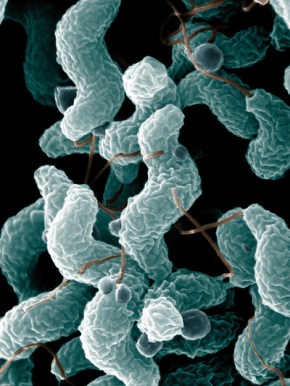
Image CDC
Raw unpasteurised drinking milk from Central Hawke’s Bay producers Lindsay Farm is being recalled following a detection of Campylobacter as part of their routine testing programme. Lindsay Farm is a registered provider of raw milk.
The recall affects Lindsay Farm brand organic raw drinking milk with a use by date between 6 March 2021 and up to and including 21 March 2021. The affected product is sold in the Hawke’s Bay region at seven registered depots and home deliveries. The product is sold in 2-litre plastic bottles.
Campylobacter bacteria can cause severe gastrointestinal illness in people, and can be particularly serious in young people, the elderly, pregnant women and people with weakened immune systems.
New Zealand Food Safety’s national food compliance services manager, Melinda Sando, says people with Lindsay Farm organic raw drinking milk at home should visit the MPI recalls website to check if it is among the batches of recalled product.
“If you have any of the recalled product, throw it out or return it to your supplier, or heat to 70°C and hold at this temperature for one minute. If you don’t have a thermometer, heat the milk until it nearly reaches a boil (or scald the milk) before drinking it.
“Raw milk is inherently more risky than pasteurised milk because the process of pasteurisation kills harmful bacteria. You can get sick from consuming raw milk. If you have health concerns after drinking the product, seek medical advice.
“Campylobacter symptoms include muscle pain, headache and fever followed by watery or bloody diarrhoea, stomach pain and nausea. Symptoms typically develop 2 to 5 days after infection and last between 3 to 7 days.”
In people with weakened immune systems, such as those with a blood disorder, with AIDS, or receiving chemotherapy, Campylobacter occasionally spreads to the bloodstream and causes a life-threatening infection.
Human campylobacteriosis is a notifiable disease in New Zealand. That means any cases must be reported to public health authorities.
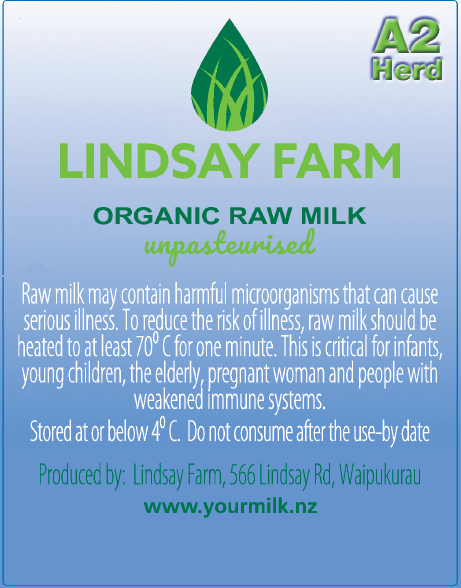
18 March 2021: Lindsay Farm is recalling specific batches of Lindsay Farm brand Organic Raw Milk (unpasteurised) as the product may contain Campylobacter.
| Product identification | |
|---|---|
| Product type | Raw (unpasteurised) drinking milk |
| Name of product (size) | Lindsay Farm brand Organic Raw Milk (unpasteurised) 2L |
| Batch marking | Lot numbers: 0203, 0303, 0403, 0503,0603, 0703, 0803,0903, 1003, 1103, 1203,1303, 1403, 1503, 1603 and 1703 |
| Date marking | Use by date between 06.03.2021 and up to and including 21.03.2021 |
| Package size and description | The product is sold in a 2L plastic bottle. |
| Distribution | The product is sold in the Hawke’s Bay region via home deliveries and the following registered depots:
Betta Electrical, 46 – 48 Ruatainwha Street, Waipukurau Chantal Shop, 45 Hastings Street, Napier Cornucopia – The Organic Shop, 221 Heretaunga Street East, Hastings Dawnacres Florist, 208 Havelock Road, Akina, Hastings Nature’s Nurture – The Organic Grocer, 100 High Street, Waipawa Tangaroa Seafoods, 7 Tangaroa Street, Ahuriri, Napier Unichem Taradale Pharmacy, 288 Gloucester Street, Taradale, Napier. |
| Notes | This recall does not affect any other batches of Lindsay Farm brand Organic Raw Milk (unpasteurised). |
Customers are asked to check the lot number and use by date printed on the product.
If you have purchased any of the affected product listed on this notice, do not consume it. Customers should return the product to their retailer for a full refund. Alternatively, consume after heating to 70°C and holding at this temperature for one minute. If you don’t have a thermometer, heat the milk until it nearly reaches a boil (or scald the milk) before drinking it.
There have been no reports of associated illness in New Zealand. If you have consumed any of this product and have any concerns about your health, seek medical advice.
How to reduce the risk of illness if you drink raw unpasteurised milk
Campylobacter infection: symptoms and advice
If you have questions, contact Lindsay Farm:
Pretoria – More than 100 learners from HM Baloyi Secondary School in Winterveldt, Tshwane, were rushed to various hospitals and clinics on Tuesday following a suspected food poisoning.
“We rushed more than 100 learners to clinics. We spent most of the day visiting the various clinics so we are be able to update parents.
“Health inspectors came and took samples. We were surprised and perturbed. In the three years we have been at the school, we have never had such a case. I ate food from the kitchen and also felt sick.
Thursday, 18 March 2021
| Summary | |
|---|---|
| Category 1: | For Action |
| Alert Notification: | 2021.27 Update 1 |
| Product: | SFC Boneless Box; pack size: 550g
SFC Crispy Chicken Dippers; pack size: 200g |
| Batch Code: | All best before dates up to and including 30.06.2022 |
| Country Of Origin: | United Kingdom |
Further to the FSAI’s food alert 2021.27, SFC is recalling the above batches of two additional chicken products due to the possible presence of Salmonella. Point-of-sale recall notices will be displayed in the stores where the products were sold.
People infected with Salmonella typically develop symptoms between 12 and 36 hours after infection, but this can range between 6 and 72 hours. The most common symptom is diarrhoea, which can sometimes be bloody. Other symptoms may include fever, headache and abdominal cramps. The illness usually lasts 4 to 7 days. Diarrhoea can occasionally be severe enough to require hospital admission. The elderly, infants, and those with impaired immune systems are more likely to have a severe illness.
Retailers must recall the implicated batches and display a point-of-sale recall notice.
Consumers are advised not to eat the implicated batches.


Posted in food bourne outbreak, food contamination, food death, Food Hazard, Food Hygiene, Food Illness, Food Inspections, Food Micro Blog, Food Microbiology, Food Microbiology Blog, Food Microbiology Testing, Food Pathogen, food recall, Food Safety, Food Safety Alert, Food Temperature Abuse, Food Testing, FSAI, microbial contamination, Microbiology, Salmonella, Salmonella in Chicken
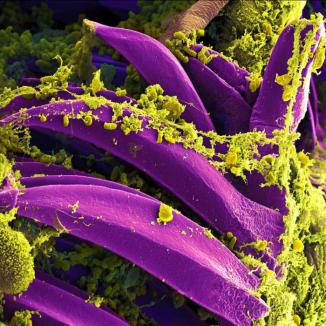
The Swedish Public Health Agency says the outbreak of Yersinia enterocolitica is over.
During the period January and up to the beginning of February, twice as many people fell ill with Yersinia infection as during the same period in a normal year. Of a total of 53 cases of Yersinia enterocolitica, 33 were resident in the regions of Stockholm, Västra Götaland and Halland.
Isolates from 24 of these cases were typed by whole genome sequencing, ie analysis of the bacterium’s genome, and 16 outbreak cases with clustered isolates could be identified.
The Swedish Public Health Agency and the infection control units have collaborated on interviews with sick people and compilation of questionnaire responses about what and where they ate before the illness. A so-called case-case study where questionnaire responses from outbreak cases were compared with questionnaire responses from disease cases with Yersinia infection that did not belong to the outbreak, it emerged that the outbreak cases had to a greater extent visited one and the same restaurant chain.
A contaminated batch of iceberg lettuce distributed to a restaurant chain is the suspected source of infection.
Posted in food bourne outbreak, food contamination, Food Hazard, Food Hygiene, Food Illness, Food Inspections, Food Micro Blog, Food Microbiology, Food Microbiology Blog, Food Microbiology Testing, Food Pathogen, food recall, Food Safety, Food Safety Alert, Food Testing, foodborne outbreak, foodbourne outbreak, outbreak, Yersinia, yersinia enterocolitica
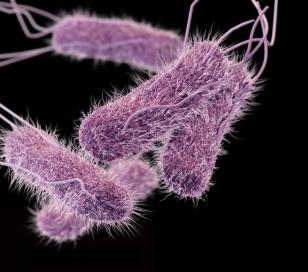
Image CDC
Food safety attorney Bill Marler wants to know what’s up with his petition calling on the USDA to declare specific “outbreak serotypes” of Salmonella as adulterants in meat.
He filed the petition more than a year ago, on Jan. 19, 2020, with USDA’s Food Safety and Inspection Service (FSIS), on behalf of Rick Schiller, Steven Romes, the Porter family, Food & Water Watch, Consumer Federation of America, and Consumer Reports.
The petition asks FSIS to declare the following Salmonella “outbreak serotypes” as per se contaminants in meat and poultry products:
Salmonella Agona, Anatum, Berta, Blockely, Braenderup, Derby, Dublin, Enteritidis, Hadar, Heidelberg, I 4,[5],12:i:-, Infantis, Javiana, Litchfield, Mbandaka, Mississippi, Montevideo, Muenchen, Newport, Oranienburg, Panama, Poona, Reading, Saintpaul, Sandiego, Schwarzengrund, Senftenberg, Stanley, Thompson, Typhi, and Typhimurium.
At least 70 MBBS students staying at the Osmania Medical College hostel, Koti, suffered from food poisoning, and of them, 30 were admitted to Gandhi Hospital for treatment.
The students had consumed food provided by a private caterer on the campus. Condition of the 30 medicos was stable and they were expected to be discharged on Wednesday.
College principal P. Shashikala said the students were dehydrated and hence, hospitalised as a precautionary measure. “We are investigating the matter. Food samples have been sent to the Institute of Preventive Medicine (IPM) for examination. Blood and stool samples are being checked in our college,” Dr Shashikala said.

 FoodWorld