Research – The temporal pattern and relationship of Campylobacter prevalence in broiler slaughter batches and human campylobacteriosis cases in Sweden 2009–2019

Science Direct

Campylobacter kswfoodworld

Thermophilic Campylobacter species are the most common cause of bacterial gastroenteritis worldwide, and handling and consumption of broiler meat is considered a major foodborne transmission route. Both the incidence of campylobacteriosis and the prevalence of Campylobacter in broilers show seasonality but the impact of this association and broiler prevalence on human incidence is not clear. To explore this relationship we applied two approaches for analyzing time series data using different time resolutions (weekly, bi-weekly or monthly data) of human campylobacteriosis cases and prevalence of Campylobacter spp. in broiler slaughter batches in Sweden between 2009 and 2019. The decomposition of time series into seasonal (S), long-term trend (T) and residual components (STL model) showed a close overlap in seasonal patterns in terms of timing and the proportional change of peaks from normalized yearly levels. Starting 2016, when a large outbreak was reported, there was significant overlap in the trend components as well. The trend component of human cases prior to the outbreak corresponded to a linear increase of 6.5 % cases annually. In comparison, the estimated annual increase in broiler consumption was 2.7 %. An additive approach for time-series counts incorporating seasonal and epidemic (cases are a function of previous cases) components found a positive association between human cases and broiler prevalence with an optimal lag of 2 weeks, 1 bi-week, or 0 months. Considering the estimated time between slaughter and consumption, incubation time, and the time between on-set of disease and testing, a 2-week lag may be consistent with transmission via handling and consumption of fresh broiler meat. The best model included broiler prevalence as a factor in the epidemic model component, not in the seasonal component. The outcomes in terms of best model, optimal lags and significance of parameters, using weekly, bi-weekly or monthly data were, in general, in agreement but varied with data resolution when only a subset of the time series, not including any known broiler associated outbreaks, was analyzed. The optimal resolution based on the available data and conditions of the present analysis appeared to be weekly or bi-weekly data. Results suggest that broiler prevalence with a 2 week lag period can explain part of the human cases but has a smaller explanatory impact during the part of the study period not including the large known outbreaks. There is no simple relationship between broiler prevalence and human cases. Additional factors than broiler prevalence need to be evaluated in order to understand the transmission routes and epidemiology of campylobacteriosis.

Virginia Tech researcher to test vaccine for Norovirus

VTX

Norovirus Food Safety kswfoodworld

Lijuan Yuan, professor of virology and immunology at the Virginia-Maryland College of Veterinary Medicine at Virginia Tech, will evaluate a potential live oral vaccine for norovirus, the No. 1 cause of foodborne illness.

Indiana University’s John Patton and colleagues are developing a norovirus vaccine that uses the Rotarix rotavirus vaccine as a platform. Using reverse genetics, they will insert a norovirus protein into Gene 7 of the rotavirus. The virus will then express the norovirus protein in the gut, inducing an immune response against norovirus.

Yuan’s lab will evaluate the replication capacity, immunogenicity, and protective efficacy of the vaccine using gnotobiotic pig models of human rotavirus and norovirus infection and diarrhea. A gnotobiotic animal is one that has been specially raised to contain zero germs or bacteria so researchers can better study the effects of bacteria and viruses such as rotavirus and norovirus.

According to the Centers for Disease Control and Prevention, norovirus is the leading cause of vomiting and diarrhea from acute gastroenteritis in the United States, resulting in 19 million to 21 million cases every year.

Norovirus tends to affect young children and the elderly the most. It’s responsible for about 24,000 hospitalizations and 925,000 outpatient visits for American children each year, according to the National Center for Biotechnology Information. Rotavirus also causes acute gastroenteritis and hits young children the hardest.

“Together, rotavirus and norovirus cause over 415,000 deaths every year, and norovirus also has a very significant burden even in the countries that don’t have a lot of deaths. The economic cost is huge, $4.2 billion in direct costs and $60 billion in indirect societal costs. You hear about norovirus outbreaks on the news all the time in hospitals, nursing homes, and cruise ships and how it’s closing down restaurants, so it’s got a lot of economic implications,” said Yuan.

Microbial Biofilms at Meat-Processing Plant as Possible Places of Bacteria Survival

MDPI

Biofilm of antibiotic resistant bacteria

Biofilm contamination in food production threatens food quality and safety, and causes bacterial infections. Study of food biofilms (BF) is of great importance. The taxonomic composition and structural organization of five foods BF taken in different workshops of a meat-processing plant (Moscow, RF) were studied. Samples were taken from the surface of technological equipment and premises. Metagenomic analysis showed both similarities in the presented microorganisms dominating in different samples, and unique families prevailing on certain objects were noted. The bacteria found belonged to 11 phyla (no archaea). The dominant ones were Actinobacteria, Bacteroidetes, Firmicutes, and Proteobacteria. The greatest diversity was in BFs taken from the cutting table of raw material. Biofilms’ bacteria may be the cause of meat, fish and dairy products spoilage possible representatives include Pseudomonas, Flavobacterium, Arcobacter, Vagococcus, Chryseobacterium, Carnobacterium, etc.). Opportunistic human and animal pathogens (possible representatives include Arcobacter, Corynebacterium, Kocuria, etc.) were also found. Electron-microscopic studies of BF thin sections revealed the following: (1) the diversity of cell morphotypes specific to multispecies BFs; (2) morphological similarity of cells in BFs from different samples, micro-colonial growth; (3) age heterogeneity of cells within the same microcolony (vegetative and autolyzed cells, resting forms); (4) heterogeneity of the polymer matrix chemical nature according to ruthenium red staining.

Research – An 11-Year Analysis of Bacterial Foodborne Disease Outbreaks in Zhejiang Province, China

MDPI

Background: Foodborne diseases are a growing public health problem and contribute significantly to the global burden of disease and mortality. Bacteria are the most common foodborne pathogens. We aimed to explore characteristics of bacterial foodborne disease outbreaks (FBDOs) in Zhejiang Province and to provide data support for foodborne disease prevention and control. Methods: Descriptive statistical methods were used to analyze the data reported by centers for disease control (CDCs) at all levels in Zhejiang Province through Foodborne Disease Outbreaks Surveillance System (FDOSS) during 2010–2020. Results: CDCs in Zhejiang Province reported 517 bacterial FBDOs in 11 years, resulting in 7031 cases, 911 hospitalizations, and 3 deaths. Vibrio parahaemolyticus had the highest number of outbreaks, accounting for 58.41% of the total bacterial outbreaks, followed by Salmonella (18.38%). In all settings, restaurants (37.14%), staff canteens (11.99%), and households (11.80%) were responsible for the large number of outbreaks. Aquatic products (42.08%), meat and meat products (23.56%), cereals (10.81%), and flour products (9.27%) were the most common single foods reported. Further analysis showed that the settings and food vehicles of outbreaks caused by different pathogens were different. Conclusions: Bacterial outbreaks are the most common type of FBDOs in Zhejiang Province. By analyzing the epidemiological characteristics of common pathogenic bacteria, we can identify the etiology, food, and setting that the government needs to focus on, and issue relevant targeted policies to reduce the number of FBDOs. View Full-Text

Researchers introduce rapid diagnostic test for Listeria

Phys Org

Researchers in the University of Georgia College of Engineering are developing a new way to detect potentially deadly Listeria contamination in food.

Listeriosis, an infection caused by eating food contaminated by the bacterium Listeria monocytogenes, can cause severe illness in pregnant women, newborns, the elderly and people with compromised immune systems. Listeria is the third leading cause of death from foodborne illness, or food poisoning, in the United States. An estimated 1,600 people get sick each year and about 260 die, according to the Centers for Disease Control and Prevention.

Currently, Listeria contamination in food products is identified only through molecular tests conducted in diagnostic laboratories on samples taken at specific control points during the manufacturing and distribution process. Although very accurate, this method requires significant processing time, transportation of samples, and expensive skilled labour and equipment.

In a new study published in the Journal of The Electrochemical Society, UGA researchers introduce a rapid diagnostic method based on electrochemical biosensing principles. Electrochemical biosensors are promising alternatives to molecular detection methods because of their ease of use, high specificity, sensitivity and low cost, according to the researchers.

The UGA researchers use bacteriophages, viruses that infect and replicate within bacteria, as bioreceptors to identify L. monocytogenes using an electrochemical sensor.

Denmark – Risk of disease-causing bacteria in grilled sausages and cocktail sausages

DVFA

Danish Crown is recalling grilled sausages and cocktail sausages, as there is a risk that they are not thoroughly cooked.

Recalled Foods , Published: August 11, 2022

Modified August 12, 2022

What foods

Steff Houlberg Hotdog 375 gr – Production date: 10-08-2022; Best before: 09-09-2022. Sold in Rema 1000

Salling Cocktail sausages 200 gr – Production date: 08-08-2022; Best before: 07-09-2022. Sold in Bilka and Føtex

Smart Cooking Cocktail sausages 200 gr – Production date: 08-08-2022; Best before: 07-09-2022. Sold in Netto

Company that revokes

Danish Crown Foods, ​Tulipvej 1, 8940 Randers

Cause

The company has established that it cannot be documented that the sausages have been thoroughly cooked.

Risk

There may be a risk of disease-causing bacteria in the products.

Advice for consumers

The Danish Food and Drug Administration advises consumers to return the sausages to the shop where they were bought, or to discard them.

Belgium – “Bonga Dried Whole” dried fish (200g) from the AFROASE brand – Histamine

AFSCA

08/11/2022
FASFC recall
Product: “Bonga Dried Whole” dried fish (200g) from the AFROASE brand.
Problem: Histamine and biogenous amine levels too high.
The FASFC is withdrawing the dried fish “Bonga Dried Whole” (200g) of the AFROASE brand from sale and recalling it from consumers because of an excessively high level of histamine and biogenous amines.

This recall follows a notification via the RASFF system (European Food and Feed Rapid Alert System).


Product description:

– Product name: Bonga Dried Whole
– Brand: AFROASE
– Batch number: WB15.22/33
– Best before date (BDD): 31/12/2022
– Weight: 200g

The product has been distributed by several points of sale in Belgium, including:

– Africanewman: Boulevard d Anvers 44 1000 BRUXELLES
– Sweet Mother: Sleepstraat 229 9000 GAND
– African Way: Rue Ropsy Chaudron 43 1070 ANDERLECHT
– Africanewman: Boulevard d Anvers 44 1000 BRUSSELS
– Kania Afro SRL: Rue des Palais 71 1030 BRUSSELS
– Africanewman: Boulevard d Anvers 44 1000 BRUSSELS
– JF Traders: SPRL Rue Neuve 89 6000 CHARLEROI
– International Supermarkt: Bredabaan 880 2170 ANTWERP

For any additional information , you can contact the FASFC contact point for consumers: 0800/13.550 or pointdecontact@afsca.be .

France – Alpine goat cheese – Listeria monocytogenes

Gov france

Identification information of the recalled product

  • Product category Feed
  • Product subcategory Milk and dairy products
  • Product brand name The Alpines
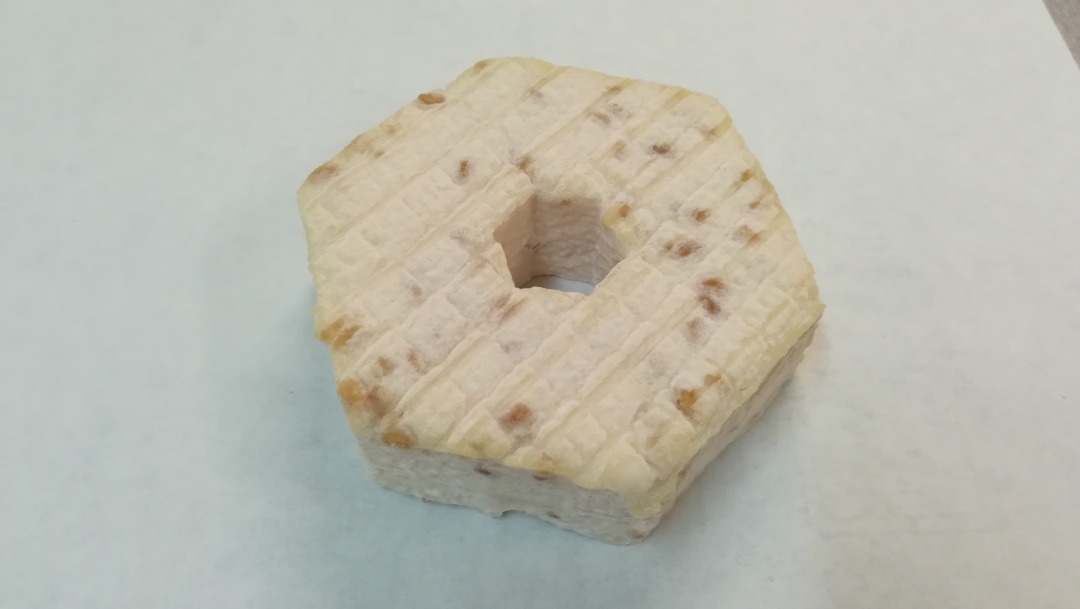
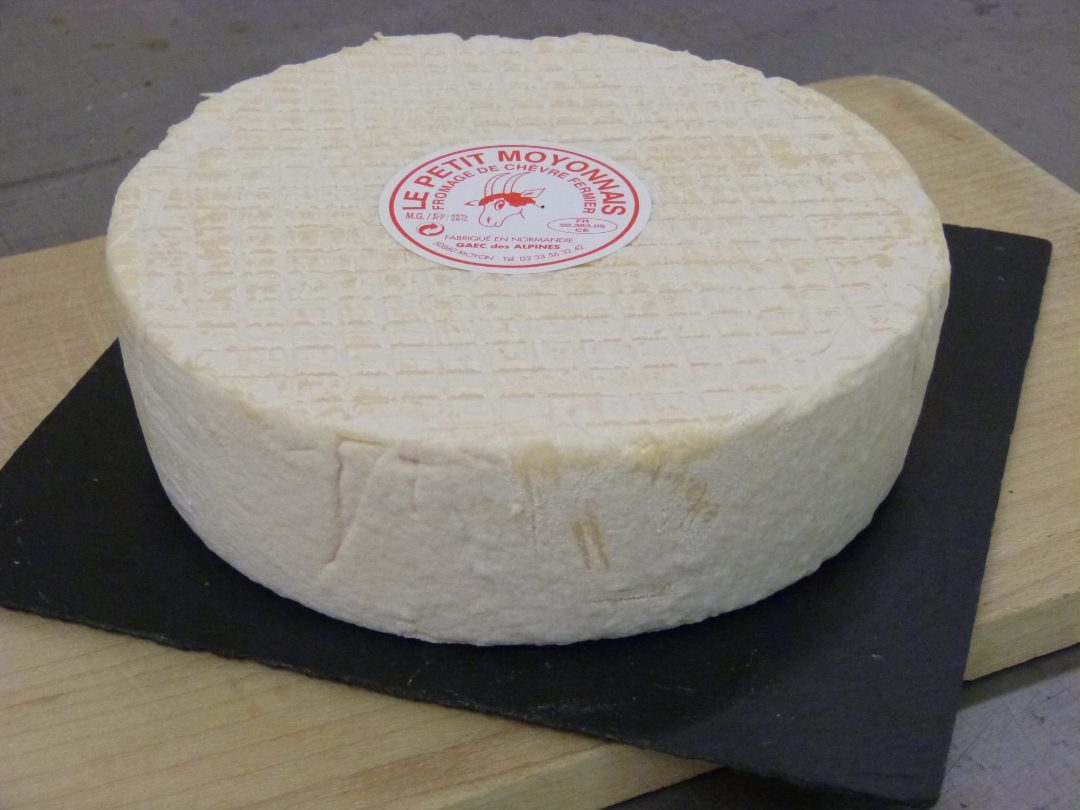
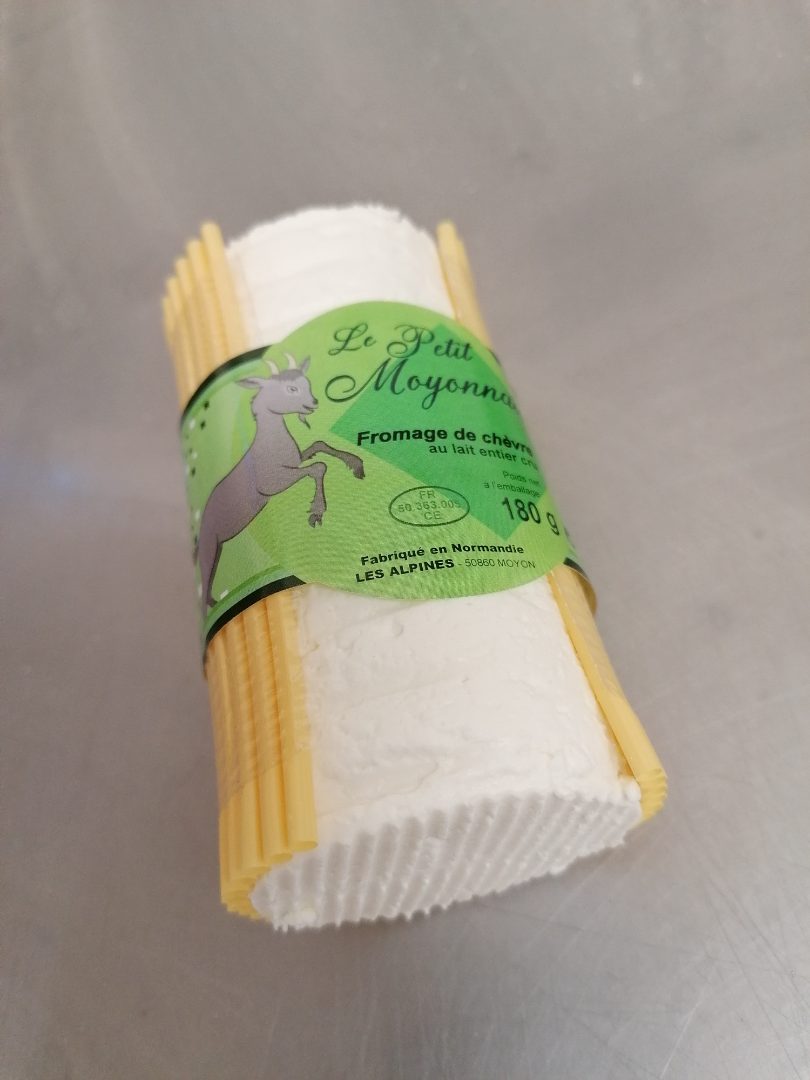
  • Model names or references Crottins des Alpines Tome of lactic goat cheese Le petit Moyonnais Cheese nut with fenugreek seeds Ash cheese nut Buche le petit Moyonnais
  • Identification of products
    Batch Date
    0710 to 0730 Date of minimum durability 30/08/2022
  • Products List product_to_recall_lot_0710_to_0730.pdf Attachment
  • Marketing start/end date From 15/07/2022 to 04/08/2022
  • Storage temperature Product to be stored in the refrigerator
  • Health mark50,363,005
  • Geographic area of ​​sale Whole France
  • Distributors cheese dairy traders – itinerant traders – traditional department of supermarkets

Practical information regarding the recall

  • Reason for recall Listeria
  • Risks incurred by the consumer Listeria monocytogenes (causative agent of listeriosis)

Norway – Outbreak of Salmonella in Norway probably linked to watermelon

Matportalen

The Institute of Public Health has discovered a national outbreak caused by the gastrointestinal bacterium monophasic Salmonella Typhimurium. So far, infection has been detected in 18 people. The Norwegian Food Safety Authority cooperates with the Norwegian Institute of Public Health and the Norwegian Veterinary Institute on the outbreak. The Norwegian Food Safety Authority is now working to trace the relevant watermelons.

– We consider it highly unlikely that melons associated with the outbreak are still on the market, says senior adviser Catherine Signe Svindland at the Norwegian Food Safety Authority.

According to the Norwegian Institute of Public Health, all 13 people who have been interviewed so far have eaten watermelon in the last few days before they fell ill. Most of the people fell ill in the period from the end of June to the middle of July 2022 and whole watermelon has a shelf life of 3-4 weeks.

– Melon grows on the ground in countries with a warm climate. There have previously been many outbreaks of salmonella from various types of melon. Bacteria grow very well in the melon flesh because melon has a neutral PH compared to other fruits, a lot of sugar and a high water content. If there is a wound through the skin, bacteria can enter the pulp, grow and become very numerous. Bacteria can also enter the pulp from the skin when you split the melon. If you buy ready-cut melon, feel free to ask the shop about their routines, says senior advisor Catherine Signe Svindland at the Norwegian Food Safety Authority.

The Norwegian Food Safety Authority has the following advice on safe handling of melons:

  • Do not use melons with damage to the skin that goes into the pulp.
  • Wash the melon well and dry it with paper before cutting it into pieces.
  • Wash your hands and equipment thoroughly with soap and water after handling melon.
  • Sliced ​​melon should be kept cool.

Read more at the Institute of Public Health: Outbreak of Salmonella in Norway probably linked to watermelon (fhi.no)

Read more at the Veterinary Institute: Outbreak of salmonella probably linked to watermelon (vetinst.no)

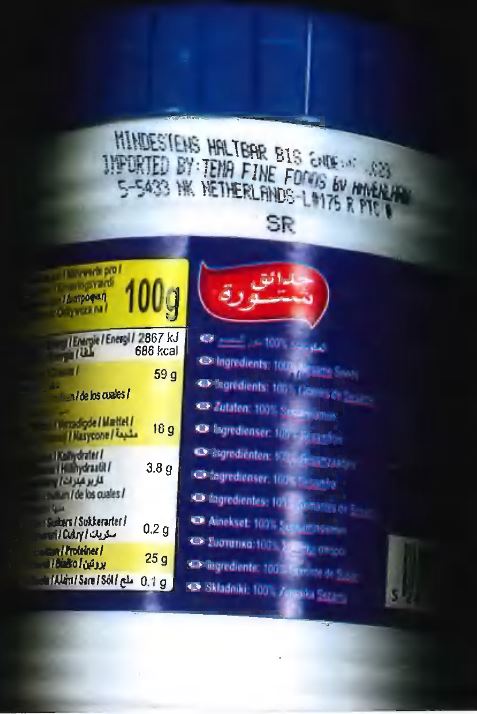
Germany – Chtoura Garden Ground Sesame Paste Tahina – Salmonella

LMW

Alert type: Food
Date of first publication: 08/11/2022
Product name:

Chtoura Garden Ground Sesame Paste Tahina

Product images:

Can in front.JPG

Packaging box.JPG

Banderole.JPG

Manufacturer (distributor):

Kaadan Alshalati Ahmad Feras August-Wilhelm-Kühnholz-Str. 8 26135 Oldenburg

Reason for warning:

Detection of Salmonella

Packaging Unit: Plastic screw-top jar
Durability: 06/2023
Lot identification: L#175 R PTC, SR
Further information:

Salmonella disease manifests itself within a few days after infection with diarrhoea, abdominal pain and occasionally vomiting and a slight fever. The symptoms usually subside on their own after a few days. Babies, small children, senior citizens and people with a weakened immune system in particular can develop more severe illnesses. Anyone who has eaten this food and develops severe or persistent symptoms should seek medical attention and report possible salmonella infection.

It makes no sense to seek preventive medical treatment without symptoms.

Further information on the pathogen can be found here: http://www.infection-protection.de/erregersteckbriefe/salmonellen

Click to access R%FCckruf+Chtoura+Garden+Sesame+Tahini+20220809.pdf