France – Tellines – Biotoxins – DSP

Gov france

Identification information of the recalled product

  • Product category Food
  • Product subcategory Fishing and aquaculture products
  • Product brand name Unbranded
  • Model names or references Tellines shipped from October 10 to 12, 2023
  • Product identification
    Lot
    42101000852 42101000711 72121000403
  • Products List 2023_10_13_-_FICHE_RETRAIT_RAPPEL.pdfAttachment
  • Start/end date of marketing From 10/10/2023 to 12/10/2023
  • Storage temperature Product to keep in the refrigerator
  • Health mark FR-29.158.500-CE
  • Geographical sales area Whole France
  • Distributors Grossistes – Pöissonniers – GMS

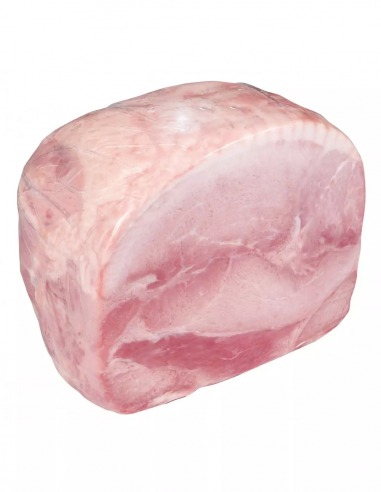
France – SUPERIOR COOKED HAM SKULLED WITH DEGREASED TOWEL sold at the traditional stand – Listeria monocytogenes

Gov france

  • Product category Food
  • Product subcategory Meats
  • Product brand name UNBRANDED
  • Model names or references SUPERIOR COOKED HAM SKULLED DEGREATED TOWEL
  • Product identification
    Batch Date
    01204715 Use-by date 11/11/2023
    01204715 Use-by date 06/11/2023
  • Packaging sold at the traditional stand
  • Start/end date of marketing From 09/30/2023 to 10/05/2023
  • Storage temperature Product to keep in the refrigerator
  • Further informationsold at the traditional stand
  • Geographical sales area Departments: NIEVRE (58)
  • Distributors crossroads

Research – Pathogen that plagues food processing plants eradicated by blue light – Listeria monocytogenes

News Wise

Newswise — Washington, D.C. – Blue light kills both dried cells and biofilms of the pathogen Listeria monocytogenes, a frequent contaminant of food processing facilities. Demise of L. monocytogenes occurred quickest when cells or biofilms were placed on polystyrene, a widely used, transparent form of plastic. The research is published in Applied and Environmental Microbiology, a journal of the American Society for Microbiology.

“These results contribute to advancing our understanding of the potential of blue light to treat inert surfaces contaminated with L. monocytogenes,” said corresponding author Francisco Diez-Gonzalez, Ph.D., Director and Professor, Center for Food Safety, University of Georgia. Although biofilms of pathogens are generally powerfully resistant to being exterminated, the results suggest that blue light could effectively destroy L. monocytogenes.

In the study, the investigators deposited liquid suspensions of mixtures of 5 strains of L. monocytogenes on small, sterile rectangular plates made of 6 different materials, including polystyrene, stainless steel and silicone rubber, which were then allowed to dry. The investigators also used similar plates to grow biofilms, which they also allowed to dry.

Then, they shined blue light onto the biofilms and onto the dried suspensions of cells on the plates to determine the most effective combinations of doses and wavelengths, as well as the most effective surfaces on which to extirpate the pathogens.

“The application of blue light for controlling microbial contamination has the potential to offer an additional technology that could complement existing methods for disinfecting surfaces in contact with foods,” said Diez-Gonzalez, noting that blue light has been used for disinfection in hospitals. As compared to ultraviolet light, blue light offers reduced risk for the user, he said.

A post-doc in Diez-Gonzalez’ laboratory, Fereidoun Forghani, Ph.D., kick-started the investigation when—searching for new ideas—he came across the use of blue light as a potential antimicrobial intervention to sanitize surfaces. Forghani built some blue light prototypes and produced the first preliminary results treating pure cultures of Listeria.

Research – Mitigation of Salmonella in Ground Pork Products through Gland Removal in Pork Trimmings

MDPI

Abstract

Bio-mapping studies conducted in pork harvest and fabrication facilities have indicated that Salmonella is prevalent and mitigations are needed to reduce the pathogen in trim and ground products. Salmonella can be isolated from the lymph nodes and can cause contamination in comminuted pork products. The objective of this study was to determine if physically removing topical and internal lymph nodes in pork products prior to grinding would result in the mitigation of Salmonella and a reduction in indicators in the final ground/comminuted products. In total, three treatment groups were assigned in a commercial pork processing facility as follows: (1) untreated control, (2) topical (surface) glands removed before grinding, and (3) topical, jowl, and internal lymph nodes and glands removed before grinding. Indicator microorganisms were determined using the BioMérieux TEMPO® system and the quantification of Salmonella was performed using the BAX® System Real-Time Salmonella SalQuant® methodology. The removal of lymph nodes located on the topical and internal surfaces and in the jowl significantly (p < 0.05) reduced the presence of Salmonella and also reduced the presence of indicator organisms according to this study. Briefly, 2.5-Log CFU/sample of Salmonella was initially observed in the trim samples, and the ground samples contained 3.8-Log CFU/sample of Salmonella. The total numbers were reduced to less than 1-Log CFU/sample in both trim and ground products. This study indicates a need for lymph node mitigation strategies beginning prior to harvest, in order to prevent contamination in further-processed pork products.

Research – Report highlights deadly botulism outbreak in France

CIDRAP

Yesterday in Eurosurveillance, investigators report on an outbreak of 15 cases of botulism poisoning, including 1 death, last month during the Rugby World Cup held in Bordeaux, France.

The authors present the clinical case descriptions of eight patient seen at the Bordeaux University Hospital, where the first patient treated in the outbreak was admitted to the intensive care unit (ICU) on September 6. That patient required mechanical ventilation and experienced a number of severe symptoms, including eye drooping, impaired swallowing, and oculomotor palsy—in which the affected eye does not track correctly.

“Because of the neurological symptoms, the patient was initially treated for Guillain–Barré syndrome, but botulism was also suspected,” the authors staid. Over the next 4 days, two more patients arrived at the hospital with similar neuro-ophthalmic symptoms and required ICU care.

Research – Annual report concerning Foodborne Diseases in New Zealand 2022

NZFS

Human health surveillance and its relationship to foodborne illness is essential for informing
the strategic direction that New Zealand Food Safety (NZFS) takes and regulatory measures
it puts in place to minimise foodborne illness in New Zealand and overseas consumers. The
annual ESR foodborne disease reports are critical, allowing NZFS to monitor trends in
foodborne illness in New Zealand by describing in a consistent manner evidence from case
notifications, case enquiries, outbreak investigations, and other epidemiological studies of
human enteric disease.
This report is the latest in a series providing a consistent source of data annually to monitor
trends in foodborne illness in New Zealand. The series can be found here.
When reading these reports, it is necessary to bear in mind that notified cases of illness
represent only a subset of all the cases that occur in New Zealand each year.
• Many sick individuals do not visit a GP or otherwise come to the attention of the
health system.
• Multiple factors (e.g., change in sensitivity of testing methods, proportion of human
faecal specimens being tested) affect the notification rates on top of any underlying
changes to disease incidence happening in New Zealand. Some cases notified in
New Zealand are due to exposure to a pathogen or toxin while they were overseas.
Most cases of foodborne diseases in New Zealand are sporadic, which makes attribution to a
source or event difficult. In contrast, outbreaks offer a better opportunity to identify the source
and most of the 271 outbreaks (253 cases) of potential foodborne disease in 2022 were
associated with commercial food operators and only five outbreaks in 2022 were associated
with food prepared in consumer’s homes. Despite robust investigation, some outbreaks
reported as “foodborne with an unidentified food source” could also be attributed to other
routes of transmission, such as water, animal contact, or person to person contact.
Listeriosis is perhaps the only disease fully attributable to consumption of contaminated food.
Campylobacteriosis, yersiniosis, infection by shiga toxin-producing E. coli (STEC), and
salmonellosis remain the predominant notified foodborne illnesses. Notification rates per
100,000 population are generally stable, being highest for very young children (0 to 4 years
age group) and for elderly people (70+ years)

Research – Characterization of the Bacterial Composition of 47 Fermented Foods in Sweden

MDPI

Abstract

Fermentation has long been utilized to preserve and enhance the flavor and nutritional value of foods. Recently, fermented foods have gained popularity, reaching new consumer groups due to perceived health benefits. However, the microbial composition of many fermented foods re-mains unknown. Here, we characterized the bacterial composition, diversity, and richness of 47 fermented foods available in Sweden, including kombucha, water kefir, milk kefir, yogurt, plant-based yogurt alternatives, kimchi, sauerkraut, and fermented vegetables. Via 16S rRNA gene sequencing, we identified 2497 bacteria (amplicon sequence variants). The bacterial composition was strongly associated with the type of fermented food, and lactic acid bacteria and/or acetic acid bacteria dominated most samples. However, each fermented food had a unique composition, with kombucha and water kefir having the highest diversity across and within samples. Few bacteria were abundant in multiple foods and food groups. These were Streptococcus thermophilus in yogurts and plant-based yoghurts; Lactococcus lactis in milk kefirs and one water kefir; and Lactiplantibacillus plantarum in kimchi, sauerkraut, and fermented cucumber. The broad range of fermented foods included in this study and their diverse bacterial communities warrant further investigation into the implications of microbial compositions for product traits and potential impact on human health.

Research – Shiga Toxin–Producing Escherichia coli and the Hemolytic–Uremic Syndrome

The New England Journal of Medicine

You need to create a free account to read this document.

Norway – Ringnes AS withdraws Hamar Lillehammer Christmas soda and Dahl’s Christmas soda – Mold/Mould

Matportalen

Christmas soda from Ringnes AS is withdrawn from the market due to a defective/leaking cap. There is a risk of mold developing in the products due to the introduction of oxygen.

About. 350,000 bottles of Christmas soda have been sold throughout the country, both to grocery stores, kiosks, petrol stations and catering establishments. 

The consumer can return the unopened product back to the store for compensation.

Contact:
Quality manager Anett Christensen, Ringnes AS, tel. 95 70 84 07 , e-mail: anett.christensen@ringnes.no

Research – Oregano Essential Oil versus Conventional Disinfectants against Salmonella Typhimurium and Escherichia coli O157:H7 Biofilms and Damage to Stainless-Steel Surfaces

MDPI

Abstract

This study compared the effect of oregano essential oil versus sodium hypochlorite, hydrogen peroxide, and benzalkonium chloride against the viability of adhered Salmonella Typhimurium and Escherichia coli O157:H7 on 304 stainless steel. Oregano essential oil was effective in disrupting the biofilms of both bacteria at concentrations ranging from 0.15 to 0.52 mg mL−1. In addition, damage to stainless-steel surfaces following disinfection treatments was assessed by weight loss analysis and via visual inspection using light microscopy. Compared to the other treatments, oregano oil caused the least damage to stainless steel (~0.001% weight loss), whereas sodium hypochlorite caused the most severe damage (0.00817% weight loss) when applied at 0.5 mg mL−1. Moreover, oregano oil also had an apparent protective impact on the stainless steel as weight losses were less than for the control surfaces (distilled water only). On the other hand, sodium hypochlorite caused the most severe damage to stainless steel (0.00817% weight loss). In conclusion, oregano oil eliminated monoculture biofilms of two important foodborne pathogens on 304 stainless-steel surfaces, while at the same time minimizing damage to the surfaces compared with conventional disinfectant treatments.