Archives
-
Join 347 other subscribers
KSWFoodWorld
Blog Stats
- 485,738 Views
Netherlands – Disease burden of food-related pathogens in the Netherlands, 2019
The burden of disease from foodborne pathogens in the Netherlands in 2019
Every year, RIVM investigates how many people become sick or die from 14 pathogens that can infect the stomach or intestines. This is termed the ‘burden of disease’ and it is expressed in DALYs (Disability Adjusted Life Years), an international measure for the number of healthy years of life that are lost to disease or because of people dying earlier than ‘normal’.
Not only can the 14 pathogens in question enter the human body via food (approximately 40% of infections), but also via the environment (for example, via surface water), animals and other people. The percentages of routes by which humans become infected vary depending on the pathogen concerned. The total number of DALYs these 14 pathogens caused in 2019 was the same as in 2018 and 2017 (11,000 DALYs). The burden of disease via food in 2019 was estimated at 4,200 and was slightly lower than in 2018 (4,300 DALYs).
The total cost of this burden of disease was estimated at EUR 423 million, which is lower than in 2018 (EUR 426 million). This cost of illness comprises direct medical costs and costs for patients and/or their fa milies, including travel expenses, and costs for other sectors, such as those due to absenteeism.
The cost of the burden of disease caused by infected food has risen slightly: EUR 174 million in 2019 compared to EUR 171 million in 2018. The difference in DALYs and costs are mainly due to the fact that the number of infections caused by some of the pathogens has changed. This is particularly the case with norovirus, rotavirus, and Cryptosporidium and Campylobacter spp.
RIVM was commissioned to carry out this study by the Ministry of Health, Welfare and Sport (VWS). The results will help to provide a better understanding of the burden of disease and exposure routes of foodborne infections among the Dutch population. They also show the developments over the years. Keywords: food-related disease, burden of disease, DALY, costs.
Posted in Uncategorized
Research – A Methodology for Classifying Root Causes of Outbreaks of Legionnaires’ Disease: Deficiencies in Environmental Control and Water Management

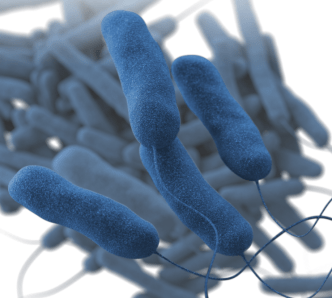
Image CDC
We piloted a methodology for collecting and interpreting root cause—or environmental deficiency (ED)—information from Legionnaires’ disease (LD) outbreak investigation reports. The methodology included a classification framework to assess common failures observed in the implementation of water management programs (WMPs). We reviewed reports from fourteen CDC-led investigations between 1 January 2015 and 21 June 2019 to identify EDs associated with outbreaks of LD. We developed an abstraction guide to standardize data collection from outbreak reports and define relevant parameters. We categorized each ED according to three criteria: ED type, WMP-deficiency type, and source of deficiency. We calculated the prevalence of EDs among facilities and explored differences between facilities with and without WMPs. A majority of EDs identified (81%) were classified as process failures. Facilities with WMPs (n = 8) had lower prevalence of EDs attributed to plumbed devices (9.1%) and infrastructure design (0%) than facilities without WMPs (n = 6; 33.3% and 24.2%, respectively). About three quarters (72%) of LD cases and 81% of the fatalities in our sample originated at facilities without a WMP. This report highlights the importance of WMPs in preventing and mitigating outbreaks of LD. Building water system process management is a primary obstacle toward limiting the root causes of LD outbreaks. Greater emphasis on the documentation, verification, validation, and continuous program review steps will be important in maximizing the effectiveness of WMPs. View Full-Text
Australia – Australian egg industry cracks down on Salmonella
The Australian egg industry has continued to work closely with authorities to respond to and eliminate the threat of Salmonella Enteritidis (SE) since its initial outbreak in September 2018.
Additional legislation was introduced in New South Wales in the form of a Biosecurity (Salmonella Enteritidis) Control Order to manage the risk of SE to consumers. It has been in effect since August 2019.
In its 2019–20 Annual Report, NSW Food Authority reported a reduction in compliance of the food safety program across the NSW egg industry as a result of increased regulatory controls placed on industry due to the introduction of the Biosecurity (Salmonella Enteritidis) Control Order.
USA – Legionnaires’ disease outbreak in Portland: 1 dead; 4 hospitalised
A bacterial pneumonia outbreak, known as Legionnaires’ disease has hit a Portland-based senior housing complex, leaving 1 dead and 4 hospitalized as more than 100 residents were evacuated from the housing complex.
A report released by the Multnomah County Health Department said that the outbreak is caused by contaminated water that has entered the Rosemont Court senior living complex. Health authorities further say that people that have increased risk, including senior members of the community, have a greater risk for Legionnaires disease, albeit being not contagious in nature.
Belgium – Watermelon Seeds, Roasted & Salted – Aflatoxin – Ochratoxin A
Following a notification via the RASFF system (European Food and Feed rapid alert system), the AFSCA withdraws from sale and recalls the following product to consumers: watermelon seeds “watermelon seeds, roasted & salted” of the brand Ciloglu due to a too high content of aflatoxin B1 and ochratoxin A.
The AFSCA asks not to consume this product and to bring it back to the point of sale where it was purchased.
Product Description:
• Product Category: Watermelon Seeds
• Product Name: watermelon seeds, roasted & salted
• Brand: Ciloglu
• Date of Minimum Durability (DDM)
: 09/28/2021
• Lot: NTX591477 • Weight: 200g
Ce product was sold through several points of sale in Belgium.
For any further information , you can contact the AFSCA contact point for consumers: 0800 / 13.550 or pointdecontact@afsca.be .
Posted in Aflatoxin, afsca, food contamination, Food Hygiene, Food Inspections, Food Micro Blog, Food Microbiology, Food Microbiology Blog, Food Microbiology Testing, Food Poisoning, food recall, Food Safety, Food Safety Alert, Food Testing, Food Toxin, microbial contamination, Microbiology, Mold Toxin, Mould Toxin, Mycotoxin, Ochratoxin
USA – Sushi related outbreak stumps health officials; more than 150 sickened
Public health officials in North Carolina have concluded their investigation of a foodborne illness outbreak linked to sushi, saying they were unable to determine the specific cause behind the illnesses of more than 150 people.
Only a handful of ill people who ate the suspect sushi sold at two Harris Teeter grocery stores agreed to provide samples for pathogen testing, according to the Cabarrus Health Alliance environmental health director. Officials also tested one sample of sushi.
All patient samples and the product specimen were tested for a broad range of pathogens in an attempt to identify the agent responsible for the illnesses.
Posted in food bourne outbreak, food contamination, food handler, Food Hygiene, Food Illness, Food Inspections, Food Micro Blog, Food Microbiology, Food Microbiology Blog, Food Microbiology Research, Food Microbiology Testing, Food Poisoning, food recall, Food Safety, Food Safety Alert, Food Temperature Abuse, Food Testing, Food Toxin, foodborne outbreak, foodbourne outbreak, outbreak, Research
RASFF Alerts – Aflatoxin – Peanut Butter – White Rice – Groundnut Kernels –
aflatoxins (B1 = 6.3; Tot. = 7.4) in peanut butter from India in Poland
aflatoxins (B1 = 3.0 / B1 = 3.1 / B1 = 2.2 µg/kg – ppb) in white rice from Pakistan in Spain
aflatoxins (B1 = 12; Tot. = 14 / B1 = 100; Tot. = 120 µg/kg – ppb) in organic groundnut kernels from Egypt in the Netherlands
aflatoxins (B1 = 6.4 µg/kg – ppb) in organic groundnut kernels from Egypt in the Netherlands
aflatoxins (B1 = 99; Tot. = 110 µg/kg – ppb) in organic groundnut kernels from Egypt in the Netherlands
aflatoxins (B1 = 23; Tot. = 27 / B1 = 73; Tot. = 85 µg/kg – ppb) in organic groundnut kernels from Egypt in the Netherlands
Posted in Aflatoxin, food contamination, Food Hygiene, Food Inspections, Food Micro Blog, Food Microbiology, Food Microbiology Blog, Food Microbiology Testing, Food Poisoning, food recall, Food Safety, Food Safety Alert, Food Temperature Abuse, Food Testing, Food Toxin, Mold Toxin, Mould Toxin, Mycotoxin, RASFF, Toxin
RASFF Alert – Listeria monocytogenes – Goat Cheese
Posted in food contamination, Food Hygiene, Food Inspections, Food Micro Blog, Food Microbiology, Food Microbiology Blog, Food Microbiology Testing, Food Pathogen, food recall, Food Safety, Food Safety Alert, Food Testing, Listeria, Listeria monocytogenes, microbial contamination, Microbiology, RASFF
RASFF Alert – Ochratxin A – Organic Liquorice Root

ochratoxin A (91 µg/kg – ppb) in organic licorice root powder from unknown origin, via the Netherlands and via Denmark in Finland
RASFF Alert – Mycotoxin – DON – Popcorn
Posted in deoxynivalenol, DON, food contamination, Food Hygiene, Food Inspections, Food Micro Blog, Food Microbiology, Food Microbiology Blog, Food Microbiology Testing, Food Poisoning, food recall, Food Safety, Food Safety Alert, Food Temperature Abuse, Food Testing, Food Toxin, Fusarium Toxin, Mold Toxin, Mould Toxin, Mycotoxin, RASFF, Toxin
