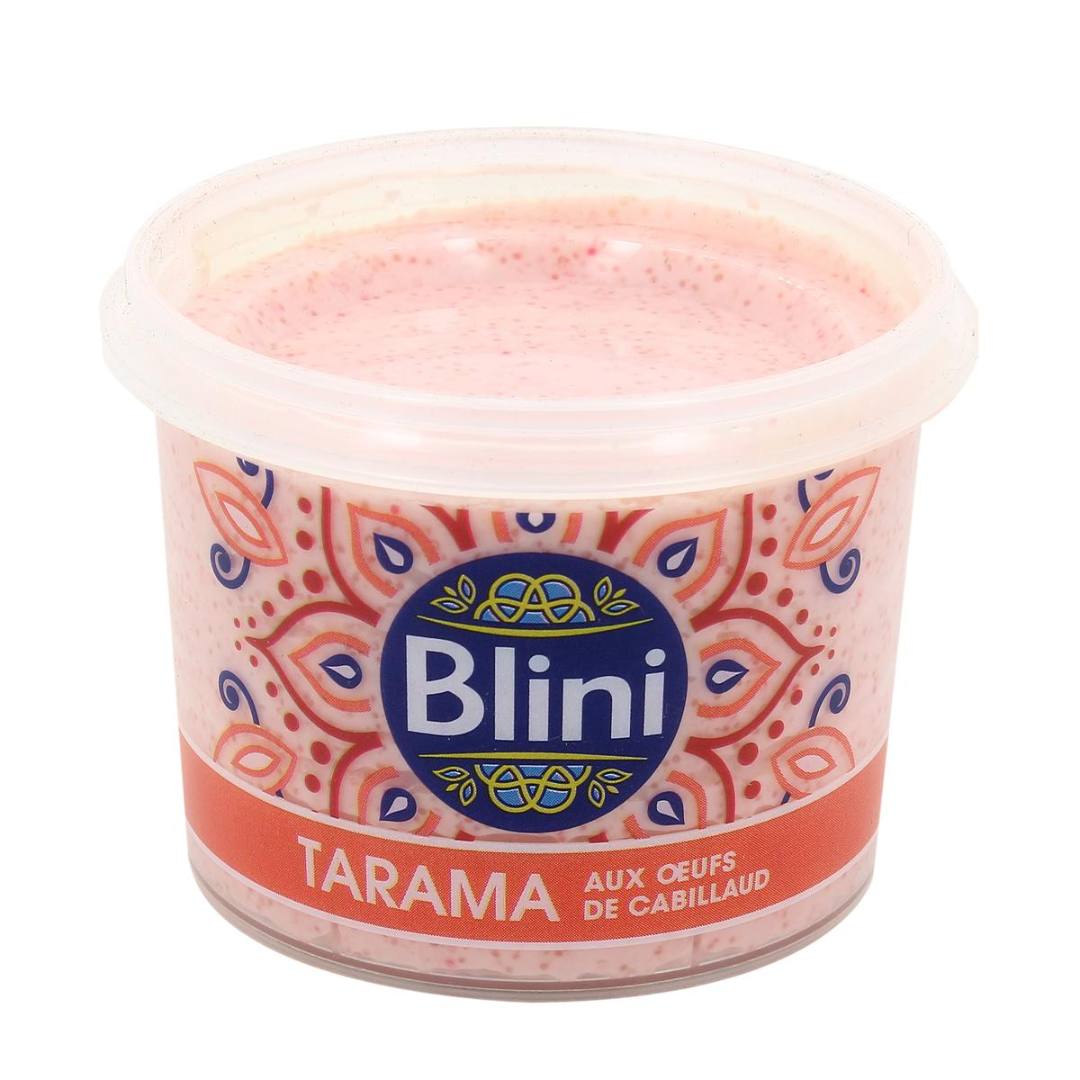
France – Tarama crab – E.coli

Gov france

Identifying information for the recalled product

  • Product category Food
  • Product sub-category Prepared meals and snacks
  • Product brand name Blini Workshop
  • Names of models or references Tarama crab offer of the moment
  • Product identification
    GTIN Lot Dated
    3292070009503 09214061 Use-by date 01/17/2022
  • Products List Small_store _-_ Taramas_24122021.pdf Attachment
  • Packaging180gr
  • Start date / End of marketing Since 12/24/2021
  • Storage temperature Product to be stored in the refrigerator
  • Health mark FR 14.712.042 CE
  • Geographical sales area Whole France
  • Distributors Auchan Intermarché Carrefour Leclerc

Practical information regarding the recall

  • Reason for recall Potential presence of Escherichia coli
  • Risks incurred by the consumer Escherichia coli

France – Tarama – E.coli

Gov france

Identifying information for the recalled product

  • Product category Food
  • Product sub-category Prepared meals and snacks
  • Product brand name Blini
  • Names of models or references Tarama
  • Product identification
    GTIN Lot Dated
    3292070000029 04214061 Use-by date 01/17/2022
  • Products List Small_store _-_ Taramas_24122021.pdf Attachment
  • Packaging100gr
  • Start date / End of marketing From 12/24/2021 to 01/17/2022
  • Storage temperature Product to be stored in the refrigerator
  • Health mark FR 14.712.042 CE
  • Geographical sales area Whole France
  • Distributors Carrefour Leclerc Intermarché

Practical information regarding the recall

  • Reason for recall Potential presence of Escherichia coli
  • Risks incurred by the consumer Escherichia coli

Denmark – Major outbreak of E. coli is probably due to spring onions in ready-to-eat cabbage salad

SSI

The Statens Serum Institut (SSI) has seen an increase in the number of registered patients due to a special Escherichia coli (EIEC) in Denmark since 23 November 2021. The investigation shows that the source of infection is probably spring onions used in ready-to-eat cabbage salads, which are sold in three different retail chains.

Last edited December 27, 2021
Since mid-December, SSI, in collaboration with the Danish Veterinary and Food Administration, the DTU Food Institute and the clinical microbiological departments at the country’s hospitals, has been investigating the disease outbreak. From 23 November to 17 December 2021, 68 infections have been registered; 43 women and 25 men aged 1-91 years, and 20 people have been admitted to the hospital. The sick live throughout the country, except for the North Jutland region.

“This disease outbreak is unusual and extensive with 68 cases in three weeks. EIEC is a bacterium that usually affects travelers who have been to countries outside of Europe. When we saw a sudden increase in EIEC infection in Denmark, we were aware that there must be infection via a food ”
Epidemiologist Luise Müller from SSI

Ready-to-eat cabbage salad with spring onions

Interviews of patients have shown that several had eaten ready-made cabbage salads, and studies of purchasing data showed that the cabbage salads were purchased in the period from 15 to 30 November. Further investigation and tracing is still underway to uncover how the salads have been contaminated with the coli bacterium. For the time being, this indicates that the pollution has occurred at a subcontractor abroad.

The salads have been sold in i.a. REMA1000, COOP and Menu stores. They have a short shelf life of six days, and therefore there is no current risk with the cabbage salads that are on the shelves now.

Infects through food

EIEC is an intestinal bacterium that, like salmonella and campylobacter, typically spreads through food. Symptoms of an EIEC infection are acute stomach infection with diarrhea, general malaise, abdominal pain, possibly nausea, vomiting, and / or fever. The infection usually goes away on its own. Severe infections can manifest as dysentery (ie stool with blood, mucus and pus, fever and affected general condition).

What should you do if you have eaten that coleslaw?

If you have not had symptoms of an EIEC infection, or if you have had symptoms that have gone away on their own, do not do anything. In case of persistent symptoms or doubts, you can contact your own doctor.

Read more

Read more about E. coli infection
Read more about the EIEC outbreak

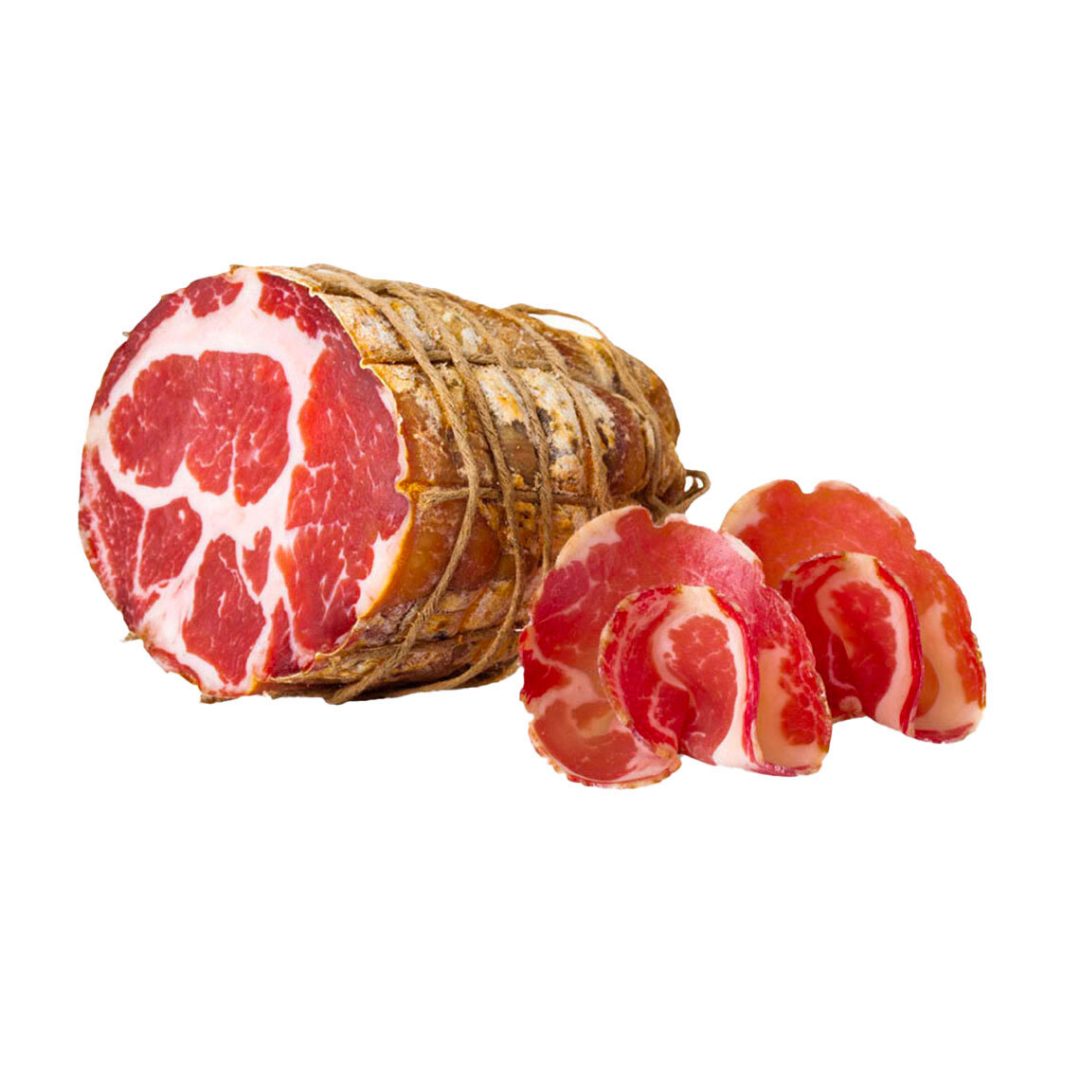
France – Coppa sold in slices in the Coupe department – Listeria monocytogenes

Gov france

Identifying information for the recalled product

  • Product category Food
  • Product sub-category Others
  • Product brand name Unbranded
  • Names of models or references Coppa Montorsi sliced ​​on request.
  • Product identification
    GTIN Lot
    0208465000000 Coppa sold in the cold cuts section from 11/09/21 to 11/28/21
  • Packaging Sold in slices in the cut section
  • Start date / End of marketing From 11/09/2021 to 11/28/2021
  • Storage temperature Product to be stored in the refrigerator
  • Geographical sales area And Leclerc de Ribérac
  • Distributors SAS SORIDIS Center E.Leclerc

Practical information regarding the recall

  • Reason for recall Presence of Listeria monocytogenes <10 cfu / g
  • Risks incurred by the consumer Listeria monocytogenes (causative agent of listeriosis)

Research – Assessment of Food and Waterborne Viral Outbreaks by Using Field Epidemiologic, Modern Laboratory and Statistical Methods—Lessons Learnt from Seven Major Norovirus Outbreaks in Finland

MDPI

Food Borne Illness - Norovirus -CDC Photo

Seven major food- and waterborne norovirus outbreaks in Western Finland during 2014–2018 were re-analysed. The aim was to assess the effectiveness of outbreak investigation tools and evaluate the Kaplan criteria. We summarised epidemiological and microbiological findings from seven outbreaks. To evaluate the Kaplan criteria, a one-stage meta-analysis of data from seven cohort studies was performed. The case was defined as a person attending an implicated function with diarrhoea, vomiting or two other symptoms. Altogether, 22% (386/1794) of persons met the case definition. Overall adjusted, 73% of norovirus patients were vomiting, the mean incubation period was 44 h (4 h to 4 days) and the median duration of illness was 46 h. As vomiting was a more common symptom in children (96%, 143/149) and diarrhoea among the elderly (92%, 24/26), symptom and age presentation should drive hypothesis formulation. The Kaplan criteria were useful in initial outbreak assessments prior to faecal results. Rapid food control inspections enabled evidence-based, public-health-driven risk assessments. This led to probability-based vehicle identification and aided in resolving the outbreak event mechanism rather than implementing potentially ineffective, large-scale public health actions such as the withdrawal of extensive food lots. Asymptomatic food handlers should be ideally withdrawn from high-risk work for five days instead of the current two days. Food and environmental samples often remain negative with norovirus, highlighting the importance of research collaborations. Electronic questionnaire and open-source novel statistical programmes provided time and resource savings. The public health approach proved useful within the environmental health area with shoe leather field epidemiology, combined with statistical analysis and mathematical reasoning.

Only Post Today!

Hope you enjoyed yesterday and may the hangover be short lived. 🙂

Only Post Today !

Enjoy you Christmas meal, time with family and friends and hopefully lots of nice presents 🙂


RASFF Alert- Pseudomonas aeruginosa – Natural Mineral Water

RASFF

Presence of Pseudomonas aeruginosa in Alcalia Natural Mineral Water from Bulgaria in Ireland and Poland

RASFF Alert – Mold/Mould – Gluten Free Bread – Strawberry Jam

RASFF

Mould in gluten-free bread from Germany in Denmark

RASFF

Mould infestation in strawberry jam from Austria in Croatia, Hungary, Germany, Italy, Romania and Russia

Research – Salmonella Serotypes Associated with Illnesses after Thanksgiving Holiday, United States, 1998–2018

CDC

Abstract

We sought to determine which Salmonella serotypes cause illness related to the Thanksgiving holiday in the United States and to foods disproportionately eaten then (e.g., turkey). Using routine surveillance for 1998–2018 and a case-crossover design, we found serotype Reading to be most strongly associated with Thanksgiving.

Thanksgiving, celebrated annually in the United States on the fourth Thursday of November, often brings together family and friends who eat specific traditional foods, such as mashed potatoes, cranberry sauce, and pumpkin pie; the most prominent food eaten is turkey (1). In 2017, ≈45 million turkeys were produced for Thanksgiving, ≈18% of annual production (2). Turkey is popular across regions, races, sexes, and generations; 88% of persons in the United States report eating turkey during their Thanksgiving meal (1,3,4).

Foodborne Salmonella infections cause substantial illness and death in the United States: an estimated 1 million cases, 20,000 hospitalizations, and 400 deaths occur annually (5). Typical illness consists of diarrhea, fever, and abdominal pain lasting 3–7 days; only a minority of persons seek health care. Incubation typically ranges from 6 hours to 6 days (5). Salmonella outbreaks caused by serotypes Hadar and Saint Paul have been most commonly attributed to turkey, and serotypes Enteritidis, Heidelberg, and Typhimurium have been frequent causes of turkey-associated outbreaks (6). During 2015‒2020, Reading and Hadar were the serotypes most often isolated from turkeys (7); less is known about which serotypes cause turkey-associated sporadic Salmonella infections. We aimed to determine which Salmonella serotypes cause sporadic enteric infections after the Thanksgiving holiday and are most likely related to foods disproportionately eaten then, particularly turkey.