Category Archives: Uncategorized

Research – Inhibitory Effect of Lactic Acid Bacteria on Foodborne Pathogens: A Review

Journal of Food Protection

Foodborne pathogens are serious challenges to food safety and public health worldwide. Fermentation is one of many methods that may be used to inactivate and control foodborne pathogens. Many studies have reported that lactic acid bacteria (LAB) can have significant antimicrobial effects. The current review mainly focuses on the antimicrobial activity of LAB, the mechanisms of this activity, competitive growth models, and application of LAB for inhibition of foodborne pathogens.

Research – Survival of Salmonella enterica and Escherichia coli O157:H7 Sprayed onto the Foliage of Field-Grown Cabbage Plants

Journal of Food Protection

To reduce the number of cabbage pathogen outbreaks, it is essential to understand the fate of enteric pathogens that contaminate plants in the field. To assist in that effort, two independent trials were conducted with a red cultivar (cv. Red Dynasty) and a green cultivar (cv. Bravo F1) of field-grown cabbage (Brassica oleracea var. capitata). In the first trial, plants with small heads were sprayed with an inoculum containing both attenuated Salmonella enterica Typhimurium and Escherichia coli O157:H7 (5.0 log CFU/mL). Initial pathogen levels (ca. 3.9 log CFU per head), determined through plate count enumeration (limit of detection was 1.3 log CFU/g), dropped precipitously such that 2 days later, they could not be detected by enrichment culture in 22 to 35% of the heads. However, subsequent declines were at a slower rate; no differences were observed between red and green cabbage heads (P > 0.05), and heads were still positive for the pathogens 22 days after being sprayed with the inoculum. As a result, the logistic model revealed that for every 2 days contaminated cabbage heads remained in the field, the probability of finding a positive sample decreased by a factor of 1.1 (95% confidence interval from 1.0 to 1.2, P = 0.0022) and 1.2 (95% confidence interval from 1.0 to 1.4, P ≤ 0.0001) for Salmonella and E. coli O157:H7, respectively. In the second trial occurring 2 weeks later, plants with medium red or green cabbage heads were sprayed with an inoculum at a dose of 3.5 log CFU/mL. A similar decay in prevalence over time occurred for green cabbage as in trial 1; however, pathogen decline in red cabbage was less in trial 2 than in trial 1. The extended persistence of pathogens in cabbage heads exhibited in both trials infers that harvest of contaminated cabbage destined for raw consumption is risky. Additional field studies are necessary to determine whether similar pathogen fates occur in other regions or climates and to clarify the effect of the maturity of red cabbage on pathogen inactivation.

Research – Overview of Leafy Greens–Related Food Safety Incidents with a California Link: 1996 to 2016

Journal of Food Protection Eurofins Food Testing UK

An increase in the number of foodborne illness outbreaks associated with produce has been noted in the literature, and leafy greens have been the most common produce category associated with these outbreaks. California is the largest leafy greens producer in the United States, and many related foodborne illness incidents were traced to this state. A systematic overview of leafy greens incidents linked to California was conducted by the California Department of Public Health, Food and Drug Branch through analysis of complaints, routine surveillance sampling, disease outbreaks, and investigations covering 1996 to 2016. The goal was to develop a risk assessment tool to modernize emergency response efforts to foodborne illnesses related to leafy greens. A database including environmental, epidemiologic, and laboratory information for each incident was developed, and descriptive analysis was performed to identify trends. In the 21-year period analyzed, 134 incidents were identified, the majority of which were surveillance related. Approximately 2,240 U.S. cases of confirmed illness were reported (298 California cases resulting in 50 hospitalizations). Romaine lettuce and spinach were the most commonly implicated vehicles. The most prevalent hazard type was microbiological, in particular bacterial, specifically associated with pathogenic strains of Escherichia coli. In California, the overview provided the Food and Drug Branch with a platform to (i) enhance its Food Safety Program, Emergency Response Unit, and California Food Emergency Response Team; (ii) assist in more efficient investigation, response, control, and prevention of California-linked foodborne illness incidents; and (iii) identify knowledge gaps and develop effective definitions, procedures, training, guidelines, and policies that will be used to help prevent future outbreaks. Outcomes provide insight into the situation in the largest leafy greens–producing state and may be used to prioritize limited national food safety resources and aid in future leafy greens–related research and foodborne incident investigations.

Research – Here’s why you really shouldn’t use your phone on the toilet

Sports Yahoo

Germs, germs, germs

For a start the bathroom is a hotbed of germs, which can easily be collected on your digi friend.

Initial Washroom Hygiene swabbed smartphones and found that average reading across all the mobile phones was 1479.

Just to give you an idea of how germ-y this is, a reading of over 500 units from an object indicates a high level of contamination, 200-500 is the normal range, and under 200 is low.

“Our phones are a common reservoir for potentially harmful pathogens and bacteria, and we know that people are prone to using them while visiting the washroom,” explains Dr Colm Moore area technical manager for Initial Washroom Hygiene.

“This is especially alarming when you consider that up to 80% of all infections are transmitted by touch. So when people use their phones and put it in close proximity to their mouths when on calls, they are potentially increasing the likelihood of picking up an illness.”

While many of the pathogens found on phones can be harmless, some can lead to some pretty nasty health ailments.

USA – FDA Investigated a Multistate Outbreak of Salmonella Concord Linked to Tahini Produced by Achdut Ltd. is over.

FDA

Update: February 27, 2019

The United States Food and Drug Administration, along with the Centers for Disease Control and Prevention (CDC), and state and local partners, investigated a multistate outbreak of Salmonella Concord illnesses linked to tahini imported from an Israeli manufacturer, Achdut Ltd., located in Ari’el, Israel.

As of February 27, 2019, there are eight illnesses associated with tahini products from Achdut Ltd. The CDC has announced that this outbreak appears to be over.

Recommendation

The FDA is advising consumers not to eat recalled Achva, Achdut, Soom, S&F, and Pepperwood brand tahini and Soom brand Chocolate Sweet Tahini Halva Spread (lot code 071318CH) with expiration dates ranging from April 7, 2020 to May 21, 2020 and Baron’s brand tahini with the expiration date of May 5, 2021. The product lot codes range from 18-097 to 18-141. Consumers should discard the product or return the product to the store for a refund.

Some brands of tahini manufactured by Achdut Ltd. may lack specific dates or may have labels that are written in Hebrew. Consumers who have purchased a tahini product and are uncertain of where the product was manufactured or cannot identify the brand by lot codes or expiration dates should discard the product or return the food to the store for a refund. More product information and pictures of the recalled product labels can be found in Achdut ‘s recall announcement. View Soom Foods’ recall announcement.

Retailers and restaurants should not use any of the recalled tahini manufactured by Achdut Ltd. at their establishments. Retailers and restaurants should throw the product out.

Firms that may have used the recalled tahini (either repacked or used as an ingredient in a food without a kill step) should consider recalling their products. Recalls should be reported to your local FDA office. A list of recall coordinators can be found in the firm’s recall announcement.

Canada – Food Recall Warning – Boffo’s brand Applewood Smoked Rainbow Trout recalled due to potential presence of dangerous bacteria – Clostridium botulinum

CFIA

cdc clost spore

Image CDC

Recall details

Ottawa, February 27, 2019 – Boffo’s is recalling Boffo’s brand Applewood Smoked Rainbow Trout from the marketplace because it may permit the growth of Clostridium botulinum. Consumers should not consume the recalled product described below.

Recalled products

Brand Name Common Name Size Code(s) on Product UPC
Boffo’s Applewood Smoked Rainbow Trout Variable All products sold up to and including February 27, 2019 None

USA – KFC Worker in Eaton, Ohio Diagnosed with Hepatitis A

Food Poisoning Bulletin Virusds

The Preble County Public Health Department has released a notice stating that an employee at the KFC restaurant at 1200 North Barron Street in Eaton, Ohio, has been diagnosed with hepatitis A. The government says that anyone who ate there from February 9, 2019 through February 20, 2019 may have been exposed to the virus, although the risk of developing hepatitis A from this exposure is very low.

Ireland – Recall of Less is Best Premium Turkey Breast Due to the Presence of Listeria monocytogenes

FSAI

Summary
Category 1: For Action
Alert Notification: 2019.11
Product: Less is Best Premium Turkey Breast; pack size: 120g.
Batch Code: 100212; ‘use-by’ date 28.02.2019.
Country Of Origin: Ireland

Message:

Divilly’s Ltd is recalling the above batch of its Less is Best Premium Turkey Breast due to the presence of Listeria monocytogenes.

Divilly's Turkey Breast

New Zealand – Shellfish biotoxin alerts – DSP – PSP

MPI

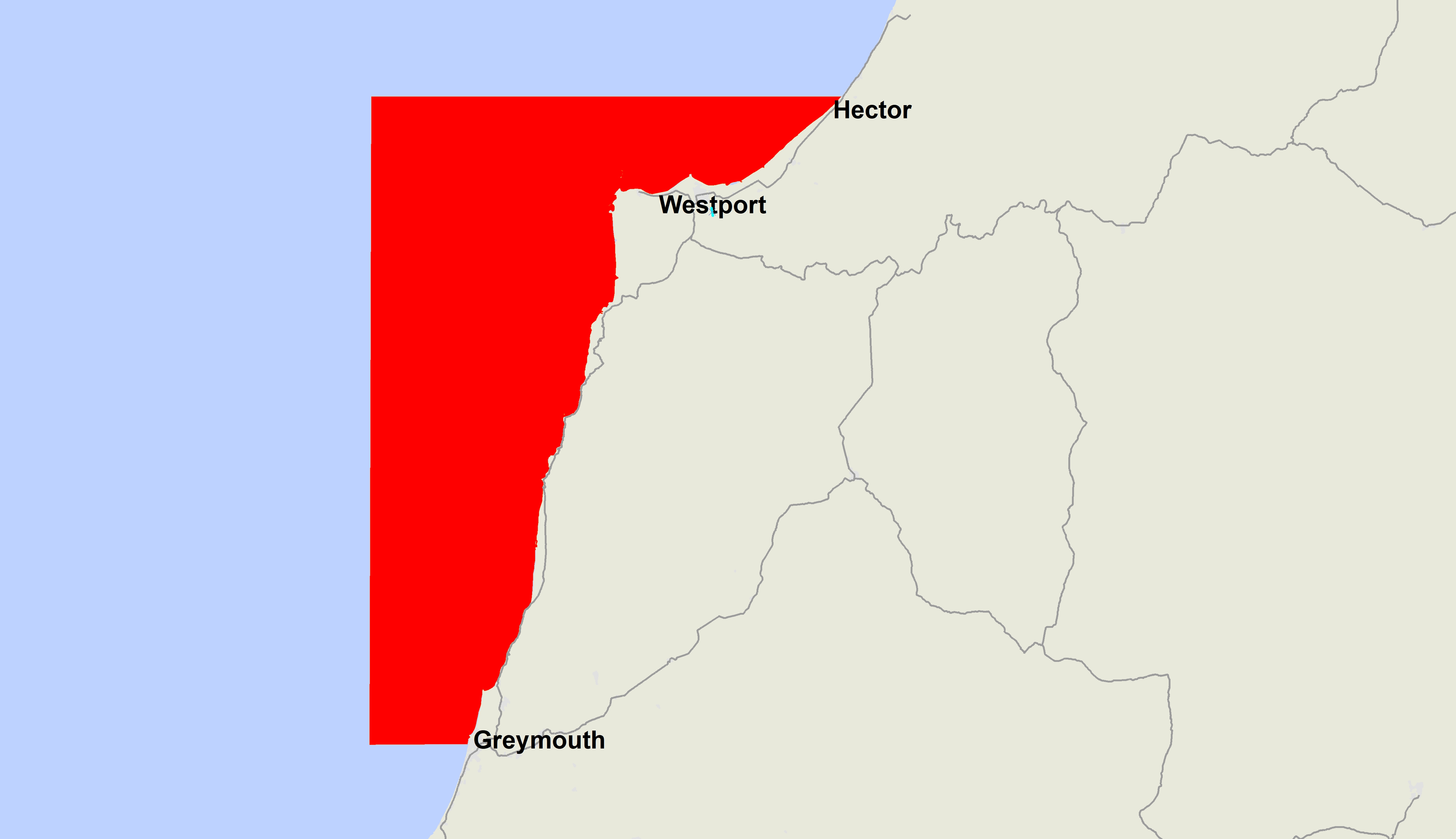
The Ministry for Primary Industries (MPI) today extended the public health warning advising the public not to collect or consume shellfish harvested from the South Island West Coast between Greymouth and Hector.

Routine tests on shellfish samples taken from this region has shown levels of Diarrhetic Shellfish Toxins above the safe limit of 0.16 mg/kg set by MPI.  Anyone eating shellfish from this area is potentially at risk of illness.

Map highlighting in red the areas affected.

MPI

The Ministry for Primary Industries (MPI) today issued a public health warning against collecting shellfish in the Pelorus Sound, excluding the upper Kenepuru Sound. The warning extends outwards to a line from Paparoa Point to Culdaff Point.

Routine tests on shellfish samples taken from this region have shown levels of paralytic shellfish poisoning (PSP) toxins above the safe limit of 0.8 mg/kg set by MPI. Anyone eating shellfish from this area is potentially at risk of illness.

Map highlighting in red the areas affected.

RASFF Alerts – Salmonella – Chicken Drumsticks – Chicken Broiler Wings – Cheese – Hazlenuts -Chicken Broiler Thighs – Chilled Chicken Meat MSM – Sesame Seeds – Black Pepper – Frozen Beef Kebab – Whitish Sesame Seeds – Clams – Sesame Paste – Minced Meat

RASFF-Logo

RASFF – Salmonella enterica ser. Enteritidis (in 4 out of 5 samples /25g) in frozen chicken drumsticks from Poland in Croatia

RASFF – Salmonella enterica ser. Infantis (in 4 out of 5 samples /25g) in chilled chicken broiler wings from Poland in Lithuania

RASFF – Salmonella (presence /25g) in cheese from Belgium in Belgium

RASFF – Salmonella (presence /25g) in organic hazelnuts from Turkey in the UK

RASFF – Salmonella enterica ser. Livingstone (presence /25g) in fresh chicken broiler thighs from Poland in Lithuania

RASFF – Salmonella enterica ser. Typhimurium (present /25g) in chilled chicken meat (MSM) from Germany in the Netherlands

RASFF – Salmonella (presence /25g) in sesame seeds from Sudan, via Bulgaria in the Netherlands

RASFF – Salmonella enterica ser. Typhimurium (presence /25g) in chilled chicken from the Netherlands in the Netherlands

RASFF – Salmonella enterica ser. Enteritidis (present /25g) in frozen chicken legs from Poland in the Czech Republic

RASFF – Salmonella (presence /25g) in sesame seeds from Nigeria in Poland

RASFF – Salmonella enterica ser. Gaminara (present /25g), Salmonella enterica ser. Minnesota (present /25g), Salmonella enterica ser. Saphra (present /25g) and Salmonella enterica ser. Schwarzengrund (present /25g) in black pepper from Brazil in Germany

RASFF – Salmonella (in 1 out of 5 samples /25g) in whitish sesame seeds from Sudan in Greece

RASFF – Salmonella enterica ser. Enteritidis (presence /25g) in frozen beef kebab from Poland in Croatia

RASFF – Salmonella (in 1 out of 5 samples /25g) in whitish sesame seeds from Sudan in Greece

RASFF – Salmonella enterica ser. Enteritidis (in 1 out of 5 samples /25g) in whitish sesame seeds from Sudan in Greece

RASFF – Salmonella (in one out of five units) in whitish sesame seeds from Sudan in Greece

RASFF – Salmonella (present /25g) in black pepper from Brazil in the UK

RASFF – Salmonella enterica ser. Infantis (presence /25g) in chicken legs from Poland in Lithuania

RASFF – Salmonella (presence /25g) in clams (venerupis decussata) from Italy in Italy

RASFF – Salmonella (presence /25g) in sesame paste from Lebanon, via the Netherlands in Germany

RASFF – Salmonella enterica ser. Typhimurium (in 5 out 5 samples /25g) in minced meat from Germany, via the Netherlands and packaged in Denmark in Finland