Category Archives: Uncategorized

Canada – Certain Pacific Oysters may be unsafe due to a marine biotoxin which causes Paralytic Shellfish Poisoning

CFIA

Recall details

Ottawa, July 19, 2019 – Industry is recalling certain Pacific oysters from the marketplace due to a marine biotoxin which causes Paralytic Shellfish Poisoning. Consumers should not consume the recalled products described below.

Recalled products

Brand Name Common Name Size Code(s) on Product Additional Info
Union Bay Seafood Ltd. Pacific oysters, Mica’s Petite Effingham Inlet 5 dozen Location: BC 23-6
Landfile: 1403799
Lot: 20190715NW
Harvest Date:14 July 2019
Union Bay Seafood Ltd. Pacific oysters Effingham Inlet Xs 5 dozen Location: BC 23-6
Landfile: 1403799
Lot: 20190715NW
Harvest Date:14 July 2019
Intercity Packers Ltd. Oyster N/Shell Effingham XSM 5 dozen Harvest Location: BC 23-6
LF#: 1403799
P.O. No.: 114994
Harvest Date:7/14/2019

Research – Number of foodborne illnesses associated with outbreaks in tomatoes decreased since 2001

FreshPlaza

About 48 million episodes of foodborne illness and 3,000 deaths occur per year in the United States. The most common foodborne pathogens cause an estimated annual burden of $14 billion to $36 billion. Produce has been implicated in 46 percent of foodborne illness outbreaks. Tomatoes have been the source of a number of foodborne illness outbreaks since 1998, but the annual number of foodborne illnesses associated with outbreaks in tomatoes has generally decreased since their high of nearly 900 in 2001. Ten outbreaks have caused more than 100 illnesses, while 2 were associated with deaths of individuals. In 2005 and 2006, multistate outbreaks of salmonella in tomatoes sickened 487 individuals.

Research – Reducing pathogenic bacteria during slaughtering and processing

Poultry World

Reducing rates of foodborne outbreaks in humans caused by salmonella and campylobacter continues to be a major task across the globe.

Figures from 2016 showed there were more than 356,000 cases of human zoonoses reported across the European Union with Campylobacteriosis (246,307) and Salmonellosis (94,530) by far the most predominant.

Earlier this month, Ireland reported its highest annual level of campylobacteriosiswith 3,030 cases – an increase of 8.7% compared with 2,786 patients in 2017. The highest rates of notification was in the 0-4 year age group.

Similary, in Holland the incidence of campylobacteriosis increased from 33 cases per 1,000 inhabitants in 2017 to 35 last year, with the country reporting 71,000 cases in 2018.

But now Norwegian firm DECON SFS believes it has manufactured a decontamination unit that can remove more than 99% of pathogenic bacteria during poultry meat slaughtering and processing.

And the results have been so successful that the company has garnered backing from the European Commission’s Horizon 2020 fund through grant support totalling €50,000.

Research – Effects of metal oxide nanoparticles with plant extract on viability of foodborne pathogens

Wiley Online

Abstract

The present study tested the antibacterial activity, expressed as minimum bactericidal concentration (MBC), of zinc oxide nanoparticles (ZnO‐NPs), copper oxide nanoparticles (CuO‐NPs) and their combination with or without rosemary, clove or cinnamon extract against Escherichia coli O157:H7 and Listeria monocytogenes. The NPs were characterized by scanning electron microscopy. The sizes of ZnO‐NPs and CuO‐NPs were in the range of 56–71 and 171–204 nm, respectively. Results showed that ZnO‐NPs had a greater inhibitory effect against both E. coli O157:H7 and L. monocytogenes than CuO‐NPs. The MBC of ZnO‐NPs against E. coli O157:H7 and L. monocytogenes was 300 and 350 μg/mL, respectively, while the MBC of CuO‐NPs was >1,000 and 400 μg/mL, respectively. When combined, ZnO‐NPs and CuO‐NPs had additional inhibitory effects against L. monocytogenes, but not against E. coli O157:H7. In general, the antibacterial activity of the NPs against E. coli O157:H7 and L. monocytogenes was enhanced by rosemary or cinnamon extract. Incorporation of clove extract into the NPs improved the antibacterial effect against E. coli O157:H7, but not against L. monocytogenes. Thus, plant extracts may be useful adjuncts for the synthesis of ZnO‐NPs or CuO‐NPs which can be used to control foodborne pathogens.

Practical Application

Incorporation of plant extracts in the synthesis of metal oxide nanoparticles (NPs) can be applied to improve the antimicrobial activity of NPs against foodborne pathogens.

Research – Norovirus most often responsible for foodborne outbreaks in Finland

Food Safety News norovirus-1080x655

More than 130 foodborne outbreaks were recorded in Finland between 2014 and 2016, according to a recent report.

Data comes from a register of foodborne and waterborne outbreaks maintained by the former Finnish Food Safety Authority (Evira) that became the Finnish Food Authority (Ruokavirasto) at the beginning of this year.

The number of people infected from foodborne pathogens was 2,761 in 132 outbreaks. Forty-eight people needed hospital treatment. No deaths were reported.

Vegetables and meat common food sources
Norovirus remained the most common agent in foodborne outbreaks between 2014 and 2016. It was responsible for 42, or 32 percent, of such outbreaks.

Russia – Moscow: Sandwich vending machines linked to dozens of food poisoning cases

Outbreak News Today

The Moscow Department of Rospotrebnadzor reported this week that dozens of people have been sickened after eating food from vending machines in Moscow, according to a Tass report.

As of Wednesday, at least 51 people developed symptoms of food poisoning and 26 required hospitalization.

“According to the latest data, as of 14:00 on July 17, 51 cases of acute intestinal infections were registered, the increase in the number of registered cases is associated with a late request for medical care for patients who previously consumed products under the Healthy food brand (legal entity Halfi Food Production – TASS’s note.) All the sick are adults. 26 people were hospitalized, six people were previously discharged from the previously hospitalized ones”, the report states.

The outbreak was first recognised earlier this month. Salmonella has been implicated in most cases of illness.

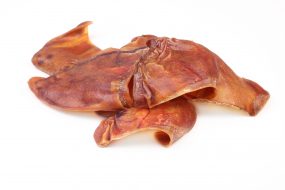
USA – Outbreak of Multidrug-Resistant Salmonella Infections Linked to Contact with Pig Ear Dog Treats

CDC

Latest Outbreak Information
Illustration of a clipboard with check marks on it.
At A Glance
Photo of some pet treats.
  • Since the last update on July 3, 2019, 48 ill people and three additional Salmonella serotypes have been added to this investigation. Additional Salmonella serotypes include Infantis, London, and Newport.
  • A total of 93 people infected with the outbreak strains of Salmonella have been reported from 27 states.
    • Twenty ill people have been hospitalized. No deaths have been reported.
  • Epidemiologic evidence indicates that contact with pig ear dog treats is the likely source of this outbreak.
    • In interviews, 63 (90%) of 70 ill people reported contact with a dog before getting sick.
      • Of 49 people with available information, 34 (69%) reported contact with pig ear dog treats or with dogs who were fed pig ear dog treats.

Recall

  • On July 3, 2019, Pet Supplies Plus recalledexternal icon bulk pig ears stocked in open bins because they might be contaminated with Salmonella.
  • Do not feed recalled pig ears to your dog. Throw them away in a secure container so that your pets and other animals can’t eat them.
  • Even if some of the recalled pig ears were fed to your dog and no one got sick, do not continue to feed them to your dog.
    • Wash containers, shelves, and areas that held the recalled pig ear dog treats with hot, soapy water.
  • A common supplier of pig ear treats in this outbreak has not been identified. Pet owners can take steps to keep their families healthy while feeding pets.
  • This investigation is ongoing, and CDC will provide updates when more information is available.
Advice to Dog Owners

Bosnia and Herzegovina – blocks walnut imports due to increased levels of Aflatoxin

IEGVU

The phytosanitary inspection of Republika Srpska (RS), one of the authorities in Bosnia and Herzegovina, prohibited the import of 20,160 tonnes of walnuts from Romania on Tuesday (July 16) due to increased presence of aflatoxin B1.

USA – Sixth Case of Legionnaires’ Linked to Sheraton Atlanta Hotel

Outbreak News Today

CDC legionella

Image CDC

As of today, 6 cases of Legionnaires’ disease have been linked to the Sheraton Downtown Atlanta Hotel. Following news of the hotel’s shut down last week, the Georgia Department of Health announced its involvement in the outbreak investigation.

The hotel said in a public statement that it could be several weeks before it reopens as health officials investigate. Meanwhile, guests of the hotel were relocated to the Hilton not far from the property.

Georgia Department of Public Health states it doesn’t know if the guests contracted the disease while actually staying at the hotel. The health agency believes the water system of the hotel could be to blame. “They have a beautiful swimming pool and it’s shut down right now. They say they’re working on the filtration system. Maybe they haven’t made the linkage,” Georgia State Epidemiologist Cherie Drenzek said.

But the pool isn’t the only suspect. “Showerheads, hot tubs, perhaps even some outbreaks in the past have been associated with decorative fountains,” Georgia Department of Health epidemiologist Cherie Drenzek said.

Information – Two varieties of E. coli behind multiple U.S. outbreak infections – O103 and O121

Food Safety News

This is a link to a  list of outbreaks in recent years that were caused by E. coli O103 and E. coli O121.