Category Archives: Uncategorized

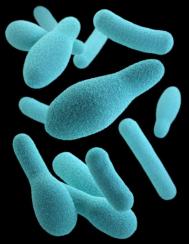
Research – Phage Biocontrol Improves Food Safety by Significantly Reducing the Level and Prevalence of Escherichia coli O157:H7 in Various Foods

Journal of Food Protection

ABSTRACT

Management of Shiga toxin–producing Escherichia coli (STEC), including E. coli O157:H7, in food products is a major challenge for the food industry. Several interventions, such as irradiation, chemical disinfection, and pasteurization, have had variable success controlling STEC contamination. However, these interventions also indiscriminately kill beneficial bacteria in foods, may impact organoleptic properties of foods, and are not always environmentally friendly. Biocontrol using bacteriophage-based products to reduce or eliminate specific foodborne pathogens in food products has been gaining attention due to the specificity, safety, and environmentally friendly properties of lytic bacteriophages. We developed EcoShield PX, a cocktail of lytic bacteriophages, that specifically targets STEC. This study was conducted to examine the efficacy of this bacteriophage cocktail for reducing the levels of E. coli O157:H7 in eight food products: beef chuck roast, ground beef, chicken breast, cooked chicken, salmon, cheese, cantaloupe, and romaine lettuce. The food products were challenged with E. coli O157:H7 at ca. 3.0 log CFU/g and treated with the bacteriophage preparation at ca. 1 × 10⁶, 5 × 10⁶, or 1 × 10⁷ PFU/g. Application of 5 × 10⁶ and 1 × 10⁷ PFU/g resulted in significant reductions (P < 0.05) in E. coli O157:H7 levels of up to 97% in all foods. When bacteriophages (ca. 1 × 10⁶ PFU/g) were used to treat lower levels of E. coli O157:H7 (ca. 1 to 10 CFU/10 g) on beef chuck roast samples, mimicking the levels of STEC found under real-life conditions in food processing plants, the prevalence of STEC in the samples was significantly reduced (P < 0.05) by ≥80%. Our results suggest that this STEC-targeting bacteriophage preparation can result in significant reduction of both the levels and prevalence of STEC in various foods and, therefore, may help improve the safety and reduce the risk of recalls of foods at high risk for STEC contamination.

HIGHLIGHTS
  • Shiga toxin–producing E. coli is a major food safety challenge for the food industry.
  • EcoShield PX bacteriophage cocktail reduced E. coli O157:H7 levels in foods by up to 97%.
  • The bacteriophage cocktail reduced the prevalence of E. coli O157:H7 in foods by ≥80%.

New Zealand – Shellfish biotoxin alert – Nydia Bay in the Pelorus Sound

MPI

The Ministry for Primary Industries (MPI) today issued a public health warning advising the public not to collect or consume shellfish harvested from all of Nydia Bay in the Pelorus Sound.

Routine tests on shellfish samples taken from this region have shown levels of Paralytic Shellfish Poisoning (PSP) toxins above the safe limit of 0.8 mg/kg set by MPI. Anyone eating shellfish from this area is potentially at risk of illness.

Pāua, crab and crayfish may still be eaten if the gut has been completely removed prior to cooking, as toxins accumulate in the gut. If the gut is not removed its contents could contaminate the meat during the cooking process.

Symptoms typically appear between 10 minutes and 3 hours after ingestion and may include:

  • numbness and a tingling (prickly feeling) around the mouth, face, and extremities (hands and feet)
  • difficulty swallowing or breathing
  • dizziness
  • headache
  • nausea
  • vomiting
  • diarrhoea
  • paralysis and respiratory failure and in severe cases, death.

If anyone becomes ill after eating shellfish from an area where a public health warning has been issued, phone Healthline for advice on 0800 61 11 16, or seek medical attention immediately. You are also advised to contact your nearest public health unit and keep any leftover shellfish in case it can be tested.

Monitoring of toxin levels will continue and any changes will be communicated accordingly. Commercially harvested shellfish – sold in shops and supermarkets, or exported – is subject to strict water and flesh monitoring programmes by MPI to ensure they are safe to eat.

Belgium – Salmonella – Euro Ei BV recalled Product: Ovyta brand liquid egg white

AFSCA

During an internal control, the presence of Salmonella was noted in the liquid white egg product bearing the expiry date of 21/09/2020 .

In consultation with the AFSCA, the manufacturer therefore decided to withdraw the product concerned from sale and to recall it to consumers.

Customers who bought this product are advised not to consume it and bring it back to the store, where it will be refunded. In the meantime, all stores have removed the affected products from the shelves.

PRODUCT DESCRIPTION

  • Name: Ovyta liquid egg white (500ml)
  • Use by date (DLC): 09/21/2020
  • Sales period: from 7/05/2020 to 11/05/2020 included
  • Item number: 18961
  • Lot number: 20183
  • Barcode: 05412671117904

This product was offered for sale via the following stores: Colruyt, Okay and Okay Compact.


Research – Effectiveness of Nitrogen Dioxide Fumigation for Microbial Control on Stored Almonds

Journal of Food Protection

ABSTRACT

Quality of stored almonds is compromised by insect infestations and microbial contamination. Nitric oxide (NO) is a potent fumigant for postharvest pest control on fresh and stored products. NO fumigation must be conducted under ultralow oxygen conditions, and it always produces nitrogen dioxide (NO2), depending on the O2 level in the fumigation chamber. NO and NO2 have proven antimicrobial effects but have not been tested for efficacy against microbes in almonds. We evaluated, in this study, fumigation of unpasteurized almonds with NO2 at different levels for inhibition of bacteria and fungi. Almonds were fumigated with 0.1, 0.3, or 1.0% NO under ambient O2 to generate 0.1, 0.3, or 1.0% NO2 conditions; the fumigation treatments lasted 1 or 3 days at 25°C. GreenLight rapid enumeration tests on diluted wash-off almond samples from NO2 fumigation treatments showed either greatly reduced microbial loads or complete control of microorganisms, depending on NO2 concentration and treatment duration. NO2 fumigation was more effective against fungi than against bacteria. These results suggest that postharvest NO fumigation with proper levels of NO and NO2 can be used for insect and microorganism control on stored almonds.

HIGHLIGHTS
  • NO2 fumigation was effective in controlling both bacteria and fungi on almonds.
  • Complete control of bacteria and fungi was achieved in 1-day fumigation with 1.0% NO2.
  • Postharvest NO+NO2 fumigation has potential to control insects and microorganisms on almonds.

Research – Evaluation of eight essential oils for postharvest control of Aspergillus carbonarius in grapes

Journal of Food Protection

A wide range of fungal species is associated with post-harvest spoilage of grapes. However, Aspergillus carbonarius is the primary fungus responsible for the contamination of grapes with ochratoxin A, a mycotoxin causing several confirmed health effects to humans and animals. Aiming to find a method, safe for the consumers, to prevent post-harvest decay and ochratoxin A contamination of grapes, the potential use of essential oils as preservatives was investigated. Essential oils of Origanum dictamnus (dittany) , Origanum onites (oregano) , Origanum microphyllum (marjoram) , Thymbra capitata (thyme) , Satureja thymbra (savory) , Rosmarinus officinalis (rosemary) , Laurus nobilis (laurel) and Salvia officinalis (sage) were tested. The essential oil components were identified by GC/MS analysis. A first evaluation of the effectiveness of essential oils was performed in vitro , at a range of concentrations up to 300 μL L -1 . Based on the results of the in vitro tests, the four most effective essential oils ( O. dictamnus , O. onites , T. capitata and S. thymbra ) were tested on Sultana grapes, during post-harvest storage. The four essential oils tested, having the carvacrol and/or thymol as a common component, at a high concentration, significantly reduced, or even completely inhibited the growth of the fungus, in all treatments. As revealed from the results, the essential oils of O. dictamnus , O. onites and S. thymbra were the most effective, causing total inhibition on the growth of the fungus with a minimum concentration of 100 μL L -1 , followed by the essential oil of T. capitata , total effective with a minimum concentration of 200 μL L -1 . Essential oils of O. microphyllum , L. nobilis , S. officinalis and R. officinalis , although they had a significant effect on the growth of A. carbonarius , failed to inhibit its growth completely at any of the concentrations tested.

Research – Comparison of stomaching versus rinsing, for recovering bacterial communities from rainbow trout (Oncorhynchus mykiss) fillets.

Journal of Food Protection

The use of high-throughput methods allows a better characterization of food-related bacterial communities. However, such methods require large amounts of high quality bacterial DNA, which may be a challenge when dealing with a complex matrix that has a low concentration of bacteria like fresh fish fillets. Therefore, the choice of method used to recover bacteria from a food matrix in a cost-effective way is critical, yet little information is available on the performance of commonly used methods. We assessed the recovery capacity of two such methods: stomaching and mechanical rinsing. The efficiency of the methods was evaluated through the quantitative recovery and compatibility with end-point qPCR. Fresh rainbow trout ( Oncorhynchus mykiss ) fillets were inoculated with a bacterial marker, Brochothrix thermosphacta , at different concentrations (7.52 to 1.52 log CFU/g). The fillets were processed by one of the two methods and the recovery of the marker in the suspensions was assessed by plate counting and qPCR targeting B. thermosphacta – rpoC . The same analyses were performed on 6 non-inoculated fresh fillets. Stomaching and mechanical rinsing allowed an efficient and repeatable recovery of the bacterial communities from the 42 inoculated fillets. No significant differences of Recovery Ratios were observed between the marker enumerated in the inoculation suspensions and in the corresponding recovery suspensions after rinsing and stomaching. However, the stomaching method allowed too many particles to pass through the filters bag, making necessary a limiting supplementary filtration step. As a consequence, only the rinsing recovery method allowed a proper PCR quantification of the inoculated B. thermosphacta. The mean recovered bacterial level of the fillets was around 3 log CFU/g. It seems more relevant and cost-effective to recover the endogenous bacterial microbiota of a fish fillet structure using the rinsing method rather than the stomaching method.

Research – Pet ownership and pet type and their implications for food safety in the home: Evidence from a national survey

Journal of Food Protection

Physical contact between humans and their pets increases the potential for zoonotic disease transmission. This study used the 2016 FDA Food Safety Survey to compare the food handling behaviors of pet owners and non-pet owners, since poor food handling and hygiene habits can increase the likelihood of disease transmission from animals to humans. Results show that both pet ownership and pet type were important in predicting food safety behaviors. After controlling for sociodemographic factors included in this study (gender, age, household income, household size, and race/ethnicity), pet ownership was significantly associated with overall food safety practices, and more specifically with better handwashing behaviors, kitchen cleaning, and ownership and use of a food thermometer, as well as a greater awareness of foodborne pathogens. Cat owners and cat/dog owners had better overall food safety practices and better handwashing compared to dog owners. After controlling for sociodemographic variables, there were no significant associations between pet ownership and perception of risks associated with unsafe food handling practices.

Research – Study reveals foodborne illness burden in Taiwan

Food Safety News

One in six Taiwanese people suffered from foodborne illness annually during a four year period studied by researchers.

From 2012 to 2015, almost 3.9 million foodborne illnesses and 50 deaths occurred annually in the country.

Scientists said the study, published in the Journal of the Formosan Medical Association, provided the first national estimates on the disease burden from foodborne illnesses in Taiwan.

Among just more than half of foodborne illnesses cases with identifiable causal microorganisms, non-typhoid Salmonella, norovirus, and Vibrio parahaemolyticus were leading pathogens.

Foodborne illnesses caused a substantial financial disease burden, with a medical cost up to NT $1.3 billion (U.S. $43,400) annually.

India -Three truckers stranded for 50 days die of ‘food poisoning’ in Odisha

The Hindu

Three truck drivers, stranded on the road for 50 days owing to the lockdown, died allegedly of food poisoning in Odisha’s Dhenkanal district, 70 km from here on Friday.

On March 18, the three, hailing from Bihar, had come to collect spirit from the Dhenkanal-based Shakti Sugars Limited for a liquor manufacturing factory in Khordha district of Odisha.


Canada -Raw Beef and Veal Recall For E. coli O157:H7 in Canada Updated

Food Poisoning Bulletin

The food recall warning for raw beef and veal for E. coli O157:H7 in Canada that was issued on October 17, 2020 and many other dates has been updated with more information. This information was discovered during the Canadian Food InspectionAgency’s food safety investigation. The investigation has been closed.

You can see the long list of recalled products at the CFIA web site. The products include beef bone-in hind shank, beef back ribs, fresh beef, choice grain-fed veal scallopine (frozen), ground beef, boneless veal shank, flat iron, rump roast, beef liver, beef top sirloin, and boneless beef brisket, among others.