RASFF – foodborne outbreak caused by and Salmonella enterica ser. Enteritidis (in 3 out of 5 samples /25g) in frozen chicken thighs from Romania in Latvia

RASFF – foodborne outbreak caused by and Salmonella enterica ser. Enteritidis (in 3 out of 5 samples /25g) in frozen chicken thighs from Romania in Latvia
Posted in food bourne outbreak, food contamination, food handler, Food Hygiene, Food Illness, Food Inspections, Food Micro Blog, Food Microbiology, Food Microbiology Blog, Food Microbiology Testing, Food Pathogen, food recall, Food Safety, Food Safety Alert, Food Testing, foodborne outbreak, foodbourne outbreak, outbreak, Salmonella, Salmonella in Chicken, Uncategorized
RASFF – fumonisins (18255 µg/kg – ppb) in corn flour from Peru in Spain
Posted in food contamination, Food Hygiene, Food Inspections, Food Micro Blog, Food Microbiology, Food Microbiology Blog, Food Microbiology Testing, Food Poisoning, food recall, Food Safety, Food Safety Alert, Food Testing, Food Toxin, Fumonsins, Fusarium Toxin, mold, Mould Toxin, Moulds, Mycotoxin, RASFF, Uncategorized
RASFF – too high count of Escherichia coli (>1800 MPN/100g) in live cockles from the United Kingdom in the UK
RASFF – Salmonella (presence /25g) in dry pork sausages from Belgium in Belgium
RASFF – Salmonella enterica ser. Braenderup (presence /25g) in organic sesame seeds from India in Slovenia
RASFF – Salmonella enterica ser. Infantis (presence /25g) in frozen chicken thighs from Romania in Estonia
RASFF – Salmonella (presence /25g) in frozen chicken breast toppers and southern fried chicken popsters from the United Kingdom, with raw material from Poland in the UK
RASFF – Salmonella (in 1 out of 5 samples /25g) in frozen poultry meat preparation from Thailand in the Netherlands
RASFF – Salmonella enterica ser. Enteritidis (in 2 out of 5 samples /25g) and Salmonella enterica ser. Infantis (in 1 out of 5 samples /25g) in chilled chicken breast from the Netherlands in the Netherlands
RASFF – Salmonella (presence /25g) in sesame seeds from India in Italy
RASFF – Salmonella group B (presence /25g) in sweet paprika from Spain in Poland
RASFF – Salmonella enterica ser. Agona (in 2 out of 5 samples /25g) in chilled turkey medallions from Poland in Poland
RASFF – Salmonella enterica ser. Mbandaka (presence /25g) in chilled poultry meat from Poland in Poland
RASFF – Salmonella enterica ser. Infantis (presence /25g) in chilled chicken breast steaks with paprika and pepper from Germany in Austria
Posted in food contamination, Food Hygiene, Food Illness, Food Inspections, Food Micro Blog, Food Microbiology, Food Microbiology Blog, Food Microbiology Testing, Food Pathogen, food recall, Food Safety, Food Safety Alert, Food Testing, RASFF, Salmonella, Salmonella in Chicken, Salmonella Sesame Seeds, Uncategorized
RASFF -aflatoxins (B1 = 74 µg/kg – ppb) in shelled groundnuts from Argentina in the UK

Image CDC
| Product identification | |
|---|---|
| Product type | Raw (unpasteurised) drinking milk |
| Name of product | Lindsay Farm brand raw (unpasteurised) drinking milk |
| Date marking | Received on and between 3 July to 11 August 2020. |
| Package size and description | The product is sold in a 2L plastic bottle. |
| Distribution | The product is sold via the following drop off points between Dannevirke and Auckland:
|
| Notes | This recall does not affect any other batches of Lindsay Farm brand raw (unpasteurised) drinking milk. |
Customers are asked to check the batch mark on the product.
If you have purchased any of the affected product listed on this notice, do not consume or alternatively heat to 70°C and hold at this temperature for one minute. If you don’t have a thermometer, heat the milk until it nearly reaches a boil (or scald the milk) before drinking it.
There have been reports of associated illness in New Zealand. If you have consumed any of this product and have any concerns about your health, seek medical advice.
Customers should return the product to their retailer for a full refund.
MPI’s information about Campylobacter
MPI’s advice on how to reduce the risk of illness if you drink raw unpasteurised milk
If you have questions, contact Lindsay Farm:
Commercial restaurant workers often use sponges and microfiber towels to clean food contact surfaces, but these types of absorbent materials were found to harbour potentially pathogenic organisms for more than 2 weeks, researchers said.
“The hypothesis of our study was that cleaning tools such as sponges and wiping cloths may become contaminated with bacterial pathogens and cross-contaminate other surfaces over time,” Sujata A. Sirsat, PhD, an assistant professor at the Conrad N. Hilton College of Hotel and Restaurant Management at the University of Houston, told Healio. “There is some literature about this in the domestic kitchen context; however, there is a paucity of literature in food service settings.”

Image CDC
The Yilan County Public Health Bureau said Wednesday (Aug. 12) that several customers and employees in the mass food poisoning case at Hotel Royal Chiaohsi (礁溪老爺酒店) had tested positive for norovirus, though it has not been confirmed as the official cause.
Earlier this month, news broke out that 164 people who dined at the Hotel Royal Chiaohsi’s buffet restaurant had experienced symptoms of food poisoning, including a group of Chailease Finance Co. employees that were on a company retreat. Of all the afflicted individuals, 92 have sought medical assistance, according to the health bureau.
The bureau said that a few customers and hotel staff members, including two restaurant workers, have received a positive result for the norovirus test, but no traces of the virus have been found on any of the kitchenware so far. Since the investigation results will determine the hotel’s responsibility and its follow-up settlement, the bureau said more clarification is needed on the true cause of the incident.
The bureau said the investigation report will come out as soon as October, and the hotel will be penalized under the Act Governing Food Safety and Sanitation if norovirus is found to be linked to the mass food poisoning. Meanwhile, the bureau said it had requested the hotel to sanitize the entire building and enhance the health management of its employees, reported CNA.
In a released statement, Hotel Royal Chiaohsi apologized for neglecting the safety of its customers and failing to provide a comfortable environment. It emphasized that it will take full responsibility of the incident regardless of the final investigation results, promising that all affected customers will be compensated, reported CTWANT.
According to Taiwan Centers for Disease Control (CDC), norovirus is a very contagious virus that causes vomiting and diarrhea. People of all ages can contract the disease from contaminated food or water, as well as from an infected person, with symptoms usually lasting one to three days.
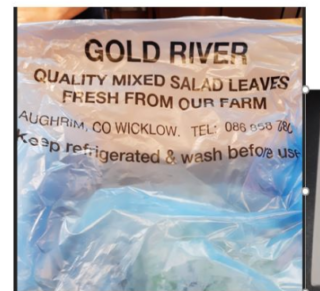
Officials in Ireland are investigating an outbreak of cryptosporidium linked to a salad that has affected more than 40 people.
The Health Service Executive’s (HSE) Department of Public Health East was notified of an outbreak of cryptosporidiosis in the Dublin and Wicklow area. To date, 42 cases have been notified; with the onset of symptoms occurring over a 14 day period from July 15.
A food alert was issued by the Food Safety Authority of Ireland (FSAI) and certain batches of mixed salad leaves were withdrawn.
Product recall
The FSAI was notified by the HSE of an outbreak of cryptosporidiosis. An outbreak control team is in place and the investigation is ongoing. Many lines of inquiry are being followed up to identify and control the source of the outbreak, according to the agency.
Posted in Contaminated water, Cryptosporidiosis, Cryptosporidium, food contamination, Food Hygiene, Food Illness, Food Inspections, Food Micro Blog, Food Microbiology, Food Microbiology Testing, Food Pathogen, food recall, Food Safety, Food Safety Alert, Food Testing, Protozoan, Uncategorized, Water, water microbiology, Water Safety
City Gross Ytterby is recalling a small batch (66 kg) of minced meat from Sweden with the best before-date 10/8 and 11/8 2020 due to the proven presence of salmonella in connection with routine control.
City Gross Ytterby is recalling a small batch (66 kg) of minced meat from Sweden with the best before date 10/8 and 11/8 2020 due to the proven presence of salmonella in connection with routine control.
Those who bought minced meat as above and frozen it are asked to discard it, even if the salmonella bacteria die when heated to 72 degrees.
If you have purchased revoked minced meat, you are welcome to receive compensation for the expense or new minced meat on presentation of a receipt.


