Category Archives: Shigatoxin

Canada – Notice not to consume minced meat sold by Supermarché Perrier et Martel inc. (Metro Plus) – STEC E.coli

MAPAQ

MAPAQ, in collaboration with Supermarché Perrier et Martel inc. (Metro Plus), located at 6155, boulevard Arthur-Sauvé, in Laval , is warning the population not to consume the products indicated in the table below, as these foods are likely to contain the bacterium E. coli which produces shigatoxins .

Product name Formats Targeted lot
“Lean ground grain veal. “
Variable weight
All formats

Units sold bearing the following packaging date: 2021FE15

“Lean ax pork”
“Minced beef / pork / veal”

The products that are the subject of this advisory were only offered for sale on February 15, 2021 , and only at the location identified above. They were placed on a polystyrene tray and covered with plastic wrap. They were sold refrigerated.

The operator is voluntarily recalling the products in question. He agreed with MAPAQ to disseminate this warning as a precautionary measure. People who have any of these products in their possession are advised not to consume it. They must return it to the establishment where they bought it or throw it away.

It should be noted that proper cooking of meat destroys the E. coli bacteria in all cases. Preparing ready-made meals, such as spaghetti sauce, shepherd’s pie, or meat pie, requires a fairly long cooking time and a temperature high enough to destroy the bacteria.

It should be noted that no case of illness associated with the consumption of these foods has been reported to MAPAQ so far.

Food contaminated with the shigatoxin- producing E. coli bacteria may not look or smell spoiled, but eating these foods can cause serious illness or death. They are manifested by diarrhea and abdominal pain, often accompanied by blood in the stool. These symptoms usually appear two to ten days after eating a contaminated food. Nausea, vomiting and sometimes fever can be associated with it. When these symptoms appear, it is strongly recommended to consult a doctor without delay. Most symptoms go away within five to ten days.

Additional information

Media relations
Communications
Department Ministry of Agriculture, Fisheries
and Food
Tel. : 418 380-2100, extension 3512
www.mapaq.gouv.qc.ca

Product labels

France – PREMIUM prepared from the Traiteur Pierrot brand -STEC E.coli

AFSCA

Recall of Euro-Délices Distribution
Product: PREMIUM prepared from the Traiteur Pierrot brand.
Problem: Possible presence of E. coli STEC.


In agreement with the AFSCA, Euro-Délices Distribution is withdrawing from sale the “Prepared PREMIUM” products of the Traiteur Pierrot brand and is recalling them to consumers because of the possible presence of STEC.

Euro-Délices Distribution asks its customers not to consume these products and to bring them back to the point of sale where they were purchased, where they will be reimbursed.

Product description Product

name: Prepared PREMIUM TP
Brand: Traiteur Pierrot Use by
date (DLC): 29/01/2021
Batch number: 105201
Sales period: from 07/01/2021 to 21/01/2021
Type of packaging: plastic jar with lid
Weight: 180g – 0.5kg – 1.25kg


The product was sold through various supermarkets, retailers and food stores.

For any further information , contact:

Fabienne Cluts
Tel: 04 / 278.78.12
fabiennecluts@eurodelices.be

Korea – 3 officials from McDonald’s supplier get suspended sentences for selling tainted patties – E.coli

Korea Herald

Ecoli Istock

Three officials from a burger patty supplier for McDonald’s Korea were given suspended prison sentences by a local court Tuesday for providing patties potentially contaminated with E. coli to the local unit of the global fast-food giant.

A managing director of the supplier, whose name was withheld, and two mid-ranking officials in charge of production and quality management, respectively, were indicted without detention in 2018 for allegedly distributing 63 tons of beef patties that tested positive for intestinal hemorrhagic E. coli contamination.

In addition, they were charged with selling 2,160 tons of beef patties with Shiga toxin genes detected in a PCR (polymerase chain reaction) test, a test method that amplifies DNA. Shiga toxin is a toxin component released from intestinal hemorrhagic E. coli.

The Seoul Central District Court convicted all three for violating the Livestock Products Sanitary Control Act but handed out suspended jail terms ranging from two to three years.

Australia – Shigella outbreak reported at Richmond State School in Townsville

Outbreak News Today

Shigella - kswfoodworld

Image CDC

Townsville Public Health Unit is responding to a shigella outbreak at Richmond State School where there have been 12 confirmed cases.

Shigella infection is a serious form of gastroenteritis caused by a bacterium that attacks the intestines leading to diarrhea, abdominal pain or cramps and fever.

The illness is spread if you accidentally swallow the bacteria that is found in faeces, usually through not washing your hands properly after going to the toilet or changing diapers.

Townsville Public Health Unit physician, Dr Julie Mudd said additional cleaning was being undertaken at Richmond School today as it is closed for a public holiday.

Of the 12 cases, one was brought to Townsville University Hospital as a precaution and has since been discharged. The remaining 11 cases are recovering in the community.

Denmark – Imported, fresh mint linked to Shigella outbreak

Outbreak News Today

Shigella - kswfoodworld

The Statens Serum Institut (SSI) has in collaboration with the Danish Veterinary and Food Administration and the DTU Food Institute report that a Shigella outbreak in August and September that sickened some 44 people is linked to fresh mint bought at a local greengrocer or bazaar in and around the Copenhagen area.

Of the 44 cases from August 22 to September 9, 30 of the cases was reported in women and 14 in men. A total of 13 people have been hospitalized. The sick live primarily in the Capital Region.

Because fresh mint has a short shelf life, it is no longer on the market. There is therefore no risk of more consumers becoming infected, says Emergency Manager Nikolas Kühn Hove from the Danish Veterinary and Food Administration.

Denmark – The source of infection for Shigella disease outbreaks has been found

SSI

In August and September, 44 Danes became ill with the intestinal bacterium shigella. The investigation shows that the source of infection was probably imported, fresh mint.

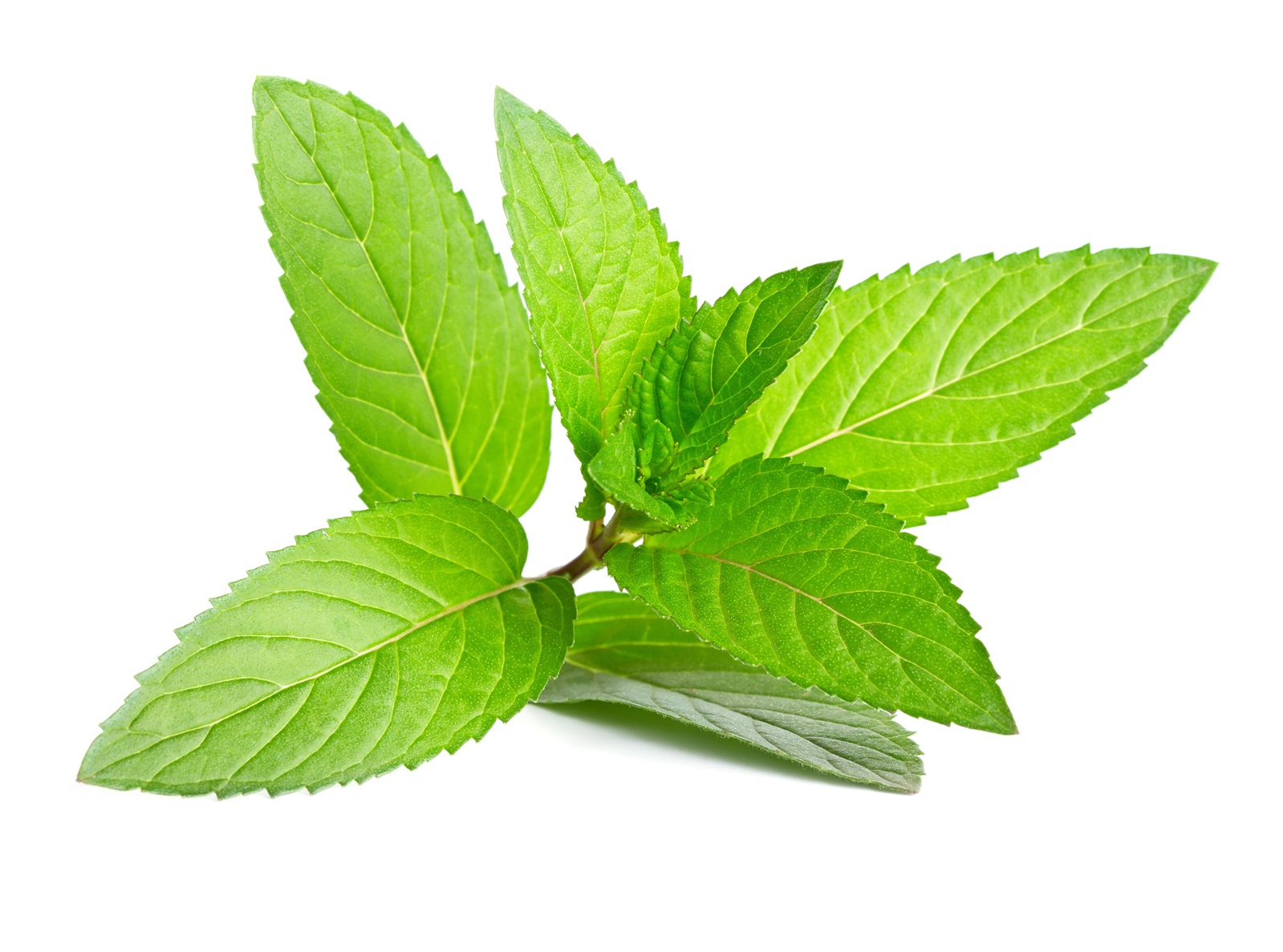
Picture of mint 01

The Statens Serum Institut (SSI) has in collaboration with the Danish Veterinary and Food Administration and the DTU Food Institute investigated an outbreak of the intestinal bacterium shigella.

The outbreak includes 44 patients. These are 30 women and 14 men aged 0-75 years. The patients experienced symptoms in the period from 22.08.2020 to 09.09.2020. A total of 13 people have been hospitalized. The sick live primarily in the Capital Region.

Read more in EPI-News number 41/20 .

Netherlands – Important safety warning AH burgers, bratwurst and beef finches – STEC E.coli

NVWA

Albert Heijn warns against a number of beef products with an expiry date of 24 or 25 September 2020. The E.coli bacteria was found in the products.

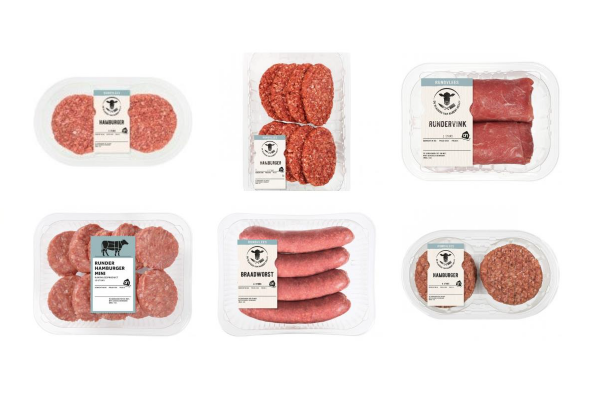
It concerns the following products:

  • AH mini hamburger 10 pieces, TGT 24-09-2020
  • AH hamburger 8 pieces, use-by-date 9/24/2020 and 9/25/2020
  • AH beef bratwurst 4 pieces, TGT 24-09-2020
  • AH hamburger 2 pieces, TGT 25-09-2020
  • AH hamburger 4 pieces, TGT 25-09-2020
  • AH beef finch 2 pieces, TGT 25-09-2020

The beef products are no longer in Albert Heijn stores, but customers can have these products in the freezer. Albert Heijn asks customers not to eat the beef products and to return them to an Albert Heijn store where they will be reimbursed for the purchase price upon return.

See also the Albert Heijn website

Download ‘Important safety warning for AH burgers, bratwurst and beef finches’

PDF document | 1 page | 166 KB

Warning | 05-10-2020

E.coli

Eating a product with an E.coli bacteria (faeces bacteria, STEC, EHEC) can, if not thoroughly cooked, cause nausea, vomiting and (bloody) diarrhea within a week. Especially for young children, the elderly, people with low immunity and pregnant women. Consult your doctor or general practitioner for more information if you have health complaints after eating the said product.

6 packs of Albert Heijn beef products

Italy – AZ. AGR. ARMANNI ANGELO – TREVIOLO (BG) – Raw Milk Cheese – Stracchino – STEC E.coli -eae

MDS

Brand : AZ. AGR. ARMANNI ANGELO – TREVIOLO (BG)

Name : raw milk cheese – stracchino

Reason for reporting : Recall due to microbiological risk

Publication date : 30 September 2020

Documentation

Documentation

Denmark – Denmark investigates Shigella outbreak with 40 sick

Food Safety News

Shigella - kswfoodworld

Image CDC

More than 40 people are sick and almost a third have needed hospital treatment as part of a foodborne Shigella outbreak in Denmark.

From the end of August, 42 people have been registered with shigellosis in the country.

The outbreak is being investigated to try to pinpoint the source of infection and help stop it with experts doing final traceback investigations ahead of plans to reveal results next week.

From Aug. 25 to Sept. 10, 42 cases of shigellosis were reported to the Statens Serum Institut (SSI).


Research – Association between Shiga Toxin–Producing Escherichia coli O157:H7 stx Gene Subtype and Disease Severity, England, 2009–2019

CDC

Abstract

Signs and symptoms of Shiga toxin–producing Escherichia coli (STEC) serogroup O157:H7 infection range from mild gastrointestinal to bloody diarrhea and hemolytic uremic syndrome (HUS). We assessed the association between Shiga toxin gene (stx) subtype and disease severity for »3,000 patients with STEC O157:H7 in England during 2009–2019. Odds of bloody diarrhea, HUS, or both, were significantly higher for patients infected with STEC O157:H7 possessing stx2a only or stx2a combined with other stx subtypes. Odds of severe signs/symptoms were significantly higher for isolates encoding stx2a only and belonging to sublineage Ic and lineage I/II than for those encoding stx2a only and belonging to sublineage IIb, indicating that stx2a is not the only driver causing HUS. Strains of STEC O157:H7 that had stx1a were also significantly more associated with severe disease than strains with stx2c only. This finding confounds public health risk assessment algorithms based on detection of stx2 as a predictor of severe disease.