Category Archives: Salmonella

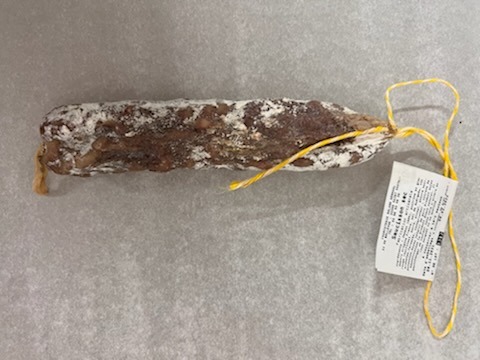
France – Dry sausage -Salmonella

Gov france

Identifying information for the recalled product

  • Product category Food
  • Product sub-category Meats
  • Product brand name The Delights of Belle Noë
  • Names of models or references Dry sausage
  • Product identification
    GTIN Lot Dated
    220050000000 All lots Date of minimum durability between 01/31/2022 and 02/27/2022
  • Packaging Bulk
  • Start date / End of marketing From 11/02/2021 to 12/01/2021
  • Storage temperature Product to be stored at room temperature
  • Health mark FR 22.272.026 CE
  • Further information Product sold in bulk or box
  • Geographical sales area Departments: COTES-D’ARMOR (22), ILLE-ET-VILAINE (35), LOIRE-ATLANTIQUE (44)
  • Distributors Farmers, Carrefour city, Spar, Point vert, Butchers, Restaurants, Intermarché, Convenience stores
  • List of points of saleCoordinates_saucisson_sec.pdf

Practical information regarding the recall

  • Reason for recall As a precautionary measure, product withdrawal and recall because there is a risk of cross-contamination with a batch containing salmonella
  • Risks incurred by the consumer Salmonella spp (causative agent of salmonellosis)

Italy – Salami – Salmonella

Salute

Brand : SALUMIFICIO ZERBINI GIOVANNI & FIGLI SNC

Name : SALAME

Reason for reporting : Recall due to microbiological risk

Publication date : 11 December 2021

Click to access C_17_PubblicazioneRichiami_1610_azione_itemAzione0_files_itemFiles0_fileAzione.pdf

UK – Advice to reptile owners following withdrawal and recall of frozen mice used as food for pets linked to Salmonella outbreak in people

FSA

The Food Standards Agency (FSA) is issuing further instructions to reptile owners following an outbreak of human salmonellosis linked to frozen mice used to feed snakes and other animals and birds.
11 December 2021
 

The FSA, along with Food Standards Scotland, Department for Environment, Food and Rural Affairs, the Animal and Plant Health Agency and the UK Health Security Agency, Public Health Wales and Public Health Scotland are advising animal keepers not to feed their pets specific batches of frozen mice.   

Since the outbreak was first reported in 2015, there have been almost 900 cases of illness. Salmonella (which causes salmonellosis) is a common bacterial disease that affects the intestines and can pass from animals to people or via consumption of contaminated food or exposure to contaminated environments and cause infection. 

This outbreak of Salmonella has been linked to specific frozen mice products and as a result, a product recall information notice detailing affected products has been issued by the FSA. The recall does not affect rats from the same supplier, however investigations are ongoing. Should concerns about the safety of rats be identified, our advice will be updated accordingly.
The FSA is instructing reptile owners and others who have a supply of the affected frozen mice to return them to the place of purchase so they can be carefully disposed of.

However, the FSA and partners are also warning people to be extra careful when handling any frozen rodents including mice product and packaging, not just the batches identified, due to the risk of salmonella from other batches linked to this recall. 
People should be extra vigilant, washing hands thoroughly with soap and water immediately after contact, when handling not just the product, but their reptiles and associated equipment and environment, due to the risk of the illness. 
Further general advice on reducing the risk of contracting Salmonella is available at https://www.gov.uk/government/publications/salmonella-reducing-infection-from-reptiles(Opens in a new window)

A government spokesperson said:

“In September this year, the FSA introduced new requirements for shops to provide a leaflet warning about the risks of Salmonella and how to keep customers safe when buying and feeding frozen mice to their reptiles. However, the outbreak continues and a full withdrawal and recall of the specific batches of frozen mice is necessary. The withdrawal and recall does not affect rats from the same supplier, however investigations are continuing, should concerns about the safety of rats be identified, advice will be updated.

Therefore, if you have the affected feeder mice product in your freezer, please return it to where you purchased it from so it can be disposed of carefully and thoroughly clean and disinfect any surfaces it has been in contact with, including your hands. We are also asking people to be extra vigilant with all frozen rodent product, however, do check the specific information about which batches are involved as retailers will not be accepting other material.”

Advice to reptile owners about feeding their pets

Snake owners and others using frozen mice as food may have concerns about maintaining their animal’s welfare, as the product withdrawal and recall will cause short term shortages. There should be sufficient mice to maintain animal welfare for all snakes and other animals, including birds that need to be fed mice, if owners adapt their current feeding routines. Detailed advice for reptile owners will be published at www.casc.org.uk/rodent-recall(Opens in a new window)

Advice to parents and guardians of children handling reptiles

Children have been particularly affected so we are urging parents and guardians to make sure everyone washes their hands thoroughly with warm soapy water every time they handle and feed frozen mice to their pets and handle their reptiles to reduce risk of becoming ill with Salmonella. Both the vivarium and the areas reptiles are able to roam could be contaminated with salmonella. Good hygiene should be observed.

If you, or other family members become ill with symptoms such as diarrhoea, abdominal pain and fever, consult your doctor or NHS 111 and inform them that you own/keep a reptile. If you have symptoms, make sure you wash your hands regularly and avoid preparing food for others. Do not go to work or school until 48 hours after symptoms have passed to reduce the chances of passing on the infection.


UK – Monkfield Nutrition extends recall to all batches of frozen Feeder Mice products for feeding reptiles because of the presence of Salmonella

FSA

Monkfield Nutrition is extending the recall to all batches of frozen feeder mice products for feeding reptiles because Salmonella has been found in the products.

Product details

Mouse Pinkies Small
Pack size 25 pack (1g per mouse)
Batch code All batches
Mouse Pinkies Large
Pack size 25 pack (2-3g per mouse)
Batch code All batches
‘Pets at Home’ Mouse Fluff
Pack size Individual and 20 pack (3-5g per mouse)
Batch code All batches
‘Pets at Home’ Small Mice
Pack size Individual and 20 pack (10-15g per mouse)
Batch code All batches
‘Pets at Home’ Medium Mice
Pack size Individual and 20 pack (16-20g per mouse)
Batch code All batches
‘Pets at Home’ Large Mice
Pack size Individual and 20 pack (21-30g per mouse)
Batch code All batches
‘Pets at Home’ X Large Mouse
Pack size Individual and 15 pack (>31g per mouse)
Batch code All batches
Mouse Fluff
Pack size 25 pack (4-6g per mouse)
Batch code All batches
Mouse Crawlers Small
Pack size 25 pack (7-9g per mouse)
Batch code All batches
Small Mice
Pack size 10 pack (10-15g per mouse)
Batch code All batches
Medium Mice
Pack size 10 pack (16-20g per mouse)
Batch code All batches
Large Mice
Pack size 10 pack (21-30g per mouse)
Batch code All batches
Jumbo Mice
Pack size 10 pack (>31g per mouse)
Batch code All batches
‘Pets at Home’ Mouse Pinkies Small
Pack size Individual, 20 pack and 100 pack (1g per mouse)
Batch code All batches
‘Pets at Home’ Mouse Pinkies Large
Pack size Individual, 20 pack and 100 pack (2-3g per mouse)
Batch code All batches

Risk statement

The presence of Salmonella in the products listed above. Salmonella is a bacterium that can cause illness in humans and animals. The product could therefore carry a potential risk, because of the presence of Salmonella, either through direct handling of the products, or indirectly, for example from handling infected reptiles, their vivarium, utensils or contact with the faeces of these animals.

In humans, symptoms caused by salmonella usually include fever, diarrhoea and abdominal cramps. Infected animals may not necessarily display signs of illness, but symptoms can include diarrhoea.

Action taken by the company

Monkfield Nutrition Ltd is recalling the above products. Point of sale notices will be displayed in all retail stores that are selling these products. These notices explain to customers why the products are being recalled and tell them what to do if they have bought the products.

Our advice to consumers

(pet owners): If you have bought any of the above products do not use them. Instead, return them to the store from where they were bought for a full refund.
When handling and serving pet feed it is always advised to clean utensils after use. Consumers should wash hands thoroughly after handling reptiles, pet feed, utensils or after contact with the faeces of animals. Raw pet feed should be stored separately from any food (especially ready to eat foods). Care should be taken when defrosting to avoid cross contamination of foods and surfaces.
Carefully and thoroughly clean and disinfect any surfaces it has been in contact with, including your hands.

Research – Desiccation survival in Salmonella enterica, Escherichia coli and Enterococcus faecium related to initial cell concentration and cellular components

Journal of Food Protection

Salmonella enterica is well-known for its ability to survive and persist in low-moisture environments.  Previous studies have indicated a link between the initial cell concentration and the population of Salmonella that survive upon desiccation and subsequent storage; however, how the initial cell concentration affects survival is unknown.  This study examined the basis of this phenomena and whether it occurred in other microorganisms, specifically Shiga toxigenic Escherichia coli (STEC), and Enterococcus faecium . Salmonella, STEC, and E. faecium were grown as lawns on TSAYE and harvested using buffered peptone water (BPW). To determine recovery at different initial cell levels, cultures were diluted to 9, 7, and 5 log CFU/mL and applied to filters.  Filters were dried for 24 h, then stored for 28 d at 25°C/33% RH. During storage, cells were recovered from filters using BPW and cultivated on TSAYE.  Both Salmonella and E. coli , but not E. faecium , showed non-proportional recovery. Less viability remained with lower initial starting population after 24 h desiccation such that ≥10 log CFU/mL were recovered when 11 log CFU/mL was desiccated, but ❤ log CFU/mL were recovered when 5 log CFU/mL was desiccated. Once dried, persistence did not appear affected by initial cell concentration. When dead cells (heat-treated) were added to the diluent, recovery of Salmonella was proportional with respect to the initial cell concentration. To further examine the response on desiccation, Salmonella was diluted in BPW containing one of 11 different test cell components related to quorum sensing or known to affect desiccation resistance to assess recovery and persistence. Of the 11 additions only cell debris fractions, cell-free extract, and peptidoglycan improved recovery of Salmonella . Desiccation survival appears related to cell wall components, however, the exact mechanism affecting survival remains unknown.

USA – CDC – Say No to Raw Dough

CDC

hazegg.jpg

What You Need to Know

  • Don’t taste or eat raw (unbaked) dough or batter.
  • Don’t let children handle or play with raw dough, including play clay and dough for crafts.
  • Uncooked flour and raw eggs can contain germs that can make you sick if you taste raw dough.
  • Wash your hands, bowls, utensils, and countertops after handling raw flour, eggs, or dough.

Spending time with family while baking is a great way to celebrate special occasions. When making cookies, brownies, cakes, or bread, you might be tempted to taste a bite before it’s fully baked.

But you can get sick after eating or tasting raw (unbaked) dough or batter. Children can get sick from handling or eating raw dough used for crafts or play clay, too. Follow these safety tips to help you and your loved ones stay healthy when preparing and handling raw dough.

Raw Dough Can Contain Germs That Make You Sick

Flour doesn’t look like a raw food, but most flour is raw. That means it hasn’t been treated to kill germs that cause food poisoning, such as Escherichia coli (E. coli). These harmful germs can contaminate grain while it’s still in the field or flour while it’s being made. Steps like grinding grain and bleaching flour don’t kill harmful germs—and these germs can end up in flour or baking mixes you buy at the store. You can get sick if you eat unbaked dough or batter made with flour containing germs. Germs are killed only when food made with flour is baked or cooked.

CDC investigated outbreaks of E. coli infections linked to raw flour or cake mix in 20162019, and 2021. Some of these investigations led to recalls. Flour and baking mixes containing flour have long shelf lives, meaning they do not go bad quickly. It’s a good idea to check your pantry to see if you have any flour or baking mixes that have been recalled in recent years (search FDA’s recall listexternal icon). If you have any recalled flour or baking mixes, throw them away.

Raw eggs are another ingredient in dough and batter that can make you or your loved ones sick. Raw or lightly cooked eggs can contain Salmonella, a germ that causes food poisoning. Find out how to handle and cook eggs properly.

Some companies make edible cookie dough and brownie batter that you can find in stores. These products are made with heat-treated flour and pasteurized eggs or no eggs. Read the label carefully to make sure the dough is meant to be eaten without baking or cooking.

Stay Safe When Handling Flour and Other Raw Ingredients

Follow these practices to prevent food poisoning when you are baking and cooking with flour and other raw ingredients.

  • Do not taste or eat any raw dough or batter. This includes dough or batter for cookies, brownies, cakes, pie crusts, tortillas, pizza, biscuits, pancakes, or crafts made with raw flour, such as homemade play dough or holiday ornaments.
  • Do not let children play with or eat raw dough, including dough for crafts.
  • Bake raw dough, such as cookie dough, and batter, such as cake mix, before eating.
  • Follow the recipe or package directions for cooking or baking. Use the temperature and cooking time given in the recipe or directions.
  • Do not make milkshakes with products that contain raw flour, such as cake mix.
  • Do not use raw homemade cookie dough in ice cream.
    • Cookie dough ice cream sold in stores contains dough that has been treated to kill harmful germs.
  • Keep raw foods, such as flour and eggs, separate from ready-to-eat foods. Because flour is a powder, it can spread easily.
  • Follow label directions to refrigerate products containing raw dough or eggs until they are baked or cooked (for example, store-bought cookie dough).
  • Clean up thoroughly after handling flour, eggs, or raw dough.
    • Wash your hands with soap and water after handling flour, raw eggs, or any surfaces they have touched.
    • Wash bowls, utensils, countertops, and other surfaces with warm, soapy water.

Recognize Food Poisoning Symptoms

Food poisoning symptoms may range from mild to severe and can differ depending on the germ you swallowed.

Symptoms of E. coli infection include stomach cramps that can be severe, diarrhea (often bloody), and vomiting. People usually get sick 3 to 4 days after swallowing the germ and recover within a week. However, some people develop a serious illness called hemolytic uremic syndrome (HUS), which can result in kidney failure, stroke, and even death.

Symptoms of Salmonella infection include diarrhea, fever, and stomach cramps. Symptoms start 6 hours to 6 days after swallowing the germ and go away within 4 to 7 days.

Some groups of people have a greater chance of infection and severe illness. These groups include children younger than 5, adults age 65 and older, and people who have health problems or take medicines that lower the body’s ability to fight germs and sickness.

Canada – Public Health Notice: Outbreak of Salmonella infections – Update

PHAC

The Public Health Agency of Canada (PHAC) is collaborating with provincial public health partners, the Canadian Food Inspection Agency (CFIA) and Health Canada to investigate an outbreak of Salmonella infections involving five provinces: British Columbia, Alberta, Saskatchewan, Manitoba and Ontario. The illnesses reported in Ontario were related to travel to Alberta and British Columbia.

The source of the outbreak has not been confirmed and the investigation is ongoing. Many of the individuals who became sick reported eating fresh avocados purchased from grocery stores or served at restaurants before their illness. Investigation findings to date have identified that these avocados have been distributed in British Columbia, Alberta, Saskatchewan and Manitoba. More information is needed to confirm the source of the outbreak. The outbreak appears to be ongoing, as illnesses continue to be reported.

The Public Health Agency of Canada is issuing this public health notice to inform residents and businesses in British Columbia, Alberta, Saskatchewan and Manitoba of the investigation findings to date so that they can make informed decisions. At this time, there is no evidence to suggest that residents in other provinces and territories are affected by this outbreak. This notice also includes important safe food handling information for Canadians and businesses that may help prevent further Salmonella infections.

This public health notice will be updated as the investigation evolves.

Investigation summary

As of December 9, there have been 79 laboratory-confirmed cases of Salmonella Enteritidis illness investigated in: British Columbia (34), Alberta (28), Saskatchewan (4), Manitoba (11) and Ontario (2). The illnesses reported in Ontario are related to travel to Alberta and British Columbia. Individuals became sick between early September 2021 and mid-November 2021. Four individuals have been hospitalized. No deaths have been reported. Individuals who became ill are between 5 and 89 years of age. The majority of cases (63%) are female.

CFIA is conducting a food safety investigation. If specific contaminated food products are identified, they will take the necessary steps to protect the public, including requesting a recall of product as required. Currently there are no Food Recall Warnings associated with this outbreak.

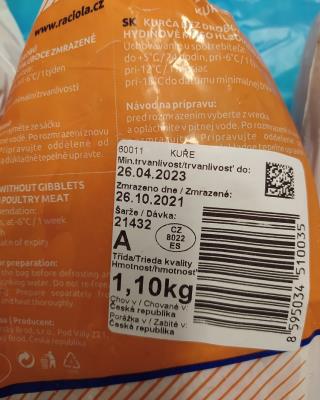
Czech Republic – Whole chicken A, without offal, frozen -Salmonella

Potravinynapranyri

Illustration photo no. 1

Place of inspection:
Uhersky Brod ( U Porazky 493, 68801 Uhersky Brod )
Company ID: 25532073
Food group: Meat and meat products Packaged meat

Whole chicken A, without offal, frozen
Category: Dangerous food
Unsatisfactory parameter:

Salmonella enterica serum. Infantis

The presence of the pathogenic bacterium Salmonella enterica serum was detected in frozen chicken meat Infantis . This bacterium can cause a condition called salmonellosis.

Lots: 21432
Date of minimum durability: 4/26/2023
Packaging: Plastic foil
Producer: RACIOLA Uherský Brod as
Country of origin:  Czechia
Sampling date: 4. 11. 2021
Reference number: 21-000086-SVS-CZ
The sample was found by an official inspection of the State Veterinary Administration.

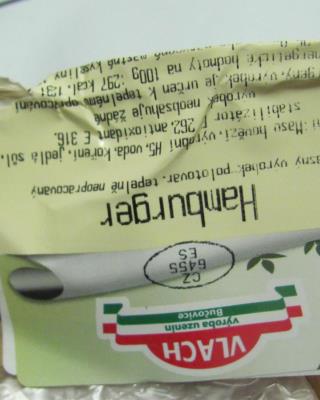
Czech Republic -Hamburger -Salmonella Derby

Potravinynapranyri

Illustration photo no. 1

Place of inspection:
Bučovice ( Krátká 259, Vícemilice, 68501 Bučovice )
ID: 10130144
Unsatisfactory parameter:

Salmonella Derby

The pathogenic bacterium Salmonella Derby was found in the meat preparation . This bacterium can cause a condition called salmonellosis.

Expiration date: 10/20/2021
Packaging: artificial intestine
Producer: Bedřich Vlach, butcher and sausage shop
Country of origin:  Czechia
Sampling date: 15. 10. 2021
Reference number: 21-000083-SVS-CZ
The sample was found by an official inspection of the State Veterinary Administration.

Research -EU One Health report: drop in reported zoonotic diseases in humans and foodborne outbreaks in 2020

EFSA

Campylobacteriosis was the most reported zoonosis in the EU in 2020, with 120,946 cases compared to more than 220,000 the previous year. It was followed by salmonellosis, which affected 52,702 people compared to 88,000 in 2019. The number of reported foodborne outbreaks also fell by 47%. These findings are based on the annual EU One Health zoonosis report, by EFSA and ECDC.

Experts acknowledged the impact of the COVID-19 pandemic in Europe in the remarkable drop in reported zoonotic diseases in humans – ranging from 7% to 53% depending on the reported disease in question – and foodborne outbreaks.

Possible factors behind the large decrease in cases include changes in health seeking behaviour, restrictions on travel and on events, the closing of restaurants, quarantine, lockdown, and other mitigation measures such as the use of masks, physical distancing and hand sanitisation.  

The next most commonly reported diseases were yersiniosis (5,668) and infections caused by Shigatoxin-producing E.coli (4,446). Listeriosis was the fifth most reported zoonosis (1,876 cases), mainly affecting people over the age of 64.

Listeriosis and West Nile virus infections were the diseases with the highest case fatality and hospitalisation rates – with most locally acquired human infections of West Nile virus reported in Greece, Spain and Italy.

The report also monitors foodborne outbreaks in the EU, events during which at least two people contract the same illness from the same contaminated food. A total of 3,086 foodborne outbreaks were reported in 2020. Salmonella remained the most frequently detected agent and caused about 23% outbreaks. The most common sources of salmonellosis outbreaks were eggs, egg products and pig meat.

The report also includes data on Mycobacterium bovis/caprae, BrucellaTrichinellaEchinococcus, Toxoplasma gondii, rabies, Q fever and tularaemia.

EFSA is publishing two interactive communication tools on foodborne outbreaks – a story map and a dashboard. The story map provides general information on foodborne outbreaks, their causative agents and implicated food vehicles. The dashboard allows people to search and query the large amount of data on foodborne outbreaks collected by EFSA from EU Member States and other reporting countries since 2015.