Category Archives: Research

Research – Asymptomatic Carriage of Listeria monocytogenes by Animals and Humans and Its Impact on the Food Chain

MDPI

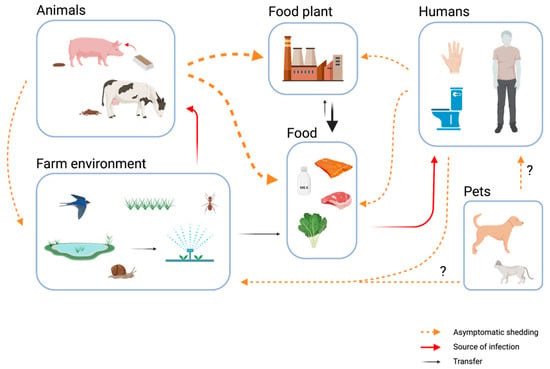
Humans and animals can become asymptomatic carriers of Listeria monocytogenes and introduce the pathogen into their environment with their feces. In turn, this environmental contamination can become the source of food- and feed-borne illnesses in humans and animals, with the food production chain representing a continuum between the farm environment and human populations that are susceptible to listeriosis. Here, we update a review from 2012 and summarize the current knowledge on the asymptomatic carrier statuses in humans and animals. The data on fecal shedding by species with an impact on the food chain are summarized, and the ways by which asymptomatic carriers contribute to the risk of listeriosis in humans and animals are reviewed. View Full-Text

Research – Occurrence of Listeria spp. in Soft Cheese and Ice Cream: Effect of Probiotic Bifidobacterium spp. on Survival of Listeria monocytogenes in Soft Cheese

MDPI

Listeria monocytogenes is one of the most important emerging foodborne pathogens. The objectives of this work were to investigate the incidence of Listeria spp. and L. monocytogenes in soft cheese and ice cream in Assiut city, Egypt, and to examine the effect of some probiotic Bifidobacterium spp. (Bifidobacterium breveBifidobacterium animalis, or a mixture of the two) on the viability of L. monocytogenes in soft cheese. The existence of Listeria spp. and L. monocytogenes was examined in 30 samples of soft cheese and 30 samples of ice cream. Bacteriological analyses and molecular identification (using 16S rRNA gene and hlyA gene for Listeria spp. and L. monocytogenes, respectively) were performed on those samples. Additionally, Bifidobacterium spp. were incorporated in the making of soft cheese to study their inhibitory impacts on L. monocytogenes. Out of 60 samples of soft cheese and ice cream, 25 samples showed Listeria spp., while L. monocytogenes was found in only 2 soft cheese samples. Approximately 37% of soft cheese samples (11 out of 30) had Listeria spp. with about 18.0% (2 out of 11) exhibiting L. monocytogenes. In ice cream samples, Listeria spp. was presented by 47% (14 out of 30), while L. monocytogenes was not exhibited. Moreover, the addition of B. animalis to soft cheese in a concentration of 5% or combined with B. breve with a concentration of 2.5% for each resulted in decreasing L. monocytogenes efficiently during the ripening of soft cheese for 28 d. Listeria spp. is widely found in milk products. Probiotic bacteria, such as Bifidobacterium spp., can be utilized as a natural antimicrobial to preserve food and dairy products. View Full-Text

Research – Microbial Control of Raw and Cold-Smoked Atlantic Salmon (Salmo salar) through a Microwave Plasma Treatment

MDPI

The control of the pathogenic load on foodstuffs is a key element in food safety. Particularly, seafood such as cold-smoked salmon is threatened by pathogens such as Salmonella sp. or Listeria monocytogenes. Despite strict existing hygiene procedures, the production industry constantly demands novel, reliable methods for microbial decontamination. Against that background, a microwave plasma-based decontamination technique via plasma-processed air (PPA) is presented. Thereby, the samples undergo two treatment steps, a pre-treatment step where PPA is produced when compressed air flows over a plasma torch, and a post-treatment step where the PPA acts on the samples. This publication embraces experiments that compare the total viable count (tvc) of bacteria found on PPA-treated raw (rs) and cold-smoked salmon (css) samples and their references. The tvc over the storage time is evaluated using a logistic growth model that reveals a PPA sensitivity for raw salmon (rs). A shelf-life prolongation of two days is determined. When cold-smoked salmon (css) is PPA-treated, the treatment reveals no further impact. When PPA-treated raw salmon (rs) is compared with PPA-untreated cold-smoked salmon (css), the PPA treatment appears as reliable as the cold-smoking process and retards the growth of cultivable bacteria in the same manner. The experiments are flanked by quality measurements such as color and texture measurements before and after the PPA treatment. Salmon samples, which undergo an overtreatment, solely show light changes such as a whitish surface flocculation. A relatively mild treatment as applied in the storage experiments has no further detected impact on the fish matrix.

Research – Recent Research on Fusarium Mycotoxins in Maize—A Review

MDPI

Maize (Zea mays L.) is one of the most susceptible crops to pathogenic fungal infections, and in particular to the Fusarium species. Secondary metabolites of Fusarium spp.—mycotoxins are not only phytotoxic, but also harmful to humans and animals. They can cause acute or chronic diseases with various toxic effects. The European Union member states apply standards and legal regulations on the permissible levels of mycotoxins in food and feed. This review summarises the most recent knowledge on the occurrence of toxic secondary metabolites of Fusarium in maize, taking into account modified forms of mycotoxins, the progress in research related to the health effects of consuming food or feed contaminated with mycotoxins, and also the development of biological methods for limiting and/or eliminating the presence of the same in the food chain and in compound feed. View Full-Text

Can noroviruses be transmitted through food?

MAST

Food Borne Illness - Norovirus -CDC Photo

In winter, an increase in norovirus cases can be expected, as the infection is called the winter plague in some languages ​​(eg vinterkräksjuka in Swedish). The main symptoms of norovirus infection are malaise, vomiting, diarrhea, fever and abdominal pain.

The virus is highly contagious and only a few viruses are needed to cause infection. Noroviruses can be transmitted through food from people who are ill or have recently been ill with norovirus. There are examples of norovirus being transmitted through food in Iceland and abroad, such as frozen raspberries, oysters and food from restaurants. Such infections can cause group infections.

For example, the consumption of frozen raspberries caused a widespread norovirus infection in Denmark a few years ago. Subsequently, the Danes established rules that frozen raspberries should be heated before consumption, and such instructions can often be seen on packaging.

But how can the virus be prevented from spreading to food at home, in canteens, restaurants and other food businesses?

  • The production, cooking and serving of food should be avoided during illness and for at least 48 hours. after the symptoms are over.
  • Wash hands before handling food.
  • Wash hands before eating
  • Offer options for hand disinfection at the buffet.
  • Prevent utensil handles from coming into contact with food.
  • Food companies have clear rules regarding staff illness and their return.

The risk of norovirus being transmitted through food can be reduced if these guidelines are followed.

Advanced material:

Research – Whole-Genome Sequence Comparisons of Listeria monocytogenes Isolated from Meat and Fish Reveal High Inter- and Intra-Sample Diversity

MDPI

Interpretation of whole-genome sequencing (WGS) data for foodborne outbreak investigations is complex, as the genetic diversity within processing plants and transmission events need to be considered. In this study, we analyzed 92 food-associated Listeria monocytogenes isolates by WGS-based methods. We aimed to examine the genetic diversity within meat and fish production chains and to assess the applicability of suggested thresholds for clustering of potentially related isolates. Therefore, meat-associated isolates originating from the same samples or processing plants as well as fish-associated isolates were analyzed as distinct sets. In silico serogrouping, multilocus sequence typing (MLST), core genome MLST (cgMLST), and pangenome analysis were combined with screenings for prophages and genetic traits. Isolates of the same subtypes (cgMLST types (CTs) or MLST sequence types (STs)) were additionally compared by SNP calling. This revealed the occurrence of more than one CT within all three investigated plants and within two samples. Analysis of the fish set resulted in predominant assignment of isolates from pangasius catfish and salmon to ST2 and ST121, respectively, potentially indicating persistence within the respective production chains. The approach not only allowed the detection of distinct subtypes but also the determination of differences between closely related isolates, which need to be considered when interpreting WGS data for surveillance.

Research – Joint FAO/WHO Expert Meeting on the pre- and post-harvest control of non-typhoidal Salmonella spp. in poultry meat

FAO

Conclusions
The expert consultation noted that no single control measure was sufficiently effective at reducing either the prevalence or the level of contamination of broilers and poultry meat with NT-Salmonella spp. Instead, it was emphasized that control strategies based on multiple intervention steps ( multiple or multi-hurdle)would provide the greatest impact in controlling NT-Salmonella spp. in the broiler production chain.
The expert consultation concluded the following: Primary production interventions for the control of NT-Salmonella spp. Biosecurity and management approaches for the control of NT-Salmonella spp.
•At all levels of farm production, stringent biosecurity measures including sanitation and hygiene are important factors to prevent and control NT-Salmonella spp.in flocks.
•It is important for breeding flocks to be NT-Salmonella-free, and this begins at the parent/grandparent flock level and in the production environment. Vaccination-based approaches for the control of NT-Salmonella spp.
•Vaccine-based strategies reduce the prevalence and/or level of shedding of NT-Salmonella spp.in flocks but do not eliminate NT-Salmonella spp. Antimicrobial approaches for the control of NT-Salmonella spp.

 •There was no strong evidence that the use of substances with antimicrobial activity such as additives in feed and water resulted in effective control of NT- Salmonella spp. in broilers. Competitive exclusion/probiotics approaches for the control of NT-Salmonella spp.
•A promising strategy for NT-Salmonella spp. control was a combination of different competitive exclusion products (e.g., probiotics and prebiotics) but there was a limited number of published studies using naturally contaminated chicks and/or under commercial conditions to allow for adequate conclusions. Feed and water characteristics and management approaches for the control of NT-Salmonella spp.
•The efficacy of specific feed- and water-based strategies were study-specific and dependent upon the physiological status of both the pathogen and the animal, the broiler gastrointestinal tract environment, the concentration of the additive, and the method of its application.
•The use of feed modifications, including the acidification of feed and water, are not stand-alone hazard-based control measures for the control of NT-Salmonella spp. in poultry. However, feed-based strategies, when used in conjunction with good hygienic practices, may further reduce NT-Salmonellaspp.in poultry.
•Based on the information available, further studies are needed to assess how extensive scale application of modified feed and management approaches could impact NT-Salmonella spp. levels Bacteriophage-based approaches for the control of NT-Salmonella spp.
•There is limited information as to the effectiveness of bacteriophage-based control of NT-Salmonella spp. at the farm level. Further research is needed, especially in the long-term efficacy of bacteriophage-based control. Processing interventions for the control of NT-Salmonella spp.
•Good hygienic practices are important in minimizing the risk of NT-Salmonella spp. contamination during slaughter and processing.
•The effect of processing interventions on NT-Salmonella spp. are influenced by a variety of conditions, including but not limited to characteristics of the NT-Salmonella strain, pH, agent concentration, temperature, contact time, absorbed dose, product characteristics, and processing parameters.
•There was extensive information on the use of water additives, but the current scientific literature is not sufficient to draw objective conclusions regarding the effectiveness of some of them. However, chlorine-based compounds and organic acids (lactic acid, peroxy acetic acid (PAA), and acidified chlorate solutions) showed potential effectiveness.
•High pressure processing may be effective in reducing NT-Salmonella spp. in poultry meat.
•An extensive body of scientific evidence suggested that ionizing radiation can achieve any level of NT-Salmonella spp. reduction from pasteurization to complete sterility.

 •Other interventions or combinations of interventions, including but not limited to novel additives, thermal processes and physical treatments applied to the meat still require further refinement. Post-processing interventions for the control of NT-Salmonella spp.
•Control measures applied during processing may extend shelf-life and control the growth of NT-Salmonella spp.at the retail or consumer level, however, the literature in this area is sparse and the application of post-processing interventions needs further examination to assess feasibility.
•Emphasis should be placed on encouraging a positive food safety culture through human behaviour and consumer education as it applies to transport, storage, handling and cooking practices.
The experts highlighted several paragraphs in the Guidelines for the Control of Campylobacter and Salmonella in Chicken Meat (CXG 78-2011) that could benefit from an update (Annex 2).Other factors that the expert panel considered that have the potential to impact NT-Salmonella spp. control strategies in the future included changes in climate, broiler value chain, human behaviour and awareness, food safety culture, pathogens and their hosts.
With the advent of next generation technologies including machine learning, omics, tools for traceability and a better understanding of the interactions between Salmonella and the microbiome will lead to more accurate quantitative microbial risk assessments (QMRA) and improved One Health.

Research – Quantitative risk assessment model to investigate the public health impact of varying Listeria monocytogenes allowable levels in different food commodities: A retrospective analysis

Science Direct

Abstract

Invasive listeriosis is a potentially fatal foodborne disease that according to this study may affect up to 32.9 % of the US population considered as increased risk and including people with underlying conditions and co-morbidities. Listeria monocytogenes has been scrutinized in research and surveillance programs worldwide in Ready-to-Eat (RTE) food commodities (RTE salads, deli meats, soft/semi-soft cheese, seafood) and frozen vegetables in the last 30 years with an estimated overall prevalence of 1.4–9.9 % worldwide (WD) and 0.5–3.8 % in the United States (US). Current L. monocytogenes control efforts have led to a prevalence reduction in the last 5 years of 4.9–62.9 % (WD) and 12.4–92.7 % (US). A quantitative risk assessment model was developed, estimating the probability of infection in the US susceptible population to be 10–10,000× higher than general population and the total number of estimated cases in the US was 1044 and 2089 cases by using the FAO/WHO and Pouillot dose-response models. Most cases were attributed to deli meats (>90 % of cases) followed by RTE salads (3.9–4.5 %), soft and semi-soft cheese and RTE seafood (0.5–1.0 %) and frozen vegetables (0.2–0.3 %). Cases attributed to the increased risk population corresponded to 96.6–98.0 % of the total cases with the highly susceptible population responsible for 46.9–80.1 % of the cases. Removing product lots with a concentration higher than 1 CFU/g reduced the prevalence of contamination by 15.7–88.3 % and number of cases by 55.9–100 %. Introducing lot-by-lot testing and defining allowable quantitative regulatory limits for low-risk RTE commodities may reduce the public health impact of L. monocytogenes and improve the availability of enumeration data.

Research – Control measures for Shiga toxin-producing Escherichia coli (STEC) associated with meat and dairy products

FAO

Executive summary
Shiga toxin-producing Escherichia coli (STEC) are estimated to cause more than 1.2 million illnesses and 128 deaths globally each year. The previous work of FAO and WHO identified beef and other types of meats, dairy products and produce as significant risk factors for STEC infection. As such, at its 42nd Session, the Codex Alimentarius Commission (CAC) endorsed the Codex Committee on Food Hygiene’s (CCFH) recommendation for the development of guidelines for the control of STEC in beef, raw milk and cheese produced from raw milk, leafy greens and sprouts.

To facilitate this work, the CCFH requested that FAO and WHO Joint Expert Meeting on Microbiological Risk Assessment (JEMRA) provide scientific advice on the effectiveness and utility of control measures against STEC during primary production, processing and post-processing of raw meat, raw milk and raw milk cheeses.

During the meeting, the expert committee reviewed interventions for the control of STEC in cattle, raw beef and raw milk and raw milk cheese manufactured from cows’ milk, and also evaluated available evidence for other small ruminants (goat, sheep), swine and other animals (reindeer, yak, camelids, bison, buffalo and swine). The expert committee was tasked with scoring the degree of support for the effectiveness of interventions for the specific control of STEC as high, medium or low based on the evidence available within the scientific literature.

In meat production and processing systems, many approaches to support control of STEC are based on good agricultural practices (GAP) and/or good hygiene practice (GHP) that aim to generally reduce the spread of pathogens and are not specifically focused on STEC. On-farm, these include managing the hygienic conditions of housing, bedding and drinking water hygiene, appropriate animal density and biosecurity measures, effective sanitation of facilities and proper disposal of manure.

On-farm, several dietary and herd management strategies with varying levels of impact on STEC populations in beef and dairy animals have been explored. Evidence to support cattle demography

(Section 2.1.3), animal density

(Section 2.2.2), biosecurity

(Section 2.2.1), and environmental hygiene

(Section 2.2.3) were rated as having a medium or medium to high degree of support with regards to their ability to impact STEC. Interventions including feeding of forage versus concentrate rations, specific grain types

(Section 2.3.3), and the inclusion of citrus products and essential oils in feed

(Section 4.2.5) were supported at low to medium or medium degree of support, yet probiotics may be useful with administered to cattle, goats and sheep through feed

(Sections 2.3.4.1 and 6.1.1). Some vaccines have been shown to reduce faecal excretion of STEC O157:H7

(Section 2.4.1), but their efficacy is variable depending on the vaccine and the number of doses administered.
Long distance transport and the stress of interim unloading/loading have been shown to increase faecal excretion of STEC that can lead to cross-contamination between animals

(Section 2.6). Transport distances should be minimized in accordance with best practices for animal welfare, and the evidence related specifically to the control of STEC was supported at a low degree. A summary of primary production control
measures for STEC in cattle and their degree of support rating (high, medium, low), based on scientific evidence, is available in Annex 1.
Avoiding contamination of the carcass through contact with hides, gut contents or faeces during slaughter is an accepted management practice during meat processing, but evidence supporting the effectiveness and reliability of these
measures for the control of STEC was limited. Processing measures where evidence supported a high or medium to high rating for efficacy in STEC reduction included steam vacuuming of visible faecal contamination on carcasses (Section 3.3.4.3),
and the use of a hot potable water carcass wash, steam pasteurization followed by 24 h air chilling and combinations of these

(Section 3.4). The use of knife trimming to remove carcass tissue contaminated with faecal material is common and is supported by a medium confidence level in the evidence

(Section 3.3.4.2). Despite the commercial use of pre-chill carcass decontamination treatments using organic acids and other chemical agents, the confidence in the evidence was low in cattle and other small ruminants due to high variability in results

(Section 3.4.3). A summary of processing control measures for STEC in beef and their degree of support (high, medium, low), based on scientific evidence, is available in Annex 2.
The efficacy of available control measures for reducing or eliminating STEC on primal cuts, trim, cheek meats, and ground beef was widely varied. Yet, the use chemical antimicrobial dips

(Section 4.2) for primals and trims were supported at a low to medium level of confidence, and high-pressure processing (HPP)

(Section 4.1.6), gamma irradiation and electron beam sterilization (eBeam)

(Section 4.1.7) produced significant reductions of STEC in ground beef and in retail packs. A summary of post-processing control measures, and combinations of these, for STEC in beef and their degree of support (high, medium, low), based on scientific
evidence, is available in Annex 3.

Pork products and meat from wild game have occasionally been confirmed as vehicles of STEC transmission, but there are no interventions or practices during the processing of these animals that are specific for STEC. Meat from these species could be treated post-harvest in a similar fashion as beef to reduce STEC, but reports of the efficacy of these interventions are not available.
Contamination of milk with pathogens, including STEC, mainly occurs during milking or via milking equipment, milking personnel, and from the farm environment. Thus, factors affecting the carriage of STEC in live animals and those practices surrounding milking hygiene can reduce, but not assure the absence of contamination of raw milk.

The efficacy of the interventions against STEC during the production of raw milk and raw milk cheeses varied greatly depending on the animal origin of the raw milk, manufacturing practices, the scale of production, and the microbial load. Temperature control and hygiene during milking, storage and transportation can significantly affect the microbiological safety of raw milk prior to processing, packaging and sale of milk intended for drinking or for manufacturing of raw milk cheeses. Although these interventions can mitigate the growth of E. coli and other indicator organisms, the degree of support in the evidence for these interventions and the control of STEC ranged from low to medium

(Section 2.5). Apart from pasteurization, which is very effective, several technologies have been evaluated to mitigate the presence of STEC in raw milk. Bacteriophages specific to E. coli and STEC have shown some reductions in STEC during refrigeration storage of raw milk

(Section 5.1.5). The effect of adding bacteriophage to control E. coli during milk fermentation in the making of cheeses has also been examined with varying results depending on the STEC serovar. The degree of support in the evidence of bacteriophage to specifically control for STEC was evaluated as low

(Section 5.2.3). Gamma or eBeam irradiation are very effective at reducing bacterial levels in milk and on cheese surfaces, yet off-flavors are often reported. The degree of support for the evidence was rated as medium

(Section 5.3.2). A summary of processing and post-processing control measures for STEC in raw milk and raw milk cheese and their degree of support rating (high, medium, low), based on scientific evidence, is available in Annex 4.
The implementation of monitoring plans at the farm level to measure the impact of STEC prevalence is considered impractical, although sampling and testing of beef and raw milk products are a means to verify that food safety program are successful. Because STEC are often present only at low levels in foods, culture enrichment of food samples is a critical step in detecting STEC in meat, dairy and other foods. Since STEC testing is complex, the quantitative detection of non-type specific (NTS) E. coli has been proposed as an alternative hygienic indicator during processing and post-processing stages, although it is not an absolute estimate of STEC levels.

The use of molecular techniques, such as PCR, that target STEC virulence genes are highly sensitive and specific for STEC detection but presumptive results must be confirmed by traditional culture-based methods or by immunomagnetic
separation (IMS). Methods are needed that enable the efficient and specific isolation of STEC O157:H7 and non-O157 STEC.

The expert committee also discussed some of the limitations and gaps regarding the available data. In-plant scientific evaluations of interventions and treatments to control STEC throughout raw beef, raw milk and raw milk cheese production are
frequently prohibited due to health risks associated with the potential introduction of pathogens into the food supply and the cost associated with testing large number of samples required for detecting STEC in food matrices. Consequently, surrogate
bacteria, such as NTS E. coli, are used as substitutes and the results extrapolated, meaning that evidence of intervention effects specifically for STEC may not be available currently or in the future. Therefore, there is doubt and uncertainty as to
whether the detection and reduction levels observed in surrogate studies are truly representative of STEC or of commercial production and processing.

Many studies focused on the impact of an individual control measure at a specific stage in the food chain, rather than in the context a total food chain or of the safety of the food available to the consumer. Many food businesses have implemented
multiple control measures concurrently or sequentially on farms and in processing facilities, but the overall efficacy of multiple “hurdles” in the total chain remains difficult to quantify

It was recognized that with advances in analytical methods, including increasing use of molecular tools, the evaluation of evidence concerning some STEC control measures and interventions may need to be revised in the future.

Listeria monocytogenes in ready-to-eat (RTE) foods: attribution, characterization and monitoring

FAO

Executive summary
A virtual meeting of the Joint FAO/WHO Expert Meeting on Microbiological Risk Assessment (JEMRA) of Listeria monocytogenes (hereinafter referred to as “L. monocytogenes”) in ready-to-eat (RTE) foods: attribution, characterization and monitoring was held from 20 October to 6 November 2020.
The purpose of the meeting was to review recent data on L. monocytogenes and determine the need to modify, update, or develop new risk assessment models and tools for this pathogen. A public call for data and experts was issued to support this work. In addition, background documents on the various aspects related to the meeting were prepared ahead of time for consultation by the experts.
Prepared documents included the following:
1) assessment of past JEMRA documentation; “Risk assessment of Listeria monocytogenes in ready to eat foods: Interpretative summary (MRA4)” (FAO and WHO, 2004a) and “Risk assessment of Listeria monocytogenes in ready to eat foods: Technical report” (MRA5) (FAO and WHO, 2004b);
2) a review of current national L. monocytogenes surveillance programmes;
3) a review of current microbiological and laboratory methods for L. monocytogenes;
4) an update on the virulence markers for L. monocytogenes. The meeting participants reviewed the prepared summary documents and other information on outbreaks and disease attribution, virulence, population risk factors, advances in laboratory methods and surveillance.
The aforementioned risk assessment documents (MRA4, MRA5) (FAO and WHO, 2004a, 2004b) covered a cross-section of RTE foods (pasteurized milk, ice cream, cold smoked fish and fermented meats) linked to invasive listeriosis. Since the publication of these documents, outbreaks of listeriosis continue to occur across the globe associated with previously reported foods, but also with many previously unreported food vehicles, including fresh and minimally processed fruits and vegetables (e.g. frozen vegetables).
The expert group concluded that it would be wise to be more inclusive in future risk assessments and that a full farm-to-fork risk assessment be considered. L. monocytogenes can infect anyone; however, it continues to disproportionally affect certain highly susceptible populations. The expert group recommended that future risk assessments should review groupings of susceptible groups, based on physiological risks and other socio-economic factors.
New information has emerged on L. monocytogenes strain variants, which differ in their virulence and environmental tolerance. Based on a panel of specific genes, the expert group proposed a virulence ranking of L. monocytogenes relevant

to invasive listeriosis.
The expert group concluded that the development and implementation of effective surveillance systems are critical in addressing the control of L. monocytogenes. The use of approved standardized laboratory methods that culture and isolate strains should be the foundation so that human, food and environmental isolates can be further characterized and inventoried.
In conclusion, the expert group identified several critical gaps in the current FAO/WHO risk assessment model and collectively agreed that updating the model would be valuable for informing risk analysis strategies, including in low- and middle-income countries (LMICs). The experts prepared short examples from literature (Annex 1) to demonstrate and highlight several key principles that should be considered in the risk assessment for L. monocytogenes.