Category Archives: Research

Research – Effects of post‐packaging pasteurization process on microbial, chemical, and sensory qualities of ready‐to‐eat cured vacuum‐packed Turkey breast

Wiley Online

Ready‐to‐eat (RTE) cured vacuum‐packed turkey breast was pasteurized (80°C, 5.5 min) and stored at 8°C (like supermarkets refrigerator temperature). After 42 days (current shelf life of this product), in control group (RTE cured vacuum‐packed turkey breast), the number of mesophilic, anaerobic, lactic acid bacteria, mold and yeast, coliform, and psychrotrophic increased 5.82, 6.85, 5.85, 4.75, 1.49, and 5.57 log CFU/g, respectively. However, in the pasteurized samples, the number of mesophilic, anaerobic, and lactic acid bacteria increased 1.86, 2.12, and 2.28 log CFU/g, respectively, and mold and yeast, coliform, and psychrotrophic bacteria were under the detection limit. The effects of post‐packaging pasteurization on the reduction of total mesophilic, anaerobic and lactic acid bacteria counts on Day 42 of storage was 7.04 ± 0.33, 4.73 ± 0.11, and 5.58 ± 0.11 log CFU/g, respectively. Sensory quality of treated samples was significantly better than the control’s ( < .05). Post‐packaging pasteurization (PPP) significantly inhibited the reduction in the pH and the increase in TVB‐N, TBARS, titratable acidity, and drip loss ( < .05). This study shows the effectiveness of PPP on microbial, chemical, and sensory quality of cured vacuum‐packed turkey breast during cold storage.

Research – Antibacterial activities of Camellia sinensis plant extracts against uropathogenic E. coli in vitro and in vivo

AJ

This study evaluated the in vitro and in vivo antibacterial activities of methanol and ethyl acetate extracts of Camellia sinensis (Green tea) against Escherichia coli implicated in urinary tract infections. Antibacterial activities of these plant extracts were tested against 10 multi-drug resistant E. coli isolates obtained from clinical specimens of UTI patients. Forty-five (45) Wister albino rats were used for this study and exactly 0.1 ml of standardized (0.5 McFarland’s) E. coli suspension was each inoculated into the 45 rats through intra-urethral route and observed after 48 h. This was followed by oral administration of different concentrations of methanol and ethyl acetate extracts of C. sinensis, and ciprofloxacin antibiotic for 14 days. Phytochemical screening of extracts showed the presence of bioactive components. Results revealed that methanol extract was better than ethyl acetate extract of C. sinensis in the treatment of UTI caused by E. coli. Body weight, white blood cell count, and erythrocyte sedimentation rate level returned to normal values after treatment with methanol extract of C. sinensis at 200 mg/kg body weight when compared to ethyl acetate extract of C. sinensis. This study has shown that C. sinensis possess bioactive ingredients with antimicrobial activities. Information from this study adds to the current information on the potential health benefits of green tea. Thus, further studies on other plant products should be explored so as to understand their potential health benefits and as alternative therapeutics in the treatment of bacterial infections.

Research – A bacterium that causes food-borne illness grows flagella under stressful conditions

Massive Science CDC E.coli

Micro-organisms, especially bacteria, play essential roles in our bodies, especially in our guts. Some bacteria are beneficial, and some like E.coli are harmful. Another Escherichia strain (in the same genus as E. coli) named Escherichia albertii is also pathogenic to humans, causing diarrhea and food-borne illnesses.  E. albertii was identified for the first time during an illness outbreak in Bangladesh.

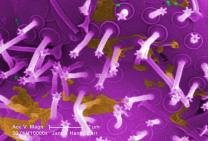
Pathogenic bacteria like E. albertii are very motile, meaning they move around a lot. They are able to do this using hair-like structures called flagellaE. albertii was originally described as non-hairy bacterium and thus far has been considered to be a non-motile pathogenic micro-organism.


Research -Exposure Assessment of Multiple Mycotoxins in Black and White Sesame Seeds Consumed in Thailand

JFP

ABSTRACT

This study was conducted to determine the occurrence of 16 well-recognized and emerging mycotoxins in black and white sesame seed samples sold in Thailand and to evaluate possible health risks to consumers. Samples were extracted and cleaned with a modified QuEChERS procedure. Multiple mycotoxins in sesame seed samples were analyzed with a validated liquid chromatography–tandem mass spectrometry method. The risk of mycotoxin exposure via dietary intake of sesame seeds was evaluated based on the hazard quotient, margin of exposure (MOE), and quantitative liver cancer risk established by European Food Safety Authority, the Food and Agriculture Organization of the United Nations, and the World Health Organization. Of the 200 samples, 21.5% were contaminated with mycotoxins, 19.5% were contaminated with a single mycotoxin, and 2% were contaminated with multiple mycotoxins. Although 9% of total samples were contaminated with aflatoxins (AFs), only one black sesame seed sample and one white sesame seed sample were above the regulatory limits for the European Union (2 μg/kg). The MOE values derived from consumption of black and white sesame seeds were generally <10,000, especially in the group consuming the most. The number of liver cancer cases over a lifetime associated with AFB1 exposure based on the upper bound values for the group consuming high level of black and white sesame seeds (97.5 percentile) was estimated at more than 1 case per one million persons. Therefore, a potential risk to consumer health exists through the consumption of black and white sesame seeds and subsequent exposure to AFB1. However, further evaluation with larger sample sizes is necessary for more accurate calculations. Continuous monitoring of mycotoxin contamination in sesame seeds with risk assessments is recommended.

HIGHLIGHTS
  • Beauvericin, sterigmatocystin, and aflatoxins are frequently found in sesame seed samples.
  • Mycotoxin contamination in most samples was below European Union stipulations.
  • A potential risk to consumer health exists through consumption of sesame seeds.
  • Evaluation of mycotoxin contamination is important to maintain consumer safety.

Research – Survival of toxigenic Escherichia coli on chamomile, peppermint, green, black, ginger, and cinnamon teas during storage and brewing

Wiley Online

In this study, the persistence of toxigenic Escherichia coli (E. coli ) on dried chamomile, peppermint, ginger, cinnamon, black and green teas stored under 4, 10, and 25°C was determined. The E. coli survival rate in ginger and cinnamon teas decreased below 0 on Day 5. In the other tested teas, E. coli survivability showed a downward trend over time, but never dropped to 0. Chamomile tea retained the greatest population of viable E. coli . Meanwhile, die‐off of E. coli was higher at 25°C compared to lower temperatures. Additionally, fate of E. coli during brewing at 60, 70 and 80°C was evaluated. The E. coli population was reduced to below 2 Log colony forming units (CFU)/g after 1 min at 80°C, At the same time, the E. coli survival at 60°C was higher than that at 70°C in all tested teas. The data indicated that if E. coli survives after storage of prepared teas, it may also survive and grow after the brewing process, especially if performed using temperatures <80°C. Finally, we analyzed the correlations between temperature, time, tea varieties and E. coli survival, and successfully constructed a random forest regression model. The results of this study can be used to predict changes in E. coli during storage and fate during the brewing process. Results will form the basis of undertaking a risk assessment.

Research – Washing away stubborn biofilms using fungal cleaning products

Science Daily biofilm

Lurking inside pipes and on the surfaces of indwelling medical devices, slimy layers of bacteria, called biofilms, cause problems ranging from largescale product contamination to potentially fatal chronic infections. Biofilms are notoriously difficult to eliminate — not surprising given that one of their main functions is to protect encased bacteria from threats such as predation, antibiotics, and chemical cleaning agents.

Bleach, harsh oxidizing cleaning products, and petrochemical-derived detergents called surfactants combined with scrubbing are the most effective methods of removing biofilms. However, bleach and harsh chemicals are obviously unsuitable for use in biological settings, and while surfactants are used in products such as hand soap and cosmetics, many are toxic to the environment and can damage the surfaces that they are used on.

But in a study published this month in peer-reviewed journal Langmuir, researchers from the University of Tsukuba have found a new way of tackling biofilms, using cleaning agents derived from microbes themselves.

Netherlands – Deaths linked to Dutch Listeria outbreak double

Food Safety News

The number of deaths linked to a Listeria outbreak from meat products in 2019 has doubled.

It had been thought 21 people were infected with Listeria monocytogenes in the Netherlands and Belgium. One person fell sick in October 2017, eight in 2018, and 12 in 2019. Three people died. All patients were hospitalized and one woman had a miscarriage. Two Dutch patients were pregnant women in their 30s. The others were from 64 to 94 years old and 10 were men.

Now it is known that Listeria in processed meats from Offerman, a Ter Beke subsidiary, made 35 people sick. Two women miscarried and six patients died. The information was revealed in the Dutch Food and Consumer Product Safety Authority’s (NVWA) annual report.

Research – Scientists say Campylobacter behind August 2019 outbreak in Beijing

Food Safety News

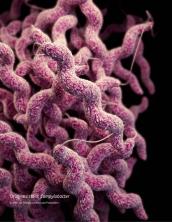
campy2

Image CDC

Researchers in China have reported the first identified outbreak caused by a local Campylobacter jejuni infection in Beijing.

A total of 14 patients were sick who worked at the same factory. They had shared a common meal supplied from a meal delivery company. The outbreak was not related to the ongoing COVID-19 outbreak.

“Recently, the accelerated pace of life may dramatically increase use of meal delivery in major cities and may subsequently increase the risk of infection or food poisoning caused by foodborne pathogens,” said researchers in an article in China CDC Weekly.

Research – Aflatoxin Contamination of Commercial Maize Products During an Outbreak of Acute Aflatoxicosis in Eastern and Central Kenya

PubMed

In April 2004, one of the largest aflatoxicosis outbreaks occurred in rural Kenya, resulting in 317 cases and 125 deaths. Aflatoxin-contaminated homegrown maize was the source of the outbreak, but the extent of regional contamination and status of maize in commercial markets (market maize) were unknown. We conducted a cross-sectional survey to assess the extent of market maize contamination and evaluate the relationship between market maize aflatoxin and the aflatoxicosis outbreak. We surveyed 65 markets and 243 maize vendors and collected 350 maize products in the most affected districts. Fifty-five percent of maize products had aflatoxin levels greater than the Kenyan regulatory limit of 20 ppb, 35% had levels > 100 ppb, and 7% had levels > 1,000 ppb. Makueni, the district with the most aflatoxicosis case-patients, had significantly higher market maize aflatoxin than did Thika, the study district with fewest case-patients (geometric mean aflatoxin = 52.91 ppb vs. 7.52 ppb, p = 0.0004). Maize obtained from local farms in the affected area was significantly more likely to have aflatoxin levels > 20 ppb compared with maize bought from other regions of Kenya or other countries (odds ratio = 2.71; 95% confidence interval, 1.12-6.59). Contaminated homegrown maize bought from local farms in the affected area entered the distribution system, resulting in widespread aflatoxin contamination of market maize. Contaminated market maize, purchased by farmers after their homegrown supplies are exhausted, may represent a source of continued exposure to aflatoxin. Efforts to successfully interrupt exposure to aflatoxin during an outbreak must consider the potential role of the market system in sustaining exposure.


Research – Food safety risk posed to consumers of table eggs from layer farms in Gauteng Province, South Africa: Prevalence of Salmonella species and Escherichia coli , antimicrobial residues, and antimicrobial resistant bacteria

Wiley Online hazegg.jpg

The study conducted on 39‐layer farms in Gauteng Province, South Africa determined the prevalence and resistance of enteropathogens, and antimicrobial residues in table eggs collected from the farms. Eggs were tested for the presence of bacteria using standard methods. The resistance of bacteria to eight antimicrobial agents was determined using the disc diffusion method. Antimicrobial residues were detected in table eggs using the microbial inhibition test, enzyme‐linked immunosorbent assay (ELISA), and high performance liquid chromatography (HPLC). Risk factors for egg contamination by bacteria and antimicrobial residues were determined through a questionnaire survey of farmers. The farm prevalence of Salmonella spp. and Escherichia coli in table eggs was 7.7 and 48.7%, respectively. Nineteen (48.7%) and 2 (5.1%) of eggshells and egg contents, respectively, were positive for coli but only eggshells yielded Salmonella species, 2.0% (4 of 196). Overall, 71.4% of 49 coli isolates exhibited resistance to one or more antimicrobial agents. The farm prevalence and egg content prevalence of antimicrobial residues was 2.6 and 0.5%, respectively, with the detection of sulfonamide (79 ppb) and oxytetracycline (106 ppb). The prevalence of resistant coli and Salmonella spp. and the occurrence of antimicrobial residues in egg content may pose food safety and therapeutic threats to consumers.