Category Archives: Pseudomonas

Research – Microbial community structure of plant-based meat alternatives.

Nature

A reduction in animal-based diets has driven market demand for alternative meat products, currently raising a new generation of plant-based meat alternatives (PBMAs). It remains unclear whether these substitutes are a short-lived trend or become established in the long term. Over the last few years, the trend of increasing sales and diversifying product range has continued, but publication activities in this field are currently limited mainly to market research and food technology topics. As their popularity increases, questions emerge about the safety and nutritional risks of these novel products. Even though all the examined products must be heated before consumption, consumers lack experience with this type of product and thus further research into product safety, is desirable. To consider these issues, we examined 32 PBMAs from Austrian supermarkets. Based on 16S rRNA gene amplicon sequencing, the majority of the products were dominated by lactic acid bacteria (either Leuconostoc or Latilactobacillus), and generally had low alpha diversity. Pseudomonadota (like Pseudomonas and Shewanella) dominated the other part of the products. In addition to LABs, a high diversity of different Bacillus, but also some Enterobacteriaceae and potentially pathogenic species were isolated with the culturing approach. We assume that especially the dominance of heterofermentative LABs has high relevance for the product stability and quality with the potential to increase shelf life of the products. The number of isolated Enterobacteriaceae and potential pathogens were low, but they still demonstrated that these products are suitable for their presence.

Research – Opportunistic Pathogens in Drinking Water Distribution Systems—A Review

MDPI

Abstract

In contrast to “frank” pathogens, like Salmonella entrocoliticaShigella dysenteriae, and Vibrio cholerae, that always have a probability of disease, “opportunistic” pathogens are organisms that cause an infectious disease in a host with a weakened immune system and rarely in a healthy host. Historically, drinking water treatment has focused on control of frank pathogens, particularly those from human or animal sources (like Giardia lambliaCryptosporidium parvum, or Hepatitis A virus), but in recent years outbreaks from drinking water have increasingly been due to opportunistic pathogens. Characteristics of opportunistic pathogens that make them problematic for water treatment include: (1) they are normally present in aquatic environments, (2) they grow in biofilms that protect the bacteria from disinfectants, and (3) under appropriate conditions in drinking water systems (e.g., warm water, stagnation, low disinfectant levels, etc.), these bacteria can amplify to levels that can pose a public health risk. The three most common opportunistic pathogens in drinking water systems are Legionella pneumophilaMycobacterium avium, and Pseudomonas aeruginosa. This report focuses on these organisms to provide information on their public health risk, occurrence in drinking water systems, susceptibility to various disinfectants, and other operational practices (like flushing and cleaning of pipes and storage tanks). In addition, information is provided on a group of nine other opportunistic pathogens that are less commonly found in drinking water systems, including Aeromonas hydrophilaKlebsiella pneumoniaeSerratia marcescensBurkholderia pseudomalleiAcinetobacter baumanniiStenotrophomonas maltophiliaArcobacter butzleri, and several free-living amoebae including Naegleria fowleri and species of Acanthamoeba. The public health risk for these microbes in drinking water is still unclear, but in most cases, efforts to manage Legionella, mycobacteria, and Pseudomonas risks will also be effective for these other opportunistic pathogens. The approach to managing opportunistic pathogens in drinking water supplies focuses on controlling the growth of these organisms. Many of these microbes are normal inhabitants in biofilms in water, so the attention is less on eliminating these organisms from entering the system and more on managing their occurrence and concentrations in the pipe network. With anticipated warming trends associated with climate change, the factors that drive the growth of opportunistic pathogens in drinking water systems will likely increase. It is important, therefore, to evaluate treatment barriers and management activities for control of opportunistic pathogen risks. Controls for primary treatment, particularly for turbidity management and disinfection, should be reviewed to ensure adequacy for opportunistic pathogen control. However, the major focus for the utility’s opportunistic pathogen risk reduction plan is the management of biological activity and biofilms in the distribution system. Factors that influence the growth of microbes (primarily in biofilms) in the distribution system include, temperature, disinfectant type and concentration, nutrient levels (measured as AOC or BDOC), stagnation, flushing of pipes and cleaning of storage tank sediments, and corrosion control. Pressure management and distribution system integrity are also important to the microbial quality of water but are related more to the intrusion of contaminants into the distribution system rather than directly related to microbial growth. Summarizing the identified risk from drinking water, the availability and quality of disinfection data for treatment, and guidelines or standards for control showed that adequate information is best available for management of L. pneumophila. For L. pneumophila, the risk for this organism has been clearly established from drinking water, cases have increased worldwide, and it is one of the most identified causes of drinking water outbreaks. Water management best practices (e.g., maintenance of a disinfectant residual throughout the distribution system, flushing and cleaning of sediments in pipelines and storage tanks, among others) have been shown to be effective for control of L. pneumophila in water supplies. In addition, there are well documented management guidelines available for the control of the organism in drinking water distribution systems. By comparison, management of risks for Mycobacteria from water are less clear than for L. pneumophila. Treatment of M. avium is difficult due to its resistance to disinfection, the tendency to form clumps, and attachment to surfaces in biofilms. Additionally, there are no guidelines for management of M. avium in drinking water, and one risk assessment study suggested a low risk of infection. The role of tap water in the transmission of the other opportunistic pathogens is less clear and, in many cases, actions to manage L. pneumophila (e.g., maintenance of a disinfectant residual, flushing, cleaning of storage tanks, etc.) will also be beneficial in helping to manage these organisms as well.

Research – Surveillance and source tracking of foodborne pathogens in the vegetable production systems of India

Science Direct

Abstract

Fresh vegetables are prone to foodborne pathogen infection due to improper cultivation methods and poor post-harvest handling practices. This paper describes the prevalence of foodborne pathogens in three vegetables (tomato, brinjal, and lablab) cultivated by small-scale producers of India. We assessed the possible entry of pathogens into the vegetable production chain. Samples from soil, manure, irrigation water, harvesting bins, and workers’ hands were assessed as sources of possible pathogen entry. In addition, further sampling was done to determine prevalence of these pathogens in the produce from the agricultural fields and markets. Total plate counts, yeast and mold count, total coliforms like general microbial indices, and possible foodborne pathogens like SalmonellaEscherichia coli O157, Staphylococcus aureusPseudomonas aeruginosa, and Norovirus were assessed in all the samples by standard microbiological, biochemical, and molecular methods. The results revealed that among the three vegetables we studied, brinjal had the highest load of general microbial indicators. Moreover, the total coliforms count of market vegetables was higher than that of on-farm vegetables, indicating poor hygiene in post-harvest operations. The pathogen Pseudomonas aeruginosa was found in the market tomatoes (0.35 log10 cfu/g), and E. coli was detected in the market samples of brinjal (2.98–3.89 log10 cfu/g) and lablab (0.59–2.21 log10 cfu/g), thereby revealing fecal cross-contamination during pre or post-harvest operations. None of the vegetable samples were contaminated with E. coli O157:H7, Staphylococcus aureusSalmonella sp., and norovirus. However, the microbiological source tracking of primary production farms showed that E. coli O157:H7 was present in manure (9/27), soil (6/27), harvest bins (6/27), and irrigation water samples (3/27) of SSP farms. In addition, soil (33%), manure (11%), and harvest bins (11%) had Pseudomonas aeruginosa. In conclusion, our study suggests that adequate knowledge of good agricultural practices for small-scale producers to cultivate microbiologically safe vegetable production and proper handling strategies for vegetable vendors is crucial to mitigate foodborne pathogen outbreaks through fresh vegetables.

Research – Microbial diversity and prediction function profiling of microbial communities in rose jam

Wiley Online

Abstract

The microbial diversity of rose jam was analyzed by high-throughput sequencing, along with functional prediction of the bacterial community. The results indicate that PseudomonasPantoea, and Burkholderia emerged were the top three dominant bacterial groups. Proteobacteria was particularly abundant in R4 (99.1%) and R6 (96.12%).

Abstract

The microbial diversity of rose jam was analyzed by high-throughput sequencing, along with functional prediction of the bacterial community. The results indicate that PseudomonasPantoea, and Burkholderia emerged were the top three dominant bacterial groups. Proteobacteria was particularly abundant in R4 (99.1%) and R6 (96.12%). Zygosaccharomyces, unclassified fungi, and Botrytis constituted the top three fungal groups. The presence of unclassified OTUs was observed in all samples, particularly in R6 (52.36%), R8 (45.28), and R9 samples (39.57%). Gene prediction using PICRUSt revealed the existence of multiple KEGG functional modules associated with human metabolism in each rose jam sample. The presence of a high abundance of functional genes indicated the microbial community’s diverse wide range of microgenetic resources that can be further explored for research purposes. The microbial community found in rose jam exhibits remarkable diversity and encompasses valuable functional information relevant to human health.

, unclassified fungi, and Botrytis constituted the top three fungal groups. The presence of unclassified OTUs was observed in all samples, particularly in R6 (52.36%), R8 (45.28), and R9 samples (39.57%). Gene prediction using PICRUSt revealed the existence of multiple KEGG functional modules associated with human metabolism in each rose jam sample. The presence of a high abundance of functional genes indicated the microbial community’s diverse wide range of microgenetic resources that can be further explored for research purposes. The microbial community found in rose jam exhibits remarkable diversity and encompasses valuable functional information relevant to human health.

Research – Deep Impact: Shifts of Native Cultivable Microbial Communities on Fresh Lettuce after Treatment with Plasma-Treated Water

MDPI

Abstract

Foods consumed raw, such as lettuce, can host food-borne human-pathogenic bacteria. In the worst-case, these diseases cause to death. To limit illness and industrial losses, one innovative sanitation method is non-thermal plasma, which offers an extremely efficient reduction of living microbial biomass. Unfortunately, the total viable count (TVC), one of the most common methods for quantifying antimicrobial effects, provides no detailed insights into the composition of the surviving microbial community after treatment. To address this information gap, different special agars were used to investigate the reduction efficiency of plasma-treated water (PTW) on different native cultivable microorganisms. All tested cultivable microbial groups were reduced using PTW. Gram-negative bacteria showed a reduction of 3.81 log10, and Gram-positive bacteria showed a reduction of 3.49 log10. Fungi were reduced by 3.89 log10. These results were further validated using a live/dead assay. MALDI-ToF (matrix-assisted laser-desorption-ionization time-of-flight)-based determination was used for a diversified overview. The results demonstrated that Gram-negative bacteria were strongly reduced. Interestingly, Gram-positive bacteria and fungi were reduced by nearly equal amounts, but could still recover from PTW treatment. MALDI-ToF mainly identified Pseudomonas spp. and groups of Bacillus on the tested lettuce. These results indicate that the PTW treatment could efficiently achieve a ubiquitous, spectrum-wide reduction of microbial life.

Research – Lactic acid bacteria and spoilage bacteria: Their interactions in Escherichia coli O157:H7 biofilms on food contact surfaces and implications for beef contamination

Wiley Online

Abstract

This research explores the interaction between Shiga toxin-producing Escherichia coli (STEC) O157:H7 and bacteria species commonly found in beef processing environments, specifically CarnobacteriumLactobacillusComamonasRaoultella, and Pseudomonas. The study investigated how various environmental conditions impact the formation of biofilms and the ability of O157:H7 to transfer from multispecies biofilm onto beef surfaces. For this purpose, a mixture of lactic acid bacteria (LAB), spoilage bacteria (106 CFU/mL), and E. coli O157 (103 CFU/mL) were combined as follows: LAB (T1)Carnobacterium piscicola + Lactobacillus bulgaricus + O157:H7, an spoilage bacteria (T2)Comamonas koreensis + Raoultella terrigena + O157:H7, an spoilage bacteria (T3)Pseudomonas aeruginosa + C. koreensis strain + O157:H7 and only O157:H7 as control (T4). Multispecies biofilms were developed on thermoplastic polyurethane (TPU) and stainless steel (SS) coupons at 10 and 25°C for 6 days, washed and stored for 6, 30, and 60 days at wet (60%–90% RH) and dry (20%–50%, RH) conditions. To evaluate O157:H7 transfer, beef cubes (3 × 3 × 1 cm) were placed on the coupons, followed by a 50-g weight (7.35 kPa). The experiment was repeated three times in triplicate for each strain combination. Results demonstrate that biofilms formed at 10°C were generally weaker (less biomass) than those at 25°C. Regardless of temperature, more viable O157:H7 cells were transferred to beef from moist biofilms on TPU surfaces. At 25°C, T3 biofilm exhibited the lowest O157:H7 transfer to beef by 1.44 log10 CFU/cm2 (p < 0.01). At 10°C, none of the multispecies biofilm (T1–T3) affected the number of O157:H7 transfers to beef (p > 0.05). Notably, O157:H7 was not detected on food contact surfaces with 30 and 60-day-old dry biofilms (T1–T4). Through enrichment, E. coli O157:H7 was recovered from multispecies biofilms T1, T2, and T3. Findings from this study imply that multispecies biofilms contribute to the persistence of O157:H7 under dry conditions, regardless of temperature. These results underscore the intricate influence of multiple environmental factors—including surface type, biofilm age, humidity, temperature, and the presence of other bacterial species—on the risk of beef contamination facilitated by biofilms.

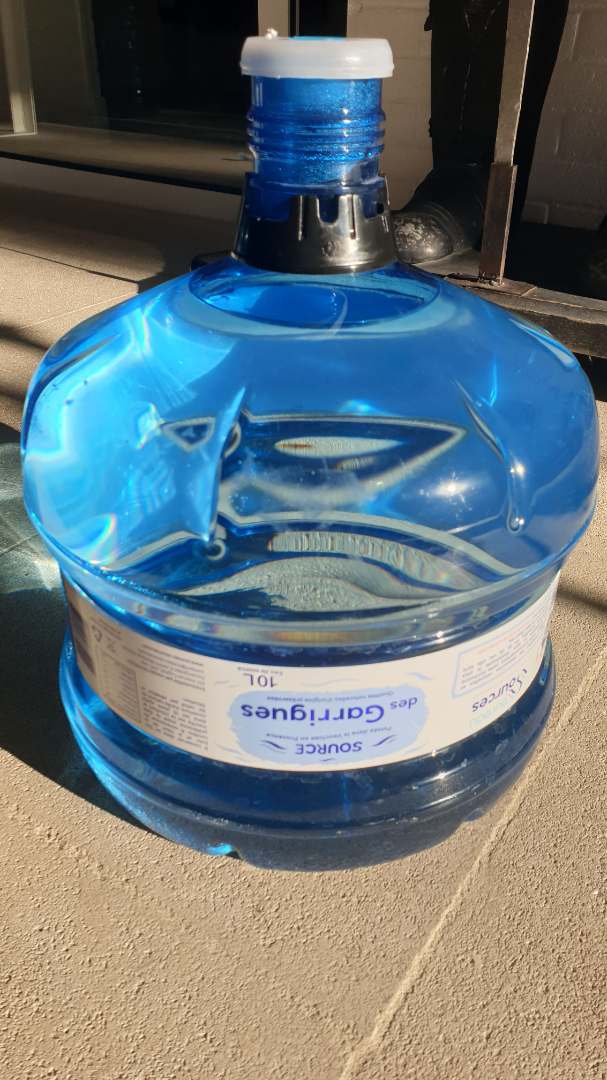
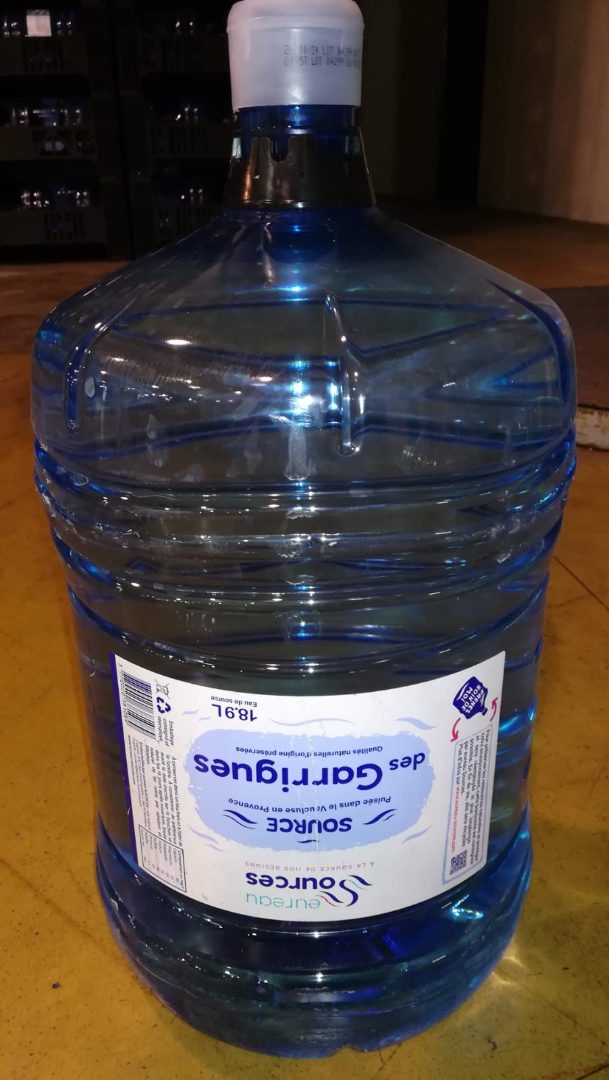
France – Spring Water – E.coli – STEC E.coli – Pseudomonas

Gov France

Product category
Food
Product subcategory
Waters
Product brand name
Source of the Garrigues
Model names or references
spring water carboys – Garrigues sources – 10 liters spring water carboys – Garrigues sources – 5 Gallons
Product identification
GTIN Batch
3770020381041 Marking on cap Lot 84042 + date 02/10/2023 or total absence of marking on cap
3770020381089 Marking on cap Lot 84042 + date 02/10/2023 or total absence of marking on cap
Products List
Certificate_lot_concerned_by_the_recall.pdfAttachment
Packaging
10 liter and 5 gallon (18.9 liter) bottles (carboys)
Start/end date of marketing
Since 02/17/2022
Storage temperature
Product to be stored at room temperature
Further information
Carboys (bottles) delivered by the distributor Mont Ventoux Distribution, on which the expiration date may have been removed from its normal location on the cap.
Geographical sales area
Regions: Auvergne-Rhône-Alpes, , , , , , , , , , , , , , , , Provence-Alpes-Côte d’Azur
Distributors
Mont Ventoux Distribution (591, avenue Joseph Vernet 84810 AUBIGNAN)
List of points of sale
List_points_of_sale.pdf

Research – Prevalence of Multidrug-Resistant Pseudomonas aeruginosa Isolated from Dairy Cattle, Milk, Environment, and Workers’ Hands

MDPI

Abstract

Pseudomonas aeruginosa is an opportunistic pathogen causing severe infection in animals and humans. This study aimed to determine the ecological distribution and prevalence of multidrug-resistant (MDR) P. aeruginosa isolated from dairy cattle, the environment, and workers’ hand swabs. Samples (n = 440) were collected from farms and households (n = 3, each). Rectal swabs, udder skin swabs, milk, workers’ hand swabs, feed, water, water sources, and beddings were collected. Samples were subjected to the bacterial identification of P. aeruginosa via 16S rRNA. Antimicrobial resistance (AMR) was detected either phenotypically using an antibiotic susceptibility test or genotypically with AMR resistance genes (ARGs) such as drfA, sul1, and ermB. P. aeruginosa was detected on dairy farms and households (10.3–57.5%, respectively), with an average of 23.2%. The resistance of dairy farm strains was observed against sulfamethoxazole, imipenem, cefepime, piperacillin–tazobactam, and gentamycin (100%, 72.7%, 72.7%, 68.8%, and 63.3%, respectively). Meanwhile, the resistance of household strains was observed against sulfamethoxazole, imipenem, amoxicillin, gentamicin, cefepime, and erythromycin by 91.3%, 82.6%, 75.4%, 75.4%, 68.1%, and 63.8%, respectively. The susceptibility of farm strains was detected against norfloxacin, ciprofloxacin, and levofloxacin (90.9%, 84.8%, and 72.7%, respectively). Meanwhile, the susceptibility of household strains was detected against ciprofloxacin, amikacin, and norfloxacin (100%, 84.1%, and 72.5%, respectively). About 81.4% of P. aeruginosa strains were MDR. ARGs (drfA, sul1, and ermB) were detected in farm strains (48.5%, 72.7%, and 24.4%, respectively) and household strains (50.7%, 72.5%, and 47.8%, respectively). Almost all P. aeruginosa had MAR over 0.2, indicating repeated application of antibiotics. P. aeruginosa prevalence was fivefold higher in households than on farms. MDR strains were higher amongst household strains than farm strains.

Research – Antimicrobial Activity of Essential Oils in Vapor Phase In Vitro and Its Application in Combination with Lactic Acid to Improve Chicken Breast Shelf Life

MDPI

Abstract

The effect of essential oils (EOs) incorporated in their vapor phase combined with lactic acid immersion pretreatment was studied on fresh refrigerated chicken breast shelf life. Among the several EOs assayed, the in vitro results obtained from the vapor diffusion test allowed mustard, oregano, and garlic EOs to be selected due to their higher antimicrobial activity. In addition, it was possible to determine the EO minimum inhibitory concentrations against Pseudomonas aeruginosa and Escherichia coli and to identify EO binary mixtures showing synergistic or additive effects. Based on the obtained results, a ternary mixture constituted by 0.073, 0.292, and 0.146 µL/mL of headspace of mustard, oregano, and garlic, respectively, was proposed for its application to chicken breasts. The ternary mixture inhibitory action was confirmed in vitro against P. aeruginosa and E. coli. Furthermore, the presence of numerous compounds with recognized antimicrobial and antioxidant activity was found in its volatile phase through gas chromatography. When applying an EO mixture in its vapor phase in combination with 1.0% v/v of lactic acid immersion pre-treatment on refrigerated chicken breast, a decrease in mesophilic microorganisms’ growth rate as well as in lipid oxidation was observed. Moreover, in a preliminary sensory test, the treated chicken breast was found to be acceptable to consumers and showed no significant differences compared to untreated chicken. In conclusion, the combined use of lactic acid immersion and EOs in their vapor phase was an effective alternative to increase chicken breast shelf life.

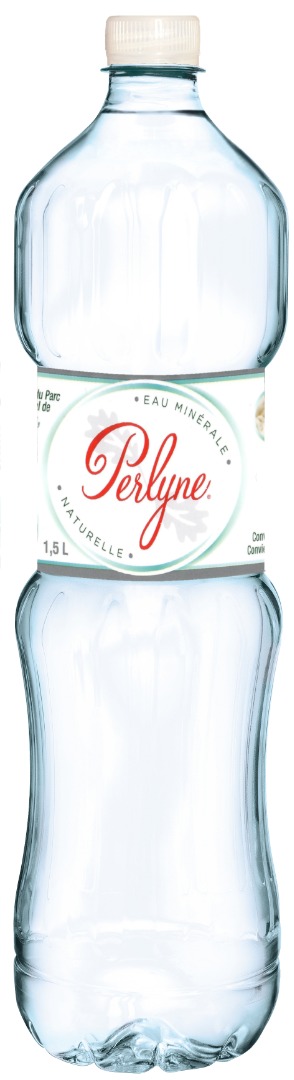
France – natural mineral water – Pseudomonas

Gov france

  • Product category Food
  • Product subcategory Waters
  • Product brand name PERLYNE
  • Model names or references PERLYNE BOTTLE 1.5L
  • Product identification
    GTIN Batch Date
    3770004468003 L23271-1 Use-by date 09/28/2025
  • Packaging 6 x 1.5 liters
  • Start/end date of marketing From 03/10/2023 to 07/10/2023
  • Storage temperature Product to be stored at room temperature
  • Geographical sales areaWhole France
  • Distributors Match Bavay Intermarché Le Cateau Carrefour Gommegnies