Rio Coffee Pty Ltd is conducting a recall of Milk Lab Almond Milk 1L. The product has been available for sale at select supermarkets, cafes and restaurants in SA.
Date markings
Best Before 6 AUG 2021
Problem
The recall is due to potential microbial contamination.
Food safety hazard
Food products with microbial contamination may cause illness if consumed.
Country of origin
Australia
What to do
Any consumers concerned about their health should seek medical adviceand should return the product to the place of purchase for a full refund.
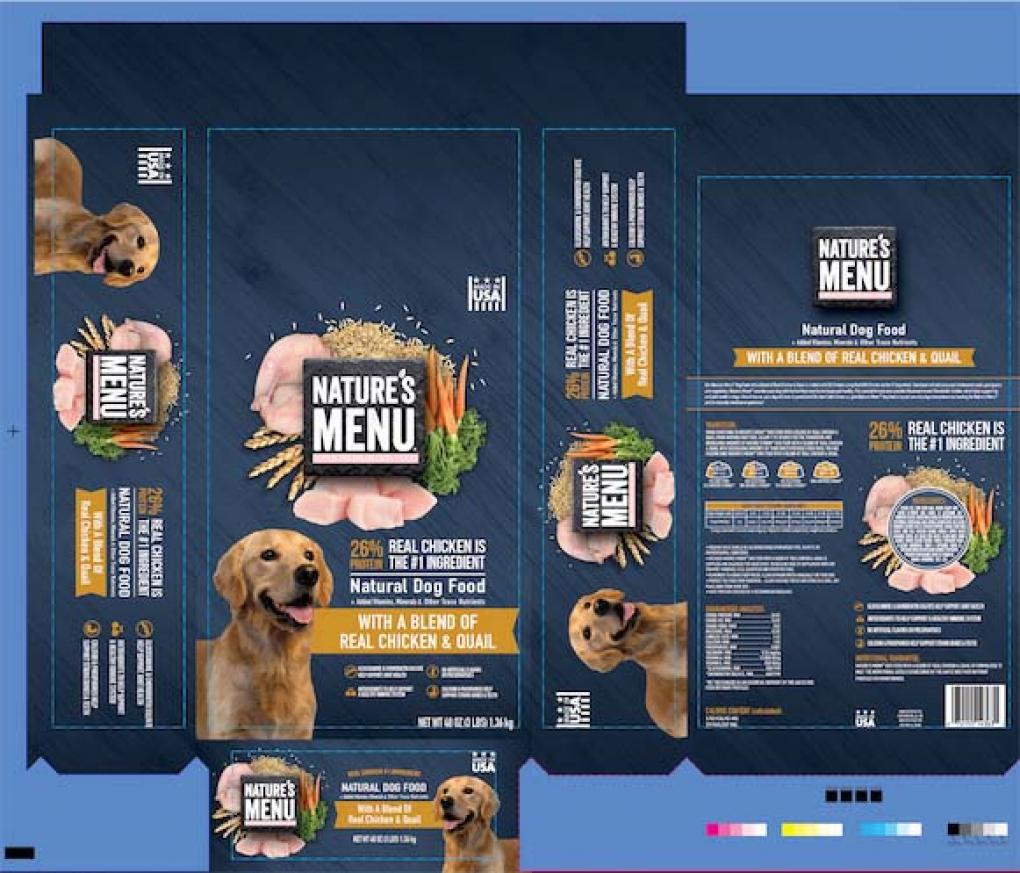
Sunshine Mills, Inc. is issuing a voluntary recall of Nature’s Menu® Super Premium Dog Food with a Blend of Real Chicken & Quail because of the potential to be contaminated with Salmonella.
Nature’s Menu® Super Premium Dog Food with a Blend of Real Chicken & Quail
Salmonella can affect animals eating the products and there is risk to humans from handling contaminated products, especially if they have not thoroughly washed their hands after having contact with the products or any surfaces exposed to these products.
Healthy people infected with Salmonella should monitor themselves for some or all of the following symptoms: nausea, vomiting, diarrhea or bloody diarrhea, abdominal cramping and fever. Rarely, Salmonella can result in more serious ailments, including arterial infections, endocarditis, arthritis, muscle pain, eye irritation, and urinary tract symptoms. Consumers exhibiting these signs after having contact with this product should contact their healthcare providers.
Pets with Salmonella infections may be lethargic and have diarrhea or bloody diarrhea, fever, and vomiting. Some pets will have only decreased appetite, fever and abdominal pain. Infected but otherwise healthy pets can be carriers and infect other animals or humans. If your pet has consumed the recalled product and has these symptoms, please contact your veterinarian.
The recalled products were distributed in retail stores nationally and can be identified with the following UPC 7015514363 and UPC 7015514365.
The product comes in a 3-pound bag with the following lot codes:
TE1 20/April /2020, TE1 21/April/2020, TE1 22/April/2020, TE2 20/April /2020, TE2 21/April/2020,
TE2 22/April/2020, TE3 20/April/2020, TE3 21/April/2020, TE3 22/April/2020.
The product comes in a 13.5-pound bag with the following lot codes:
TB1 20/April /2020, TB1 21/April/2020, TB1 22/April/2020, TB2 20/April /2020, TB2 21/April/2020,
TB2 22/April/2020, TB3 20/April/2020, TB3 21/April/2020, TB3 22/April/2020.
There are no other Nature’s Menu® products or other lot codes of the Nature’s Menu® Super Premium Dog Food with a Blend of Real Chicken & Quail affected by this precautionary recall.
No illnesses, injuries or complaints have been reported to date.
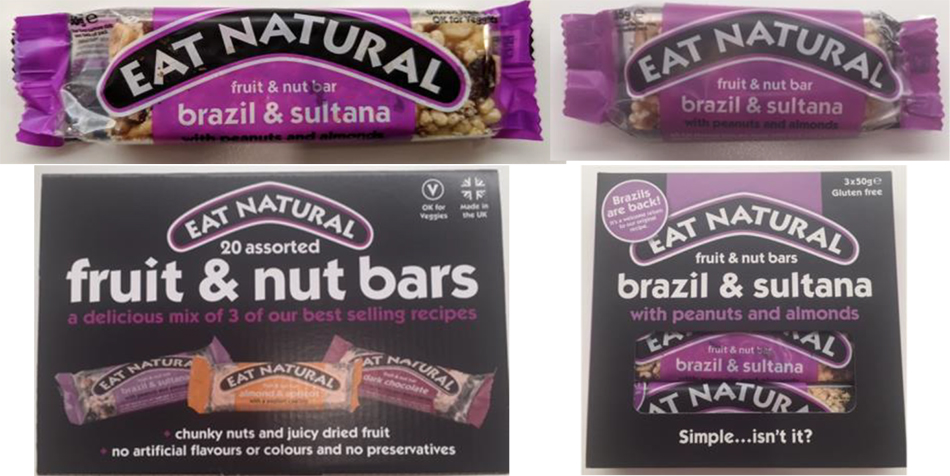
Matvælastofnun warns against consuming Eat Natural energy bars from the British company Hand2mouth, which Costco imports and sells in its store due to the risk of salmonella. Costco in Iceland has contacted its customers who have purchased the product and recalled it, in consultation with the Health Inspectorate of the Hafnarfjörður and Kópavogur areas.
The recall only applies to the following cycles:
Product: Brazil & sultana with peanuts and almonds
Brand: Eat Natural
Size and bar code: 35g pcs. 96003787 4x 35g package 5013803666712 50g pcs. 50676262 3x 50g package 5013803666149 12x 50g box 50138803621247 20x 50g various types 5013803666385
Best for: AUGUST 2020, SEP 2020, OCT 2020, NOV 2020, DEC 2020, JAN 2021, FEB 2021, MAR 2021, APR 2021, MAY 2021, JUNE 2021, JUL 2021
Distribution: Costco and Heimkaup store
Customers can get their product refunded according to the instructions in Costco’s press release below.
The objectives of this study were to evaluate the efficacy of erythrosine B (ERY, Red No. 3)‐mediated photodynamic therapy (PDT) for inactivating Escherichia coli O157:H7, Salmonella Typhimurium, and Listeria monocytogenes in tomato juice. The inoculated tomato juice was subjected to xenon light (E − L+), ERY (E + L−), or xenon light and ERY combination (E + L+) treatments. Treatment with E + L+ for 15 min decreased the cell counts of E. coli O157:H7, S . Typhimurium, and L. monocytogenes by 6.77, 2.74, and 6.43 log CFU/mL, respectively, without generating sublethally injured cells. The cell count reductions of E. coli O157:H7 and L. monocytogenes in the E + L+ treatment group were higher than the sum of cell count reductions in the E − L+ and E + L− treatment groups, which indicated the synergistic activity of the treatment combination. The T 3d and T 5d values calculated by the Weibull model indicated that S . Typhimurium exhibited higher resistance to the E + L+ treatment than the other two pathogens. Compared with control group, the E + L+ treatment group exhibited higher lycopene content and a * (red) value, whereas the pH value and sensory attributes were not significantly (p > .05) altered. These results suggest that ERY‐mediated PDT can be potentially applied to control foodborne pathogens in tomato juice products without negatively affecting the product quality.
The present study investigated the effects of combined ultrasound (37 kHz, 380 W for 5 min) and peroxyacetic acid (PAA; 50–200 ppm) treatment on the reduction of Salmonella Typhimurium and Campylobacter jejuni on chicken skin. Ultrasound was not sufficient to inactivate S . Typhimurium (0.48 log CFU/g reduction) or C. jejuni (0.25 log CFU/g reduction), whereas PAA significantly (p < .05) reduced S . Typhimurium (0.93–1.59 log CFU/g reduction) and C. jejuni (0.77–1.52 log CFU/g reduction). However, maximum reductions of 2.21 and 2.08 log CFU/g were observed for S . Typhimurium and C. jejuni , respectively, for combined treatment with 5 min of ultrasound and 200 ppm PAA. Our results indicate that a combination of ultrasound treatment for 5 min and 200 ppm PAA was more effective in reducing S . Typhimurium and C. jejuni compared to the individual treatments, without significantly affecting the color or texture of the chicken skin, thus, demonstrating its potential to increase the microbial safety during poultry processing.
The effects of antibacterial treatments and several natural chemicals on the quality and safety of crab paste during storage at −20°C were investigated. All antibacterial treatments significantly reduced the bacterial total viable count (TVC) of swimming crabs, with sodium hypochlorite (NaClO) combined with ultrasonic cleaning having the best effects. Four chemicals significantly inhibited the increase in TVC, pH, and the accumulation of total volatile basic nitrogen (TVB‐N) compared to controls, and their combined treatment had synergistic effects. The L 9 (3 4 ) orthogonal experiment showed that the optimum combination was A 1B 3C 3D 2 (i.e., 0.1 g kg−1 nisin, 0.4 g kg−1 ε‐polylysine hydrochloride, 0.3 g kg−1 tea polyphenol, and 0.5 g kg−1 citric acid). The TVC, TVB‐N concentration, and pH in A 1B 3C 3D 3‐treated samples remained far below the maximum acceptable limit for good‐quality marinated, raw, aquatic animal product after 12 months of frozen storage at −20°C. Furthermore, the combined treatment (A 1B 3C 3D 3) significantly inhibited the reproduction of foodborne pathogenic bacteria and spoilage bacteria. The antibacterial treatments and natural chemicals reduced foodborne pathogenic bacteria and inhibited microbial spoilage, and therefore maintained the quality and safety of crab paste during frozen storage. Antibacterial treatments and natural chemicals could be commercially utilized to maintain the quality and safety of crab paste.
Isochoric freezing, different from isobaric (conventional) freezing, allows for storage below freezing temperatures without significant damage from ice formation. While several types of tissues have been successfully stored in sub‐zero isochoric conditions, it is unknown how isochoric freezing affects pathogenic microorganisms. Thus, the objective of this study was to investigate the survival of Salmonella Typhimurium and Listeria monocytogenes at below freezing storage (<0°C) in isochoric conditions. Tested conditions included storage at −4, −7, and −15°C for 24 hr and at −15°C for 1, 2, 3, 6, 12, and 24 hr. A comparison of bacterial survival during isobaric freezing was included with every trial. Additionally, bacterial cells were examined for morphological damage using transmission electron and field‐emission scanning electron microscopes. Isochoric freezing at −15°C for 24 hr reduced both species of bacteria down to unrecoverable levels and maximum efficacy achieved after the 6 hr timepoint for L. monocytogenes and the 12 hr timepoint for S. Typhimurium. When viewed using electron microscopy, S. Typhimurium cells were noticeably disfigured with regions of cytosol separated from the cell wall. The results of this study demonstrate that isochoric freezing is capable of substantial levels of pathogen reduction. Unlike conventional nonthermal interventions, isochoric freezing does not require additional devices such as elevated pressure machines or pulsed electric fields and can be achieved with simple, inexpensive, rigid closed volume containers such as household freezers or commercial cold storage facilities.
In 2017, Yemen experienced one of its worst cholera outbreaks on record. Following heavy rains, flooding, and mass movement of the population due to civil unrest, more than one million people were suspected of contracting cholera and at least 2,000 died. A few scientists saw it coming, and they are now working to make sure people are prepared for future cholera outbreaks in Yemen and around the world.
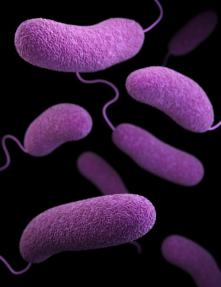
Cholera is a waterborne bacterial infection that can spread quickly through a population. The disease is primarily contracted by consuming water or food contaminated with the cholera bacteria, Vibrio cholerae. It causes uncontrollable diarrhea that, if left untreated, can result in dehydration or death.
A team of NASA-funded researchers has been using satellite and ground-based data to forecast the risk of cholera in Yemen and other countries. The map above shows the forecasted risk of cholera in Yemen from August 10 to September 6, 2020. It was created with the Cholera Prediction Modeling System, which incorporates NASA precipitation data, air temperature data from NASA’s MERRA-2 reanalysis product, and population data. The number of cholera cases could increase in coming weeks, influenced by heavy rains that usually fall in August, though researchers predict the outbreaks should be limited to a few hotspots unless there is a large population displacement.
As soon as the foodborne pathogen Vibrio parahaemolyticus infects a human intestinal cell, the bacteria are already planning their escape. After all, once it is in and multiplies, the bacterium must find a way out to infect new cells.
Now, UT Southwestern scientists have discovered the surprising route that V. parahaemolyticus takes during this exit — or egress — from cells. The bacteria, they report in the journal eLife, gradually modify cholesterol found in a cell’s plasma membrane, eventually weakening the membrane enough so that it can break through.
“The more we understand how bacteria are manipulating host cells at a molecular level, the more we understand how they cause disease,” says study leader Kim Orth, Ph.D., professor of molecular biology and biochemistry at UTSW and a Howard Hughes Medical Institute investigator. “Bacteria have many different mechanisms to escape, but this stood out because it’s an especially novel one.”
This paper was to investigate the interactions among Salmonella enteritidis, Lactobacillus plantarum , and Pseudomonas aeruginosa at four combinations of initial concentration. Firstly, fitting the growth curves to obtain growth parameters—lag time (λ ), maximal growth rate ( μ max), initial concentration (N 0), and maximum population density (N max) for each strain in monocultures or cocultures. Then interactions among S. enteritidis, P. aeruginosa , and L. plantarum in cocultures at four combinations of initial concentration were quantified by the Lotka–Volterra model with six interaction coefficients. Results indicated that there were no interactions between S. enteritidis and P. aeruginosa ; S. enteritidis and P. aeruginosa had an inhibitory effect on L. plantarum , but L. plantarum had no effects on another two. Besides, the higher the initial concentrations of S. enteritidis or P. aeruginosa , the lower the growth potential of L. plantarum . This study provided more accurate predictions for the growth of bacteria under actual food contamination conditions.