Salmonella in feed material from Germany in Finland
Salmonella Yoruba in feed from Russia in Finland
Salmonella Lexington in rapeseed extraction meal from Germany in the Netherlands
Salmonella in fishmeal from Denmark in Belgium

Salmonella in feed material from Germany in Finland
Salmonella Yoruba in feed from Russia in Finland
Salmonella Lexington in rapeseed extraction meal from Germany in the Netherlands
Salmonella in fishmeal from Denmark in Belgium
The Associated Press reports tonight that Georgia state health officials are investigating whether E. coli (presumably, E. coli O157:H7) was spread at the Georgia National Fair held earlier this month.
The Georgia Department of Public Health said it has confirmed four cases of the illness among children who were at the event in Perry from Oct. 7 to Oct. 17, news outlets reported. Three of them are now hospitalized.
Hokanson said they’ve created an online survey that they hope will help them pinpoint the cause of the problem. Anyone who went to the fair can fill it out — even if they did not get sick after the event. State epidemiologists are working to determine what could have caused the outbreak by comparing activities between those who became sick and those who did not.
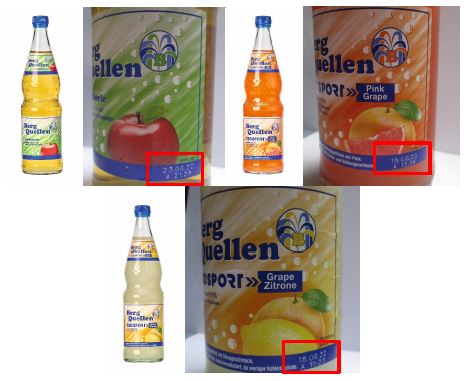
Berg Quellen Apfelschorle returnable glass bottle 0.7 l “with the best before date 06/23/22, Berg Quellen Iso Sport Pink Grape returnable glass bottle 0.7 l with the best before 06/18/22 and Berg Quellen Iso Sport Grape lemon returnable glass bottle 0.7 l” with the best before 06/18/22
Press release
Branded drinks Schwollen GmbH
As part of quality assurance, it was found that individual bottles undergo fermentation, which can lead to alcohol formation and the bottles to burst.
Posted in Fermentation, food contamination, Food Inspections, Food Micro Blog, Food Microbiology, Food Microbiology Blog, Food Microbiology Testing, food recall, Food Safety, Food Safety Alert, Food Testing, microbial contamination, Microbiological Risk Assessment, Microbiology, Microbiology Investigations, Yeasts
10/27/2021
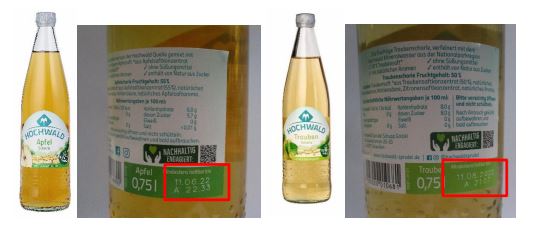
Hochwald apple spritzer returnable glass bottle 0.75 l with the best before 11.06.22 and Hochwald grape spritzer returnable glass bottle 0.75 l with the best before 11.08.22
Press release
Hochwald Sprudel Schupp GmbH
As part of quality assurance, it was found that individual bottles undergo fermentation, which can lead to alcohol formation and the bottles to burst.
BISHKEK, Oct. 27 (Xinhua) — The victims of food poisoning in a popular chain of cafes Pizza Empire in the capital of Kyrgyzstan have grown to 282, local media reported on Wednesday.
As of Wednesday morning, the total number of people who were poisoned in Pizza Empire chain of cafes reached 282, including 31 children, head of the food hygiene department of the Central State Sanitary and Epidemiological Service Makhamat Murzashev told Kabar News Agency.
He said that 60 of them receive inpatient care, and nine people were discharged from hospitals Tuesday.
“Also among the children, 18 were hospitalized. The condition of the hospitalized citizens is assessed as moderate and severe, but there is no one in the intensive care unit,” he added.
The first 12 victims of mass poisoning had asked for medical help on Oct. 23-24.
In the course of the epidemiological investigation, it was found that the victims had eaten rolls at Pizza Empire cafes located in four different parts of the city.
At the moment, all cafe chains are temporarily closed.
Posted in food contamination, food handler, Food Hazard, Food Hygiene, Food Illness, Food Inspections, Food Micro Blog, Food Microbiology, Food Microbiology Blog, Food Microbiology Testing, Food Pathogen, Food Poisoning, food recall, Food Safety, Food Safety Alert, Food Testing, Food Toxin, microbial contamination, Microbiological Risk Assessment, Microbiology, Microbiology Investigations

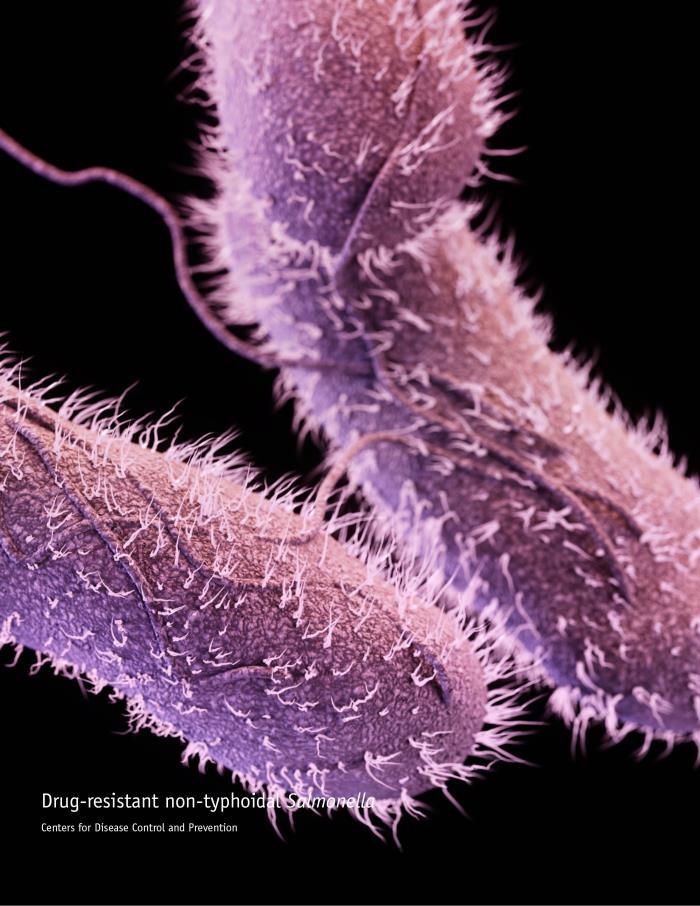
Salmonella enterica is a leading worldwide cause of foodborne human illnesses (WHO, 2015).
Salmonella isolates can be differentiated into serotypes according to the Kauffmann-White classification based on their flagellar (H) and somatic antigens (Grimont P. & Weill FX, 2007) or using genome-based serotyping approaches (Banerji S. et al ., 2020 ).
Among the> 2500 referenced serotypes (Ibrahim GM and Morin PM, 2018), Enteritidis and Typhimurium have proven to be both consistent contaminants along the food chain but more importantly as prominent isolates from diseases in humans (EFSA & ECDC, 2021).
These two serotypes are indeed particularly adapted to hostile environments such as farm animals or food industries’ environments and ultimately, human bodies. Their chromosomal or plasmid-borne virulence and regulatory factors often associated to antimicrobial resistance determinants (Cadel-six S. et al ., 2021) confer upon them striking fitness for survival and spread (Chen RA et al., 2019; Huang X. et al. al ., 2019; Guillén, S. et al ., 2021).
Posted in food contamination, food handler, Food Hazard, Food Hygiene, Food Inspections, Food Micro Blog, Food Microbiology, Food Microbiology Blog, Food Microbiology Research, Food Microbiology Testing, Food Pathogen, Food Safety, Food Safety Alert, microbial contamination, Microbiological Risk Assessment, Microbiology, Microbiology Investigations, Research
The main points of the 2019 report are:
Food Outbreaks in 2019
Salmonella Typhimurium – Rice
Salmonella Enteritidis – Eggs
Salmonella Mikawasima – Unknown
Salmonella Enteritidis – Mixed food
Salmonella Enterica -Unknown
Salmonella Bredeney- Pork meat
Salmonella Agona – Unknown
Salmonella Enteritidis – Eggs
Salmonella Enteritidis – Unknown
Salmonella Indiana – Chicken
Salmonella Enteritidis – Eggs
Salmonella Agona – Unknown
Salmonella Typhimurium – Lamb
Salmonella Enteritidis – Eggs
Salmonella Enteritidis – Eggs
Water is vital to agriculture. It is essential that the water used for the production of fresh produce commodities be safe. Microbial pathogens are able to survive for extended periods of time in water. It is critical to understand their biology and ecology in this ecosystem in order to develop better mitigation strategies for farmers who grow these food crops. In this review the prevalence, persistence and ecology of four major foodborne pathogens, Shiga toxin-producing Escherichia coli (STEC), Salmonella, Campylobacter and closely related Arcobacter, and Listeria monocytogenes, in water are discussed. These pathogens have been linked to fresh produce outbreaks, some with devastating consequences, where, in a few cases, the contamination event has been traced to water used for crop production or post-harvest activities. In addition, antimicrobial resistance, methods improvements, including the role of genomics in aiding in the understanding of these pathogens, are discussed. Finally, global initiatives to improve our knowledge base of these pathogens around the world are touched upon.
Posted in Campylobacter, Food Micro Blog, Food Microbiology, Food Microbiology Research, Food Microbiology Testing, Food Pathogen, microbial contamination, Microbiological Risk Assessment, Microbiology, Microbiology Investigations, Pathogen, pathogenic, Research, Salmonella, Shigatoxin, STEC, STEC E.coli
The number of people who applied for help to medical institutions in Bishkek and Chui region after getting food poisoning at Imperiya Pizzy chain cafes increased to 179 people. Press center of the Ministry of Health of Kyrgyzstan reported.
According to the ministry, 18 of the patients are children. «At least 50 people receive inpatient care. There are 13 people in the Railway Hospital, 12 people — in the City Children’s Clinical Hospital of Emergency Medicine, 24 — in the National Hospital, and 1 — in the General Medical Practice Center in Issyk-Ata,» the ministry said.
Their condition is assessed by doctors as stable. The rest of the patients were sent for outpatient treatment at their place of residence after the provision of medical care.
All the cafes of the chain have been closed for the period of the epidemic investigation. The Ministry of Health reported that in connection with the mass food poisoning in Bishkek, specialists from the Centers for State Sanitary and Epidemiological Surveillance will inspect foodservice outlets throughout the republic.
Posted in food bourne outbreak, Food Illness, Food Micro Blog, Food Microbiology, Food Microbiology Blog, Food Microbiology Testing, Foodborne Illness, foodborne outbreak, foodbourne outbreak, Illness, microbial contamination, Microbiological Risk Assessment, Microbiology, Microbiology Investigations, outbreak, Uncategorized
Biofilms cause problems in the food industry due to their persistence and incompetent hygiene processing technologies. Interest in photodynamic inactivation (PDI) for combating biofilms has increased in recent years. This technique can induce microbial cell death, reduce cell attachment, ruin biofilm biomolecules and eradicate structured biofilms without inducing microbial resistance. This review addresses microbial challenges posed by biofilms in food environments and highlights the advantages of PDI in preventing and eradicating microbial biofilm communities. Current findings of the antibiofilm efficiencies of this technique are summarized. Additionally, emphasis is given to its potential mechanisms and factors capable of influencing biofilm communities, as well as promising hurdle strategies.
Posted in Biofilm, Decontamination Microbial, Food Micro Blog, Food Microbiology, Food Microbiology Blog, Food Microbiology Research, Food Microbiology Testing, Food Technology, microbial contamination, Microbiological Risk Assessment, Microbiology, Microbiology Investigations, PDI, photodynamic inactivation, Research


