Category Archives: Microbiological Risk Assessment

Hong Kong – Food-poisoned in quarantine hotel – and no one to help

The Standard

A 23-year-old man suffering from food poisoning for more than 18 hours in his quarantine hotel room at Four Points by Sheraton in Tung Chung and was left unattended, raising alarm bells about lack of care for sick residents at isolation hotels.

He was however sent to North Lantau Hospital more than one hour after his friend’s Australian mother, who is a resident finally alerted the hotel front desk at about 2.30 pm Tuesday. Doctor later diagnosed he was suffering from food poisoning.

The man, named JB, arrived in Hong Kong from San Francisco with a 22-year-old friend last Sunday and started their 21 days quarantine at Four Points by Sheraton Hong Kong, Tung Chung. The two are Hong Kong residents and returning home after visited San Francisco.

JB felt gassy and nauseous on Monday night after eating chicken wings and rice provided by the hotel and started vomiting due to suspected food poisoning.

“It [the food] was a little cold when I picked it up,” said JB, “[the chicken wing] looked raw when I inspected after I threw up.”

USA – FSIS Retail Listeria monocytogenes (Lm) Pilot Project Update

FSIS USDA

Listeria kswfoodworld food safety food poisoning

Image CDC

In January 2016, FSIS launched a multi-year nationwide pilot project to assess whether retail delicatessens are using the recommendations in the Retail Lm Guidance. FSIS tracked progress for this pilot project in the fiscal year (FY) 2021 FSIS Annual Plan and the FY 2017-2021 FSIS Strategic Plan.

As of September 30, 2021, FSIS discontinued its retail Lm surveillance because data analysis has shown that retailers have consistently followed a high percentage of the recommendations. Moving forward, FSIS will continue steps to educate the industry on its Retail Lm Guidance and associated best practices. FSIS intends to broaden its reach by partnering with retail trade associations and state regulatory authorities to assist in the distribution of educational materials for this initiative.

Since the pilot project was launched, FSIS investigators completed a total of 7,114 questionnaires in retail delis to determine the adoption rate of the recommendations. In the fourth quarter of FY 2021, FSIS reviewed 155 questionnaires completed by investigators in retail delis. The agency exceeded its target with the retailers following 93% of the 33 recommendations over the previous 12 months (target 92%).

Additionally, under its strategic and annual plans, FSIS is tracking whether the retail delis assessed are following the top eight recommendations from the FSIS Retail Lm Guidance, which are listed on pages 1-2 of the FSIS Directive 10.310.1- Pilot Project: Control of Listeria monocytogenes in Retail Delicatessens.

In the fourth quarter of FY 2021, FSIS reviewed 151 questionnaires conducted by investigators in which all eight recommendations could be assessed. The agency exceeded its annual target with 75% retailers following all eight of the most important guidelines (target 64%). These results are similar to those of last fiscal year and quarter, with FSIS meeting or exceeding its targets for both measures.

Denmark – Danish pork main source of Salmonella infections

Food Safety News

Danish pork replaced travel abroad as the main source of Salmonella infections in 2020, according to figures from the Technical University of Denmark’s National Food Institute.

Danes travelled far less this past year because of COVID-19 restrictions, so going abroad was linked to just less than 20 percent of 614 Salmonella cases. Normally, about half of registered infections are travel related.

Danish pork was estimated to have caused 22 percent of illnesses followed by imported pork and duck meat with 9 percent and 6 percent of cases respectively.

A data management issue prevented the statistics being published earlier this year at the same time as the 2020 zoonoses report.

India – Gujarat: 4 dead after consuming food at tribal event in Dahod

India Tv News

At least four people died and around a dozen others were hospitalised in a suspected case of food poisoning at a religious function in a village in Gujarat’s tribal-dominated Dahod district on Monday, police said.

The condition of two of those hospitalised is critical and they are under treatment at a hospital in Devgadh Baria town, police officials said.

The officials said the deaths were likely caused due to food poisoning or after residents consumed some locally brewed drink at the traditional religious function of tribals held at Bhulvan village.

The exact cause behind the death of the four persons was being investigated, they said.

Officials from the health department rushed to the village and collected samples of food items consumed by the villagers and sent them for laboratory examination.

Sweden – Salmonella outbreak over.

Food Safety News

Salmonella

An outbreak of Salmonella has ended in Sweden with officials unable to find the source of infection.

In October, 40 people became ill with monophasic Salmonella Typhimurium with the majority falling sick in the first half of the month. An earlier update identified 33 patients. Cases were linked by whole genome sequencing.

As no new illnesses have been recorded after late October, the outbreak was recently judged to be over by authorities.

Sick people were 2 to 92 years old with a median age of 44. They lived in eight different regions.

Research – Alltech analysis sees high levels of aflatoxin in corn samples across Central and Eastern Europe

Feed Navigator

Alltech, in its latest mycotoxin threat analysis, compiled survey data for key feed ingredients on a regional level, and the results indicate the presence of moderate to high levels of mycotoxin risk.

Research – Research Note: Contamination of eggs by Salmonella Enteritidis and Salmonella Typhimurium in experimentally infected laying hens in indoor cage-free housing

NCBI

hazegg.jpg

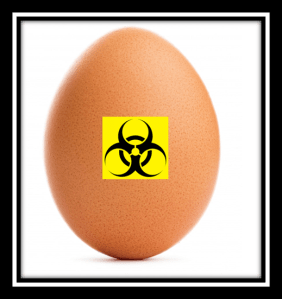
Contaminated eggs are a leading source of human Salmonella infections and this problem continues to challenge public health authorities and egg industries around the world. Salmonella invasion of the ovaries and oviducts of infected laying hens can result in bacterial deposition inside the edible portions of developing eggs. The introduction, persistence, and transmission of salmonellae in commercial egg-laying flocks are influenced by flock management practices, but the food safety ramifications of different types of laying hen housing remain unresolved. The present study assessed the frequency of internal contamination of eggs after experimental Salmonella Enteritidis and S. Typhimurium infection of laying hens in indoor cage-free housing. Groups of 72 hens were housed on wood shavings in isolation rooms simulating commercial cage-free barns with community kick-out nest boxes and perches and 1/3 of the hens in each room were orally inoculated with 8.0 × 107 cfu of 2-strain mixtures of either S. Enteritidis (2 rooms) or S. Typhimurium (2 rooms), and the entire internal contents of all eggs laid 5 to 30 d postinoculation in nest boxes or on the flooring substrate were cultured to detect Salmonella. Contaminated eggs were laid between 8 and 28 d postinoculation. The overall incidence of S. Enteritidis isolation from eggs (3.41%) was significantly (P = 0.0005) greater than S. Typhimurium (1.19%). The contamination frequencies associated with the 2 egg collection locations were not significantly different (P > 0.05). These results demonstrate that oral infection of a relatively small proportion of laying hens in indoor cage-free housing with invasive Salmonella serovars can result in the production of internally contaminated eggs at low frequencies over a period of nearly a month postinoculation.

Research – Your poultry doesn’t need a bath plus other food safety tips for Christmas and Summer entertaining

Food Safety Council

Campylobacter kswfoodworld

The Food Safety Information Council and the Australian Chicken Meat Federation today released a consumer survey that found 49% of Australian cooks were still taking a food poisoning risk by washing raw whole chicken before cooking.

Cathy Moir, Council Chair, said washing any raw poultry is very risky as it can spread bacteria to your hands, surfaces and other foods that may not be cooked. Washing is also unnecessary as cooking poultry to 75°C in the centre of a fillet or the thickest part of the thigh will kill any bacteria.

‘We are pleased that rates of washing raw whole chicken has reduced from 60% to 49% since we last asked this question in 2011. Cooks who wash raw chicken pieces with skin on has also reduced from 52% to 43% and washing skinless pieces from 41% to 40%.

‘The survey found that chicken is a popular dish with 78% of respondents cooking whole chicken, 83% cooking chicken pieces with skin on and 88% cooking skinless pieces. But the message is that washing any raw poultry, whether it is chicken, duck, goose or the Christmas turkey, is both unsafe and unnecessary.

“As we gather this Summer with multi-generations of family and friends, here are some of our key Christmas and Summer entertaining food safety tips:

  1. Wash hands: Another recent survey has found the number of times people wash their hands each day dropped 15% since last year. Don’t forget to wash your hands with soap and water before preparing and cooking food, and after handling shell eggs, seafood, raw meat and poultry, burgers and sausages. Watch how to wash your hands correctly using the Glitterbug here
  2. Clean utensils: Ensure your tools, utensils and chopping-boards are cleaned and dried thoroughly before you start preparing your food and ensure you clean them with hot soapy water after use. Use separate chopping-boards such as red for raw meat/poultry and  green for vegetables.
  3. Don’t strain your fridge: Plan ahead and don’t buy more food than you need. It’s vital that you don’t overstock your fridge and freezer, as this won’t allow the cool air to circulate freely and perishable food cannot be adequately frozen or chilled. Less food will also help to reduce food waste.
  4. Make space: Prevent overstocking by making room in your fridge for perishable foods by removing alcohol and soft drinks and put them on ice in a container or laundry sink. This also stops guests opening the fridge so often and helps to maintain the temperature at 5°C or below. Use a fridge thermometer to check the fridge temperature.
  5. Bird or bits? Think about getting a turkey breast that is simpler to cook, rather than a whole turkey. If you do need a whole turkey ask your supermarket if they sell them fresh rather than frozen. Otherwise it must be covered and defrosted in your fridge which can take several days and also increase the risk of potentially contaminating ready to eat foods stored in the fridge.
  6. Cook poultry correctly: Cook the any poultry until a meat thermometer shows it has reached 75° C in the thickest part of the thigh and cook any stuffing separately as it will slow the cooking and the inside of the bird might not be fully cooked. Probe thermometers are readily available, easy to use and help you make sure that food has reached the right temperature.
  7. Don’t go raw. Cooked egg dishes are simple and nutritious but try to avoid raw or minimally cooked egg dishes, such as raw egg mayonnaise or aioli, eggnog or fancy desserts like tiramisu, which can be a particular risk for food poisoning. A safer alternative, if you want to serve raw egg dishes, is to use pasteurised egg products.
  8. Christmas ham won’t last forever– check the storage instructions and best before or use by date before removing the ham from its plastic wrap, cover it with clean cloth soaked in water and vinegar so it doesn’t dry out, and store it in the fridge at or below 5°C. Keep the cloth moist to stop the ham drying out too much. It is important to remember that the use by date on the original packaging won’t apply after the packaging has been removed, so check the fine print and see if the ham has a suggested shelf life after opening. Reduced salt hams are now becoming popular but will not last as long as conventional hams so think how much you are going to use in the next week or so and freeze the rest for later.
  9. Phased roll-out: Don’t leave perishable chilled foods out for more than two hours. These foods include cold meats, soft cheeses like Camembert and Brie, cold poultry, cooked seafood like prawns and smoked salmon, pâtés, sushi and salads. Put out small amounts and replace them (do not top them up) from the fridge.
  10. Get it cold, quick. Refrigerate leftovers as soon as possible. If perishable foods and leftovers have been left out of the fridge for less than two hours they should be okay to refrigerate or freeze to eat later, so long as they haven’t been sitting out on a hot day. Never eat perishable food that has been unrefrigerated for more than four hours as it may not be safe and should be thrown away. Food should not be refrigerated if it has been outside in the heat for more than an hour and discarded after it has sat outside for 2 hours.
  11. Get it right hot. Always reheat leftovers to 75°C the centre of the item or the thickest part to kill any food poisoning bugs. Use a probe thermometer or the auto reheat function of your microwave (following any prompts) to help you make sure that the leftovers have been reheated safely.

‘We would like to thank our partner Tonic Media Network who will be showing our handwashing and food safety community service announcements in GP, Pharmacy and hospital waiting rooms around Australia this Summer. Also, thanks to our member First for Training, the Australian Chicken Meat Federation and Accord for their charitable donations to fund our Summer campaign.\,” Ms Mir concluded.

Media contact: Lydia Buchtmann, Food Safety Information Council, 0407 626 688 or info@foodsafety.asn.au

Survey details:

The chicken washing survey was conducted nationally by Omnipoll amongst 1219 people aged 18+ over the period 7-12 October 2021. Respondents were drawn from the online consumer panel managed by Lightspeed Research, OmniPoll’s online partner and to help reflect the overall population distribution. Results were post-weighted to Australian Bureau of Statistics (2016 Census) data on education, age, sex and area.


USA – Pittsburgh School Closed Monday Due To Possible Norovirus Outbreak

ibtimes

Norovirus Food Safety kswfoodworld

The illness at Pittsburgh Carmalt is “most likely” norovirus, the Pittsburgh Public Schools said on its website. The cases were reported among students, as well as staff.

Norovirus is “very contagious” and can cause the infected individuals to experience symptoms such as vomiting and diarrhea, the Centers for Disease Control and Prevention (CDC) noted. In fact, norovirus has also been called the “winter vomiting bug.”

“Anyone” is susceptible to getting infected and falling ill with norovirus, the agency explained. This can be through having direct contact with someone who is infected, eating contaminated food or simply by touching contaminated surfaces and then putting unwashed hands in the mouth.

The affected school will be closed Monday to make way for thorough cleaning and “prevent further student and staff infections.” The classes will resume Tuesday.

Canada – Notice not to consume products packaged in glass jars and manufactured by the Abitibi Mushroom

MAPAQ

QUEBEC, Dec. 2021 / CNW Telbec / – The Ministry of Agriculture, Fisheries and Food (MAPAQ), in collaboration with the Abitibi Mushroom, located in Gallichan , is warning the population not to consume the products indicated in the table below. below, because they have not been prepared and packaged in such a way as to ensure their safety.

Product name

Format

Targeted lot

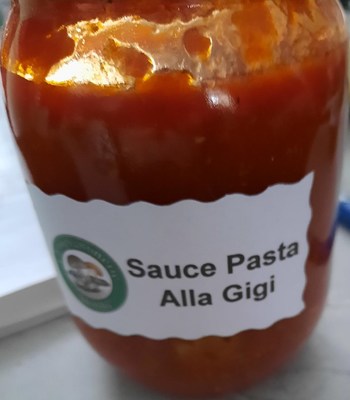
“PASTA ALLA GIGI”

250 ml

500 ml

Units sold until December 10, 2021

“FLAMBÉ PEPPER AND PLEUROT SAUCE”

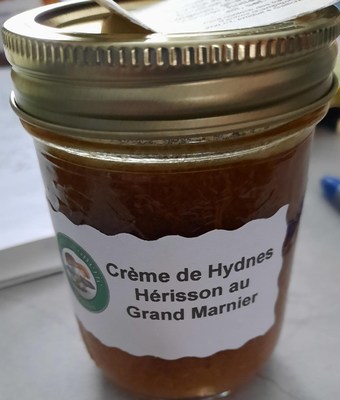
“HEDGEHOG HYDNA CREAM WITH GRAND MARNIER”

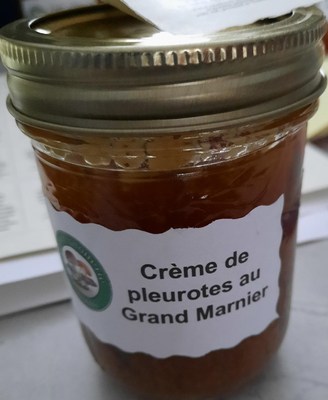
“CREAM OF PLEUROTES WITH GRAND MARNIER”

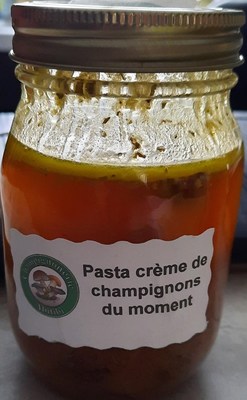
“PASTA CREAM OF MUSHROOMS OF THE MOMENT”

“PASTA ROSÉE WITH FRESH PLEUROTES AND HERBS”

“EXOTIC THAI PLEUROTES AND WHISKEY”

“PASTA FLORENTINE”

“CARBONARA WITH MUSHROOMS”

“APPLE AND PHOLIOT SAUCE”

The products that are the subject of this warning were offered for sale until December 10, 2021 , in several establishments in the Abitibi-Témiscamingue region. The products were packaged in glass jars with a metal lid and sold at room temperature. The product label includes, in addition to their name, the words “Abitibi mushroom”.

The operator is voluntarily recalling the products in question. He agreed with MAPAQ to disseminate this warning as a precautionary measure. In addition, people who have any of these products in their possession are advised not to consume it. They must return it to the establishment where they bought it or throw it away. Even if the affected products do not show any signs of spoilage or a suspicious odor, their consumption may represent a risk to health. It should be noted that no case of illness associated with the consumption of these foods has been reported to MAPAQ so far.

Additional information

The Ministry publishes various information documents concerning food safety. Those interested can consult them in the “Food consumption” section of the MAPAQ website: www.mapaq.gouv.qc.ca/consommation . They also have the option of registering online, by visiting www.mapaq.gouv.qc.ca/rappelsaliments , to receive, by email, the food recall releases published by the Department. Finally, it is possible to follow “MAPAQaliments” on Twitter at the following address: www.twitter.com/MAPAQaliments .

Cream of mushroom pasta of the day (CNW Group / Ministry of Agriculture, Fisheries and Food) 

Cream of oyster mushrooms with Grand Marnier (CNW Group / Ministry of Agriculture, Fisheries and Food) 

Hedgehog Cream of Hydnes with Grand Marnier (CNW Group / Ministry of Agriculture, Fisheries and Food) 

Pasta Alla Gigi Sauce (CNW Group / Ministry of Agriculture, Fisheries and Food) 

Risk  classification : class 1

Reference number:  4461

Source:
Media relations
Communications
Department Ministry of Agriculture, Fisheries
and Food
Tel. : 418 380-2100, extension 3512
www.mapaq.gouv.qc.ca

CisionView original content to download multimedia: http://www.newswire.ca/en/releases/archive/December2021/10/c5813.html