Category Archives: Microbiological Risk Assessment

Research – Don’t take a risk with food safety during and after floods

Medical Express

Following extensive flooding in eastern Australia the Food Safety Information Council is warning people not to take food safety risks during and after flood.

Lydia Buchtmann, the Council’s Communication Director, said that floodwater can be contaminated with sewage, agricultural and , and other substances that can cause illness so there is a danger that any food, surfaces and cooking utensils that have come into contact with floodwater might be contaminated.

“Spills and sewage discharges can also contaminate  and food gardens. If in doubt throw out any food that might not be safe to eat and follow these simple steps:

  1. Throw out food that has come into contact with floodwater or has an unusual odor, color or texture. Do not taste or cook it.
  2. Check canned and unopened bottled food and throw out any cans that are dented, swollen or damaged. For  that appear useable remove the label and thoroughly wash the outside of the can with drinking-quality water, sanitize the can in bleach for 1 minute, then rinse in drinking-quality water re-label the can with a waterproof pen.
  3. Carefully check dishes, pots, pans, cutlery and kitchen equipment that might have been in contact with floodwater. Throw away damaged or cracked items, items made from porous material such as wood, plastic or rubber including wooden chopping boards as they cannot be adequately sanitized.
  4. Wash utensils and surfaces in hot, soapy, drinking-quality water. Take apart and clean the non-electrical pieces of any kitchen equipment that can be safety taken apart and then rinse in clean, hot water.
  5. Sanitize silverware, metal utensils, pots, pans and kitchen equipment in pieces by boiling in water for 10 minutes. Sanitize dishes by immersing glass, porcelain, china and enamel-ware for 10 minutes in a disinfecting solution of 1 tablespoon of chlorine bleach per 2 liters of warm water. Clean cupboards and counters with hot soapy water then rinse with a chlorine bleach solution before storing dishes or food.
  6. Air dry items because towels might have been splashed with contaminated water.
  7. Commercial and most domestic dishwashers are capable of sanitizing all eating and cooking utensils as part of their normal cycle
  8. Vegetable gardens can take a month to become suitable for harvest after flood or sewage discharge. Discard all leafy green produce or damaged vine or dropped tree fruits. After 1 month, wash other vegetables then sanitize in a weak bleach solution of 1 tablespoons bleach to 2 liters of water. Then rinse in drinking-quality water, peel and use.

“Finally, after a flood tap water and private water supplies such as from tanks, wells and bores sometimes might not be safe to drink and use for cooking and cleaning so monitor public announcements and those from the local water supplier to know if tap water is safe to use. If the water is unsafe, use only bottled, boiled or treated —in that order of preference—for drinking, cooking or preparing , washing utensils and surfaces, brushing teeth, hand washing, making ice, and bathing,” Ms Buchtmann concluded.

Explore further

Proper handling of fresh produce can reduce risk of foodborne illness

Estonia – Imported chicken linked to Campylobacter cases in Estonia

Science Direct

CDC Campy

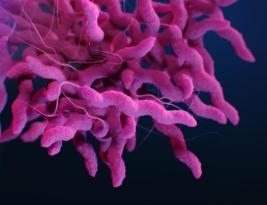
Since 2005 campylobacteriosis has been the most commonly reported gastrointestinal infection in humans in the European Union with more than 200,000 cases annually. Also Campylobacter is one of the most frequent cause of food-borne outbreaks with 319 outbreaks reported to EFSA, involving 1,254 cases of disease and 125 hospitalizations in EU in 2019. Importantly poultry meat is one of the most common source for the sporadic Campylobacter infections and for strong-evidence campylobacteriosis food-borne outbreaks in EU.

 In present study, 429 fresh broiler chicken meat samples of Estonian, Latvian, and Lithuanian origin were collected from Estonian retail level and analyzed on a monthly basis between September 2018 and October 2019. Campylobacter spp. were isolated in 141 (32.9%) of 429 broiler chicken meat samples. Altogether 3 (1.8%), 49 (36.8%), and 89 (66.9%) of Estonian, Latvian, and Lithuanian origin broiler chicken meat samples were positive for Campylobacter spp. Among Campylobacter-positive samples, 62 (14.5%) contained Campylobacter spp. below 100 CFU/g and in 28 (6.5%) samples the count of Campylobacter spp. exceeded 1,000 CFU/g. A high prevalence of Campylobacter spp. in fresh broiler chicken meat of Lithuanian and Latvian origin in Estonian retail was observed. Additionally, 22 different multilocus sequence types were identified among 55 genotyped isolates of broiler chicken meat and human origin, of which 45 were Campylobacter jejuni (C. jejuni) and 10 were Campylobacter coli (C. coli). The most prevalent multilocus sequence types among C. jejuni was ST2229 and among C. coli ST832, ST872. C. jejuni genotypes found in both broiler chicken meat and human origin samples were ST122, ST464, ST7355, and ST9882, which indicates that imported fresh broiler chicken meat is likely the cause of human campylobacteriosis in Estonia.

Research – Hygiene indicators and Salmonella sp. on swine carcass surfaces from two slaughterhouses in northern Portugal.

Journal of Food Protection

The monitorization of carcass surfaces contamination along the slaughter lines enables the verification of the slaughter operations hygiene and the good manufacturing practices. Pork meat is a common source of human non-typhoidal salmonellosis, one of the most frequently reported foodborne illnesses worldwide. This study aimed to gather data on microbial loads in carcass surfaces in two slaughterhouses, before and after evisceration. Salmonella enterica search was made after evisceration, due to the frequent reference to pork as being a common carrier of this microorganism. The contamination of carcass surfaces was evaluated by delimitation of surface area with sterilized templates (100 cm2), and sampled by gauze swabs. Enumeration of total aerobic mesophilic microorganisms, Enterobacteriaceae, and Escherichia coli was performed. The detection of Salmonella was performed for carcass surfaces after evisceration, and from animal liver and floor drains (environmental). Significant differences (p < 0.05) were observed for mesophilic microorganisms, Enterobacteriaceae, and E. coli counts on the external surfaces, with higher counts after evisceration. The neck and abdominal area presented higher levels for mesophilic microorganisms, Enterobacteriaceae and E. coli, and a high prevalence of Salmonella. Salmonella was detected only in one of the studied slaughterhouses; 19 out of 259 analysed carcass samples were positive for Salmonella (7.3%). Salmonella was also detected in two livers and in two floor drains. A collection of 52 Salmonella isolates (44 from carcasses, 5 from livers, 3 from drains) was gathered. Three serovars of Salmonella were identified (Typhimurium 4,5:i- , Wernigerone and Derby), and 53.8% of isolates were multidrug-resistant. The results demonstrate the need for continuous improvement of slaughtering operations and good manufacturing practices, to ensure food safety of pork produced in Portugal.

Research – Microbial Diversity and Safety in Fermented Beverages

MDPI

For thousands of years, humans have exploited the natural process of fermentation of various foods to preserve them, and to enjoy the changes in the sensory characteristics that could be produced. Recently, the world of fermented beverages has gone through a rapid transformation linked to deep changes in consumer preferences, consumption habits, climate, new regulations and entry of emerging countries, accompanied by safety concerns and an important reduction in economic resources available to people. As with all food handling and preparation, we need to be sure the fermented food produced is safe. Fermentation is a complex biological process where microbial diversity takes place and the environment created inside of the fermented food provides the conditions to reduce the risk of pathogenic bacteria growth, thus providing safe food. In addition, food manufacturers fermenting food carefully control their processing and must comply with the National Food Standards Codes. Although these products have a generally good food safety record, sometimes inadequate manufacturing practices or the presence of acidophilic pathogens could compromise food safety. In fact, fermented beverages may adversely become contaminated with pathogens or microbial toxins and thereby transform into vehicles that can transmit diseases to the consumers. Moreover, many microorganisms can deteriorate the physical-chemical and sensory properties as well as the flavor of the final products. In this editorial, we present an overview of a review and six original research papers published in the Special Issue “Fermentation Process and Microbial Safety of Beverages” of the Beverages journal.

Research – Distribution and Characteristics of Listeria spp. in Pigs and Pork Production Chains in Germany

MDPI

Listeria (L.) monocytogenes is a foodborne pathogen that can cause disease, mainly in elderly, pregnant or immunocompromised persons through consumption of contaminated food, including pork products. It is widespread in the environment and can also be found in asymptomatic carrier animals, for example, in different tissues of pigs. To learn more about their nature, 16 Listeria spp. isolates found in tonsils and intestinal content of pigs and 13 isolates from the slaughterhouse environment were characterized using next-generation sequencing (NGS). A wide distribution of clonal complexes was observed in pigs, as well as in the pork production chain, suggesting multiple sources of entry. Hypervirulent clones were found in pig tonsils, showing the potential risk of pigs as source of isolates causing human disease. The presence of closely related isolates along the production chain suggests a cross-contamination in the slaughterhouse or recontamination from the same source, strengthening the importance of efficient cleaning and disinfection procedures. The phenotypical antimicrobial resistance status of L. monocytogenes isolates was examined via broth microdilution and revealed a low resistance level. Nevertheless, genotypical resistance data suggested multiple resistances in some non-pathogenic L. innocua isolates from pig samples, which might pose a risk of spreading resistances to pathogenic species. View Full-Text

Research – Insight into Bacillus cereus Associated with Infant Foods in Beijing

MDPI

This study was undertaken to investigate the prevalence, antimicrobial resistance, and virulence gene profiles of Bacillus cereus in different brands of infant formula in Beijing supermarkets. Eighty-eight Bacillus cereus isolates were recovered in sixty-eight infant formulas of five domestic brands and fourteen imported brands. The prevalence rate in domestic and imported samples were 70.6% and 52.9%, respectively. Lower mean prevalence level was found in domestic samples (1.17 MPN/g) compared with the imported samples (3.52 MPN/g). Twenty-four virulence gene profiles were found, and most strains carried at least one virulence gene. The prevalence of nheAnheBnheCcytKbceT, and entFM in domestic and imported brand samples was similar. The occurrence of enterotoxin genes hblAhblC, and hblD in domestic samples were 22.2%, 27.8%, and 22.2%, respectively, which was significantly higher than imported samples. Antimicrobial drugs-susceptibility analysis showed that all isolates were susceptible to gentamincin, amikacin, and ciprofloxacin; 38%, 7%, and 2.3% were resistant to rifampin, tetracycline, and chloramphenicol, respectively; and only one isolate was resistant to trimethoprim-sulfamethoxazole. Moreover, the cell numbers of Bacillus cereus in prepared infant formula increased rapidly at room temperature. Thus, monitoring guidelines are needed for accepted levels of Bacillus cereus in infant formula.

Research – Genetic Diversity and Relationships of Listeria monocytogenes Serogroup IIa Isolated in Poland

MDPI

In the present study, 100 L. monocytogenes isolates of serogroup IIa from food and food production environments in Poland were characterized towards the presence of virulence, resistance, and stress response genes using whole-genome sequencing (WGS). The strains were also molecularly typed and compared with multi-locus sequence typing (MLST) and core genome MLST analyses. The present isolates were grouped into 6 sublineages (SLs), with the most prevalent SL155 (33 isolates), SL121 (32 isolates), and SL8 (28 isolates) and classified into six clonal complexes, with the most prevalent CC155 (33 strains), CC121 (32 isolates), and CC8 (28 strains). Furthermore, the strains were grouped to eight sequence types, with the most prevalent ST155 (33 strains), ST121 (30 isolates), and ST8 (28; strains) followed by 60 cgMLST types (CTs). WGS data showed the presence of several virulence genes or putative molecular markers playing a role in pathogenesis of listeriosis and involved in survival of L. monocytogenes in adverse environmental conditions. Some of the present strains were molecularly closely related to L. monocytogenes previously isolated in Poland. The results of the study showed that food and food production environments may be a source of L. monocytogenes of serogroup IIa with pathogenic potential.

Research – Using lactic acid to control Salmonella in raw dog food

Pet Food Processing

Can encapsulated and raw acidulants help to control Salmonella in raw meat-based dog foods? Samuel Kiprotich, a Ph.D. student at Kansas State University (KSU), presented his research on this topic at the American Feed Industry Association’s (AFIA) Pet Food Conference on Jan. 25, held in conjunction with International Production & Processing Expo (IPPE) in Atlanta, Ga.

Kiprotich noted that current methods of achieving kill steps for raw diets, such as high pressure pasteurization and irradiation, can be costly. The purpose of his study is to find a more inexpensive way to control foodborne pathogens, looking specifically at organic acids such as citric acid and lactic acids.

When incorporated into a raw meat-based pet food formula, organic acids can “shock” the product, causing discoloration and syneresis, Kiprotich explained. Encapsulating the organic acid, or coating it with edible vegetable oil, would allow it to be released more slowly into the product, “giving us the antimicrobial protection that we want without damaging the product,” he said.

Kiprotich’s study was conducted in two parts over a 22-day storage period: one to determine the efficacy of encapsulated and dry-plated lactic acids in controlling growth and survival of Salmonella enterica in a raw pet food, and another to monitor pH progression to measure acidity.

The experiment included two types of lactic acids — encapsulated and dry-plated — and three treatment levels for each acidulent: 1%, 2% and 3%. Two control diets formulated without acidulants were used, in which the positive control was inoculated with Salmonella, and the negative control was not inoculated.

Research – Contamination of Soil, Water, Fresh Produce, and Bivalve Mollusks with Toxoplasma gondii Oocysts: A Systematic Review

MDPI

Toxoplas

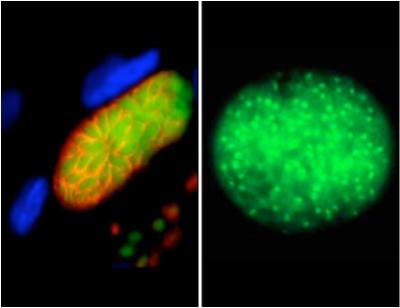
Toxoplasma gondii is a major foodborne pathogen capable of infecting all warm-blooded animals, including humans. Although oocyst-associated toxoplasmosis outbreaks have been documented, the relevance of the environmental transmission route remains poorly investigated. Thus, we carried out an extensive systematic review on T. gondii oocyst contamination of soil, water, fresh produce, and mollusk bivalves, following the PRISMA guidelines. Studies published up to the end of 2020 were searched for in public databases and screened. The reference sections of the selected articles were examined to identify additional studies. A total of 102 out of 3201 articles were selected: 34 articles focused on soil, 40 focused on water, 23 focused on fresh produce (vegetables/fruits), and 21 focused on bivalve mollusks. Toxoplasma gondii oocysts were found in all matrices worldwide, with detection rates ranging from 0.09% (1/1109) to 100% (8/8) using bioassay or PCR-based detection methods. There was a high heterogeneity (I= 98.9%), which was influenced by both the sampling strategy (e.g., sampling site and sample type, sample composition, sample origin, season, number of samples, cat presence) and methodology (recovery and detection methods). Harmonized approaches are needed for the detection of T. gondii in different environmental matrices in order to obtain robust and comparable results.

UK – Norovirus outbreaks increasing in England

Gov UK

Norovirus outbreaks in care homes have risen in recent weeks, leading UKHSA to remind people of simple steps that can be taken to limit the spread of the bug.

The UK Health Security Agency (UKHSA) is reminding the public of simple actions that they can take to reduce the spread of norovirus. The advice comes after routine surveillance in England shows that the number of outbreaks caused by the vomiting bug has increased in recent weeks (4-week period from end January to February), initially in educational settings and now in care home settings.

Norovirus is highly infectious and causes vomiting and diarrhoea but usually passes in a couple of days. It is easily transmitted through contact with infected individuals or contaminated surfaces.

The increase in reported outbreaks was initially in educational settings, particularly in nursery and childcare facilities, with 48% more incidents reported to UKHSA than would be expected.

Reports of norovirus outbreaks in care home settings to UKHSA have also increased in recent weeks in 2022 – with a rise from 24 reported in week 6 (week commencing 7 February), to 40 reported in week 7 (week commencing 14 February).

While outbreaks reported in care home settings overall remain below pre-pandemic expected levels, it is likely they will continue to increase in the coming weeks and a rise in norovirus outbreaks in care home settings often precedes an increase in outbreaks in hospital settings. Therefore, it is important to take steps to limit the spread of norovirus.

Professor Saheer Gharbia, Gastrointestinal Pathogens and Food Safety Directorate, UKHSA, said:

Norovirus, commonly known as the winter vomiting bug, has been at lower levels than normal throughout the pandemic but as people have begun to mix more, the numbers of outbreaks have started to increase again.

Symptoms include sudden onset of nausea, projectile vomiting and diarrhoea but can also include a high temperature, abdominal pain and aching limbs. Stay at home if you are experiencing norovirus symptoms and do not return to work or send children to school or nursery until 48 hours after symptoms have cleared.

Please avoid visiting elderly relatives if you are unwell – particularly if they are in a care home or hospital. As with COVID-19 and other infectious illnesses, hand washing is really important to help stop the spread of this bug, but remember, unlike for COVID-19 alcohol gels do not kill off norovirus so soap and water is best.

How to reduce the spread of norovirus

  1. Stay at home if you are experiencing norovirus symptoms. Do not return to work or send children to school until 48 hours after symptoms have cleared. Also avoid visiting elderly or poorly relatives, particularly if they are in hospital or a care home.
  2. Wash your hands frequently and thoroughly with soap and warm water. Alcohol hand gels don’t kill norovirus.
  3. When an infected person vomits, the droplets contaminate the surrounding surfaces. A bleach-based household cleaner or a combination of bleach and hot water should be used to disinfect potentially contaminated household surfaces and commonly used objects such as toilets, taps, telephones, door handles and kitchen surfaces.
  4. If you are ill, avoid cooking and helping prepare meals for others until 48 hours after symptoms have stopped, as norovirus can be spread through food contaminated by the virus when food is handled by symptomatic people or infected individuals.
  5. Wash any contaminated clothing or bedding using detergent and at 60°C and, if possible, wear disposable gloves to handle contaminated items.

Norovirus activity has risen as people have begun to mix more – it is possible that unusual or out-of-season increases could be seen in the coming months.

UKHSA’s National Norovirus Surveillance Team will continue to closely monitor all available surveillance data to ensure early detection of any unusual norovirus activity and outbreaks.

You can view the National Norovirus and Rotavirus Bulletin here.

Those showing symptoms should avoid visiting their GP, but if they are concerned should contact NHS 111 or talk to their GP by phone.