Category Archives: Microbiological Risk Assessment

Research – Pulsed light technology effectively kills harmful pathogens in new study

Science Daily

Novel food decontamination method inactivates pathogens like E. coli and Salmonella

A light-based, food sanitization technique successfully eliminated multiple harmful pathogens in a new study. The pulsed light technique shows promise as an effective alternative to the chemical, heat and water-based antimicrobial technologies commonly used in the food industry — and could be applicable more generally in sanitized environments such as hospitals, water treatment facilities and pharmaceutical plants, according to the researchers.

Research – 10 Deadly Food Poisoning Outbreaks in US History

Food Poisoning News

Over the years, the United States has seen several foodborne illness outbreaks, some of which have been more lethal than others. The Centers for Disease Control and Prevention (CDC) estimates that contaminated food causes approximately 128,000 hospitalizations and 3,000 deaths yearly. The number of cases is usually higher during an outbreak than in a normal year. Foodborne illness outbreaks typically occur when multiple people contract a similar illness after consuming a common food, and analysis of the food implicates it as the source of the disease.

In the early 1920s, the Public Health Service was responsible for reporting foodborne illness outbreaks in the US. In 1961, the CDC, then known as the Communicable Disease Center, took over the role, and in 2011, it began publishing annual summaries of food poisoning outbreaks online.

Check the link above for the top ten.

Research – Lag between Campylobacter cases in broilers and humans

Poultry World

A Swedish study of human cases of campylobacteriosis and the prevalence of Campylobacter spp. in broilers has found a 2-week time lag, suggesting transmission through handling and consumption of fresh chicken meat.

The study, published in the International Journal of Food Microbiology, looked at cases between 2009 and 2019, exploring the relationship between the proportion of Campylobacter-positive broiler batches and the number of reported domestic cases in Sweden in humans.

Research – Pooled prevalence and genetic diversity of norovirus in Africa: a systematic review and meta-analysis

Virology J

Food Borne Illness - Norovirus -CDC Photo

Abstract

Background

Noroviruses are the leading cause of acute gastroenteritis in all age groups globally. The problem is magnified in developing countries including Africa. These viruses are highly prevalent with high genetic diversity and fast evolution rates. With this dynamicity, there are no recent review in the past five years in Africa. Therefore, this review and meta-analysis aimed to assess the prevalence and genetic diversity of noroviruses in Africa and tried to address the change in the prevalence and genetic diverisity the virus has been observed in Africa and in the world.

Methods

Twenty-one studies for the pooled prevalence, and 11 out of the 21 studies for genetic characterization of norovirus were included. Studies conducted since 2006, among symptomatic cases of all age groups in Africa, conducted with any study design, used molecular diagnostic methods and reported since 2015, were included and considered for the main meta-analysis. PubMed, Cochrane Library, and Google Scholar were searched to obtain the studies. The quality the studies was assessed using the JBI assessment tool. Data from studies reporting both asymptomatic and symptomatic cases, that did not meet the inclusion criteria were reviewed and included as discussion points. Data was entered to excel and imported to STATA 2011 to compute the prevalence and genetic diversity. Heterogeneity was checked using I2 test statistics followed by subgroup and sensitivity analysis. Publication bias was assessed using a funnel plot and eggers test that was followed by trim and fill analysis.

Result

The pooled prevalence of norovirus was 20.2% (95% CI: 15.91, 24.4). The highest (36.3%) prevalence was reported in Ghana. Genogroup II noroviruses were dominant and reported as 89.5% (95% CI: 87.8, 96). The highest and lowest prevalence of this genogroup were reported in Ethiopia (98.3%), and in Burkina Faso (72.4%), respectively. Diversified genotypes had been identified with an overall prevalence of GII. 4 NoV (50.8%) which was followed by GII.6, GII.17, GI.3 and GII.2 with a pooled prevalence of 7.7, 5.1, 4.6, and 4.2%, respectively.

Conclusion

The overall pooled prevalence of norovirus was high in Africa with the dominance of genogroup II and GII.4 genotype. This prevalence is comparable with some reviews done in the same time frame around the world. However, in Africa, an in increasing trained of pooled prevalence had been reported through time. Likewise, a variable distribution of non-GII.4 norovirus genotypes were reported as compared to those studies done in the world of the same time frame, and those previous reviews done in Africa. Therefore, continuous surveillance is required in Africa to support future interventions and vaccine programs.

Resaerch- Evaluation of Various Lactic Acid Bacteria and Generic E. coli as Potential Non-pathogenic Surrogates for In-Plant Validation of Biltong Dried Beef Processing

MDPI

Validation studies conducted within a food processing facility using surrogate organisms could better represent the manufacturing process than controlled laboratory studies with pathogenic bacteria on precision equipment in a BSL-2 lab. The objectives of this project were to examine potential surrogate bacteria during biltong processing, conduct biltong surrogate validation lethality studies, and measure critical factors and intrinsic parameters during processing. Beef pieces (1.9 cm × 5.1 cm × 7.6 cm) were inoculated with four-strain mixtures of Carnobacterium divergens/C. gallinarumPediococcus acidilactici/P. pentosaceous, and Biotype 1 E. coli ATCC BAA (-1427, -1428, -1429, and -1430), as well as a two-strain mixture of Latilactobacillus sakei and other commercially available individual bacterial cultures (P. acidilactici Saga200/Kerry Foods; Enterococcus faecium 201224-016/Vivolac Cultures). Inoculated beef was vacuum-tumbled in marinade and dried in a humidity-controlled oven for 8–10 days (24.9 °C; 55% relative humidity). Microbial enumeration of surviving surrogate bacteria and evaluation of intrinsic factors (water activity, pH, and salt concentration) were performed post inoculation, post marination, and after 2, 4, 6, 8, and 10 days of drying. Trials were performed in duplicate replication with triplicate samples per sampling time and analyzed by one-way RM-ANOVA. Trials conducted with E. faeciumPediococcus spp., and L. sakei never demonstrated more than 2 log reduction during the biltong process. However, Carnobacterium achieved a >5 log (5.85 log) reduction over a drying period of 8 days and aligned with the reductions observed in previous trials with pathogenic bacteria (Salmonella, E. coli O157:H7, L. monocytogenes, and S. aureus) in biltong validation studies. Studies comparing resuspended freeze-dried or frozen cells vs. freshly grown cells for beef inoculation showed no significant differences during biltong processing. Carnobacterium spp. would be an effective nonpathogenic in-plant surrogate to monitor microbial safety that mimics the response of pathogenic bacteria to validate biltong processing within a manufacturer’s own facility. View Full-Text

USA – 2 Florida deaths linked to bacterial infection from eating raw oysters – Vibrio vulnificans

Fox Weather

Food Illness

A warning to shellfish lovers: Health officials are investigating the deaths of two people in Florida linked to eating raw oysters.

The deaths are reportedly linked to oysters from Louisiana. The two separate occasions happened a week apart in Escambia and Broward counties, according to the Florida Department of Health.

Eating raw oysters and other undercooked seafood can put people at risk for infections, including vibriosis, which is caused by certain strains of Vibrio bacteria, according to the Centers for Disease Control and Prevention.

So far this year, there have been 26 Vibrio vulnificus infections reported in Florida. Six of those resulted in deaths, data from the Florida Department of Health shows. Nationally, an estimated 80,000 people have fallen ill and 100 deaths are reported every year from the bacterium that usually lives in warm, brackish seawater, the nation’s top public health agency reports.

Finland – The plant-based food preparation product spoils before the date

Epressi

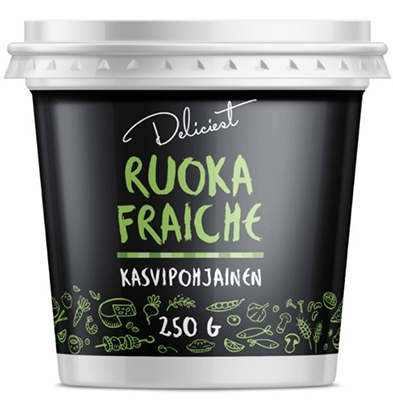
A 250 gram jar of Deliciest Food Fraiche.

Deliciest Oy has announced that it will issue a recall for the product  Deliciest Food Fraiche 250 g, best before date 30.9.2022.

The manufacturer says that a quality defect has been detected in the product batch of that date, which causes the product to spoil before the date expires.

Instructions for consumers who bought the product can be found on the website of Deliciest Oy  .

More information: Product manager Anna-Maria Sneck, Deliciest Oy, tel. 040 514 1042,  palaute@deliciest.fi .

The matter is handled at the Food Agency by Chief Inspector Paula Hietanen, tel. 050 596 9637  firstname.surname@ruokavirasto.fi .

RASFF Alert – Food Spoilage – High Total Microbial Count – Mozarella

RASFF

Altered organoleptic properties and high total microbial count in mozarella from Italy in Germany

RASFF Alert – Animal Feed – Ergot Alkaloids – Mycotoxin – Peas

RASFF

Ergot (Claviceps purpurea) in peas from Belgium in the Netherlands

RASFF Alerts – Animal Feed – Salmonella – Poultry Meal – Feed Materials

RASFF

Salmonella in poultry meal from the United Kingdom in Netherlands and Belgium

RASFF

Salmonella Isangi in feed materials from Germany in Norway