Category Archives: Marine Biotoxin

Australia – Research – A1243 Harmonisation of marine biotoxin standards for bivalve shellfish 

FSANZ

To review the current biotoxin (DST and PST) maximum levels (MLs) for bivalve molluscs in Schedule 19 to Standard 1.4.1 of the Code, with the aim of harmonising with Codex MLs for bivalve molluscs (CXS 292-2008).​

​ Call for submissions ​​​

Call for submissions (pdf 507 kb)​​(word 156 kb)

Supporting document 1 – known cases(pdf 302 kb)​​​(word 132 kb)

Supporting document 2 – costs and benefits(pdf 402 kb)​​​​  (word 138 kb)​​​

Administrative Assessment – 23 December 2021(pdf 235 kb)​​​​  (word 65.8 kb)​​​

Executive Summary (pdf 221 kb) ​​

Application (pdf 11.6 mb) ​​

Application – additional information (pdf 349 kb) ​​​

Applications published on our website may contain material owned by a third party. If you wish to re-use third party material, you may need to seek permission from the copyright owner.​​​​​​​

New Zealand – Public health warning: shellfish biotoxin alert for Nydia Bay/Pelorus Sound area in the Marlborough Sounds

MPI

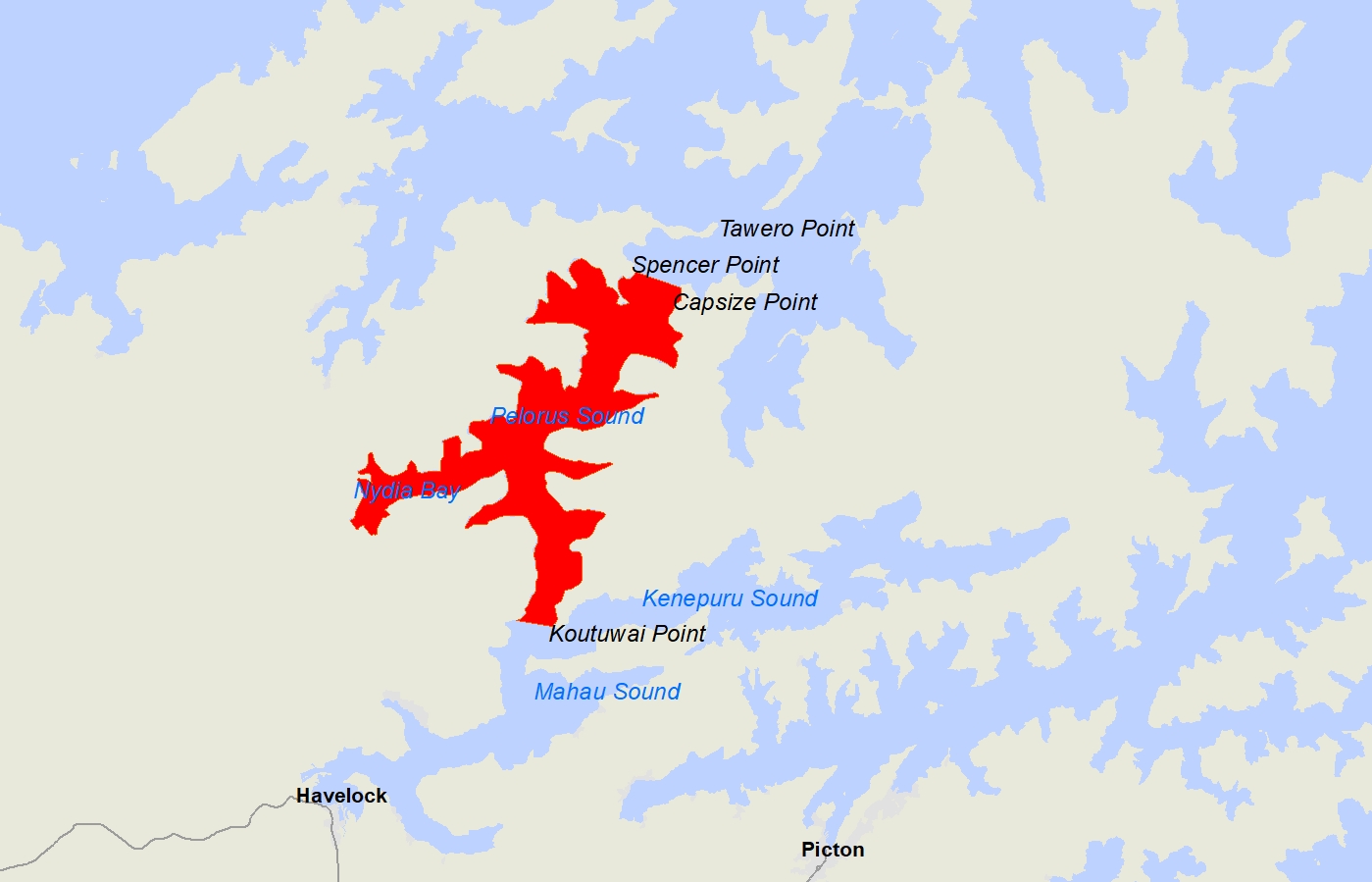
New Zealand Food Safety today issued a public health warning against collecting shellfish from the Pelorus Sound area in the Marlborough Sounds. The area includes Pelorus Sound from Hikapu Reach at Koutuwai Point up to Spencer and Capsize Points.

Paralytic Shellfish Toxins have been detected in shellfish at Nydia Bay at levels several times above the safe limit set by MPI. There is extreme risk from consuming shellfish in this area.

Mussels, oysters, tuatua, pipi, toheroa, cockles, scallops, catseyes, kina (sea urchin) and all other bivalve shellfish should not be eaten.

Note that cooking shellfish does not remove the toxin.

Pāua, crab and crayfish may still be eaten if the gut has been completely removed prior to cooking, as toxins accumulate in the gut. If the gut is not removed, its contents could contaminate the meat during the cooking process.

Symptoms typically appear between 10 minutes and 3 hours after ingestion and may include:

  • numbness and a tingling (prickly feeling) around the mouth, face, and extremities (hands and feet)
  • difficulty swallowing or breathing
  • dizziness
  • headache
  • nausea
  • vomiting
  • diarrhoea
  • paralysis and respiratory failure and in severe cases, death.

If anyone becomes ill after eating shellfish from an area where a public health warning has been issued, phone Healthline for advice on 0800 61 11 16, or seek medical attention immediately. You are also advised to contact your nearest public health unit and keep any leftover shellfish in case it can be tested.

Monitoring of toxin levels will continue and any changes will be communicated accordingly. Commercially harvested shellfish – sold in shops and supermarkets, or exported – is subject to strict water and flesh monitoring programmes by MPI to ensure they are safe to eat.

New Zealand – Shellfish Biotoxin Alert – Port Underwood – South Island

MPI

South Island warning

Reason for alert Paralytic Shellfish Poisoning (PSP)

Date warning issued 31 May 2023
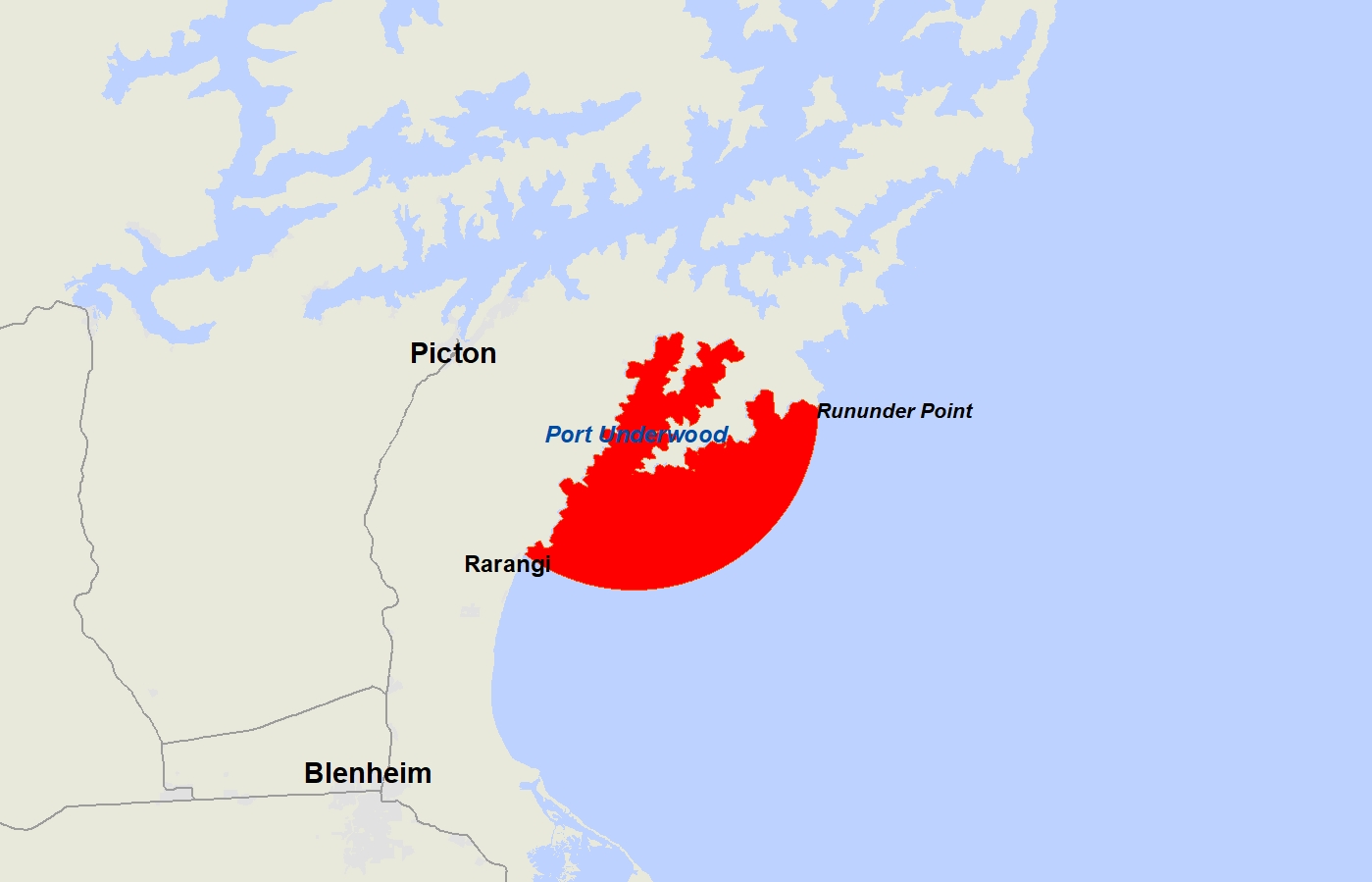
Affected area Port Underwood
Shellfish affected Mussels, oysters, tuatua, pipi, toheroa, cockles, scallops, catseyes, kina (sea urchin) and all other bivalve shellfish.

Note, cooking shellfish does not remove the toxin.

Pāua, crab and crayfish may still be eaten if the gut has been completely removed prior to cooking, as toxins accumulate in the gut. If the gut is not removed its contents could contaminate the meat during the cooking process.

Symptoms Symptoms typically appear between 10 minutes and 3 hours after ingestion and may include:

  • numbness and a tingling (prickly feeling) around the mouth, face, and extremities (hands and feet)
  • difficulty swallowing or breathing
  • dizziness
  • headache
  • nausea
  • vomiting
  • diarrhoea
  • paralysis and respiratory failure and in severe cases, death.
Other information Paralytic shellfish toxins have been detected in mussels throughout Port Underwood at levels well over the safe limit of 0.8mg/kg set by New Zealand Food Safety. Ongoing testing will continue and any changes will be communicated accordingly.

Map of the affected area

Map of affected area from Rarangi to Rununder Point, Port Underwood area in Marlborough.

New Zealand – Shellfish biotoxin alert – North Island

MPI

North Island warning

Reason for alert Paralytic Shellfish Poisoning (PSP)

Date warning issued 10 May 2023

Media release

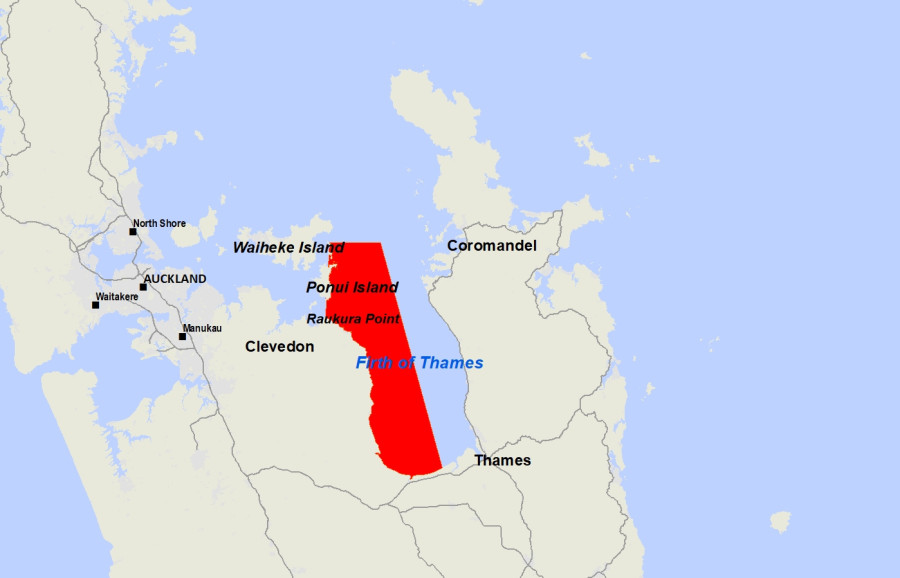
Affected area Western side of the Firth of Thames.
Shellfish affected Mussels, oysters, tuatua, pipi, toheroa, cockles, scallops, catseyes, kina (sea urchin) and all other bivalve shellfish.

Note, cooking shellfish does not remove the toxin.

Pāua, crab and crayfish may still be eaten if the gut has been completely removed prior to cooking, as toxins accumulate in the gut. If the gut is not removed its contents could contaminate the meat during the cooking process.

Symptoms Symptoms typically appear between 10 minutes and 3 hours after ingestion and may include:

  • numbness and a tingling (prickly feeling) around the mouth, face, and extremities (hands and feet)
  • difficulty swallowing or breathing
  • dizziness
  • headache
  • nausea
  • vomiting
  • diarrhoea
  • paralysis and respiratory failure and in severe cases, death.
Other information Paralytic shellfish toxins have been detected in shellfish from the Kaipara Harbour at levels over the safe limit of 0.8mg/kg set by MPI. Ongoing testing will continue and any changes will be communicated accordingly.

Map of the affected area

Map of affected area from the western half of the Firth of Thames.

Public warnings about toxic shellfish

We test shellfish and seawater for toxic algae every week from popular shellfish gathering areas around New Zealand. If the shellfish are not safe to eat, we issue public health warnings and put up signs at affected beaches.

Vanuatu: Dozens of ciguatera cases reported since the beginning of the year

Outbreak News Today

The Vanuatu Ministry of Health reports that from January 1 to March 19, 27 ciguatera fish poisoning cases were recorded, all were clinically diagnosed.

The cases were distributed as follows: Seventeen (17) cases from Efate, 6 cases from Maewo, 2 cases from Ambrym, 1 from Ambae, 1 from Pentecost and 1 from Santo.

No deaths have been recorded.

From the cases reported, 69% of the cases consumed reef fish – not specified, 16 consumed Snapper and 15% consumed grouper.

More than 400 species of fish, including barracuda, black grouper, blackfin snapper, cubera snapper, dog snapper, greater amberjack, hogfish, horse-eye jack, king mackerel, and yellowfin grouper have been implicated in this food borne illness that’s relatively common in several areas of the world.

Denmark – Ochratoxin A in Pistachios

DVFA

LIDL Danmark A/S is recalling Alesto California Pistachio Kernels, salted and unsalted, as an excessively high content of the fungal toxin ochratoxin A has been found in the product.

The product should be discarded or returned to the store where it was purchased.

Recalled Foods , Published: March 1, 2023

What Food
Alesto California pistachio nuts, salted and unsalted (see picture here )
Net weight: 70 g
Best before dates: 12/08/2023, 13/10/2023 and 14/10/2023
Sold in : LIDL stores throughout the country.
Why
An excessively high content of the mushroom toxin ochratoxin A has been found in the product. A health risk cannot therefore be ruled out if you eat the product. It is important not to have too high an intake of ochratoxin A over a long period of time. However, the individual meal is not decisive, it is consumed over a longer period of time that poses a health risk. Therefore, you will not experience acute symptoms if you have eaten the product.
Read more about ochratoxin A here
What should you do as a consumer?
The Danish Veterinary and Food Administration advises consumers to discard the product or return it to the store where it was purchased.
Who is recalling this product
LIDL Danmark A/S
Profile road 7-9
6000 Kolding 

USA – Investigated Illnesses and Outbreaks Table Update for Seafood Related Natural Toxin and Scombrotoxin Fish Poisoning

FDA

January 12, 2023

Table 1: Closed Illness and Outbreak Incidents is a list of investigations that were managed by FDA’s Seafood-Related Natural Toxin and Scombrotoxin Fish Poisoning Team for Fish Other Than Molluscan Shellfish. The listed incidents have been completed at this time.

The table is managed and updated when a significant number of illnesses have been investigated in a specific period of time or at least quarterly.

The table has been updated to illustrate additional information such as

  • Pending analytical results;
  • Confirmed fish/fishery product species identifications; and
  • Completed analytical results are listed in their own column.

The following FDA tracking numbers, and illness type have been added to the table:

  • 20-09-08: CFP;
  • 22-08-15: SFP;
  • 22-08-17: SFP;
  • 22-09-18: SFP;
  • 22-09-20: CFP/SFP;
  • 22-10-21: Unknown;
  • 22-11-22: SFP; and
  • 22-12-23: SFP.

The table may be found at: How to Report Seafood-Related Toxin and Scombrotoxin Fish Poisoning Illnesses | FDA

Research USA – Seafood-Related Natural Toxin and Scombrotoxin Fish Poisoning Illnesses for Fish Other than Molluscan Shellfish Investigation Update

FDA

Investigated Illnesses and Outbreaks Table Update for Seafood Related Natural Toxin and Scombrotoxin Fish Poisoning

Table 1: Closed Illness and Outbreak Incidents is a list of investigations that were managed by FDA’s Seafood-Related Natural Toxin and Scombrotoxin Fish Poisoning Team for Fish Other Than Molluscan Shellfish. The listed incidents have been completed at this time.

The table is managed and updated when a significant number of illnesses have been investigated in a specific period of time or at least quarterly.

The table has been updated to illustrate additional information such as

  • Pending analytical results;
  • Confirmed fish/fishery product species identifications; and
  • Completed analytical results are listed in their own column.

The following FDA tracking numbers, and illness type have been added to the table:

  • 20-09-08: CFP;
  • 22-08-15: SFP;
  • 22-08-17: SFP;
  • 22-09-18: SFP;
  • 22-09-20: CFP/SFP;
  • 22-10-21: Unknown;
  • 22-11-22: SFP; and
  • 22-12-23: SFP.

The table may be found at: How to Report Seafood-Related Toxin and Scombrotoxin Fish Poisoning Illnesses | FDA

Norway -Crab shells in Agder: DSP below limit value

Matportalen

On 22 September, the Norwegian Food Safety Authority received a response to new samples of crabs in Agder. The random samples show that diarrhea toxin (DSP) in the crabs is now below the limit value, but there is no guarantee that all crabs in the area are below the danger limit. The Norwegian Food Safety Authority recommends following the mussel warning, as the crab likes to eat mussels.

Earlier in September, the Norwegian Food Safety Authority found high concentrations of the algae poison DSP (Diarrhetic Shellfish Poisoning) in crab from Agder, and thus warned people to eat the contents of crab shells.

DSP is one of the most common types of mussel poisoning in Norway. Once the crab has eaten mussels with DSP, the crab becomes poisonous to people who eat it. DSP causes diarrhoea, nausea, vomiting and abdominal pain. It takes from half an hour to a few hours from the time you eat until you get sick. The symptoms disappear by themselves after 2-3 days.

Since the beginning of July this year, high levels of the algal toxin DSP have been detected in mussels along the Sørland coast and in Agder.

New Zealand – Public health warning for shellfish reduced for West Coast, North Island – PSP Toxins

MPI

New Zealand Food Safety today reduced a public health warning against collecting shellfish in the Waikato and Taranaki region. The public health warning now extends from Albatross Point south to Oakura Beach and no longer applies to Kawhia and Aotea Harbours. More testing is being undertaken to determine the levels of paralytic shellfish toxins in the affected area.

Routine tests on shellfish samples taken from the Aotea/Kawhia Harbour area have shown levels of Paralytic Shellfish Poisoning (PSP) toxins are now within the safe limit of 0.8 mg/kg set by New Zealand Food Safety.

Mussels, oysters, tuatua, pipi, toheroa, cockles, scallops, catseyes, kina (sea urchin), and all other bivalve shellfish should not be eaten.

Note, cooking shellfish does not remove the toxin.

Pāua, crab, and crayfish may still be eaten if the gut has been completely removed prior to cooking, as toxins accumulate in the gut. If the gut is not removed, its contents could contaminate the meat during the cooking process.

Symptoms typically appear between 10 minutes and 3 hours after ingestion and may include:

  • numbness and a tingling (prickly feeling) around the mouth, face, and extremities (hands and feet)
  • difficulty swallowing or breathing
  • dizziness
  • headache
  • nausea
  • vomiting
  • diarrhoea
  • paralysis and respiratory failure and in severe cases, death.

If anyone becomes ill after eating shellfish from an area where a public health warning has been issued, phone Healthline for advice on 0800 61 11 16, or seek medical attention immediately. You are also advised to contact your nearest public health unit and keep any leftover shellfish in case it can be tested.

Monitoring of toxin levels will continue and any changes will be communicated accordingly. Commercially harvested shellfish – sold in shops and supermarkets, or exported – is subject to strict water and flesh monitoring programmes by MPI to ensure they are safe to eat.