Archives
-
Join 341 other subscribers
KSWFoodWorld
Blog Stats
- 425,792 Views
Category Archives: Fumomisins
Research – Mycotoxins in Food: Cancer Risks and Strategies for Control
Mycotoxins are toxic compounds produced by fungi such as Aspergillus, Penicillium, and Fusarium, contaminating various food crops and posing severe risks to food safety and human health. This review discusses mycotoxins‘ origins, significance, and impact, particularly in relation to cancer risk. Major mycotoxins like aflatoxins, ochratoxins, fumonisins, zearalenone, and patulin are examined, along with their sources and affected foods. The carcinogenic mechanisms of these toxins, including their biochemical and molecular interactions, are explored, as well as epidemiological evidence linking mycotoxin exposure to cancer in high-risk populations. The review also highlights critical methodologies for mycotoxin detection, including HPLC, GC-MS, MS, and ELISA, and the sample preparation techniques critical for accurate analysis. Strategies for controlling mycotoxin contamination, both pre- and post-harvest, are discussed, along with regulations from organizations like the FAO and WHO. Current challenges in detection sensitivity, cost, and control effectiveness are noted. Future research is needed to develop innovative analytical techniques, improve control strategies, and address the influence of climate change on mycotoxin production. Finally, global collaboration and emerging technologies are essential for advancing mycotoxin control and enhancing food safety.
Research – Mycotoxin control in cereals: safe guarding food
The aim of this research was to review (and where possible improve/refine
current rapid screening methods for the mycotoxin T-2 and its metabolites in
cereals for human consumption.
Researchers engaged with the relevant sector of the cereal processing industry in
Ireland and the UK, and the relevant primary production sector, to gain detailed,
valuable information.
The research conducted was designed to clarify deficits in T-2 toxin control in the
relevant processing and primary production sectors, evaluate the robustness of
current analytical detection and control methods therein, augment same if deemed
necessary, and implement workable T-2 toxin control solutions at sectoral level.
Objectives
The specific objectives of the research project were to:
• Conduct a literature review of the most up-to-date scientific and
regulatory data for T-2 toxin and its metabolites, the specific environmental conditions required for their production, and the impact of climate change on their occurrence and distribution.
• Undertake a thorough analysis of the currently available commercial rapid analytical techniques for the screening of T-2 and HT-2 toxins in cereals for direct human consumption.
• Undertake a survey of the relevant processing and primary production sectors to determine what testing they currently conduct for mycotoxins, to fully understand the shortfalls in relation to mycotoxin monitoring and control within the industry.
Conduct a survey of oats and barley (n≥100) using mass spectrometry to identify contamination levels of, not only the mycotoxins of interest, i.e., T-2 and HT-2, but also all other regulated mycotoxins including aflatoxins, deoxynivalenol, zearalenone, fumonisins and ochratoxin A.
• Perform a thorough evaluation of a selected number of rapid test kits to ascertain fitness for purpose and determine how to adapt the most robust methods for better performance. If required, undertake a training workshop on the use of the best performing rapid testing kits.
• Engage with stakeholders to discuss the implications of the findings of
the project and produce a series of conclusions and recommendations
for stakeholders on the island of Ireland.
RASFF Alert- Mycotoxins – Fumonisins – White and Yellow Corn Flour
Fumonisins in white and yellow corn flour from Serbia in Switzerland
Posted in food contamination, food handler, Food Hazard, Food Hygiene, Food Inspections, Food Micro Blog, Food Microbiology, Food Microbiology Blog, Food Microbiology Testing, Food Poisoning, Food Quality, food recall, Food Safety, Food Safety Alert, Food Safety Management, Food Safety Regulations, Food Testing, Food Toxin, Fumomisins, Fumonsins, Mold Toxin, Mould Toxin, Mycotoxin, RASFF
Switzerland is withdrawing Serbian flour from the market, the mycotoxin fumonisin was detected in an illegal amount
Switzerland is withdrawing from the market yellow and white maize flour originating from Serbia due to an illegal amount of the mycotoxin fumonizim, the European rapid alert and food information system RASFF said.
Posted in food recall, Fumomisins, Fumonsins, mold, Mold Toxin, Mould/Mold, Mycotoxin, product recall, Recall
RASFF Alert- Fumonisins – White Maize Flour
Aflatoxins and fumonisins in white maize flour from Serbia in Switzerland
Posted in food contamination, food handler, Food Hazard, Food Hazrd, Food Hygiene, Food Inspections, Food Micro Blog, Food Microbiology, Food Microbiology Blog, Food Microbiology Testing, Food Poisoning, Food Quality, food recall, Food Safety, Food Safety Alert, Food Safety Management, Food Safety Regulations, Food Testing, Food Toxin, Fumomisins, Fumonsins, mold, Mold Toxin, Mould/Mold, RASFF
Research – Analysis of flour and rice shows high levels of harmful fungal toxins
By analyzing samples of flour and rice stored in homes in Ribeirão Preto, in the interior of the state of São Paulo (Brazil), researchers from the University of São Paulo (USP) found the presence of high levels of fungal toxins (mycotoxins). The study is published in the journal Food Research International.
The six toxins of concern were found in all the food samples analyzed: aflatoxins (AFs), fumonisins (FBs), zearalenone (ZEN), T-2 toxin, deoxynivalenol (DON), and ochratoxin A (OTA). In the case of the mycotoxins FBs, ZEN, and DON, the levels were above the tolerance limit set by the health authorities. This study was the first in Brazil to use biomarkers to characterize the risk associated with mycotoxins in the diet of children and adolescents.
Research – Mitigation of Mycotoxins in Food—Is It Possible?
Abstract
Among microorganisms found in food, fungi stand out because they are adaptable and competitive in a large range of water activities, temperatures, pHs, humidities and substrate types. Besides sporulating, some species are toxigenic and produce toxic metabolites, mycotoxins, under adverse biotic and abiotic variables. Microorganisms are inactivated along the food chain, but mycotoxins have stable structures and remain in ready-to-eat food. The most prevalent mycotoxins in food, which are aflatoxins, fumonisins, ochratoxin A, patulin, tenuazonic acid, trichothecenes and zearalenone, have maximum tolerable limits (MTLs) defined as ppb and ppt by official organizations. The chronic and acute toxicities of mycotoxins and their stability are different in a chemical family. This critical review aims to discuss promising scientific research that successfully mitigated levels of mycotoxins and focus the results of our research group on this issue. It highlights the application of natural antifungal compounds, combinations of management, processing parameters and emergent technologies, and their role in reducing the levels and bioaccessibility. Despite good crop management and processing practices, total decontamination is almost impossible. Experimental evidence has shown that exposure to mycotoxins may be mitigated. However, multidisciplinary efforts need to be made to improve the applicability of successful techniques in the food supply chain to avoid mycotoxins’ impact on global food insecurity.
Posted in Aflatoxin, Aflatoxin B1, Fumomisins, Fumonsins, mold, Mold Toxin, Mould/Mold, Mycotoxin, Ochratoxin, Ochratoxin A, Patulin, Zearalenone
RASFF Alert – Mycotoxin – Fumonisins – Corn Flour
Fumonisins in corn flour from France in Belgium. Germany, Luxembourg and Netherlands
Posted in food contamination, food handler, Food Hazard, Food Hygiene, Food Inspections, Food Micro Blog, Food Microbiology, Food Microbiology Blog, Food Microbiology Testing, Food Pathogen, Food Quality, food recall, Food Safety, Food Safety Alert, Food Safety Management, Food Safety Regulations, Food Testing, Food Toxin, Fumomisins, Fumonsins, Fusarium Toxin, Mold Toxin, Mould Toxin, Mycotoxin, RASFF
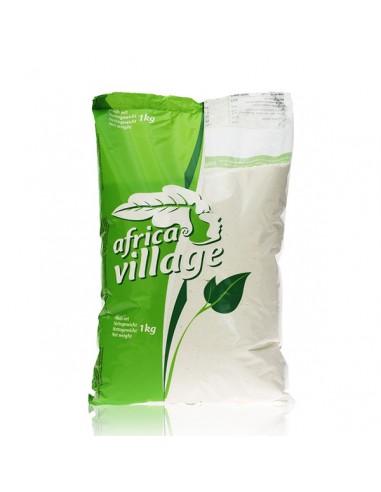
Luxembourg – Africa Village brand white corn flour – Mycotoxin – Fumonisins
The following product is recalled in Luxembourg:

| Name | White corn flour |
| Brand | Africa Village |
| Unit | 1.0 kg |
| Minimum Durability Date (MBD) | 03/31/2024 |
Danger: Too high fumonisin content
Fumonisins are toxins formed by molds of the Fusarium genus on corn under certain climatic conditions. Fumonisins are classified as “possible carcinogen” for humans.
The product can be distributed by different points of sale in Luxembourg.
Posted in Carcinogen, food contamination, food handler, Food Hazard, Food Hygiene, Food Inspections, Food Micro Blog, Food Microbiology, Food Microbiology Blog, Food Microbiology Testing, Food Poisoning, Food Quality, food recall, Food Safety, Food Safety Alert, Food Safety Management, Food Safety Regulations, Food Testing, Food Toxin, Fumomisins, Fumonsins, Fusarium Toxin, mold, Mold Toxin, Mould/Mold
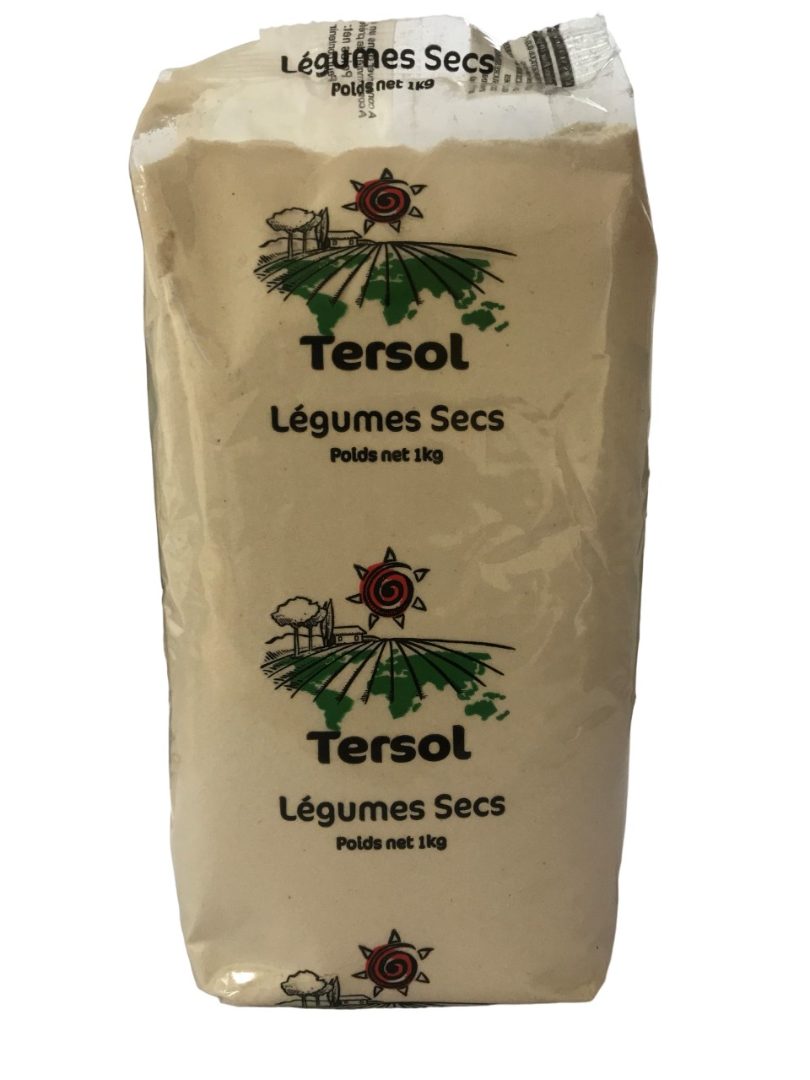
France – White Corn Flour – Mycotoxin – Fumonisins

Product category
Food
Product subcategory
Cereals and bakery products
Product brand name
TERSOL
Model names or references
Tersol White Corn Flour
Product identification
GTIN Batch Date
3513085000553 All lots Minimum durability date between 08/30/2024 and 10/18/2024
3513085000522 All lots Minimum durability date between 08/30/2024 and 10/18/2024
3513085001123 All lots Minimum durability date between 08/30/2024 and 10/18/2024
Packaging
900g – 1kg – 5kg
Start/end date of marketing
From 08/30/2023 to 03/19/2024
Storage temperature
Product to be stored at room temperature
Geographical sales area
Whole France
Distributors
List_of brands_PDF
List of points of sale
list_of_sales_points.pdf
Posted in Aspergillus Toxin, food contamination, food handler, Food Hazard, Food Hygiene, Food Inspections, Food Micro Blog, Food Microbiology, Food Microbiology Blog, Food Microbiology Testing, Food Poisoning, Food Quality, food recall, Food Safety, Food Safety Alert, Food Safety Management, Food Safety Regulations, Food Toxin, Fumomisins, Mold Toxin, Mould Toxin, Mycotoxin