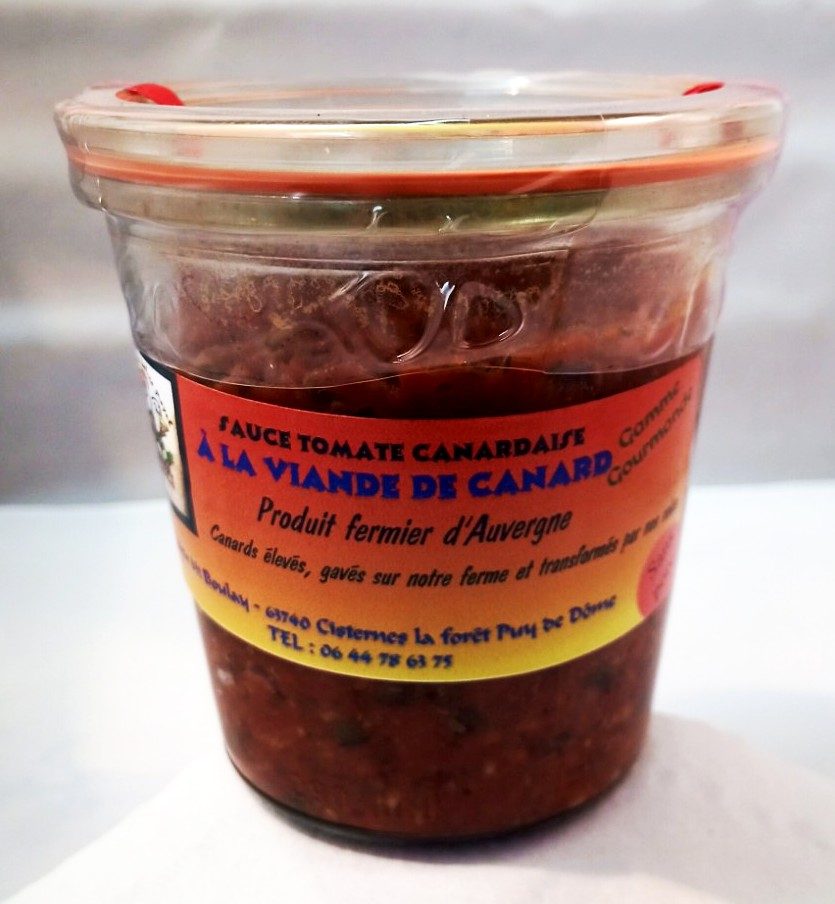
Duckaise tomato sauce (3 variations)
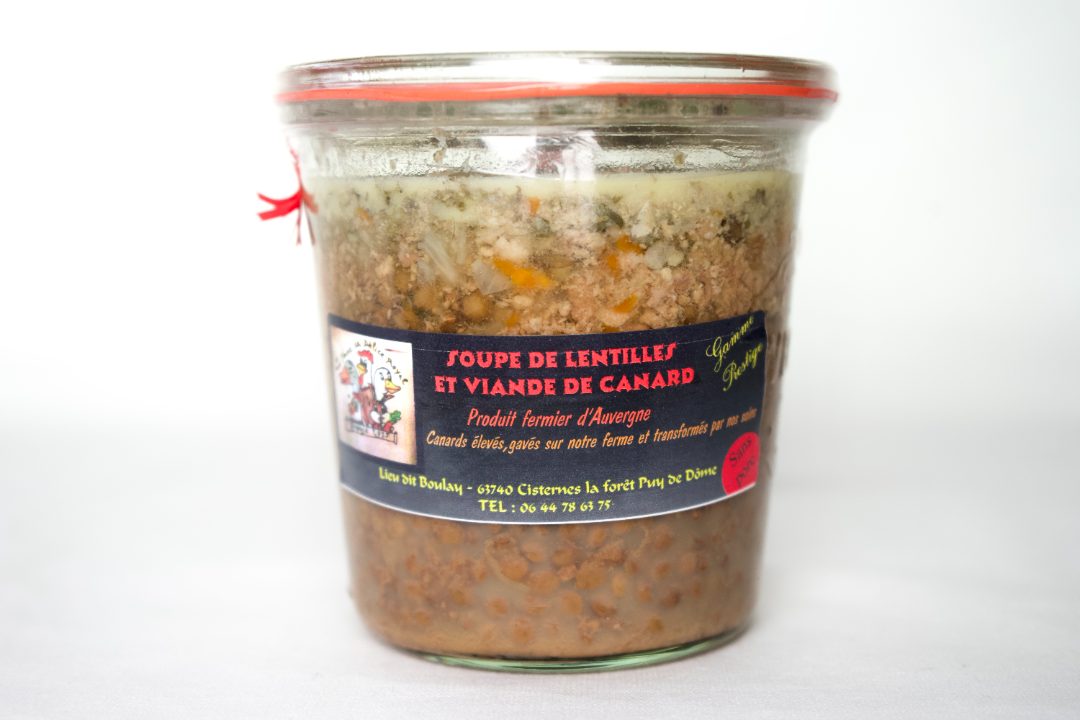
Duck terrine different varieties (continued)
Duck meat soup (2 types)

Duckaise tomato sauce (3 variations)
Duck terrine different varieties (continued)
Duck meat soup (2 types)
Posted in Clostridium, Clostridium botulinum, food contamination, food handler, Food Hazard, Food Hygiene, Food Inspections, Food Micro Blog, Food Microbiology, Food Microbiology Testing, Food Pathogen, Food Poisoning, Food Quality, food recall, Food Safety, Food Safety Alert, Food Safety Management, Food Safety Regulations, Food Testing, Food Toxin

Product category
Food
Product subcategory
Fishing and aquaculture products
Product brand name
E.LECLERC LAGORD Center
Model names or references
PEPPER AND SMOKED MACKEREL
Product identification
GTIN Batch
0209400010828 All lots
Packaging
Packaging in cardboard pouch – product sold vacuum packed.
Start/end date of marketing
From 01/13/2024 to 01/26/2024
Storage temperature
Product to keep in the refrigerator
Further information
The product was sold in the freshly packaged catering section of the E.LECLERC Center in Lagord.
Geographical sales area
Departments: CHARENTE-MARITIME (17)
Distributors
The E.LECLERC Center in LAGORD
Posted in food contamination, food handler, Food Hazard, Food Hygiene, Food Inspections, Food Micro Blog, Food Microbiology, Food Microbiology Blog, Food Microbiology Testing, Food Pathogen, Food Quality, food recall, Food Safety, Food Safety Alert, Food Safety Management, Food Safety Regulations, Food Testing, Food Toxin, Histamine

Duck Confit Hearts

Duck friton
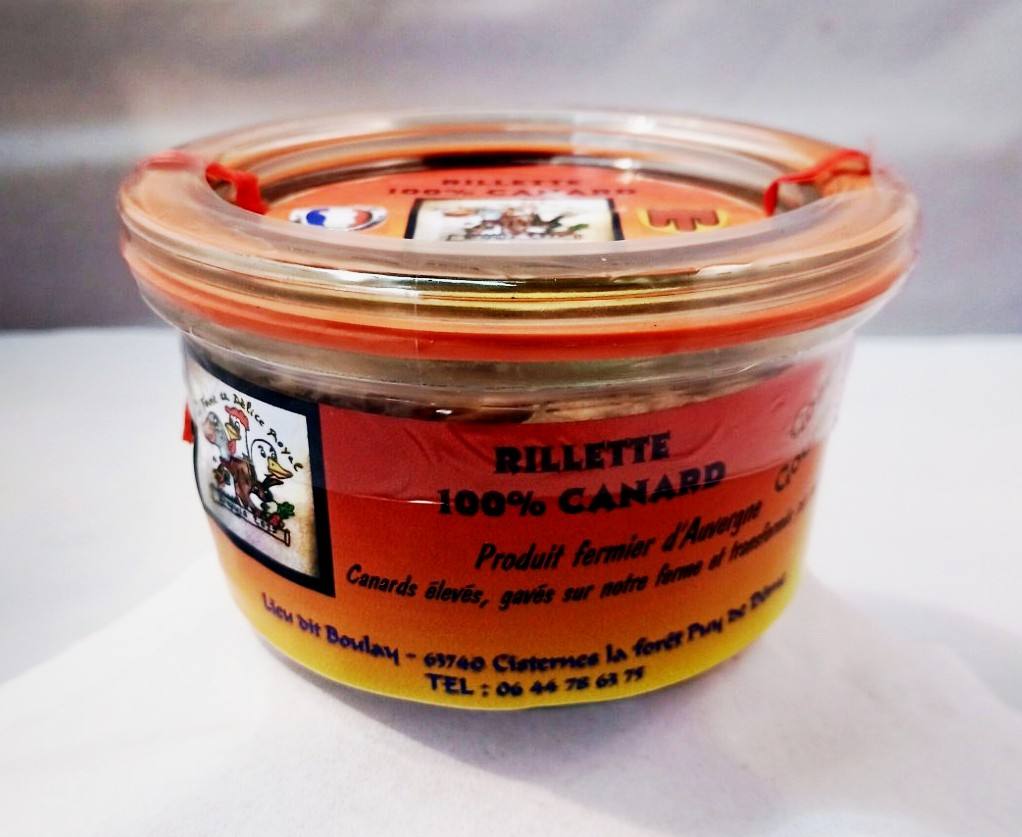
Duck rillette 120 gr
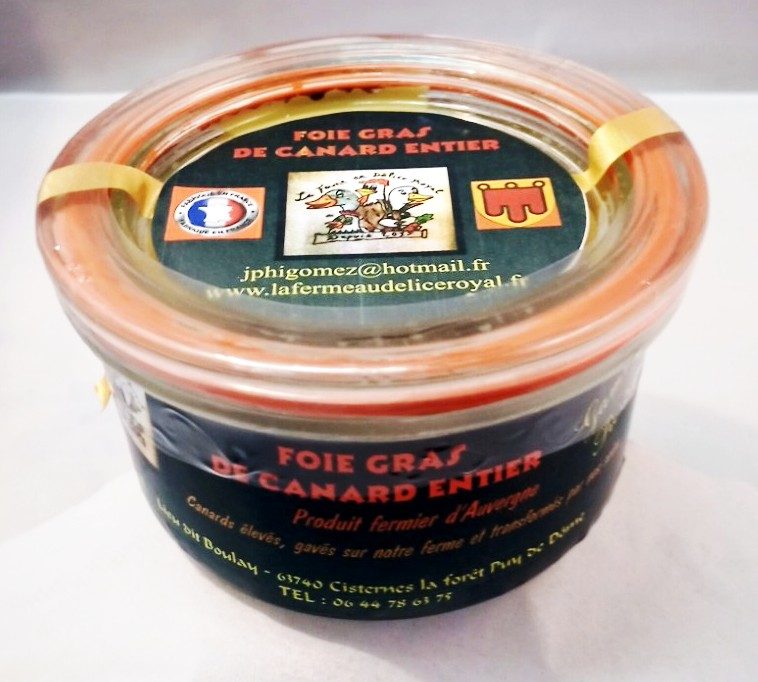
Whole duck foie gras 100, 200 and 270 gr
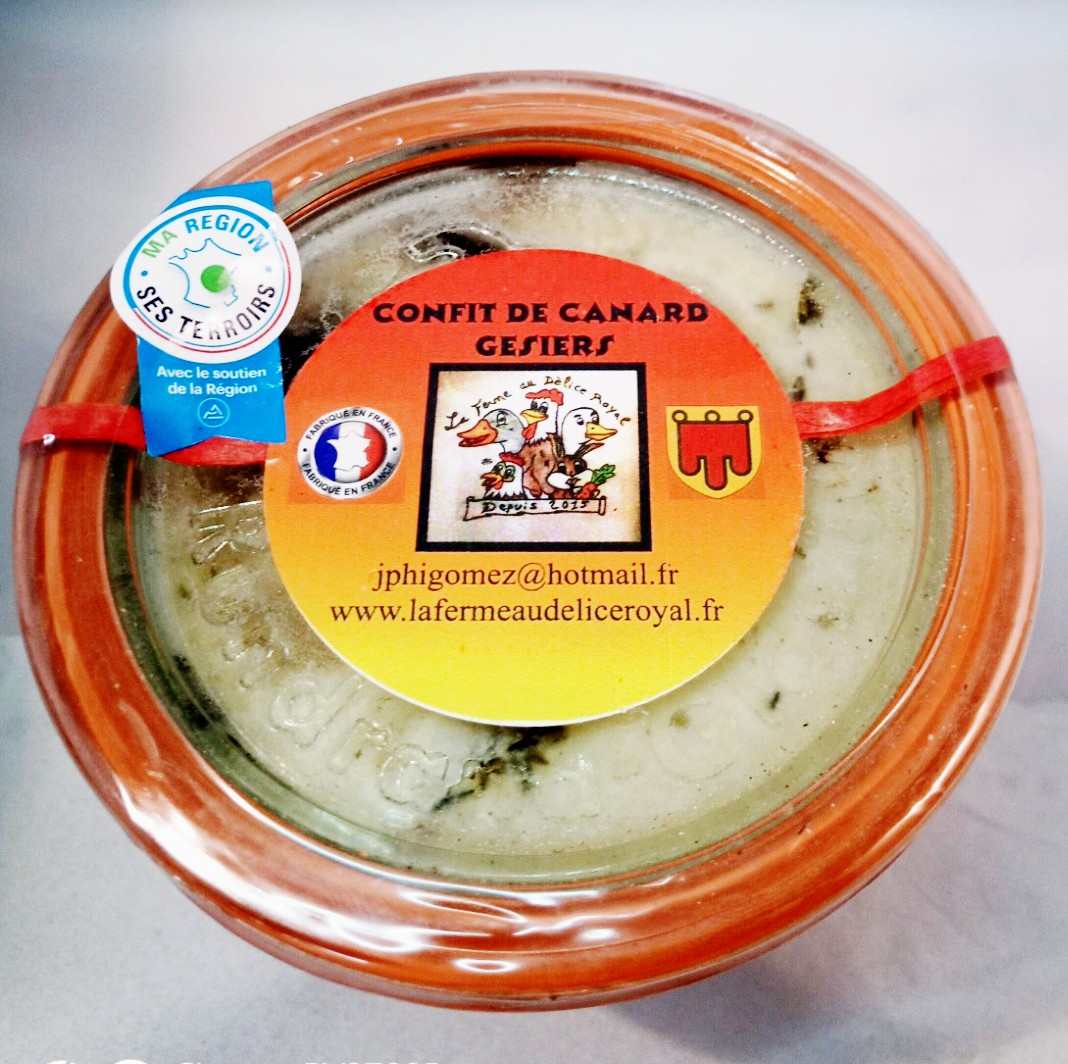
Duck confit gizzards
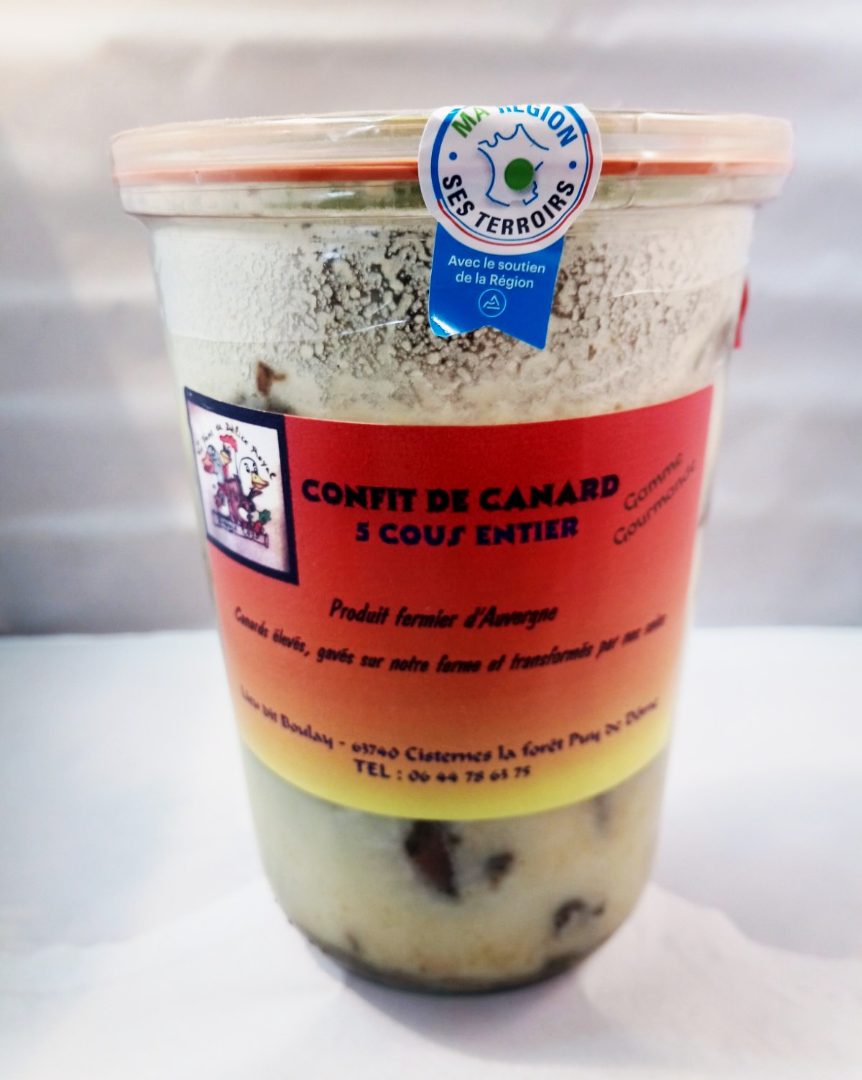
Whole neck duck confit per 5
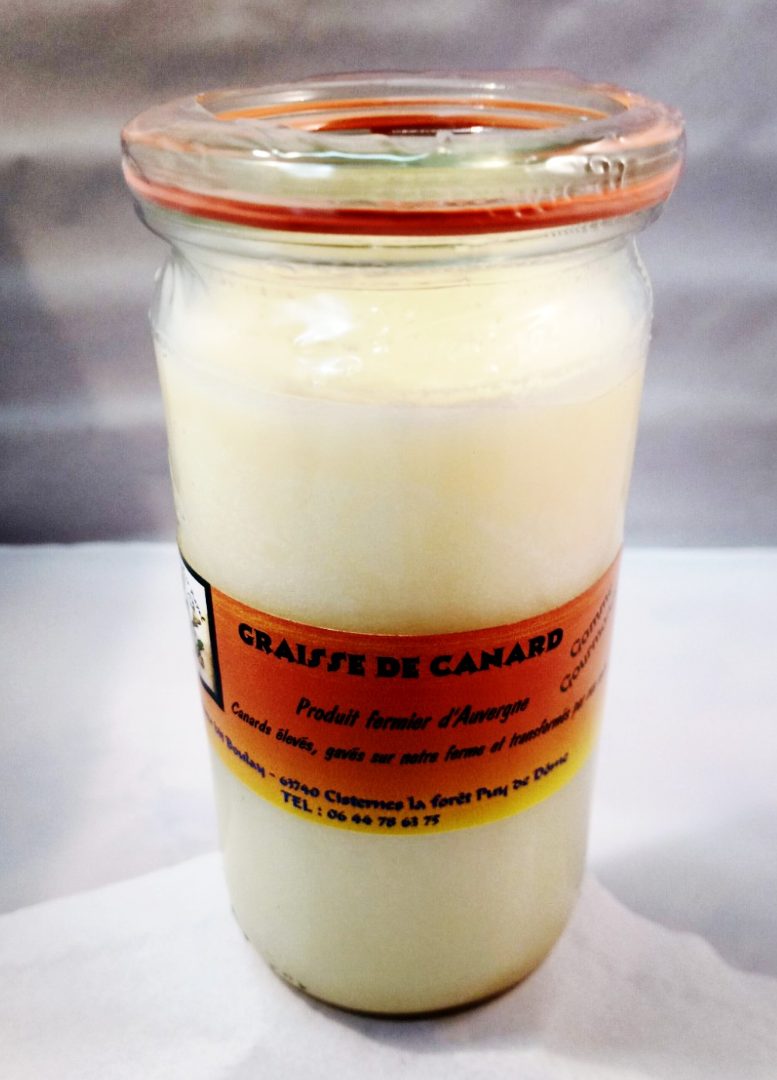
Duck fat
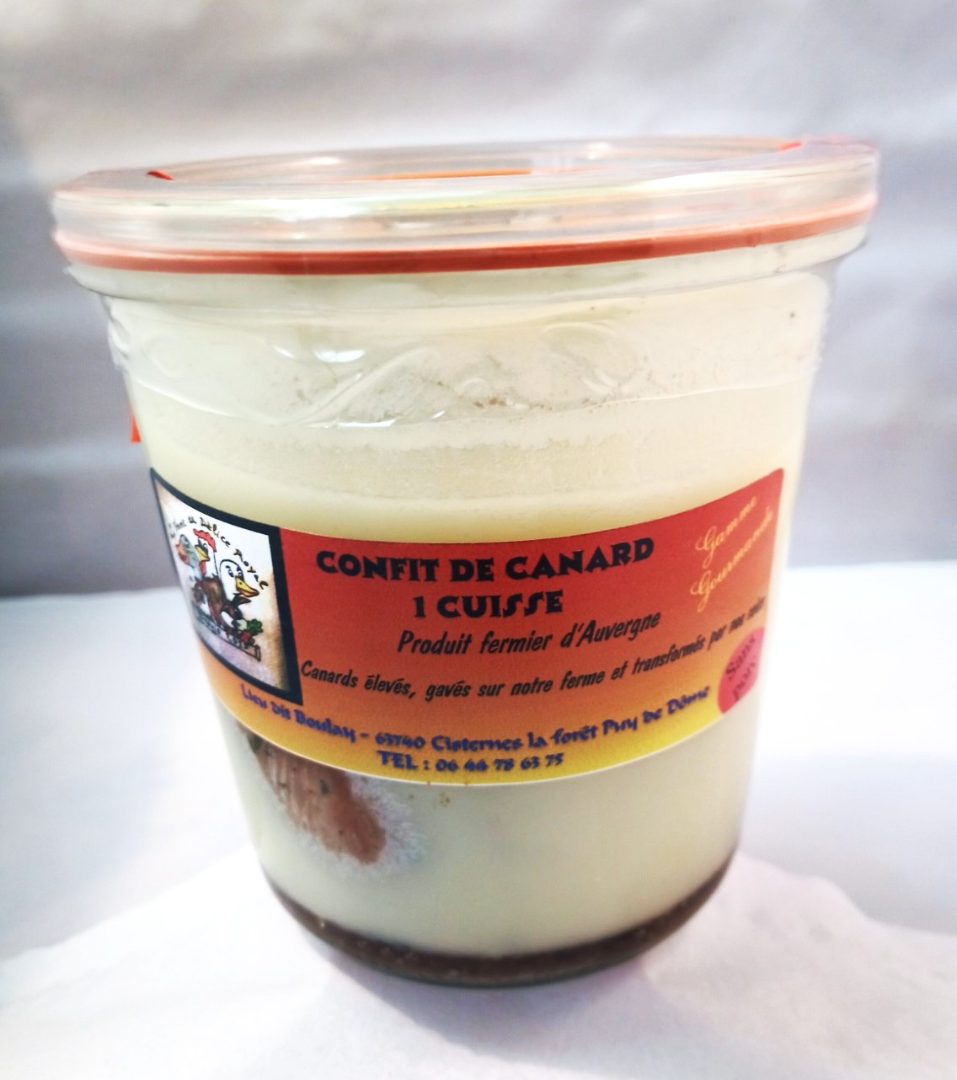
Duck confit legs by 1 and by 2
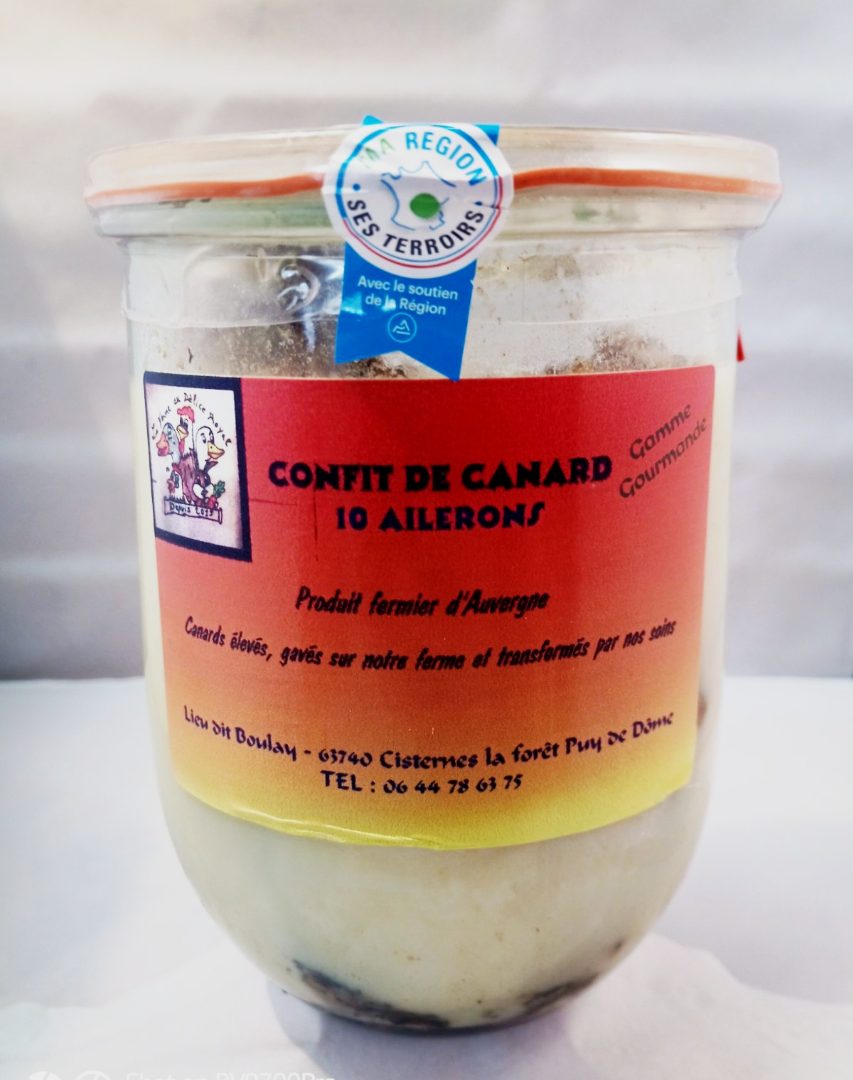
Duck confit 10 fins

Duck terrine different varieties

Duck breast confit by 1 and by 2
Posted in Clostridium, Clostridium botulinum, food contamination, food handler, Food Hazard, Food Hygiene, Food Inspections, Food Micro Blog, Food Microbiology, Food Microbiology Blog, Food Microbiology Testing, Food Pathogen, Food Poisoning, Food Quality, food recall, Food Safety, Food Safety Alert, Food Safety Management, Food Safety Regulations, Food Testing, Food Toxin, product recall, Recall
Lidl Romania is preventively recalling the product “Nixe Anchovy fillets in olive oil 80g” from the batch 145/220 and with a validity period of 25.05.2024, as a result of a suspicion related to determination of high values for the histamine parameter.
Typical manifestations of intoxication with histamine include flushing of the skin, rashes, gastrointestinal symptoms and headaches.
People who have consumed this food and develop severe symptoms should request healthcare.
Posted in ANSVSA, food contamination, food handler, Food Hazard, Food Hygiene, Food Inspections, Food Micro Blog, Food Microbiology, Food Microbiology Blog, Food Microbiology Testing, Food Poisoning, Food Quality, food recall, Food Safety, Food Safety Alert, Food Safety Management, Food Testing, Food Toxin, Histamine
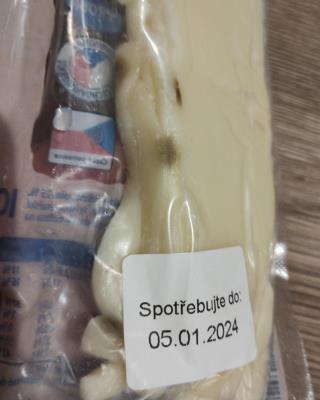
There were mold colonies on the surface of the food in parts of the packaging. Food is not considered safe if it shows signs of spoilage.
Unsuitable storage temperatures for this food were not detected during the inspection. The food did not have an expiration date.
| Expiration date: | 05/01/2024 |
| Packaging: | PP with print |
| Quantity of the product in the package: | 100 g |
| Manufacturer: | SIMABELLE s.r.o., no. 1074, 739 98 Mosty u Jablunkova, office: Rudé armády 1820, 733 01 Karviná-Hranice |
| Country of origin: |  Czechia Czechia |
| Date of sample collection: | 20/12/2023 |
| Reference number: | 24-000073-SZPI-CZ |
Posted in food contamination, food handler, Food Hazard, Food Hygiene, Food Inspections, Food Micro Blog, Food Microbiology, Food Microbiology Blog, Food Microbiology Testing, Food Poisoning, Food Quality, food recall, Food Safety, Food Safety Alert, Food Safety Management, Food Safety Regulations, Food Testing, Food Toxin, Mold/ MouldAscospores, Mould/Mold, Potravinynapranyri, Visible Mould/Mold
Product category
Food
Product subcategory
Cereals and bakery products
Product brand name
CLEAR LIFE
Model names or references
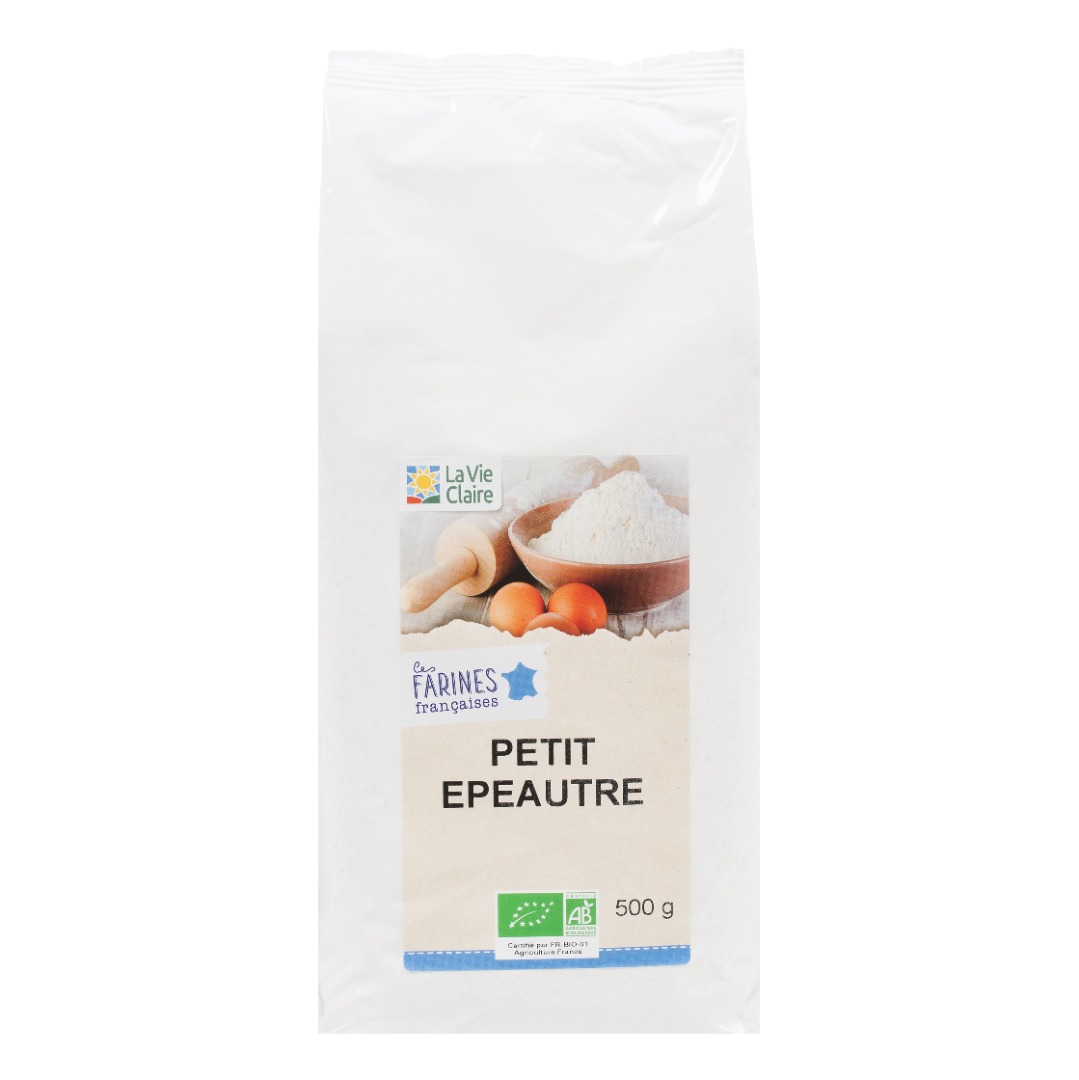
Einkorn flour 500G
Product identification
GTIN Batch Date
3266191107875 26223L1 Minimum durability date 09/19/2024
Packaging
500g bag
Storage temperature
Product to be stored at room temperature
Geographical sales area
Whole France
Distributors
La Vie Claire Stores
Posted in Ergot, Ergot Alkaloids, food contamination, food handler, Food Hazard, Food Hygiene, Food Inspections, Food Micro Blog, Food Microbiology, Food Microbiology Blog, Food Microbiology Testing, Food Poisoning, Food Quality, food recall, Food Safety, Food Safety Alert, Food Safety Management, Food Safety Regulations, Food Testing, Food Toxin, mold, Mold Toxin, Mould/Mold, Mycotoxin
Aflatoxin B1 in groundnuts from Paraguay in the Netherlands
Aflatoxins in U.S.A. peanuts in the Netherlands
Aflatoxins in groundnuts from Egypt in Belgium
Aflatoxins in groundnuts from Egypt in Belgium
Aflatoxins in groundnuts from Egypt in Belgium, Germany and Netherlands.
Aflatoxin in Pistachio origin USA exported from Turkiye in Italy
Aflatoxin B1 and total aflatoxins in dried figs from Turkey in France
Aflatoxins in dried figs from Turkey in Germany
Aflatoxins in almonds from United States in Spain
Posted in Aflatoxin, Aspergillus Toxin, food contamination, food handler, Food Hazard, Food Hygiene, Food Inspections, Food Micro Blog, Food Microbiology, Food Microbiology Blog, Food Microbiology Testing, Food Pathogen, Food Quality, food recall, Food Safety, Food Safety Alert, Food Safety Management, Food Testing, Food Toxin, Mold Toxin, Mould Toxin, Mycotoxin, RASFF
Presence of Histamine above the maximum permitted limit in tuna from Senegal in Spain
MRL exceeding for Histamine in anchovy fillets in olive oil from Italy in Romania
Posted in food contamination, food handler, Food Hazard, Food Hygiene, Food Inspections, Food Micro Blog, Food Microbiology, Food Microbiology Blog, Food Microbiology Testing, Food Poisoning, Food Quality, food recall, Food Safety, Food Safety Alert, Food Safety Management, Food Safety Regulations, Food Testing, Food Toxin, Histamine, RASFF
Aflatoxin B1 in millet grains from India in Spain
Toxins may have been the cause of several infants aged 5–6 months becoming ill after eating products from Den Sorte Havre between November and January. The products were withdrawn from the market in January.
At the beginning of January, the Norwegian Food Safety Authority was notified that several infants aged 5–6 months had become ill after eating products from Den Sorte Havre. The investigations of the products show the discovery of toxins produced by the bacterium Bacillus cereus.
The Norwegian Food Safety Authority has collaborated with the Norwegian Veterinary Institute (VI), the Norwegian University of Environmental and Biosciences (NMBU) and the Norwegian Institute of Public Health (FHI), and carried out extensive mapping and analysis work to find a possible reason why the children fell ill.
FHI has interviewed twelve of the guardians who have notified the Norwegian Food Safety Authority about this.
– The observed course of the disease in the children is typical of food poisoning caused by a toxin produced by the bacterium Bacillus cereus, says senior researcher Umaer Naseer at FHI.
Usually this type of food poisoning causes vomiting and vomiting shortly after ingestion (0.5-6 hours), and lasts for a day or less.
The Norwegian Food Safety Authority has a close dialogue with the business in the work to investigate where in the production process bacterial toxins may have been formed and will have further follow-up of the business.
The children live in eight different counties. The children had eaten three of the five products aimed at children from Den Sorte Havre; Starter porridge, Adaptation to solid food and Oatmeal with banana, from the end of November 2023 until the beginning of January 2024. All but one of the children were aged 5-6 months, and all had repeated bouts of vomiting 1-2 hours after ingestion. One of the children was a few months older than the others, and did not vomit but had diarrhea after eating the product. Few of the children developed a fever, but several parents reported a shorter period when it was difficult to get in touch with the child.
Ten of the children have had contact with the health service due to the symptoms, but none of them have been admitted to hospital. The children with vomiting became symptom-free after a few hours or up to a day, and the child with diarrhea was ill for a week. All the children are now healthy.
VI and NMBU have carried out laboratory analyzes of samples taken from products at the homes of the affected families. Some of the samples show traces of a toxin produced by the bacterium Bacillus cereus . In some of the samples, the concentration was high enough to cause illness in young children.
Bacillus cereus is usually transmitted through the consumption of contaminated food containing bacteria (diarrhea type) or toxins (vomiting type). Traditionally, starchy foods, such as rice and pasta, have been associated with the type of vomiting.
To prevent infection from bacillus cereus bacteria (diarrhea type), hot food should be kept piping hot (higher than 60°C) until serving. If the food is to be cooled, this should be done quickly and in small volumes. Leftovers should be heated sufficiently before serving.
Toxins produced by bacillus cereus bacteria (vomiting type) can withstand heat and boiling. Heating food containing such bacteria will therefore not prevent infection.

 FoodWorld