ochratoxin A (91 µg/kg – ppb) in organic licorice root powder from unknown origin, via the Netherlands and via Denmark in Finland

ochratoxin A (91 µg/kg – ppb) in organic licorice root powder from unknown origin, via the Netherlands and via Denmark in Finland
Posted in deoxynivalenol, DON, food contamination, Food Hygiene, Food Inspections, Food Micro Blog, Food Microbiology, Food Microbiology Blog, Food Microbiology Testing, Food Poisoning, food recall, Food Safety, Food Safety Alert, Food Temperature Abuse, Food Testing, Food Toxin, Fusarium Toxin, Mold Toxin, Mould Toxin, Mycotoxin, RASFF, Toxin
Thursday, 7 January 2021
| Summary | |
|---|---|
| Category 2: | For Information |
| Alert Notification: | 2021.02 |
| Product: | Makar Bakalie Popcorn ziarno kukurydzy do prazenia; pack size: 100g |
| Batch Code: | 6447 2710; best before: 01/09/2021 |
| Country Of Origin: | Hungary |
A batch of Makar Bakalie Popcorn is being recalled as it contains Deoxynivalenol (DON) in excess of the legal limit. Deoxynivalenol (DON) is a mycotoxin primarily produced by Fusarium fungi, occurring predominantly in cereal grains. Short-term (acute) exposure to high levels of DON has been reported to cause symptoms including nausea, vomiting, diarrhoea, abdominal pain, headaches, dizziness and fever in humans. Evidence of adverse health effects in humans due to long-term (chronic) exposure to DON is lacking, however, adverse effects such as reduced body weight gain have been observed in animal studies. The levels of DON detected exceed the maximum legal limit, however, health concerns are not expected from consuming the implicated batch.

Posted in deoxynivalenol, DON, food contamination, Food Inspections, Food Micro Blog, Food Microbiology, Food Microbiology Blog, Food Microbiology Testing, Food Poisoning, food recall, Food Safety, Food Safety Alert, Food Temperature Abuse, Food Testing, Food Toxin, Fusarium Toxin, Mold Toxin, Mould Toxin, Mycotoxin
Recalled Foods , Published: January 6, 2021
Which feed
Rema 1000 Wild Birds Nuts ( see picture )
Net Contents: 1 kg
Best before date: 07/31/2022
Lot Number: 9018373
EAN bar code: 5705830009418
Sold with
Rema 1000 stores across the country. However, the product has been removed from stores before the New Year.
Company recalling
DK International Care A / S, Niels Bohr Vej 45, 8660 Skanderborg
Cause
A sample taken by the Danish Veterinary and Food Administration found an excessively high content of aflatoxin B1 in the product.
Risk
Aflatoxin is a toxin produced by molds. It can be harmful for birds to eat the food.
Advice for consumers
Consumers are advised to discard the product or return it to the store where it was purchased.
| Summary | |
|---|---|
| Category 2: | For Information |
| Alert Notification: | 2021.01 |
| Product: | Dried Figs – Imported by Carpios Foods Ltd. Pack Size 200g |
| Batch Code: | Best Before 04/21 |
| Country Of Origin: | Spain |
A batch of Dried Figs imported from Spain by Carpios Foods Ltd is being withdrawn due to Aflatoxin above the legal limit.
Aflatoxin is one of a group of a naturally occurring chemicals (mycotoxins) produced by certain moulds. They can grow on a variety of different crops and foodstuffs often under warm and humid conditions.
Mycotoxins can cause a variety of adverse health effects in humans including cancer (some are genotoxic), kidney and liver damage, gastrointestinal disturbances, reproductive disorders or suppression of the immune system. Mycotoxins are naturally occurring, so their presence in foods cannot be completely avoided.

The Quinault Tribe of the Northwestern United States is voluntarily recalling almost 58,000 pounds of live or un-eviscerated Dungeness crab because of possible domoic acid contamination, which can cause amnesic shellfish poisoning in people.
With Dungeness crab being a popular New Year’s dish, public health officials in Washing state posted the recall notice today in hopes of reaching holiday cooks before meals are prepared. It is not clear how far the crab may have been distributed.
Domoic acid is a naturally occurring toxin produced by certain types of algae and can be harmful to humans if contaminated shellfish is consumed.
Domoic acid can cause amnesic shellfish poisoning (ASP) with symptoms including vomiting, nausea, diarrhea, and abdominal cramps within 24 hours of ingestion. In severe cases, ASP can cause permanent short-term memory loss.
Posted in Algal Toxin, Amnesic Shellfish Poisoning, DOMOIC ACID, food contamination, Food Hygiene, Food Inspections, Food Micro Blog, Food Microbiology, Food Microbiology Blog, Food Microbiology Testing, Food Poisoning, food recall, Food Safety, Food Safety Alert, Food Testing, Food Toxin, Marine Biotoxin, Shellfish, shellfish toxin

The recall is due to microbial (mycotoxin – patulin) contamination.
Food products containing the mycotoxin patulin may cause illness if consumed.
Any consumers concerned about their health should seek medical advice and should return the product to the place of purchase for a full refund.
For further information, please contact Monde Nissin Australia Pty Ltd by phone on 1800 466 834 or email info@nudie.com.au or via www.nudie.com.au
Independent food retailers including IGA in NSW, Vic & SA, Independent food retailers in Qld, Tas & WA and Woolworths nationally.
Food Standards Australia New Zealand is the coordinating agency for this recall.
Posted in food contamination, Food Hygiene, Food Inspections, Food Micro Blog, Food Microbiology, Food Microbiology Blog, Food Microbiology Testing, Food Poisoning, food recall, Food Safety, Food Safety Alert, Food Spoilage, Food Temperature Abuse, Food Testing, Food Toxin, FSANZ, Mold Toxin, Mould Toxin, Mycotoxin, Patulin, Toxin
On December 30, 2020, Midwestern Pet Food, Inc. announced a recall of certain lots of Sportmix pet food products after FDA was alerted about reports of at least 28 dogs that have died and eight that have fallen ill after consuming the recalled Sportmix pet food. Multiple product samples were tested by the Missouri Department of Agriculture and found to contain very high levels of aflatoxin. Aflatoxin is a toxin produced by the mold Aspergillus flavus and at high levels it can cause illness and death in pets. The toxin can be present even if there is no visible mold.
FDA is issuing this advisory to notify the public about the potentially fatal levels of aflatoxin in pet food products that may still be on store shelves, online, or in pet owners’ homes.
FDA is conducting follow-up activities at the manufacturing facility.
This is a developing situation and the FDA will update this page with additional information as it becomes available.
Pets are highly susceptible to aflatoxin poisoning because, unlike people, who eat a varied diet, pets generally eat the same food continuously over extended periods of time. If a pet’s food contains aflatoxin, the toxin could accumulate in the pet’s system as they continue to eat the same food.
Pets with aflatoxin poisoning may experience symptoms such as sluggishness, loss of appetite, vomiting, jaundice (yellowish tint to the eyes, gums or skin due to liver damage), and/or diarrhea. In some cases, this toxicity can cause long-term liver issues and/or death. Some pets suffer liver damage without showing any symptoms. Pet owners whose pets have been eating the recalled products should contact their veterinarians, especially if they are showing signs of illness.
There is no evidence to suggest that pet owners who handle products containing aflatoxin are at risk of aflatoxin poisoning. However, pet owners should always wash their hands after handling pet food.
On December 30, 2020, Midwest Pet Food, Inc. announced a recall of nine total lots of Sportmix pet food products. FDA and the Missouri Department of Agriculture are working with the firm to determine whether any additional products may have been made with the same ingredients containing potentially fatal levels of aflatoxin. As new information becomes available, this product list may continue to expand.
The list of recalled dry pet food products announced by Midwestern Pet Food, Inc. on December 30, 2020 is:
Lot code information may be found on the back of bag and will appear in a three-line code, with the top line in format “EXP 03/03/22/05/L#/B###/HH:MM”
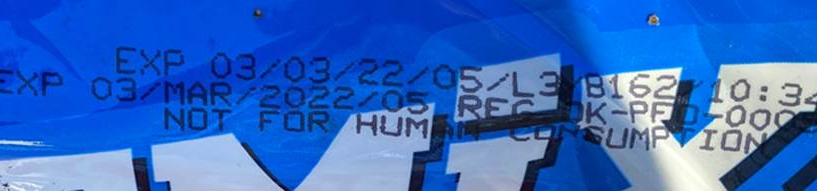
The affected products were distributed to online retailers and stores nationwide within the United States.
Don’t sell or donate the affected pet food products. Contact the manufacturer for further instructions. The FDA also encourages retailers to contact consumers who have purchased recalled products, if they have the means to do so (such as through shopper’s card records or point-of-sale signs).
If your pet has symptoms of aflatoxin poisoning, contact a veterinarian immediately. Even pets without symptoms may have suffered liver damage, so you may want to contact your veterinarian if your dog has eaten any of the recalled products. Provide a full diet history to your veterinarian. You may find it helpful to take a picture of the pet food label, including the lot number.
Don’t feed the recalled products to your pets or any other animal. Contact the company listed on the package for further instructions or throw the products away in a way that children, pets and wildlife cannot access them. Sanitize pet food bowls, scoops, and storage containers using bleach, rinsing well afterwards with water, and drying thoroughly.
There is no evidence to suggest that pet owners who handle products containing aflatoxin are at risk of aflatoxin poisoning. However, pet owners should always wash their hands after handling any pet food.
You can report suspected illness to the FDA electronically through the Safety Reporting Portal or by calling your state’s FDA Consumer Complaint Coordinators. It’s most helpful if you can work with your veterinarian to submit your pet’s medical records as part of your report. For an explanation of the information and level of detail that would be helpful to include in a complaint to the FDA, please see How to Report a Pet Food Complaint.
The FDA urges veterinarians treating aflatoxin poisoning to ask their clients for a diet history. We also welcome case reports, especially those confirmed through diagnostic testing. You can submit these reports electronically through the FDA Safety Reporting Portal or by calling your state’s FDA Consumer Complaint Coordinators. For an explanation of the information and level of detail that would be helpful to include in a complaint to the FDA, please see How to Report a Pet Food Complaint.
The information in this release reflects the FDA’s best efforts to communicate what it has learned from the manufacturer and parties involved in the investigation. The agency will update this page as more information becomes available.
Lamb chop cut frozen
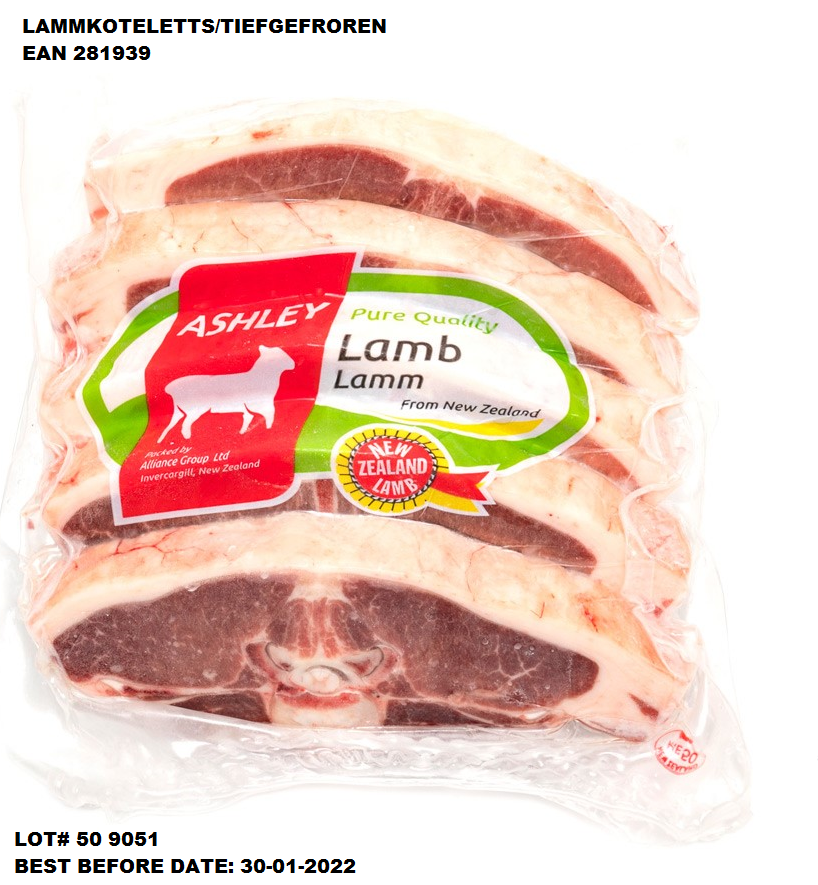
Enterohaemorrhagic Escherichia coli pathogens (EHEC) were found in a piece from the lot.
poststelle@mlr.bwl.de
| Press releases and information | |
|---|---|
| title | Attachment or web link |
|
Customer information
|
|
aflatoxins (B1 = 81 µg/kg – ppb) in dried figs from Spain in Spain
aflatoxins (B1 = 54; Tot. = 64 µg/kg – ppb) in organic peanut kernels from Egypt in the Netherlands
aflatoxins (B1 = 13.7 mg/kg – ppm) and ochratoxin A (11.4 mg/kg – ppm) in roasted and salted watermelon seeds from Turkey in Germany
aflatoxins (B1 = 36; Tot. = 90 µg/kg – ppb) in organic dried figs from Turkey in the Netherlands
aflatoxins (B1 = 53; Tot. = 55 µg/kg – ppb) in dried figs from Turkey in France
aflatoxins (B1 = 17; Tot. = 18 µg/kg – ppb) in dried figs from Turkey in France
aflatoxins (B1 = 17; Tot. = 22 µg/kg – ppb) in dried figs from Turkey
aflatoxins (B1 = 48; Tot. = 109 µg/kg – ppb) in dried figs from Turkey in France
Posted in Aflatoxin, food contamination, Food Hygiene, Food Inspections, Food Micro Blog, Food Microbiology, Food Microbiology Testing, Food Poisoning, food recall, Food Safety, Food Safety Alert, Food Spoilage, Food Temperature Abuse, Food Testing, Food Toxin, microbial contamination, Microbiology, Mold Toxin, Mould Toxin, Mycotoxin, Ochratoxin


