100% whole grain rye pasta (organic) – ochratoxin A from Poland in Norway
Ochratoxin A in organic dried Turkish figs in the Netherlands

100% whole grain rye pasta (organic) – ochratoxin A from Poland in Norway
Ochratoxin A in organic dried Turkish figs in the Netherlands
Posted in food contamination, food handler, Food Hazard, Food Hygiene, Food Inspections, Food Micro Blog, Food Microbiology, Food Microbiology Blog, Food Microbiology Testing, Food Poisoning, food recall, Food Safety, Food Safety Alert, Food Safety Management, Food Testing, Food Toxin, Mold Toxin, Mould Toxin, Mycotoxin, Ochratoxin, Ochratoxin A, RASFF
High count of Escherichia coli in fresh mint from Italy, packaged in Romania
E. coli in Chivas from Italy in Romania
Posted in E.coli, food contamination, food handler, Food Hazard, Food Hygiene, Food Inspections, Food Micro Blog, Food Microbiology, Food Microbiology Blog, Food Microbiology Testing, Food Pathogen, Food Poisoning, food recall, Food Safety, Food Safety Alert, Food Safety Management, Food Testing, Food Toxin, RASFF
Detection of vibrio vulnificus in frozen raw shrimps from Ecuador in France
Vibrio vulnificus detected in frozen whole raw shrimps (Penaeus vannamei) from Venezuela in France
Posted in food contamination, food handler, Food Hazard, Food Hygiene, Food Inspections, Food Micro Blog, Food Microbiology, Food Microbiology Blog, Food Microbiology Research, Food Microbiology Testing, Food Pathogen, Food Poisoning, food recall, Food Safety, Food Safety Alert, Food Safety Management, Food Testing, Food Toxin, RASFF, Vibrio, Vibrio vulnificans, Vibrio vulnificus
Histamine in chilled tuna fillets from Spain in Netherlands, Germany and Belgium
Presence of histamine beyond legal limits in anchovy fillets from Albania in Italy
Posted in food contamination, food handler, Food Hazard, Food Hygiene, Food Inspections, Food Micro Blog, Food Microbiology, Food Microbiology Blog, Food Microbiology Testing, Food Poisoning, food recall, Food Safety, Food Safety Alert, Food Safety Management, Food Testing, Food Toxin, Histamine, RASFF
Bacillus cereus in humus from Serbia in Slovenia
Posted in Bacillus, Bacillus cereus, food contamination, food handler, Food Hazard, Food Hygiene, Food Inspections, Food Micro Blog, Food Microbiology, Food Microbiology Blog, Food Microbiology Testing, Food Pathogen, Food Poisoning, food recall, Food Safety, Food Safety Alert, Food Safety Management, Food Testing, Food Toxin, RASFF
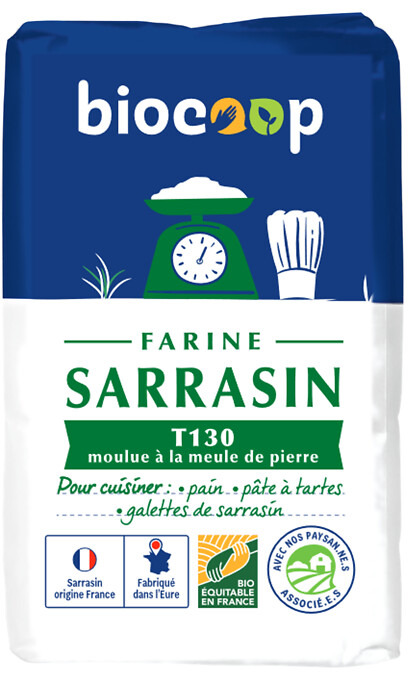
| GTIN | Batch | Date |
|---|---|---|
| 3558630113005 | 290822 FSAT130S1 – 214 | Date of minimum durability 08/29/2023 |
Posted in food contamination, food handler, Food Hazard, Food Hygiene, Food Inspections, Food Micro Blog, Food Microbiology, Food Microbiology Blog, Food Microbiology Testing, Food Poisoning, food recall, Food Safety, Food Safety Alert, Food Safety Management, Food Testing, Food Toxin, Mold Toxin, Mould Toxin, Mycotoxin, Ochratoxin, Ochratoxin A
Brand : ALESTO
Name : ROASTED PEANUTS IN SHELL
Reason for reporting : Recall due to chemical risk
Publication date : 14 September 2022

Posted in Aflatoxin, Aspergillus Toxin, food contamination, food handler, Food Hazard, Food Hygiene, Food Inspections, Food Micro Blog, Food Microbiology, Food Microbiology Blog, Food Microbiology Testing, Food Poisoning, food recall, Food Safety, Food Safety Alert, Food Safety Management, Food Testing, Food Toxin, Mold Toxin, Mould Toxin, Mycotoxin
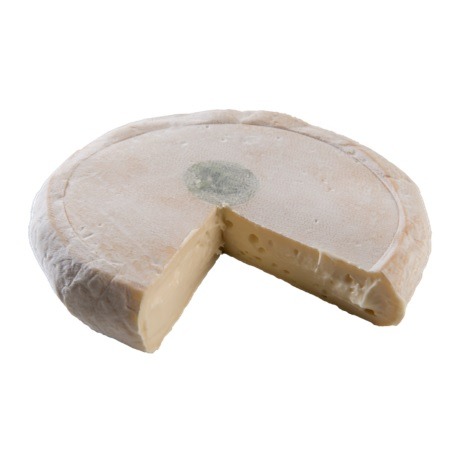
| GTIN | Batch | Date |
|---|---|---|
| 2481206000007 | All lots | Use-by date 30/09/2022 |
Posted in food contamination, food handler, Food Hazard, Food Hygiene, Food Inspections, Food Micro Blog, Food Microbiology, Food Microbiology Blog, Food Microbiology Testing, Food Pathogen, food recall, Food Safety, Food Safety Alert, Food Safety Management, Food Testing, Food Toxin, STEC, STEC E.coli
New Zealand Food Safety today reduced a public health warning against collecting shellfish in the Waikato and Taranaki region. The public health warning now extends from Albatross Point south to Oakura Beach and no longer applies to Kawhia and Aotea Harbours. More testing is being undertaken to determine the levels of paralytic shellfish toxins in the affected area.
Routine tests on shellfish samples taken from the Aotea/Kawhia Harbour area have shown levels of Paralytic Shellfish Poisoning (PSP) toxins are now within the safe limit of 0.8 mg/kg set by New Zealand Food Safety.
Mussels, oysters, tuatua, pipi, toheroa, cockles, scallops, catseyes, kina (sea urchin), and all other bivalve shellfish should not be eaten.
Note, cooking shellfish does not remove the toxin.
Pāua, crab, and crayfish may still be eaten if the gut has been completely removed prior to cooking, as toxins accumulate in the gut. If the gut is not removed, its contents could contaminate the meat during the cooking process.
Symptoms typically appear between 10 minutes and 3 hours after ingestion and may include:
If anyone becomes ill after eating shellfish from an area where a public health warning has been issued, phone Healthline for advice on 0800 61 11 16, or seek medical attention immediately. You are also advised to contact your nearest public health unit and keep any leftover shellfish in case it can be tested.
Monitoring of toxin levels will continue and any changes will be communicated accordingly. Commercially harvested shellfish – sold in shops and supermarkets, or exported – is subject to strict water and flesh monitoring programmes by MPI to ensure they are safe to eat.
Posted in Algal Toxin, Decontamination Microbial, Food Micro Blog, Food Microbiology, Food Microbiology Blog, Food Microbiology Research, Food Microbiology Testing, Food Toxin, Lipophilic Marine Biotoxin, Marine Biotoxin, microbial contamination, Microbiological Risk Assessment, Microbiology, Microbiology Investigations, Microbiology Risk, MPI, paralytic shellfish poisoning, PSP


 FoodWorld