Category Archives: food safety training

Iceland – Listeria is found in smoked salmon

MAST

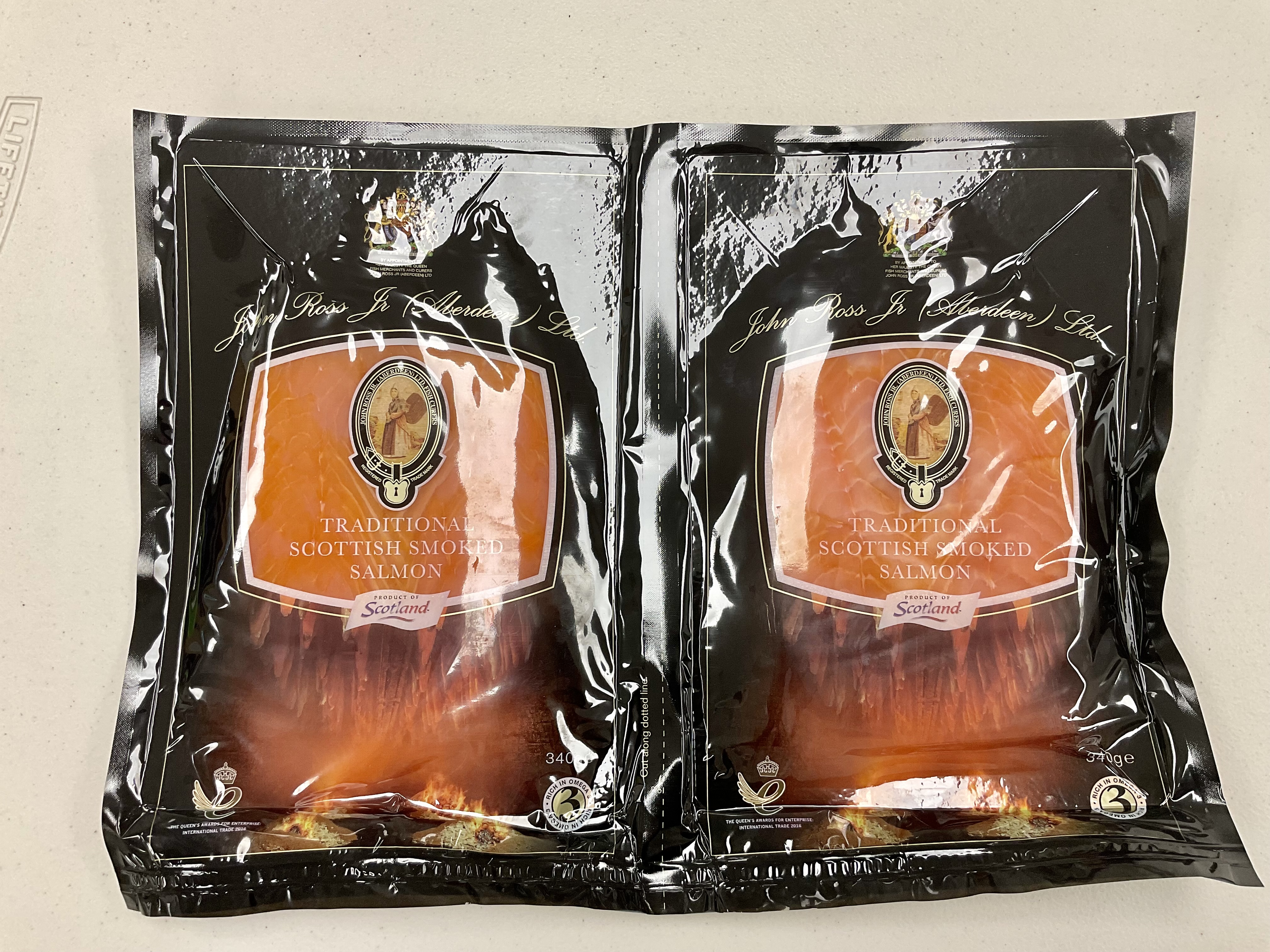
Matvælastofnun warns against consuming one batch of smoked salmon from John Ross Junior, Scotland, which is imported by Costco. The recall of the salmon is due to the fact that the microbial  Listeria monocytogenis was detected in the product. The company has, in consultation with the health inspectorates of Garðarbær, Hafnarfjörður, Kópavogur, Mosfellsbær and Seltjarnarnes (HEF), recalled the product with a notification to the buyers who have purchased the product.

Matvælastofnun took samples of the salmon during regular border checks.

The recall only applies to the following batch:

  • Brand:  John Ross
  • Product name:  Scottish smoked salmon  340 gr.
  • Country of manufacture: Scotland
  • Manufacturer: John Ross Junior ltd
  • Importer: Costco
  • Best before date:  28.05.22
  • Distribution: Costco

lax

In most healthy individuals, the consumption of listeria-contaminated foods does not cause disease. Risk groups are pregnant women, unborn and newborn babies, the elderly and people with impaired immune systems. Group infections caused by listeria are rare, usually individual infections.

Consumers are asked not to consume the product and discard it. Costco has removed all units of the product in question from disposal and disposed of them. You can get a refund from Costco. For more information contact Costco (help desk)

Related material

Singapore – Suspension of Burger and Lobster Singapore Pte Ltd’s food business operations at Jewel Changi Airport – Gastroenteritis

SFA MOH

The Ministry of Health (MOH) and the Singapore Food Agency (SFA) are investigating six incidents of gastroenteritis affecting a total of 17 persons after consuming food prepared by Burger and Lobster Singapore Pte Ltd located at Jewel Changi Airport between 7 and 15 May 2022. Four persons were hospitalised. One had since been discharged, and the three remaining hospitalised cases are currently stable. The remaining cases either sought outpatient treatment, self-medicated, or recovered without treatment.

In view of the suspected ongoing transmission, SFA has suspended the food business operations of Burger and Lobster Singapore Pte Ltd at Jewel Changi Airport, with effect from 16 May 2022 until further notice.

All food handlers working in the premises are required to re-attend and pass the Food Safety Course Level 1 and test negative for foodborne pathogens, before they can resume work as food handlers. The appointed Food Hygiene Officer working at the premises must re-attend and pass the WSQ Conduct Food and Beverage Hygiene Audit course before he/she can resume work as a Food Hygiene Officer. The licensee is also required to clean and sanitise the premises, including equipment and utensils, and dispose all ready-to-eat food and perishable food items.

India – Telangana: Now report food safety and quality issues through social media

Telangana Today

Hyderabad: To address grievances related to food poisoning, lack of quality and safety in food products and ingredients, the Telangana government on Sunday has urged people to call (040-21111111) or reach out to food safety officials through micro-blogging social media platform Twitter (@AFCGHMC) for quick redressal.

State Health Minister, T Harish Rao, in a review meeting here on Sunday with officials from Commissioner of Food Safety, Institute of Preventive Medicine (IPM) and food safety inspectors from all the districts and senior health officials, assured people that quick food safety checks will be conducted by food safety officials after receiving complaints through the call centre or the Twitter handle @AFCGHMC.

Ireland – Recall of Some Marks and Spencer Products Containing Chicken Due to the Possible Presence of Salmonella

FSAI

Summary
Category 1: For Action
Alert Notification: 2022.30
Product: Please see tables below for details.
Batch Code: Please see tables below for details.
Country Of Origin: United Kingdom

Message:

Marks & Spencer is recalling some products containing chicken due to the possible presence of Salmonella.  Point-of-sale recall notices will be displayed in stores supplied with the implicated batches.

Nature Of Danger:

People infected with Salmonella typically develop symptoms between 12 and 36 hours after infection, but this can range between 6 and 72 hours. The most common symptom is diarrhoea, which can sometimes be bloody.  Other symptoms may include fever, headache and abdominal cramps. The illness usually lasts 4 to 7 days. Diarrhoea can occasionally be severe enough to require hospital admission. The elderly, infants, and those with impaired immune systems are more likely to have more severe illness.

Action Required:

Consumers:

Consumers are advised not to eat the implicated batches.

M and S Product Table 1
M and S Product Table 2
M and S Product Table 3
M and S Product Table 4

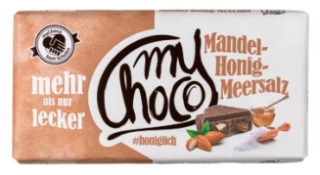
Luxembourg – MYCHOCO BRAND MILK CHOCOLATE WITH ALMONDS, HONEY AND SEA SALT – Aflatoxin

SAP

capture-de-bvl.PNG

name Milk chocolate with almonds, honey and sea salt
Brand MyChoco
Unity 180g
Date of minimum durability (MDD) 08/06/2023
Batch 22067

Danger  : Too high aflatoxin content

Aflatoxins are mycotoxins produced by certain species of Aspergillus molds which develop when the degree of temperature and humidity of the food is high. Aflatoxins are considered genotoxic and carcinogenic by the European Food Safety Authority and can be dangerous with high and repeated consumption.

Sale in Luxembourg by: Center Bohey

A sale by other operators cannot be excluded.

Research – Investigation of an international outbreak of multidrug-resistant monophasic Salmonella Typhimurium associated with chocolate products, EU/EEA and United Kingdom, February to April 2022 – Update

Eurosurveillance

In February 2022, a small five-single nucleotide polymorphism (SNP) single linkage cluster of eight cases of infection with monophasic  subsp.  serotype Typhimurium (1,4,5,12:i:-) eBG 1, sequence type (ST) 34 was identified in the United Kingdom (UK). The cluster was unusual, with all but one reported case younger than 10 years, and the strain demonstrated genotypic markers of an unusual antimicrobial resistance pattern not commonly seen in livestock, food or human disease cases in the UK. The cluster was not closely related to any other UK strains of monophasic  Typhimurium.

Exploratory interviews using an open-ended, anthropological approach (not binary yes/no questions) were undertaken with the parents/guardians of five cases in England for hypothesis generation. Subsequently, a targeted questionnaire to refine hypotheses identified through the exploratory interviews was used, confirming a strong signal for a specific brand of chocolate products.

Following the UK’s notification on the European Centre for Disease Prevention and Control (ECDC) EpiPulse Food and Waterborne Diseases (FWD) platform on 17 February 2022, and an Early Warning and Response System (EWRS) alert on 25 March, Germany, Sweden, France, the Netherlands and subsequently Luxembourg, Norway, Ireland, Belgium and Spain reported confirmed or probable cases in their respective countries.

Case definitionThe agreed European Union (EU) case definition for confirmed cases was laboratory-confirmed monophasic  Typhimurium with symptom onset on or after 1 October 2021 and belonging to the same five SNP single linkage cluster by SNP typing or cases who clustered within five allelic differences of another confirmed outbreak strain by core genome multilocus sequence typing (cgMLST) analysis or shared the same HC5_296366 by the EnteroBase HierCC scheme [1]. This definition therefore depended on the whole genome sequencing (WGS) methodology used at the national level in each country (i.e SNP typing or cgMLST analysis). Probable cases were those with laboratory confirmation of monophasic  Typhimurium with symptom onset on or after 1 October 2021 and phenotypic antimicrobial resistance (AMR) results consistent with the outbreak strain or a multilocus variable number tandem repeat analysis (MLVA) profile 3–11–14-NA-0211.

Detected cases in the EU/EEA and United KingdomBy 10 April 2022, a total of 150 confirmed and probable cases were identified across nine EU/European Economic Area (EEA) countries and the UK, with case sampling dates ranging from 21 December 2021 (the first UK case) to 28 March 2022 (Figure 1). Descriptive epidemiological investigations demonstrated cases ranged in age from 8 months to 56 years, but were predominately under the age of 10 years (n = 134; 89%) and disproportionately female (n = 99; 66%) (Figure 2). The hospitalisation rate was 42% of cases for whom information was available (116 cases with 49 hospitalised) – higher than that usually reported in salmonellosis outbreaks [2] and for individual cases of infection with . Typhimurium [3]. While this is probably also influenced by the demographic characteristics of those affected, this is a possible indicator of increased clinical severity of infection in this outbreak.

Multi-country collaboration through teleconferences and sharing of information between public health agencies and reference laboratories indicated that cases in affected countries commonly reported consumption of a specific brand of chocolate products. Overall, of 101 case interviews carried out across the 10 affected countries, 88 cases (87%) confirmed consumption of these products. The most commonly consumed product was Product A, marketed primarily for children in the age group 3–10 years, but multiple other product types were also reported.

Food chain investigations in the affected countries indicated that the majority of the products implicated in the epidemiological investigations were produced predominantly at a single production site in Belgium. This was the same facility from which the outbreak strain had been identified in December 2021 in the processing equipment.

Based on the strong descriptive epidemiological evidence implicating these products in this outbreak, on the identified food chain links and on evidence of contamination previously identified at production, risk management actions were taken in all affected countries, including withdrawal of all product lines produced in the implicated production facility and extensive product recalls, supported by news alerts and advice for consumers, starting with the first recall on 2 April in the UK and Ireland and extended to other countries shortly after. Extended recalls were carried out from 7 April as the investigations in a number of countries progressed, resulting in further evidence to support these recalls. On 8 April 2022, Belgian authorities stopped production at the facility in Belgium and, following the European Rapid Alert System Food and Feed (RASFF) alert notifications (RASFF 2022.1799), the World Health Organization/Food and Agriculture Organization International Food Safety Authorities Network (INFOSAN) also issued a global alert on 10 April notifying 77 countries and territories to which distribution of the implicated products had been established to initiate a global recall (see the Supplement for a non-exhaustive list of country-specific recall notices).

As at 10 April 2022, investigations are still ongoing to define specific national supply chains for the implicated products and common sourcing of raw ingredients. Root cause analysis for the outbreak is also ongoing to determine whether the outbreak was caused by a contaminated ingredient or another (potentially multi-strain) source of contamination.

Historically, chocolate-associated outbreaks have been protracted and usually of large scale, probably reflecting both the long shelf life of chocolate and the long survival of  in these products, as well as difficulties in detecting and resolving such outbreaks [79]. Previous investigations have resulted in recovery of only small amounts of  bacteria from sampling of chocolate products, suggesting that contamination in chocolate may be difficult to detect in product sampling, as well as difficult to mitigate through routine food hygiene procedures [7]. It has been suggested that the high fat content of chocolate may have a protective effect for the bacteria [10,11], including against gastric acid, and possibly altering the functional infective dose of  resulting in clinically severe disease from exposure to only very low levels of contamination [12,13].

By 10 April, this outbreak involved at least 150 reported cases in nine EU/EEA countries and the UK. Owing to known under-reporting of  surveillance systems and the varying sensitivities of microbiological techniques used across countries, the scale of the outbreak is certainly underestimated, especially considering that very high volumes of the implicated chocolate products are consumed in the EU/EEA and the UK. However, while the period between initial detection of the outbreak in the UK and subsequent control measures taken at the international level spanned a duration of more than 2 months, once definitive epidemiological links with the implicated product were made, control actions followed rapidly. Indeed, compared with previous outbreaks of salmonellosis associated with chocolate products, the duration of this investigation was relatively short [7,1416].

The field of infectious disease epidemiology for  has been considerably impacted by the adoption of next generation sequencing technologies combined with novel epidemiological approaches such as iterative open-ended interviewing [17]. The increasing use of WGS enables us to detect and resolve outbreaks more quickly, especially where common serovars such as . Typhimurium are involved, allowing consolidation of evidence implicating specific food vehicles of infection at the international level [1820].

Another notable aspect of this outbreak was the multidrug resistance profile of the outbreak strain and specifically resistance to kanamycin and gentamicin, and the presence of , a determinant of resistance to lincosamides, which are relatively rare for monophasic . Typhimurium in Europe. While not of especial clinical significance as the outbreak strain is susceptible to fluoroquinolones, azithromycin and third-generation cephalosporins which provide effective treatment options for cases of bloodstream infection, the unusual AMR profile constituted an additional characteristic of the outbreak strain to be assessed by all countries in the early stages of investigation for case ascertainment and possible hypothesis generation. This emphasises the usefulness of including more uncommon AMR profiles in early international communications and subsequent incorporation as part of the international outbreak case definitions, where this facilitates identification of possible or probable cases before the application of WGS and/or epidemiological investigations to confirm outbreak cases.

The large multi-country aspect of this outbreak with multiple products (some marketed under different names) implicated in different countries in children of young age made this outbreak not only unique but one that required an especially urgent, coordinated response. Moreover, the occurrence of contamination in chocolate products in the run-up to Easter when chocolate consumption will increase considerably, especially among children, increased urgency even more.

Early notification of the detection of the outbreak and preliminary findings of the UK investigation followed by rapid multi-country collaboration in information sharing, coordinated and supported by ECDC, was essential to the rapid progress of the outbreak investigations. The descriptive epidemiological information provided strong evidence implicating the vehicle of infection in this outbreak, especially when amalgamated at an international level, sufficient to enable public health and food safety authorities to undertake the rapid, necessary controls. The subsequent information about the detection of the outbreak strain in the implicated processing facility, provided further microbiological confirmation of the link between the company’s products and the Europe-wide outbreak. This demonstrated the utility of and highlighted the need for rapid sharing of microbiological sequence information, derived not just from human disease cases as occurred during this outbreak investigation, but also from, food, animal and environmental sampling.

The control measures taken across all affected countries probably constitute one of the largest chocolate product withdrawals and recalls in European commercial history.

The authors would like to thank the study group for their work on the multi-country outbreak investigations and their contributions to this manuscript. The study group were involved in collation and analysis of the data presented at the national level. The members of the study group were: Anais Painset, John Cowden, Robert Smith, Paul Cabrey, Sarah Gee, Martin Cormican, Inne Nauwelaers, Thijs Bosch, Eelco Franz, Ondřej Daniel, Andrea Mancikova.

We would also like to thank ECDC for their ongoing support in coordinating and supporting the international investigations, with especial thanks to Johanna Takkinen.

UK – Sainsbury Recall Certain Products – Possible Salmonella

Sainsburys

Sainsburys has taken the precautionary measure of recalling the above products as they may contain Salmonella. We are asking customers who have purchased the above products not to consume them and to return them to their nearest Sainsbury’s store, where they will receive a full refund.

For any concerns or queries or if you are unable to return the product to store, then please visit our website Sainsburys.co.uk/help or contact our Careline on 0800 636262

No other products have been affected by this issue. Sainsbury’s would like to apologise for any inconvenience this may cause.

SKU Product Description Use by dates
779556 by Sainsbury’s Chicken, Bacon & Caesar Wrap All Use By codes from 3rd May to 14th May 22
7847035 by Sainsbury’s Chicken Fajita Triple Wrap All Use By codes from 3rd May to 14th May 22
8104353 by Sainsbury’s Spring on the Lemon Chicken Sandwich All Use By codes from 3rd May to 14th May 22
7958341 TTD Greek Chicken & Tzatziki Premium Wrap All Use By codes from 3rd May to 14th May 22
8046550 by Sainsbury’s Chicken and Bacon Sub Roll All Use By codes from 3rd May to 14th May 22
7993998 by Sainsbury’s Cafe Chicken & Bacon Topped Toastie All Use By codes from 3rd May to 14th May 22
8111419 by Sainsbury’s Jerk Chicken Wrap All Use By codes from 3rd May to 14th May 22
7797950 by Sainsbury’s Chicken & Sweetcorn Sandwich All Use By codes from 3rd May to 14th May 22
7797598 by Sainsbury’s Chicken with Pork, Sage & Onion Stuffing Sandwich All Use By codes from 3rd May to 14th May 22
7798864 by Sainsbury’s Chicken & Bacon Sandwich All Use By codes from 3rd May to 14th May 22
7798851 by Sainsbury’s Chicken Salad Sandwich All Use By codes from 3rd May to 14th May 22
7799039 by Sainsbury’s Chicken Triple Sandwich All Use By codes from 3rd May to 14th May 22
8111424 by Sainsbury’s Coronation Chicken Sandwich All Use By codes from 3rd May to 14th May 22
8111436 by Sainsbury’s Thai Red Chicken Sandwich All Use By codes from 3rd May to 14th May 22
7799237 by Sainsbury’s Classic Triple Sandwich All Use By codes from 3rd May to 14th May 22
7947624 by Sainsbury’s Gluten Free Chicken Caesar Wrap All Use By codes from 3rd May to 14th May 22
7863309 by Sainsbury’s chargrilled chicken slices 160g All Use By codes from 3rd May to 20th May 22
7863307 by Sainsbury’s chargrilled chicken slices 300g All Use By codes from 3rd May to 20th May 22
7863340 by Sainsbury’s firecracker chicken slices 160g All Use By codes from 3rd May to 20th May 22
8058455 by Sainsbury’s Garlic & Herb Chicken Breast Slices 180g All Use By codes from 3rd May to 20th May 22
8058457 by Sainsbury’s Kansas City BBQ Wings 486g All Use By codes from 3rd May to 20th May 22
8058469 by Sainsbury’s Flamegrilled Chicken Grills 180g All Use By codes from 3rd May to 20th May 22
8058479 by Sainsbury’s Sage & Onion Chicken Breast Slice 180g All Use By codes from 3rd May to 20th May 22
8058471 by Sainsbury’s Chargrilled Salt & Chilli Thigh Fillets 150g All Use By codes from 3rd May to 20th May 22
8058467 by Sainsbury’s Grilled Tandoori Chicken Thigh Fillets 150g All Use By codes from 3rd May to 20th May 22
8058461 by Sainsbury’s Piri Piri Chicken Mini Fillets 170g All Use By codes from 3rd May to 20th May 22
8058463 by Sainsbury’s Mexican Chicken Mini Fillets 170g All Use By codes from 3rd May to 20th May 22
8058465 by Sainsbury’s Flamegrilled Chicken Mini Fillets 170g All Use By codes from 3rd May to 20th May 22
8058459 by Sainsbury’s Cajun Chicken Grills 180g All Use By codes from 3rd May to 20th May 22
7948223 by Sainsbury’s Classic Sandwich Platter All Use By codes from 3rd May to 12th May 22
7890595 by Sainsbury’s Meat Sandwich Platter All Use By codes from 3rd May to 12th May 22
8065252 by Sainsbury’s Gluten Free Sandwich Platter All Use By codes from 3rd May to 12th May 22
7890617 by Sainsbury’s Wrap Platter All Use By codes from 3rd May to 12th May 22

Italy – Food safety, episode of botulism linked to the consumption of a package of pesto and almonds

Salute

kswfoodworld

It is reported that a laboratory confirmed case of botulism occurred in Rome. 

The epidemiological investigation has identified as a suspect food a Sicilian broccoli and almond pesto which , according to the information available to date, appears to have been given as a gift about two months earlier .  

In the food exhibit analyzed by the ISS for the search for toxins and botulinum spores, which was still negative, it was reported  in the label of the glass jar.

 The biodynamic farm – Sicilian broccoli pesto and almonds.
Product grown strictly following the biodynamic method controlled by BIO -DYNAMIC RESEARCH INSTITUTE and packaged by The biodynamic farm, Strada Freddano, 20 – 01100 Viterbo.
210g and Ingredients: biodynamic Sicilian broccoli, almonds.

Store in the refrigerator after opening, at a temperature of 4 ° C and consume quickly “.

No batch or expiry date was indicated on the label and on the guarantee seal of the jar .

Following the investigations of the local competent authorities at the farm  and  as declared by the current owner , it emerged that   the  pesto was produced for self –  consumption  and that from November 2021  the production of all the preserves   was  suspended  . It was not possible to trace the exact number of jars of Sicilian broccoli pesto and almonds produced, nor how many were possibly given away.

Citizens are therefore invited, as a precaution, not to consume the aforementioned Sicilian broccoli and almond pesto, possibly received as a gift, paying attention to non-compliant labeling due to lack of batch and expiry  or  even absent.

The Istituto Superiore di Sanità  represents that  Clostridium  botulinum  (botulinum) is an environmental spore-forming microorganism that can naturally contaminate raw materials and composite foods. Generally the level of environmental contamination in botulinum spores is very low and can be punctate, therefore in the same production batch, it can occur that only some packages are contaminated. Since the consumption of minimal quantities of food contaminated with botulinum toxins can cause the disease, anyone holding a jar that corresponds to the above characteristics should also avoid tasting it.

Possessors of suspicious packs can safely eliminate them using the following procedure:

  • Completely immerse the package in a pot containing water (bain marie).
  • Bring the water to a boil for at least 30 minutes.
  • Cool the package.
  • Open the package and dispose of its contents following the procedures currently used for the disposal of organic waste.

Research – International outbreak of salmonellosis in young children linked to the consumption of Kinder brand products. Update on May 4, 2022.

Sante Publique

Following the investigations carried out by the Belgian health authorities, together with their English, European and in particular French counterparts, the company Ferrero proceeded on April 5, 2022 to the recall of several Kinder range products manufactured in a factory in Belgium due to suspected contamination by Salmonella Typhimurium . On April 8, 2022, the recall finally affected all Kinder products from this factory, regardless of their expiry date. On April 14, 2022, an update of the recalled products, including the 2021 Christmas Advent Calendars, was released.

Case of salmonellosis in France: update on May 4, 2022

In total, as of 05/04/2022: 81 cases of salmonellosis with a strain belonging to the epidemic have been identified by the National Reference Center (CNR) for salmonella at the Institut Pasteur in France.

The 81 cases are spread over 12 regions (Grand-Est (14 cases), Ile-De-France (13 cases), Provence-Alpes-Côte d’Azur (13 cases), Auvergne-Rhône-Alpes (11 cases), Hauts-de-France (8 cases), Normandy (5 cases), Bourgogne-Franche-Comté (4 cases), New Aquitaine (4 cases), Occitanie (4 cases), Brittany (3 cases), Pays de la Loire (1 case) and Corsica (1 case)), with a median age of 4 years, and concern 42 girls and 39 boys.

Fifty-one cases were interviewed by Public Health France. All the cases, except 1, report, before the onset of their symptoms (which occurred between 20/01 and 04/04/2022), the consumption of chocolates of the brand cited here.

Twenty-two people were hospitalized for their salmonellosis, all since discharged. No deaths were reported.

The foods in question having been identified and the management measures taken, the weekly situation updates are drawn up. Public Health France continues to monitor the reporting of cases by the NR, which are expected due to the different delays inherent in monitoring ( see the infographic dedicated to food alerts ).

The successive withdrawals and recalls of the Kinder brand products concerned, produced by the Belgian factory with its closure by the Belgian authorities, should limit the occurrence in France of new cases of salmonellosis in connection with these chocolates.

The possible identification of new cases with dates of isolation at a distance from the recall withdrawal measures will be the subject of investigations if necessary.

To find out the list of products concerned by the withdrawal-recall: https://rappel.conso.gouv.fr/

People who have consumed the products mentioned above and who present symptoms (gastrointestinal disorders, fever within 72 hours of consumption), are invited to consult their doctor without delay, notifying him of this consumption.

In order to limit person-to-person transmission (especially in households with young children), it is recommended to wash your hands well with soap and water after using the toilet, after changing your child, and before to cook.

International situation

See the previous points

UK – Aldi recalls Eat + Go Chicken & Bacon Caesar Wrap and Eat + Go Chicken & Bacon Caesar Wrap Triple because of the possible presence of Salmonella

FSA

Aldi is recalling Eat + Go Chicken & Bacon Caesar Wrap and Eat + Go Chicken & Bacon Caesar Wrap Triple because of the possible presence of salmonella in these products.

Product details

Eat + Go Chicken & Bacon Caesar Wrap
Use by 11 May 2022
Eat + Go Chicken & Bacon Caesar Wrap
Use by 12 May 2022
Eat + Go Chicken & Bacon Caesar Wrap
Pack size Triple
Use by 11 May 2022
Eat + Go Chicken & Bacon Caesar Wrap
Pack size Triple
Use by 12 May 2022

Risk statement

The possible presence of salmonella in the products listed above.

Symptoms caused by salmonella usually include fever, diarrhoea, and abdominal cramps.

Action taken by the company Aldi is recalling the above products. Point of sale notices will be displayed in all retail stores that are selling these products. These notices explain to customers why the products are being recalled and tell them what to do if they have bought the products. Please see the attached notice.
Our advice to consumers If you have bought any of the above products do not eat them. Instead, return them to the nearest store for a full refund. For further information please visit http://www.aldi.co.uk and https://customerservice.aldi.co.uk/contact