Bacillus cereus in chilli sauce, from China in Austria, Belgium, China, Finland, France, Germany, Hong Kong, Ireland, Malta, Netherlands, Romania, Sweden.
KSWFoodWorld

Bacillus cereus in chilli sauce, from China in Austria, Belgium, China, Finland, France, Germany, Hong Kong, Ireland, Malta, Netherlands, Romania, Sweden.
Posted in Bacillus, Bacillus cereus, food contamination, food handler, Food Hazard, Food Hygiene, Food Inspections, Food Micro Blog, Food Microbiology, Food Microbiology Research, Food Microbiology Testing, Food Pathogen, Food Poisoning, Food Quality, food recall, Food Safety, Food Safety Alert, Food Safety Management, Food Safety Regulations, Food Testing, Food Toxin, RASFF
Ochratoxin A and Aflatoxins in rice from Pakistan in Spain
Posted in Aflatoxin, Aspergillus Toxin, food contamination, food handler, Food Hazard, Food Hygiene, Food Inspections, Food Micro Blog, Food Microbiology, Food Microbiology Blog, Food Microbiology Testing, Food Poisoning, Food Quality, food recall, Food Safety, Food Safety Alert, Food Safety Management, Food Safety Regulations, Food Testing, Food Toxin, Mold Toxin, Mould Toxin, Mycotoxin, Ochratoxin, Ochratoxin A, RASFF
Listeria monocytogenes in a batch of smoked salmon from Ireland in UK and USA
Listeria monocytogenes in mozzarella cheese from Italy in France and Belgium
Listeria in chocolate éclair from France in Belgium
Posted in food contamination, food handler, Food Hazard, Food Hygiene, Food Inspections, Food Micro Blog, Food Microbiology, Food Microbiology Blog, Food Microbiology Testing, Food Pathogen, Food Quality, food recall, Food Safety, Food Safety Alert, Food Safety Management, Food Safety Regulations, Food Testing, Listeria, Listeria France, Listeria in Cheese, Listeria monocytogenes, Listeria Smoked Fish, RASFF
Salmonella spp. in Poultry meat preparation from Brazil in Germany
Salmonella Weltevreden in turmeric powder from india in Finland
Salmonella spp. in salted and frozen chicken breast halves from Brazil in Germany
Salmonella spp. in salted and frozen chicken breast halves from Brazil in Germany
Salmonella Infantis in chilled bone-in chicken breast from Ukraine in Czech Republic, Hungary and Netherlands
Salmonella Typhimurium in chicken meat from Belgium in France
Salmonella spp. in frozen seasoned chicken breast fillets from Germany in Belgium and the Netherlands
Salmonella spp. in frozen poultry meat preparation from Brazil in Germany
Salmonella spp. in frozen poultry meat preparation from Brazil in Germany
Salmonella spp. in frozen poultry meat preparation from Brazil in Germany
Salmonella spp. in frozen poultry meat preparation from Brazil in Germany
Salmonella spp. in frozen poultry meat preparation from Brazil in Germany
Salmonella Enteritidis in chicken elements from Poland in the Czech Republic, Latvia and Germany
Salmonella spp. in salted and frozen chicken breast halves from Brazil in Germany
Salmonella spp. in poultry meat preparation from Brazil in Germany
Salmonella spp. in frozen poultry meat preparation from Brazil in Germany
Salmonella spp. in broiler minced meat from Poland in Estonia
Salmonella spp. in frozen poultry meat preparation from Brazil in Germany
Salmonella spp. in frozen poultry meat preparation from Brazil in Germany
Salmonella spp. in frozen poultry meat preparation from Brazil in Germany
Salmonella spp. in frozen poultry meat preparation from Brazil in Germany
Salmonella spp. in frozen poultry meat preparation from Brazil in Germany
Presence of Salmonella in carpaccio from Spain in Andorra
Salmonella Infantis in chilled chicken meat from Ukraine in Hungary and the Netherlands
Detection Salmonella spp. in wings and chicken backs from Romania in Bulgaria, Estonia, Greece, Poland, Romania, Spain, United Arab Emirates, Vietnam.
Salmonella enteritidis in slaughtered chicken from Czech Republic in Slovakia
Salmonella spp. in frozen chicken burger from Latvia in Cyprus
Salmonella spp. in chicken meat preparation from Brazil in the Netherlands
Salmonella spp. in chicken meat preparation from Brazil in the Netherlands
Posted in food contamination, food handler, Food Hazard, Food Hygiene, Food Inspections, Food Micro Blog, Food Microbiology, Food Microbiology Blog, Food Microbiology Testing, Food Pathogen, Food Quality, food recall, Food Safety, Food Safety Alert, Food Safety Management, Food Safety Regulations, Food Testing, Polish Chicken Salmonella, RASFF, Salmonella, Salmonella Brazil, Salmonella in Chicken, Salmonella Poland
Aflatoxins in pistachios from the Islamic Republic of Iran in Germany
Aflatoxins in almonds from the United States. in Spain and Germany
Aflatoxins (B1 = 12.2 µg/kg – ppb) in groundnut kernels from the United States in the Netherlands
Aflatoxins in organic groundnuts from Egypt in Belgium
Aflatoxins in organic groundnuts from Egypt in Belgium
Aflatoxins in organic groundnuts from Egypt in Belgium
Aflatoxine B1 Groundnut from United States in Switzerland and the Netherlands
Aflatoxin B1 in raw groundnuts from the USA in the Netherlands
Aflatoxins in peanuts (in shell) from Egypt in Germany
Aflatoxins in pistachios from the Islamic Republic of Iran in Turkey and Germany
Aflatoxins in peanuts (in shell) from Egypt in Germany
Aflatoxin in dried figs from Türkiye in Germany and Bulgaria
Posted in Aflatoxin, Aflatoxin B1, Aspergillus Toxin, food contamination, food handler, Food Hazard, Food Hygiene, Food Inspections, Food Micro Blog, Food Microbiology, Food Microbiology Blog, Food Microbiology Testing, Food Poisoning, Food Quality, food recall, Food Safety, Food Safety Alert, Food Safety Management, Food Safety Regulations, Food Testing, Food Toxin, Mold Toxin, Mould Toxin, Mycotoxin

The food exceeded the limit for the content of pathogenic bacteria – coagulase-positive staphylococci. These bacteria cause staph infections.
| Expiration date: | 9/5/2024 |
| Quantity of the product in the package: | 240 g |
| Manufacturer: | Smetanová cukrárna as, Panenské Břežany 199, 250 70 Panenské Břežany |
| Date of sample collection: | 7/5/2024 |
| Reference number: | 24-000245-SZPI-CZ |
Posted in food contamination, food handler, Food Hazard, Food Hygiene, Food Inspections, Food Micro Blog, Food Microbiology, Food Microbiology Blog, Food Microbiology Research, Food Microbiology Testing, Food Pathogen, Food Quality, food recall, Food Safety, Food Safety Alert, Food Safety Management, Food Safety Regulations, Food Testing, Food Toxin, Potravinynapranyri, Staphylococcal Toxin, Staphylococcus aureus
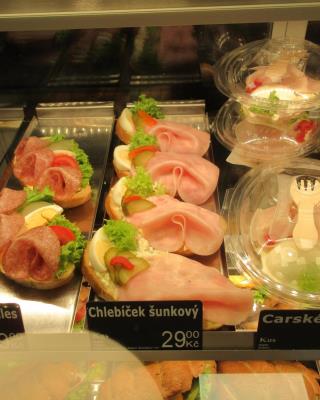
The food exceeded the limit for the content of pathogenic bacteria – coagulase-positive staphylococci. These bacteria cause staph infections.
| Expiration date: | 17/04/2024 |
| Packaging: | stainless steel tray in the display case |
| Quantity of the product in the package: | 80 g |
| Manufacturer: | Mimo Bohemia as, Rovná 1697, Hradec Králové (Ječmínek) |
| Country of origin: |  Czechia Czechia |
| Date of sample collection: | 17/04/2024 |
| Reference number: | 24-000223-SZPI-CZ |
Posted in food contamination, food handler, Food Hazard, Food Hygiene, Food Inspections, Food Micro Blog, Food Microbiology, Food Microbiology Testing, Food Pathogen, Food Poisoning, Food Quality, food recall, Food Safety, Food Safety Alert, Food Safety Management, Food Safety Regulations, Potravinynapranyri, Staphylococcal Toxin, Staphylococcus aureus

Product category
Food
Product subcategory
Milk and dairy products
Product brand name
DORSET CHEDDAR AOP 12M
Model names or references
PACKED ON 05/28/2024 DLC 06/12/2024
Product identification
Batch Date
PACKED ON 05/28/2024 DLC 06/12/2024 Use-by date 06/12/2024
Start/end date of marketing
From 05/28/2024 to 06/12/2024
Storage temperature
Product to keep in the refrigerator
Geographical sales area
Whole France
Distributors
E.LECLERC CORBARA ILE ROUSSE
Posted in food contamination, food handler, Food Hazard, Food Hygiene, Food Inspections, Food Micro Blog, Food Microbiology, Food Microbiology Blog, Food Microbiology Testing, Food Pathogen, Food Quality, food recall, Food Safety, Food Safety Alert, Food Safety Management, Food Safety Regulations, Food Testing, Listeria, Listeria France, Listeria in Cheese, Listeria monocytogenes

Product category
Food
Product subcategory
Milk and dairy products
Product brand name
GAEC LE LEVEJAC
Model names or references
Tomettes Le lévéjac, from 02/08/2024 to 02/28/2024
Product identification
Batch Date
S080224 to S280224 Minimum durability date 08/28/2024
Packaging
Cheeses in stretch film individually wrapped.
Start/end date of marketing
From 04/11/2024 to 05/30/2024
Storage temperature
Product to keep in the refrigerator
Health mark
48154011
Further information
Sheep’s Tomette with raw and whole milk
Geographical sales area
Departments: LOZERE (48)
Distributors
GAEC LE LEVEJAC SAS LE JARDIN PROVENCAL L’OUSTAL DES SAVEURS La SOUT DES CEVENNES LA CHARETTE GOURMANDE L’OUSTAL DES SAVEURS SAS EPP
Posted in food contamination, food handler, Food Hazard, Food Hygiene, Food Inspections, Food Micro Blog, Food Microbiology, Food Microbiology Blog, Food Microbiology Testing, Food Pathogen, Food Quality, food recall, Food Safety, Food Safety Alert, Food Safety Management, Food Safety Regulations, Food Testing, Listeria, Listeria France, Listeria in Cheese, Listeria monocytogenes
Dailyfresh Shellfish, Inc., live Pacific oysters, with lot # 240531JM harvested from Subarea 23-10 in BC, Canada on 5/30/2024. The oysters were distributed to restaurants and retailers in CA and may have been distributed to other states as well.
The FDA is advising restaurants and food retailers not to serve or sell and to dispose of, and consumers not to eat, oysters from Dailyfresh Shellfish, Inc., with lot # 240531JM harvested from Subarea 23-10 in British Columbia (BC), Canada on 5/30/2024 because they may be contaminated with the toxins that cause paralytic shellfish poisoning (PSP).
Molluscan shellfish contaminated with natural toxins from the water in which they lived can cause consumer illness. Most of these toxins are produced by naturally occurring marine algae (phytoplankton). Molluscan shellfish consume the algae which causes the toxins to accumulate in the shellfish’s flesh. Typically, contamination occurs following blooms of the toxic algal species; however, toxin contamination is possible even when algal concentrations are low in certain instances. One of the recognized natural toxin poisoning syndromes that can occur from consuming contaminated molluscan shellfish is paralytic shellfish poisoning (PSP).
PSP is caused by neurotoxins also referred to as saxitoxins or paralytic shellfish toxins (PSTs). Shellfish can retain the toxin for different lengths of time. Some species cleanse themselves of toxins rapidly, whereas others are much slower to remove the toxins. This lengthens the period of time they pose a human health risk from consumption.
Food containing PSTs may look, smell, and taste normal. These toxins cannot be removed by cooking or freezing. Consumers of these products who are experiencing symptoms of illness should contact their healthcare provider and report their symptoms to their local Health Department.
Most people with PSP will begin to develop symptoms within 30 minutes of consuming contaminated seafood. Effects of PSP intoxication can range from tingling of the lips, mouth, and tongue to respiratory paralysis and may include these other symptoms: numbness of arms and legs, “pins and needles” sensation, weakness, loss of muscle coordination, floating feeling, nausea, shortness of breath, dizziness, vomiting, and headache. Medical treatment consists of providing respiratory support and fluid therapy. For patients surviving 24 hours, with or without respiratory support, the prognosis is considered good, with no lasting side effects. In fatal cases, death is typically due to asphyxiation.
Due to the range in severity of illness, people should consult their healthcare provider if they suspect that they have developed symptoms that resemble paralytic shellfish poisoning.
On 6/10/2024 the Canadian Food Inspection Agency (CFIA) advised the FDA that recent monitoring detected elevated levels of paralytic shellfish toxins in shellfish harvested from Subarea 23-10 in British Columbia, Canada. CFIA advised the FDA that live oysters from Dailyfresh Shellfish, Inc., with Lot # 240531JM were harvested from Subarea 23-10 in BC, Canada on 05/30/2024 and had been shipped to distributors in California. The product may have been distributed to other states as well.
The FDA is issuing this alert advising restaurants and food retailers not to serve or sell and advising consumers not to eat Dailyfresh Shellfish, Inc. oysters with Lot #240531JM harvested from Subarea 23-10 in BC, Canada on 5/30/2024 due to possible contamination with paralytic shellfish toxins.
The FDA is awaiting further information on distribution of the shellfish harvested and will continue to monitor the investigation and provide assistance to state authorities as needed. As new information becomes available, the FDA will update the safety alert.
Restaurants and retailers should not serve or sell the potentially contaminated shellfish. Restaurants and retailers should dispose of any products by throwing them in the garbage or contacting their distributor for return and destruction.
Restaurants and retailers should also be aware that shellfish may be a source of pathogens and should control the potential for cross-contamination of food processing equipment and the food processing environment. They should follow the steps below:
Consumers should not eat the potentially contaminated shellfish. Consumers who have symptoms of paralytic shellfish poisoning should contact their health care provider to report their symptoms and receive care.
To report a complaint or adverse event (illness or serious allergic reaction), you can:
Visit www.fda.gov/fcic for additional consumer and industry assistance.
Posted in FDA, food contamination, food handler, Food Hazard, Food Hygiene, Food Inspections, Food Micro Blog, Food Microbiology, Food Microbiology Blog, Food Microbiology Testing, Food Poisoning, Food Quality, food recall, Food Safety, Food Safety Alert, Food Safety Management, Food Safety Regulations, Food Testing, Food Toxin, Marine Biotoxin, paralytic shellfish poisoning, PSP, Shellfish, shellfish toxin


