Category Archives: Food Safety Management

Quebec – Notice not to consume mixed mangoes, packaged in glass jars and sold by the company TNT Palace – Food Safety

Quebec

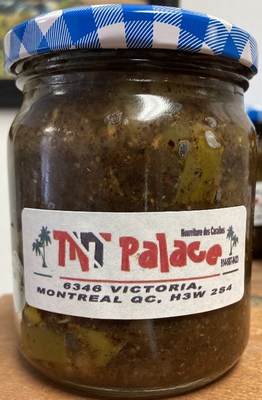
Mango mix (CNW Group/Ministry of Agriculture, Fisheries and Food)

The Ministry of Agriculture, Fisheries and Food (MAPAQ), in collaboration with the Food Inspection Division of the City of Montreal and the company TNT Palace, located at 6346 Victoria Avenue , Montreal, is warning the public not to consume the product listed in the table below because it has not been packaged in a way to ensure its safety.

Product name     

Format  

Affected batch

 Mix of mangoes      

Unity  

Units sold until
June 9, 2022

The product that is the subject of this warning was offered for sale until June 9, 2022 at the establishment named above. The product was packaged in glass jars with blue and white lids and sold at room temperature. The product label bears the words ‘TNT Palace’ and ‘Caribbean Food’.

The operator is voluntarily recalling the product in question. It has agreed with MAPAQ and the Food Inspection Division of the City of Montreal to distribute this warning as a precautionary measure. In addition, people who have this product in their possession are advised not to consume it. They must return it to the establishment where they bought it or throw it away. Even if the affected product shows no signs of tampering or suspicious odors, its consumption may represent a health risk. It should be noted that no case of illness associated with the consumption of this food has been reported to MAPAQ to date.
Research – Cronobacter Infection and Infants

CDC

Getting sick from Cronobacter does not happen often, but infections in infants can be deadly. Cronobacter infections in infants less than 12 months old are often linked to powdered infant formula. If your baby is fed with powdered infant formula, you can take steps to protect your baby from sickness.

Cronobacter sakazakii is a germ found naturally in the environment.

These germs can live in dry foods, such as:

  • Powdered infant formula
  • Powdered milk
  • Herbal teas
  • Starches

Rare but Serious Illness in Infants

Cronobacter infections are rare, but they can be deadly in newborns. Infections in infants usually occur in the first days or weeks of life. About two to four cases are reported to CDC every year, but this figure may not reflect the true number of illnesses. That’s because most hospitals and laboratories are not required to report Cronobacter infections to health departments.

Cronobacter germs can cause a dangerous blood infection (sepsis). They can also make the linings surrounding the brain and spinal cord swell (meningitis).

Infants who are more likely to get sick include:

  • Infants 2 months and younger. These infants are most likely to develop meningitis if they get sick from Cronobacter.
  • Infants born prematurely.
  • Infants with weakened immune systems. Babies with this condition can’t fight germs as well because of illness or medical treatment, such as chemotherapy for cancer.

Cronobacter illness in infants will usually start with a fever and poor feeding, excessive crying, or very low energy.  Some infants may also have seizures. You should take an infant with these symptoms to a medical provider as soon as possible.

Cronobacter infection can also be serious for:

  • People 65 years and older.
  • People who have immune systems weakened due to illnesses or conditions, such as HIV, organ transplants, or cancer.
Powdered formula is not sterile and might have germs in it.

Powdered infant formula can be contaminated in homes or in processing facilities that make it.

In the home:

You can accidentally get Cronobacter in powdered formula after you open the container. Cronobacter can live on surfaces in your home, such as a kitchen counter or sinks, and in water. Cronobacter could get into powdered formula if you place formula lids or scoops on contaminated surfaces and later touch the formula. It can also get into formula if you mix the formula with contaminated water or in a contaminated bottle.

In a processing facility:

Cronobacter can also get into powdered infant formula in a processing facility in these ways:

  • If the manufacturer uses contaminated ingredients to make the formula.
  • If the formula powder touches a contaminated surface.

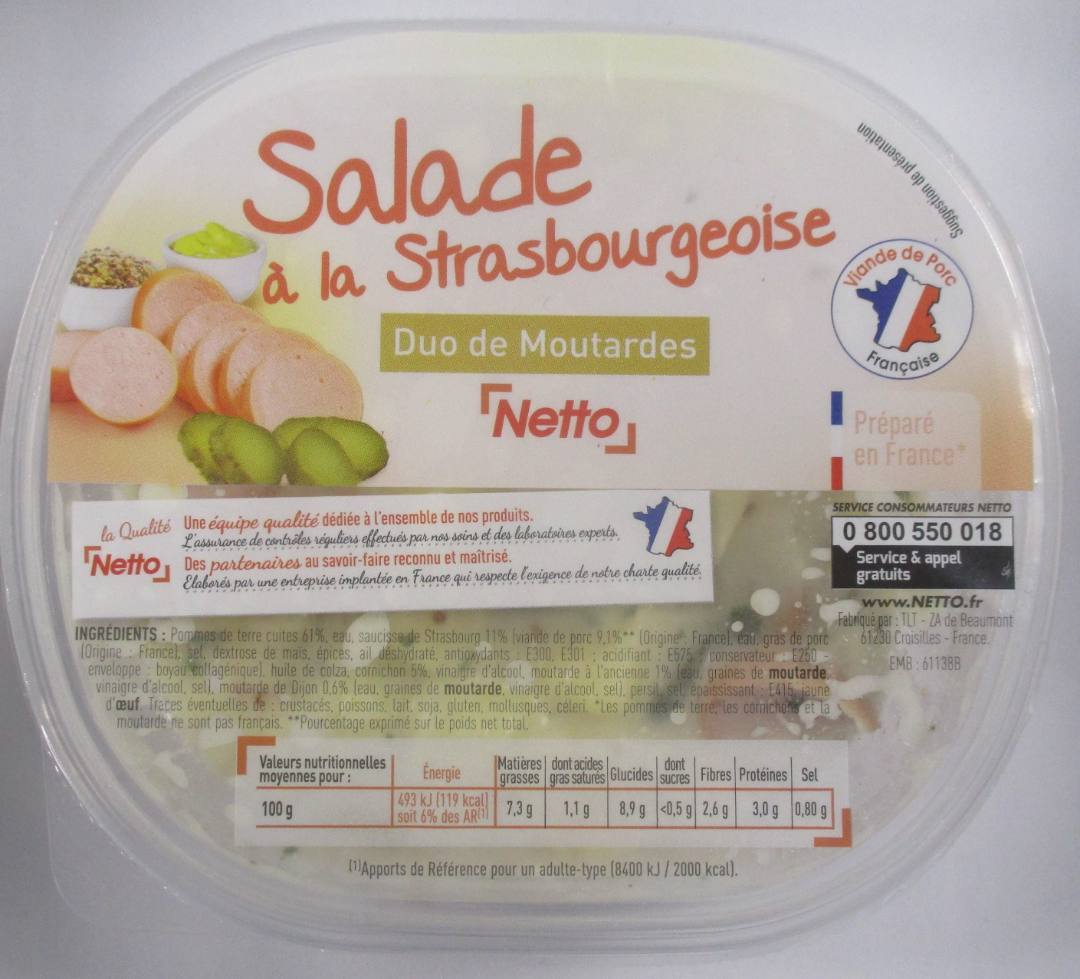
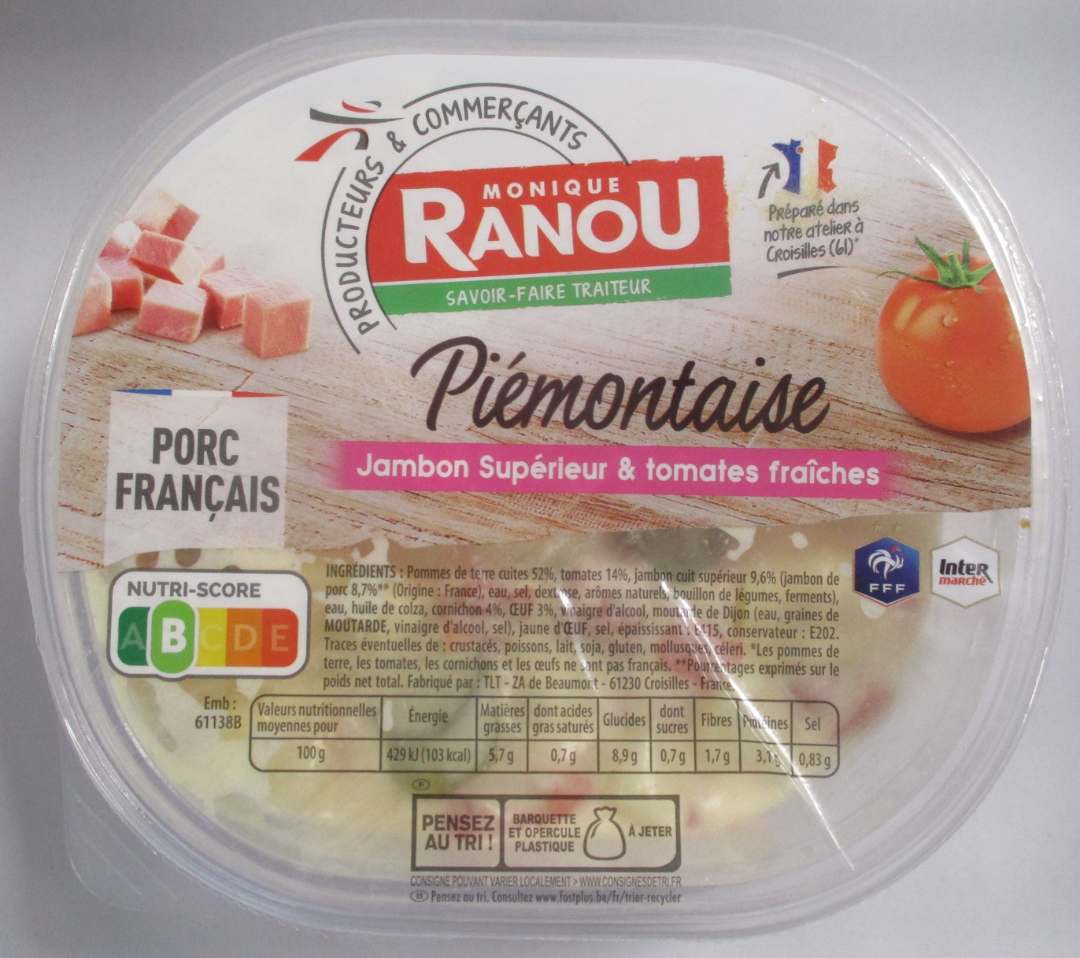
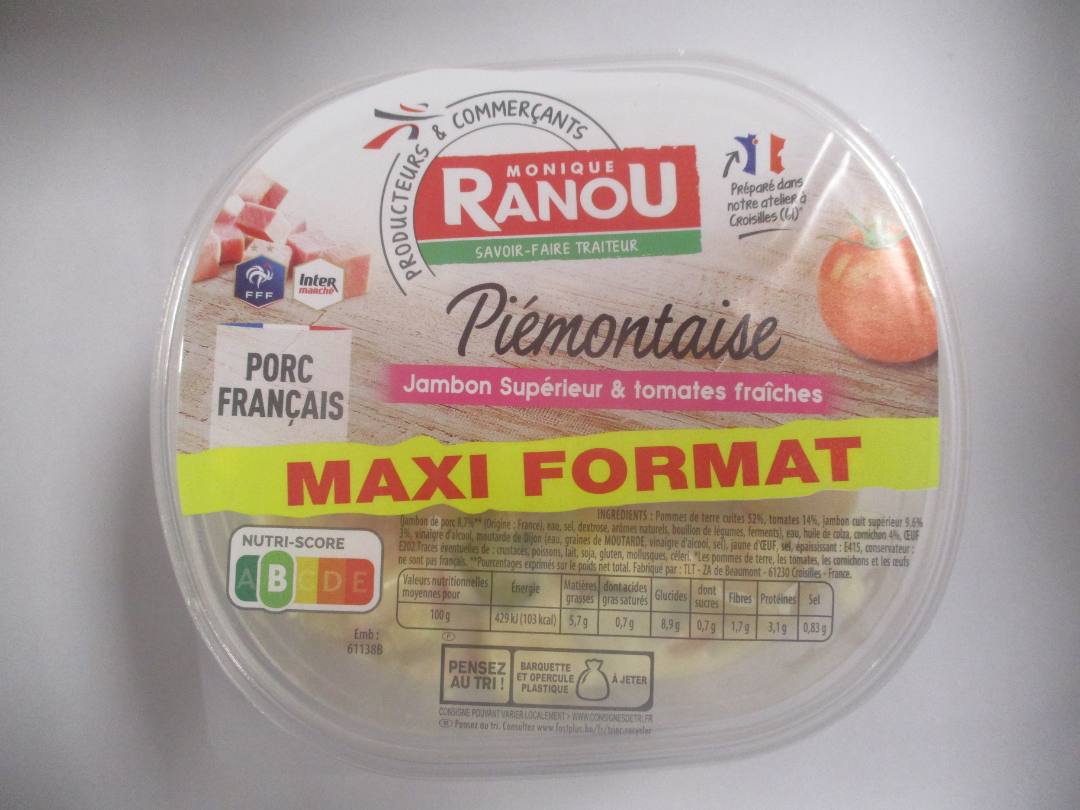
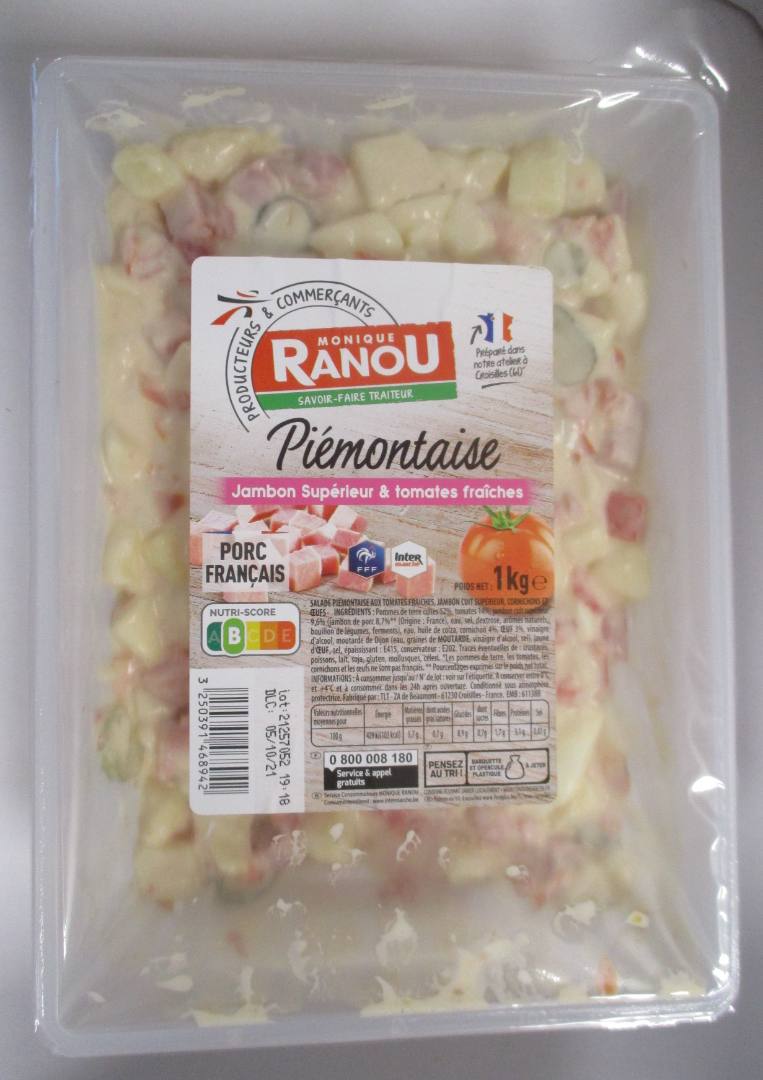
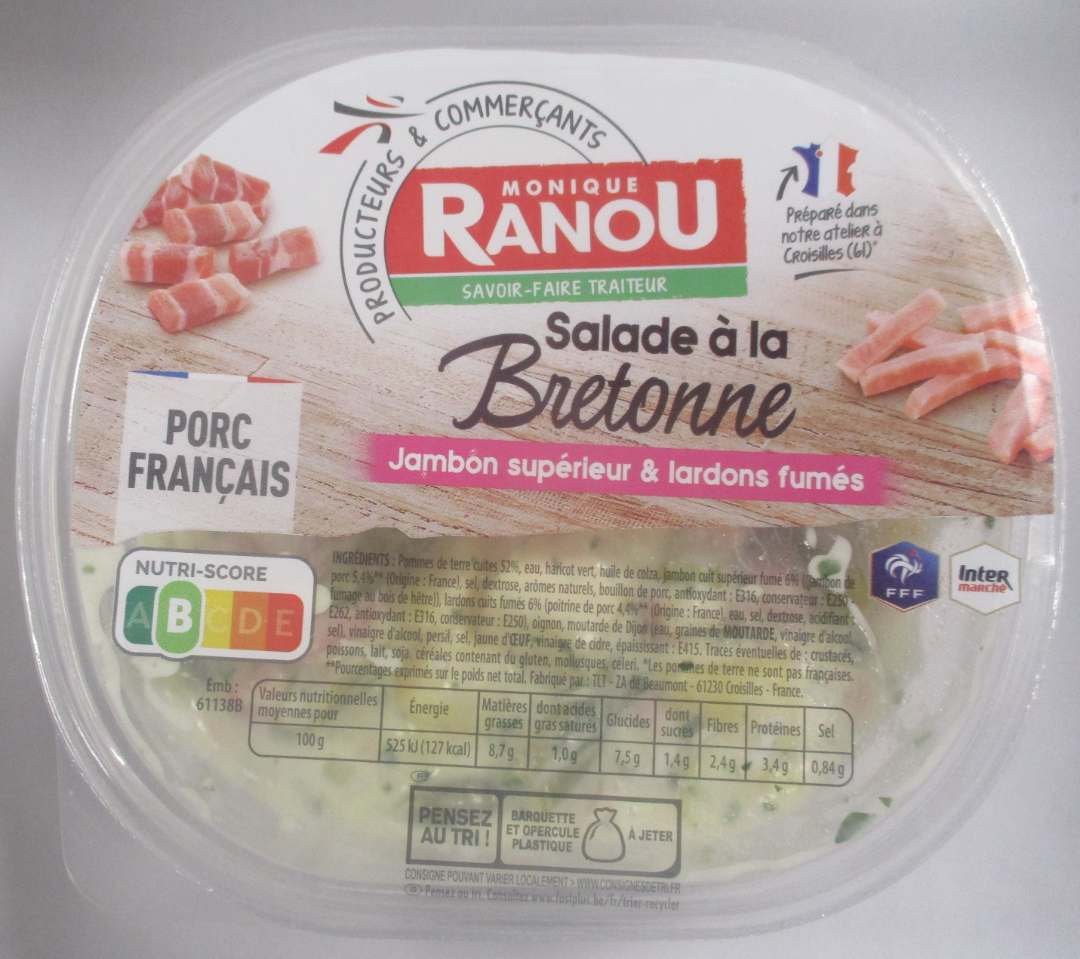
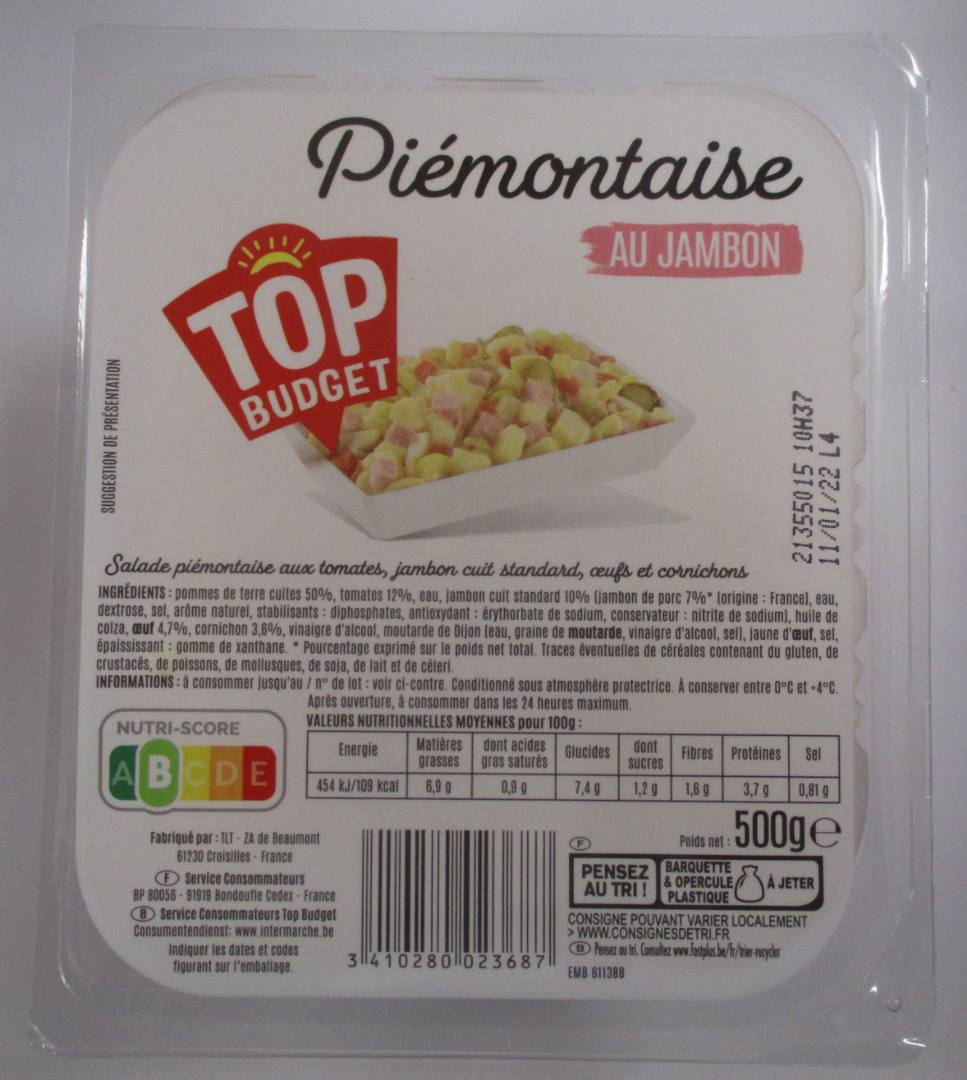
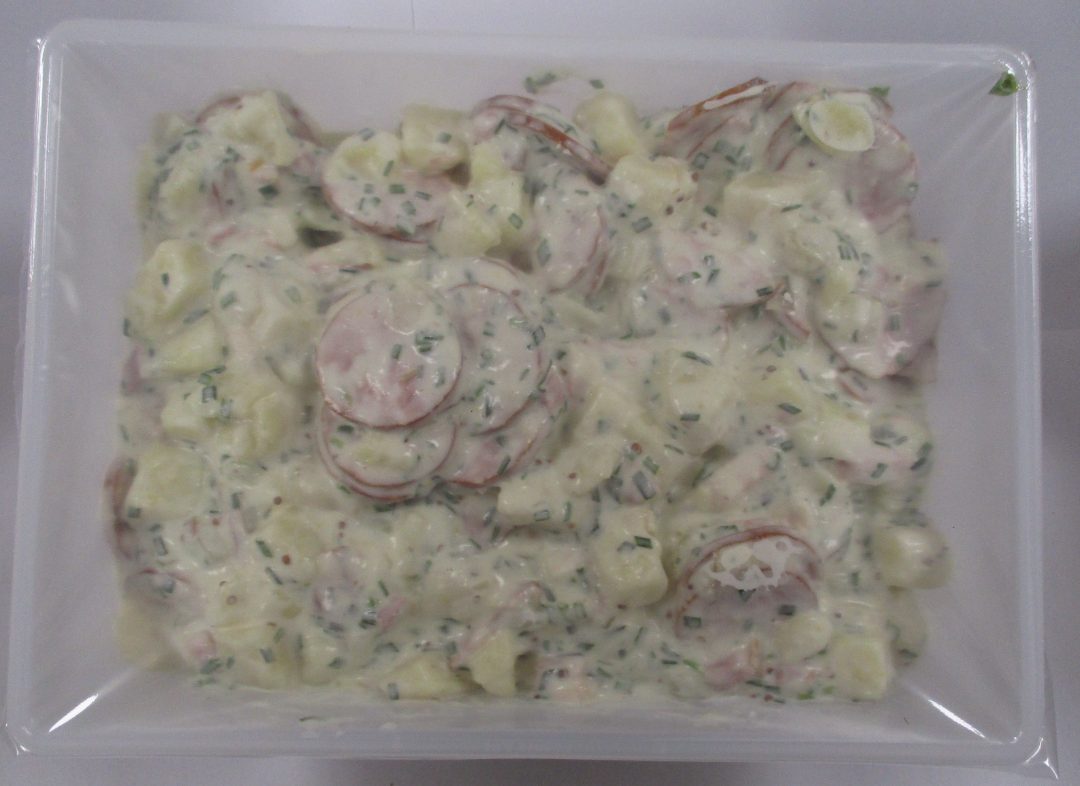
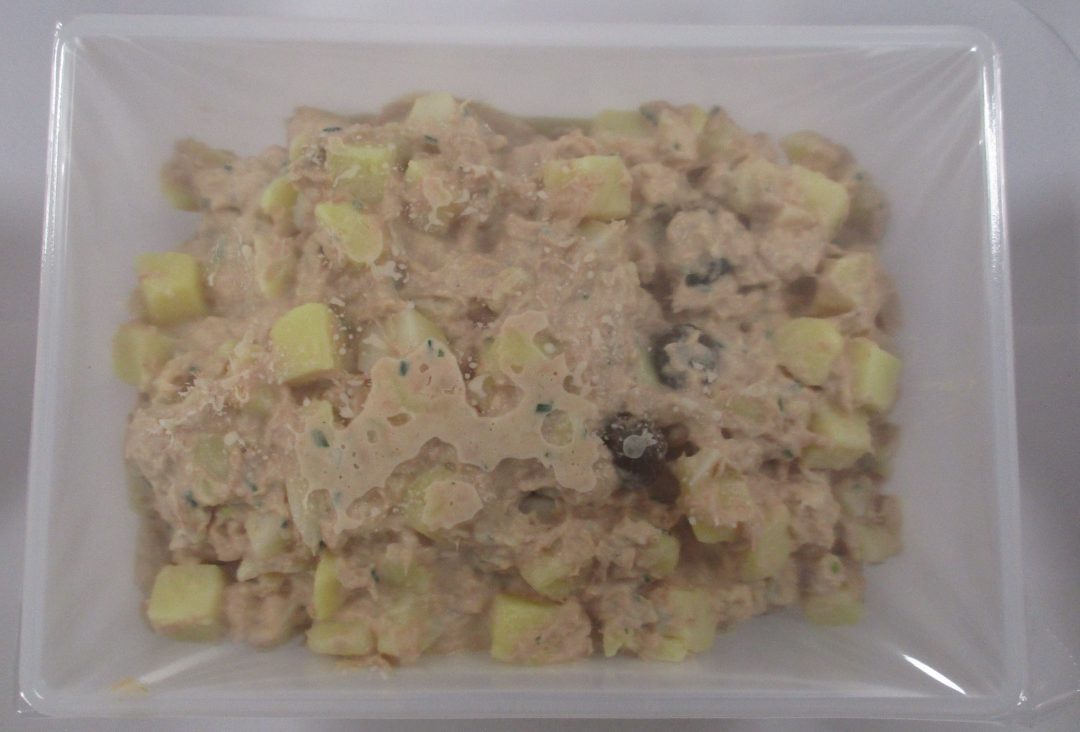
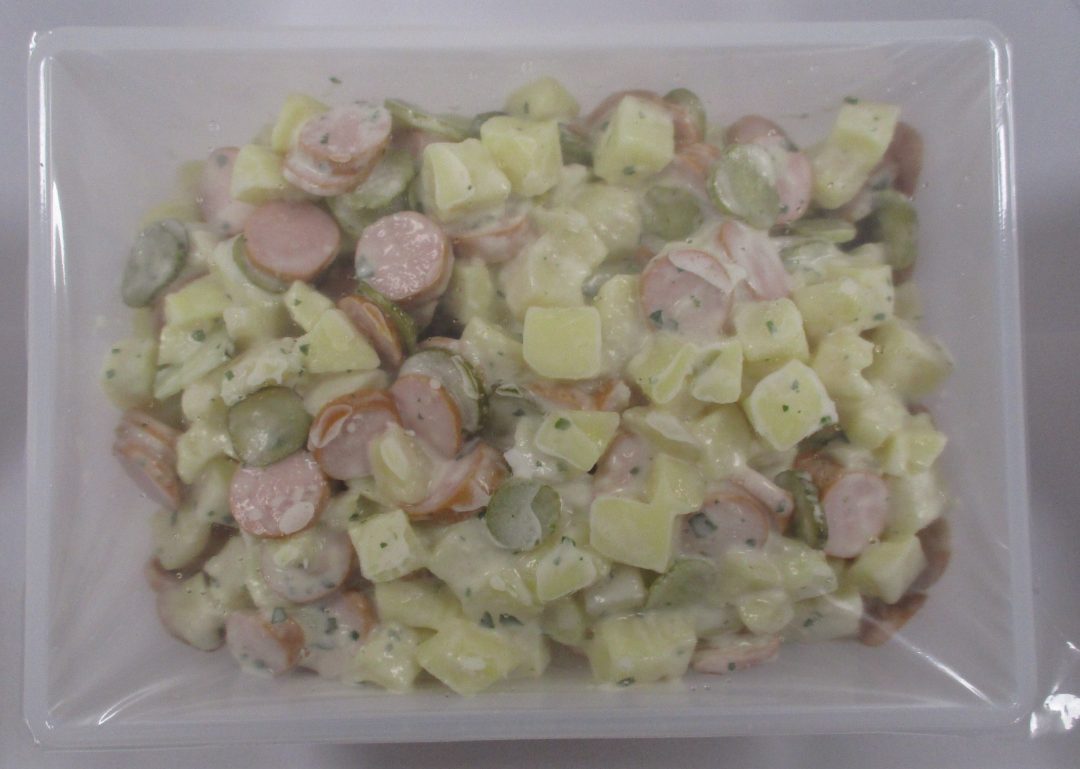
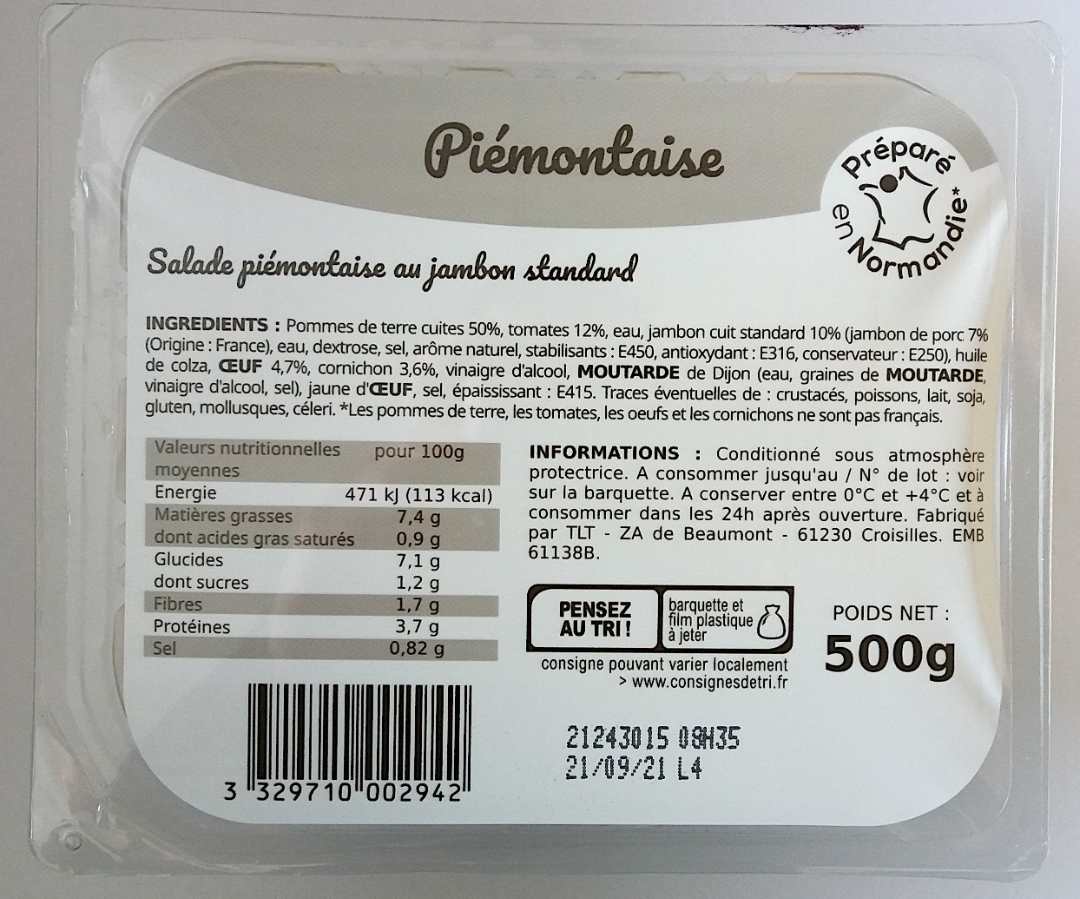
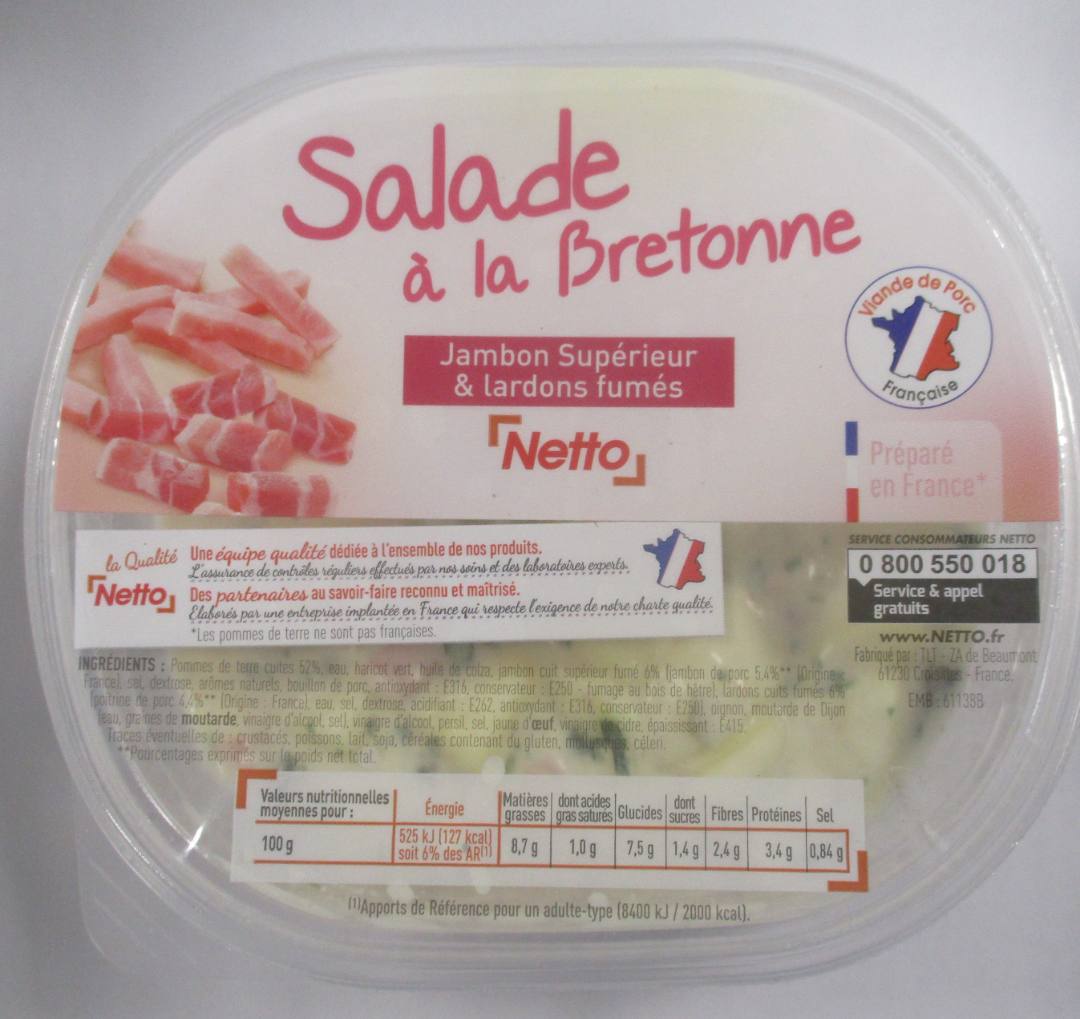
France – PIEMONTESE -BRETON SALAD – STRASBOURGEOISE SALAD – PIEMONTESE WITH HAM – MONTBELIARDE SALAD/PECHEUR SALAD/STRASBOURGEOISE SALAD sold by the cut in the delicatessen section – Organoleptic defect probably due to microbial growth

Gov france

Gov france

Gov france

Gov france

Gov france

Gov france

Gov france

Gov france

Gov france

Gov france

Gov france

France – INDIVIDUAL STRAWBERRY-RASPBERRY-FRUIT TARTLET -Salmonella

Gov france

Identification information of the recalled product

  • Product category Feed
  • Product subcategory Cereals and baked goods
  • Product brand name PRODUCED IN OUR PASTRY DEPARTMENT
  • Model names or references INDIVIDUAL STRAWBERRY-RASPBERRY-FRUIT TARTLET
  • Identification of products
    Batch
    All products marketed between 05/21/2022 and 06/08/2022
  • Marketing start/end date From 21/05/2022 to 08/06/2022
  • Storage temperature Product to be stored in the refrigerator
  • Geographic area of ​​sale E. LECLERC Center in Belfort
  • Distributors E. LECLERC Center in Belfort

Practical information regarding the recall

  • Reason for recall The HAFNER company is withdrawing the sale of finger tartlets following the detection of the presence of Salmonella. These tart shells are used for the preparation of our tartlets sold in the traditional pastry department
  • Risks incurred by the consumer Salmonella spp (causative agent of salmonellosis)

RASFF Alerts – Listeria monocytogenes – Vegetarian Cheese

RASFF

Listeria monocytogenes in vegetal cheese-like speciality from France in Belgium

RASFF Alerts – Aflatoxin – Pistachios – Shelled Peanuts

RASFF

High content of aflatoxins in shelled pistachios from Iran in Italy

RASFF

Aflatoxins in shelled peanut from Egypt in Italy

RASFF Alerts – Mold/Moulds –

RASFF

Flour tortillas infested with moulds from the Netherlands in Ireland

Research – France and UK most affected in Ferrero Salmonella outbreak; one case in U.S.

Food Safety News

France and the United Kingdom have the most patients in the Ferrero chocolate Salmonella outbreak that has sickened almost 450 people.

The UK has 122 monophasic Salmonella Typhimurium patients.

Santé publique France reported that as of June 2, there were 118 sick people in the country. This is up from the 81 cases reported on May 4.

French patients have a median age of 4 years old and includes 57 girls and 61 boys. Onset of symptoms occurred between Jan. 20 and April 4, 2022.

Twenty-two people were hospitalized because of salmonellosis but they have since been discharged and no deaths were reported.

Fifty-one cases have been interviewed by Santé publique France and all of them, except one, reported consumption of Kinder chocolates.

Nicolas Neykov, the head of Ferrero France, told the newspaper Le Parisien in May that more than 3,000 tons of Kinder products have been withdrawn and the incident will cost the company “tens of millions of Euros.”

Research – Salmonella Newport Outbreaks Associated with Ground Beef Outbreak Investigation After-Action Report, 2016-2019

FSIS USDA

Outbreaks at a Glance
Illnesses 542 States included 36 Hospitalizations 163 Deaths 1
Response at a Glance
Ill people with 40 documentation to identify foods
Recall or Public Health Alert Yes Process improvement – Yes
•This Salmonella Newport strain associated with ground beef has been characterized as a reoccurring strain because it has caused repeated outbreaks of human illnesses with similar epidemiologic characteristics. Every month, FSIS monitors selected Salmonella serotypes, including Newport, for directional changes and trends, and compares them to a 3-year historical average for that particular serotype.

Highlights

•A strain of Salmonella Newport caused reoccurring human infections and two outbreaks associated with ground beef.

•There were over 100 illnesses for each outbreak (106 in outbreak 1 and 436 in outbreak 2), which is unusual for ground beef outbreaks.

•The investigations prompted a government-industry collaboration on innovative methods of obtaining shopper history. Shopper history best practices and success stories are highlighted in an article on the Association of Food and Drug Officials webpage.

What Happened?

From 2016 to 2019, in collaboration with public health partners, the Food Safety and Inspection Service (FSIS) investigated two Salmonella Newport outbreaks:

•The majority of reported ill people lived in the Southwestern area of the United States.

•The analyzed isolates did not show any predicted antimicrobial resistance.

•At least 80% of the ill people had eaten ground beef in the week before illness. At least one ground beef sample tested positive for Salmonella Newport and was closely related by whole genome sequencing (WGS) to clinical isolates.

•Ill people reported eating or possibly eating undercooked ground beef.

USA – Urban Remedy Recalls Urban Remedy Organic Revitalizing Tea Tonic – Strawberry Hibiscus Rose Due to Possible Hepatitis A Contamination

FDA

Company Announcement

Urban Remedy is voluntarily recalling Urban Remedy Organic Revitalizing Tea Tonic Strawberry Hibiscus Rose (LOT 1232 BEST BY 7/17/2022) because it has the potential to be contaminated with Hepatitis A. Urban Remedy contracts Youngstown Grape Distributors Inc. to co-manufacture this product. The product may contain fresh organic strawberries linked to the FDA outbreak investigation of FreshKampo organic strawberries. https://www.fda.gov/food/outbreaks-foodborne-illness/outbreak-investigation-hepatitis-virus-strawberries-may-2022.

Hepatitis A is a contagious virus that can cause liver disease. A Hepatitis A virus (HAV) infection can range in severity from a mild illness lasting a few weeks to a severe illness lasting several months. In rare cases, particularly consumers who have a pre-existing severe illness or are immune compromised, Hepatitis A infections can progress to liver failure. Illness usually occurs within 15 to 50 days after eating or drinking contaminated food or water. Symptoms of Hepatitis A infection include fever, headache, fatigue, loss of appetite, nausea, vomiting, diarrhea, abdominal pain, jaundice, dark urine or pale stool. In some instances, particularly in children under the age of six, Hepatitis A infection may be asymptomatic.

Persons who may have purchased the affected product do not consume, if consumed consult your health care provider or local health department to determine if a vaccination is appropriate and consumers with symptoms of Hepatitis A should contact their health providers or the local health department immediately.

No illnesses have been reported consuming Urban Remedy product to date.

UPC Description Lot Number Product Size
813377025831 Urban Remedy Organic Revitalizing Tea Tonic Strawberry Hibiscus Rose 1232 Best By 7/17/2022 12oz

The product was sold in a 12oz resealable plastic bottle at various retail stores in CA, NM, VA, CO, WA, OR, CO, NY, PA, AZ, IL, OH, MD, WI, TX, WY, MO, ME, KY, MI, NC, MA, NE, and UT states between 5/17/2022 – 5/29/2022.

“At Urban Remedy, food safety is our company’s top priority,” said Paul Coletta, CEO. The company is committed to keeping their consumers informed and is asking those who purchased product with the affected lot number to dispose of the item or return it to place of purchase for full credit.

Consumers with additional questions can call (855) 875-8423 from 9:00 am to 6:00 pm PDT or email Connect@UrbanRemedy.com


Company Contact Information

Consumers:
 (855) 875-8423
 Connect@UrbanRemedy.com

Product Photos