Presence of Histamine above the maximum permitted limit in tuna from Senegal in Spain
MRL exceeding for Histamine in anchovy fillets in olive oil from Italy in Romania

Presence of Histamine above the maximum permitted limit in tuna from Senegal in Spain
MRL exceeding for Histamine in anchovy fillets in olive oil from Italy in Romania
Posted in food contamination, food handler, Food Hazard, Food Hygiene, Food Inspections, Food Micro Blog, Food Microbiology, Food Microbiology Blog, Food Microbiology Testing, Food Poisoning, Food Quality, food recall, Food Safety, Food Safety Alert, Food Safety Management, Food Safety Regulations, Food Testing, Food Toxin, Histamine, RASFF
Toxins may have been the cause of several infants aged 5–6 months becoming ill after eating products from Den Sorte Havre between November and January. The products were withdrawn from the market in January.
At the beginning of January, the Norwegian Food Safety Authority was notified that several infants aged 5–6 months had become ill after eating products from Den Sorte Havre. The investigations of the products show the discovery of toxins produced by the bacterium Bacillus cereus.
The Norwegian Food Safety Authority has collaborated with the Norwegian Veterinary Institute (VI), the Norwegian University of Environmental and Biosciences (NMBU) and the Norwegian Institute of Public Health (FHI), and carried out extensive mapping and analysis work to find a possible reason why the children fell ill.
FHI has interviewed twelve of the guardians who have notified the Norwegian Food Safety Authority about this.
– The observed course of the disease in the children is typical of food poisoning caused by a toxin produced by the bacterium Bacillus cereus, says senior researcher Umaer Naseer at FHI.
Usually this type of food poisoning causes vomiting and vomiting shortly after ingestion (0.5-6 hours), and lasts for a day or less.
The Norwegian Food Safety Authority has a close dialogue with the business in the work to investigate where in the production process bacterial toxins may have been formed and will have further follow-up of the business.
The children live in eight different counties. The children had eaten three of the five products aimed at children from Den Sorte Havre; Starter porridge, Adaptation to solid food and Oatmeal with banana, from the end of November 2023 until the beginning of January 2024. All but one of the children were aged 5-6 months, and all had repeated bouts of vomiting 1-2 hours after ingestion. One of the children was a few months older than the others, and did not vomit but had diarrhea after eating the product. Few of the children developed a fever, but several parents reported a shorter period when it was difficult to get in touch with the child.
Ten of the children have had contact with the health service due to the symptoms, but none of them have been admitted to hospital. The children with vomiting became symptom-free after a few hours or up to a day, and the child with diarrhea was ill for a week. All the children are now healthy.
VI and NMBU have carried out laboratory analyzes of samples taken from products at the homes of the affected families. Some of the samples show traces of a toxin produced by the bacterium Bacillus cereus . In some of the samples, the concentration was high enough to cause illness in young children.
Bacillus cereus is usually transmitted through the consumption of contaminated food containing bacteria (diarrhea type) or toxins (vomiting type). Traditionally, starchy foods, such as rice and pasta, have been associated with the type of vomiting.
To prevent infection from bacillus cereus bacteria (diarrhea type), hot food should be kept piping hot (higher than 60°C) until serving. If the food is to be cooled, this should be done quickly and in small volumes. Leftovers should be heated sufficiently before serving.
Toxins produced by bacillus cereus bacteria (vomiting type) can withstand heat and boiling. Heating food containing such bacteria will therefore not prevent infection.
As demand for food away from home increases, outbreaks at restaurants become an important source of food-related illness. In the United States, over 60% of foodborne illness outbreaks occur at restaurants and 97% of outbreaks are limited to a single state. Despite this, we currently know little about restaurant outbreaks and in particular, single-state outbreaks are not well understood. We use Chipotle Mexican Grill’s eight outbreaks (2015–2018) to evaluate the media and stock market responses to both single and multistate outbreaks. Using news and stock market data, we provide evidence that multistate outbreaks brought swift stock price declines and single-state outbreaks’ impact depended on their timing, rather than their severity. Before Chipotle’s more well-known, multistate outbreaks, the firm’s single-state outbreaks brought little reporting and no financial losses, whereas after the multistate food safety events, single-state events resulted in national media coverage and large financial impacts. Our findings are consistent with the literature on food scares that can result in chronic low-level anxiety, which can bring about a large resurgence of concern for smaller outbreaks. The lessons learned from Chipotle’s case underscore the importance of investment in outbreak prevention. [G14 (Information and Market Efficiency, Event Studies, Insider Trading)].
Koraput: Around 50 hostel borders of Kasturba Gandhi Girls Hostel in Lamtaput area of Odisha’s Koraput district became sick after having dinner on Sunday night.
According to sources, these girl students developed symptoms of diarrhoea, vomiting, nausea and stomachache after having their dinner at the hostel at around 9 pm.
After receiving information, a team of five doctors from the Lamtaput Community Health Center (CHC) rushed to the hostel to treat the ailing students. Later on, the students suffering from food poisoning were admitted to the Lamtaput CHC.
It is alleged that poor quality of food led to their food poisoning.
Posted in Food Illness, Food Poisoning, Foodborne Illness, Illness, Poisoning
As many as 109 students of a private ashram school, including 63 girls, were rushed to a government hospital in Thane district after showing symptoms of food poisoning on Wednesday, an official said.
Posted in Food Illness, Food Poisoning, Foodborne Illness, Illness, Poisoning
Aflatoxin in dried figs from Türkiye in Norway and Bulgaria
Lot of shelled pistachios with aflatoxin b1 and total values higher than the legal limit. REG. EU no. 915/2023 from Iran in Italy
Aflatoxins in pistachios from the Islamic Republic of Iran in Germany
Aflatoxin B1 and total aflatoxins in dried figs from Turkey in France
Aflatoxin B1 and total aflatoxins in dried figs from Turkey in France
Aflatoxin B1 and total aflatoxins in dried figs from Turkey in France
Total aflatoxins in dried figs from Turkey in France
Aflatoxin b1 and sum of aflatoxins in in-shell peanuts from Egypt in Italy
Aflatoxin B1 and total aflatoxins in dried figs from Turkey in France
Aflatoxins in groundnut kernels from Paraguay in Romania
Total aflatoxins in dried figs from Turkey in France
Posted in Aflatoxin, Aflatoxin B1, Aspergillus Toxin, food contamination, food handler, Food Hazard, Food Hygiene, Food Inspections, Food Micro Blog, Food Microbiology, Food Microbiology Blog, Food Microbiology Testing, Food Poisoning, Food Quality, food recall, Food Safety, Food Safety Alert, Food Safety Management, Food Safety Regulations, Food Testing, Food Toxin, Mold Toxin, Mould Toxin, Mycotoxin, RASFF
RAWALPINDI – As many as 20 female students of a local seminary in Dhoke Mustaqeem were rushed to hospital after they fell sick by eating poisonous edibles in afternoon, informed sources on Saturday. The sick seminary students were shifted to District Headquarters Hospital for medical treatment.
According to sources, as many as 20 female students fell ill after eating Samosa and Pakora from nearby shop and they had been shifted to the hospital where their condition was stable.
Posted in Food Poisoning, Poisoning
As many as 58 children fell sick due to suspected food poisoning after having meal following the Republic Day function at a government school in Madhya Pradesh’s Rewa district, an official said on Friday.
Posted in Food Poisoning, Poisoning
Recall of Tam Y
Product: “Nem Chua” & “Nem Chua La Tam Ruot” from the brand ORIENTAL KITCHEN
Nature of the problem: presence of Listeria and Staphylococci
In agreement with the AFSCA, Tam Y is withdrawing the “Nem Chua” & “Nem Chua La Tam Ruot” products of the ORIENTAL KITCHEN brand from sale and recalling them from consumers due to the presence of Listeria and Staphylococci.
Tam Y asks its customers not to consume these products and to return them to the point of sale where they were purchased, where they will be refunded.
Product description:
– Product name: Nem Chua
– Brand: ORIENTAL KITCHEN
– Best before date (Best before): 01/28/2024
– Batch number: 01/28/2024
– Sales period: from 01/08/2024 to 01/26/2024
– Nature of packaging: net of 10 units.
– Weight: 300g

The product was distributed by Tam Y (Chaussée du Roi Albert 86, 4431 Loncin).
For any further information , contact:
Mr. Tran Huu Duc
Telephone number and email address: 0499611766 and tamy4447@gmail.com .
Posted in food contamination, food handler, Food Hazard, Food Hygiene, Food Inspections, Food Micro Blog, Food Microbiology, Food Microbiology Blog, Food Microbiology Testing, Food Pathogen, Food Poisoning, Food Quality, food recall, Food Safety, Food Safety Alert, Food Safety Management, Food Safety Regulations, Food Testing, Food Toxin, Listeria, Listeria monocytogenes, Staphylococcal Toxin, Staphylococcus aureus
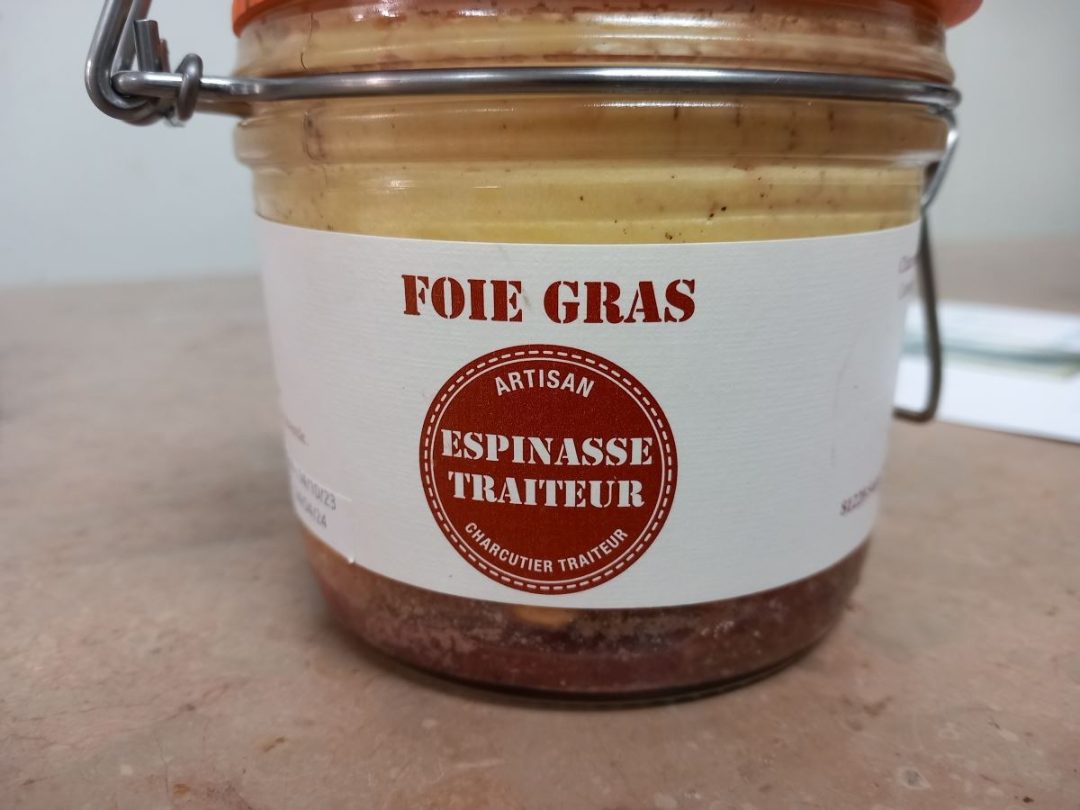
Foie gras “Espinasse caterer”
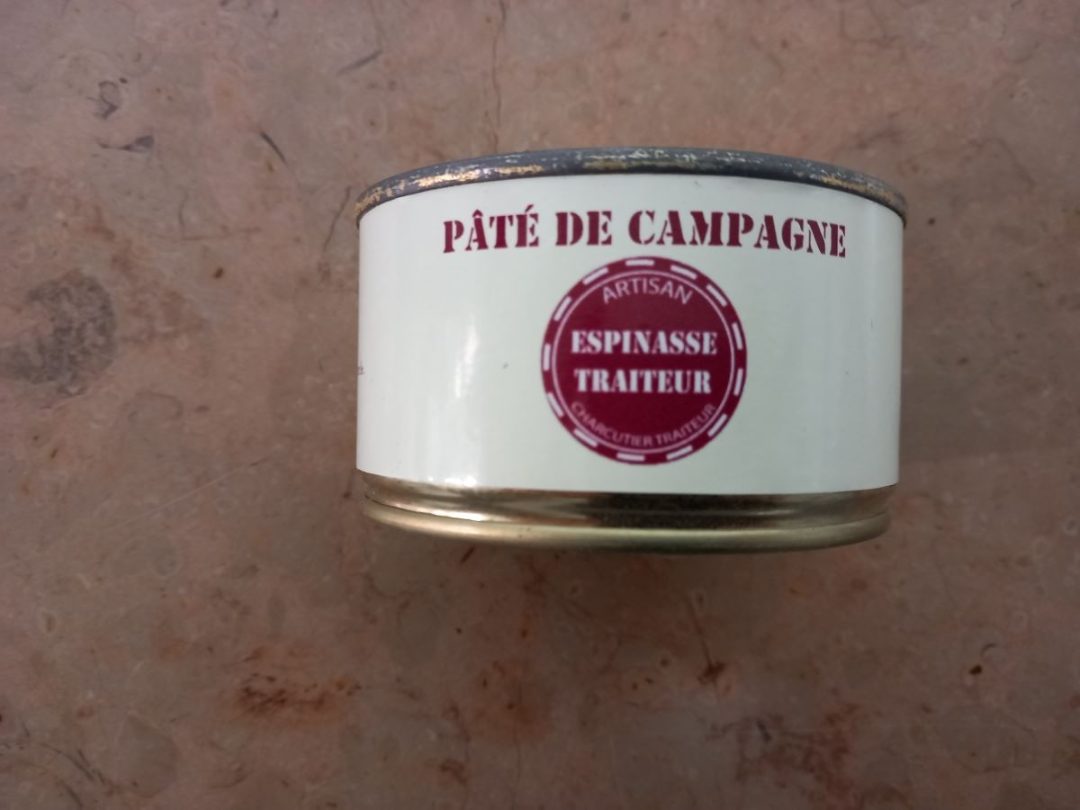
Country pâté “Espinasse caterer”
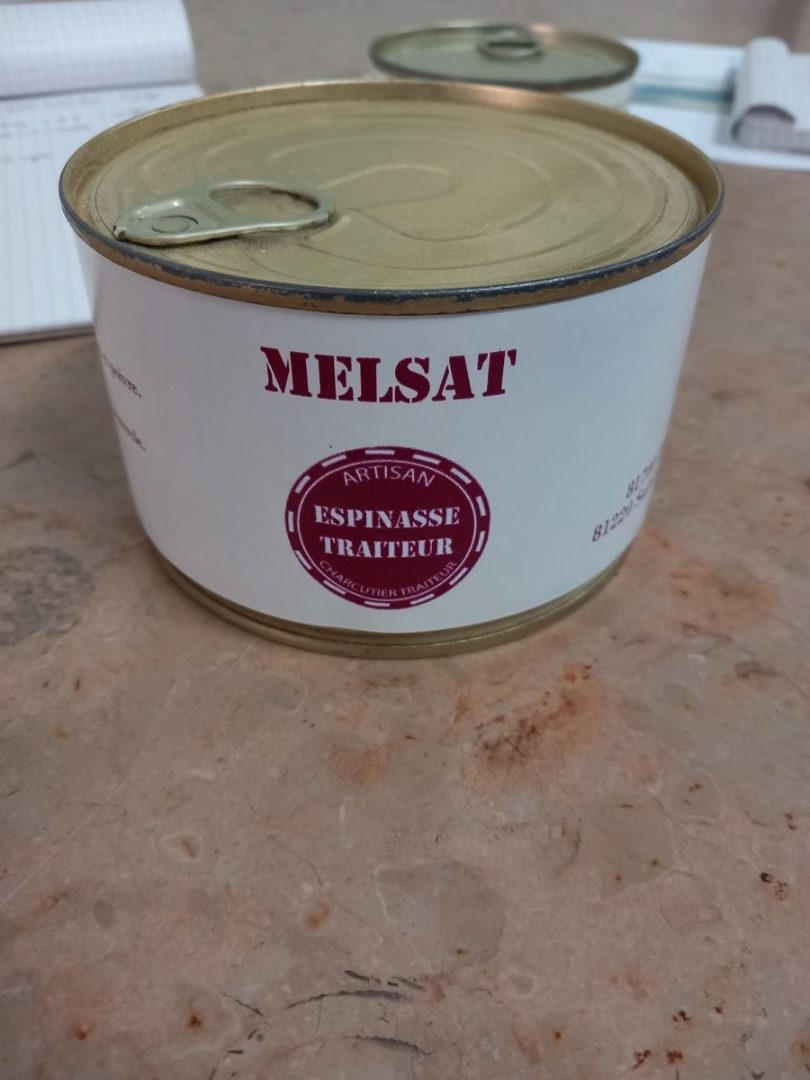
Melsat “Espinasse caterer”
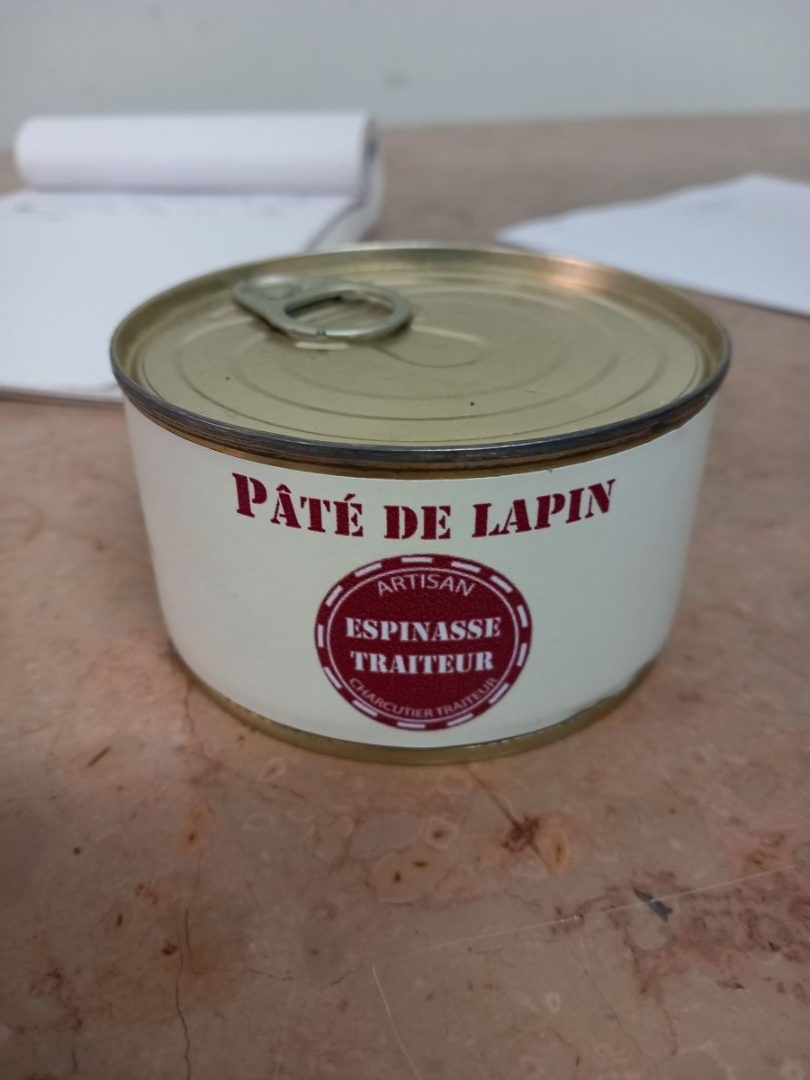
Rabbit pâté “Espinasse caterer”
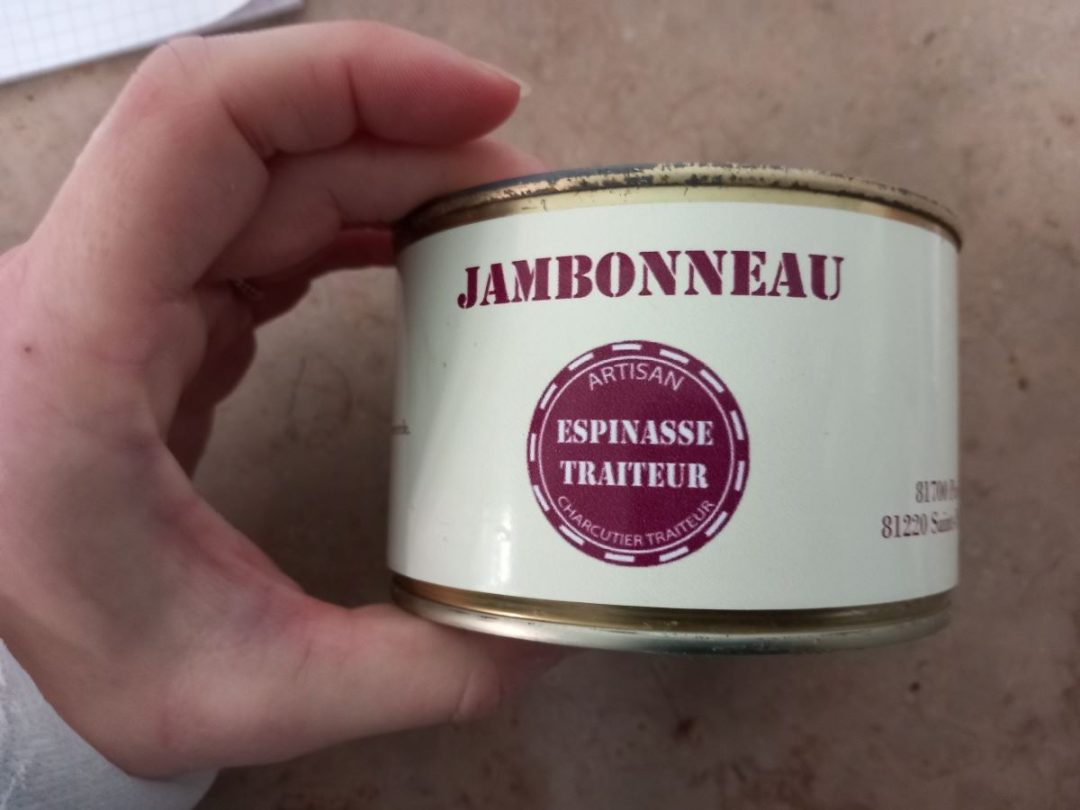
Jambonneau “Espinasse traiteur”
Posted in Clostridium, Clostridium perfringens, food contamination, food handler, Food Hazard, Food Hygiene, Food Inspections, Food Micro Blog, Food Microbiology, Food Microbiology Blog, Food Microbiology Testing, Food Pathogen, Food Poisoning, Food Quality, food recall, Food Safety, Food Safety Alert, Food Safety Management, Food Safety Regulations, Food Testing, Food Toxin

 FoodWorld