Listeria bacteria are widespread in the environment and they are worldwide commonly found in soil and water, as well as in animal digestive tracts. There are more than 15 species of bacteria in this genus, but human cases of Listeriainfection are almost always caused by Listeriamonocytogenes (L.monocytogenes) while Listeriaivanovii is pathogenic in animals but rarely in humans. The other species are not considered to be pathogenic in humans or animals.
L.monocytogenes are able to form communities of bacteria called biofilms and are therefore resistant to a wide range of stresses. This capacity varies among genotypes. They can tolerate acidic, dry and salty conditions, in the presence or absence of oxygen. Moreover, unlike most pathogenic bacteria, they are able to survive and multiply in refrigerated foods, making ready-to-eat foods of particular concern.
Specific strains (identified by “serogroups” and “serovars”) are important for human health as they can differ in terms of geographical distribution and their ability to cause disease. Detection and isolation of Listeria strains, both by classic laboratory procedures and molecular and genomic methods, are therefore crucial to evaluate their relative presence in food, the environment and clinical settings, to address the virulence and to precisely trace outbreaks, identifying the source of infection.
In 2021 there was an overall increase in reported cases of zoonotic diseases and foodborne outbreaks compared to the previous year, but levels are still well below those of the pre-pandemic years, reveals the latest annual EU One Health zoonosis report released by EFSA and ECDC.
The general drop compared to pre-pandemic years in reported cases and outbreaks is probably linked to COVID-19 control measures, which were still in place in 2021. Among the few exceptions are the number of cases for yersiniosis and those of foodborne listeriosis outbreaks, which exceeded pre-pandemic levels.
Most foodborne outbreaks (773) were caused by Salmonella, which accounted for 19.3% of the total. Foodborne outbreaks differ from overall reported disease cases in that they are events in which at least two people contract the same illness from the same contaminated food. The most common sources of salmonellosis outbreaks were eggs, egg products, and “mixed foods”, which are meals composed of various ingredients.
The number of outbreaks caused by Listeria monocytogenes (23) was the highest ever reported. This might be linked to the increased use of whole genome sequencing techniques, which allow scientists to better detect and define outbreaks.
The report also covers overall reported zoonotic disease cases, which are not necessarily linked to outbreaks. Campylobacteriosis remains the most frequently reported zoonosis, with the number of reported cases increasing to 127,840 compared to 120,946 in 2020. Meat from chicken and turkeys was the most common source. Salmonellosis was the second most reported zoonotic disease, affecting 60,050 people compared to 52,702 in 2020. The next commonly reported diseases were yersiniosis (6,789 cases), infections caused by Shigatoxin-producing E. coli (6,084 cases), and listeriosis (2,183 cases).
The report also includes data on Mycobacterium bovis/caprae,Brucella, Trichinella, Echinococcus, Toxoplasma gondii, rabies, Q fever, West Nile virus infections and tularaemia.
A La Carte Produkter AS in Oslo is recalling oysters (Crassonstrea Gigas) from Ireland, via France, of the brands “BB Boudeuse No 5” and “Royale No 3”. The reason is suspicion of norovirus, following several cases of illness.
Oyster label
The withdrawal applies to the following product:
Product name: Oysters (Crassostrea Gigas)
Name of the company that is recalling the goods: A La Carte Produkter AS
Batch: “BOUDEUSE 22464BBOU5”, “BOUDEUSE 22474BBOU5”, and “ROYALE 22474ROY3”.
The oysters are farmed in Ireland.
The products are sold to restaurants, grocery stores and delicatessens all over Norway.
A La Carte Products asks consumers who have purchased the product to throw it away or return it to where the product was purchased.
Oysters are often eaten raw without heat treatment, and they can contain viruses, most often norovirus. Norovirus is the most common cause of viral diarrheal disease in Norway. Boiling and frying will kill norovirus, but it is uncertain whether steaming has sufficient effect.
Contact person at the business: Monica Skålvoll 975 15 690
Contact person in the Norwegian Food Safety Authority: Odd Eirik Breivik odebr@mattilsynet.no 22 77 78 09
Potential for cross-contamination with Cronobacter sakazakii
Company Name:
ByHeart
Brand Name:
ByHeart
Product Description:
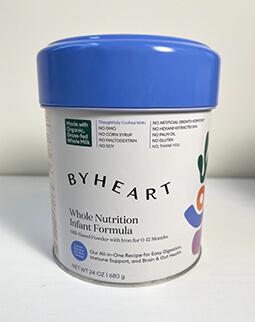
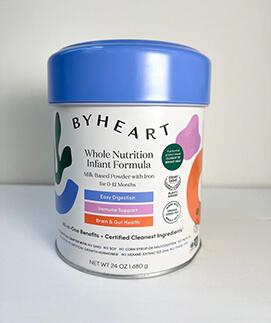
Whole Nutrition Infant Formula, Milk Based Powder with Iron for 0-12months
Company Announcement
None of the distributed ByHeart product has tested positive for any contaminants
No consumer complaints received, to date, that would indicate any illness
Recall is not related to ByHeart’s own manufacturing facility in Reading, PA in any way; facility continues to run 24/7; re-stock expected in January
ByHeartExternal Link Disclaimer, a next-generation baby nutrition company, announced today that, out of an abundance of caution, it has chosen to voluntarily recall five batches of ByHeart Whole Nutrition Infant Formula due to the potential for cross-contamination with Cronobacter sakazakii. No distributed ByHeart product has tested positive for the bacteria.
The product being recalled is ByHeart Whole Nutrition Infant Formula, Milk Based Powder with Iron for 0-12 Months in 24 oz containers. The formula under voluntary recall was distributed directly to consumers in the U.S. and can be identified by the number on the bottom of the can. Recalled product batches are 22273 C1, 22276 C1, 22277 C1, 22278 C1, and 22280 C1 printed with use by 01 JAN 24 or 01JUL 24.
Cronobacter bacteria can cause severe, life-threatening infections (sepsis) or meningitis (an inflammation of the membranes that protect the brain and spine). Symptoms of sepsis and meningitis may include poor feeding, irritability, temperature changes, jaundice (yellow skin and whites of the eyes), grunting breaths and abnormal movements. Cronobacter infection may also cause bowel damage and may spread through the blood to other parts of the body.
It is important to note that this recall is not related to ByHeart’s own manufacturing in any way. In addition, the company has not received any consumer complaints that would indicate any illness, to date; illness complaints are an early detection of safety concerns. If a baby has already consumed all of the formula, there is no reason for concern, and no additional action is needed. If parents have any questions, they should consult with their pediatrician.
ByHeart owns its entire manufacturing supply chain with the exception of final canning, which is conducted by a reputable third-party packager. ByHeart is taking this precautionary measure because one test sample collected from the third-party packaging facility tested positive for Cronobacter sakazakii. All product packaged that day, and the first production on the next day, was isolated for destruction and not distributed. Out of an abundance of caution, we are now recalling all product produced during the entire production run.
As a company committed to parents, ByHeart holds itself to the highest standards when it comes to safety and applauds the FDA’s efforts to oversee the safe manufacturing of infant formula. Parents can remain confident in the safety of ByHeart’s products as the company continues to expand its investments in infant formula innovation, clinical studies, and industry-leading quality standards. ByHeart’s manufacturing facility in Reading, PA, continues to operate 24/7, and the company is committed to providing customers formula in January.
What ByHeart Customers Should Do
Customers who purchased ByHeart product should check the bottom of the can and dispose of product from batches 22273 C1, 22276 C1, 22277 C1, 22278 C1, and 22280 C1. ByHeart is setting up a webpage at https://byheart.com/noticesExternal Link Disclaimer with additional information about its measures. Should customers have any other questions or want to find out if the product they have is included in the voluntary recall, please email notices@byheart.com or text ByHeart at 1-909-506-2354. The company will also be reaching out directly to all customers via email who purchased orders from these identified batches.
ByHeart knows that formula is critical to a baby’s health and growth and wants to make sure that all customers have what they need to keep their baby fed and healthy, no matter what brand of formula they use. While ByHeart works 24/7 to meet the demand for formula, the fastest way the company can replace the formula customers purchased is to cover the cost of two cans of alternate formula. Additionally, affected customers will receive two cans of their next order of ByHeart Whole Nutrition Formula for free.
If your infant is experiencing symptoms related to Cronobacter infection, contact your health care provider to report their symptoms and receive immediate care. To report an illness or adverse event, you can