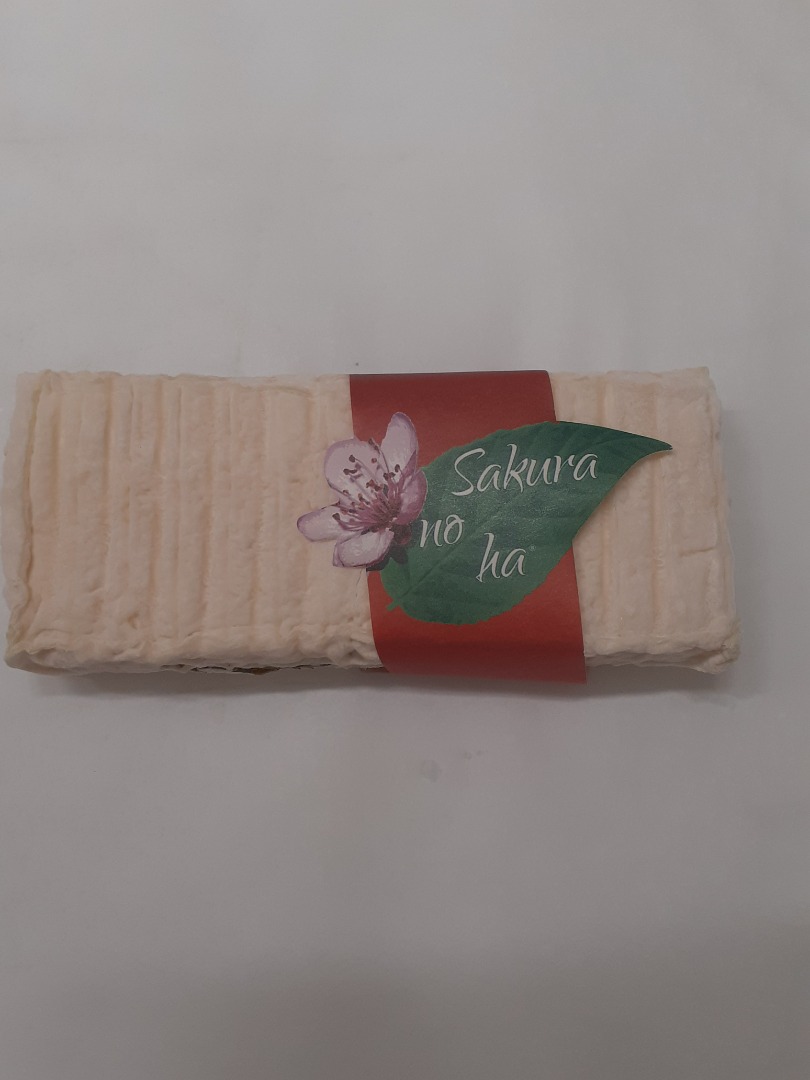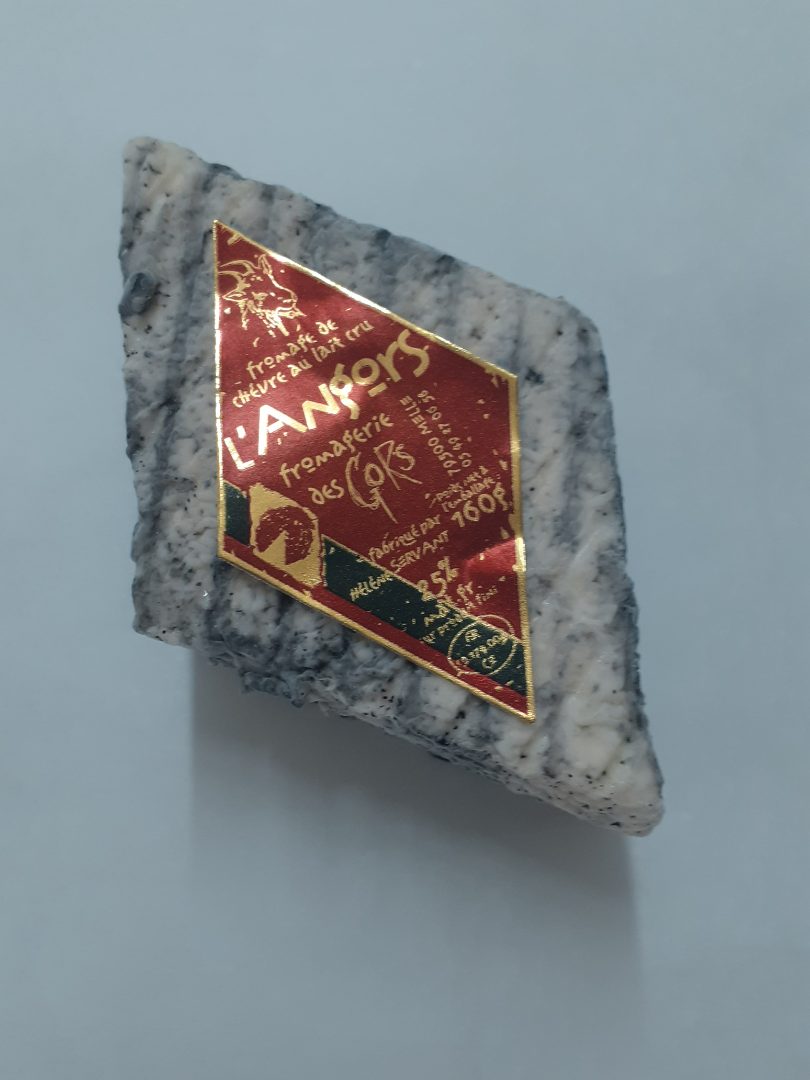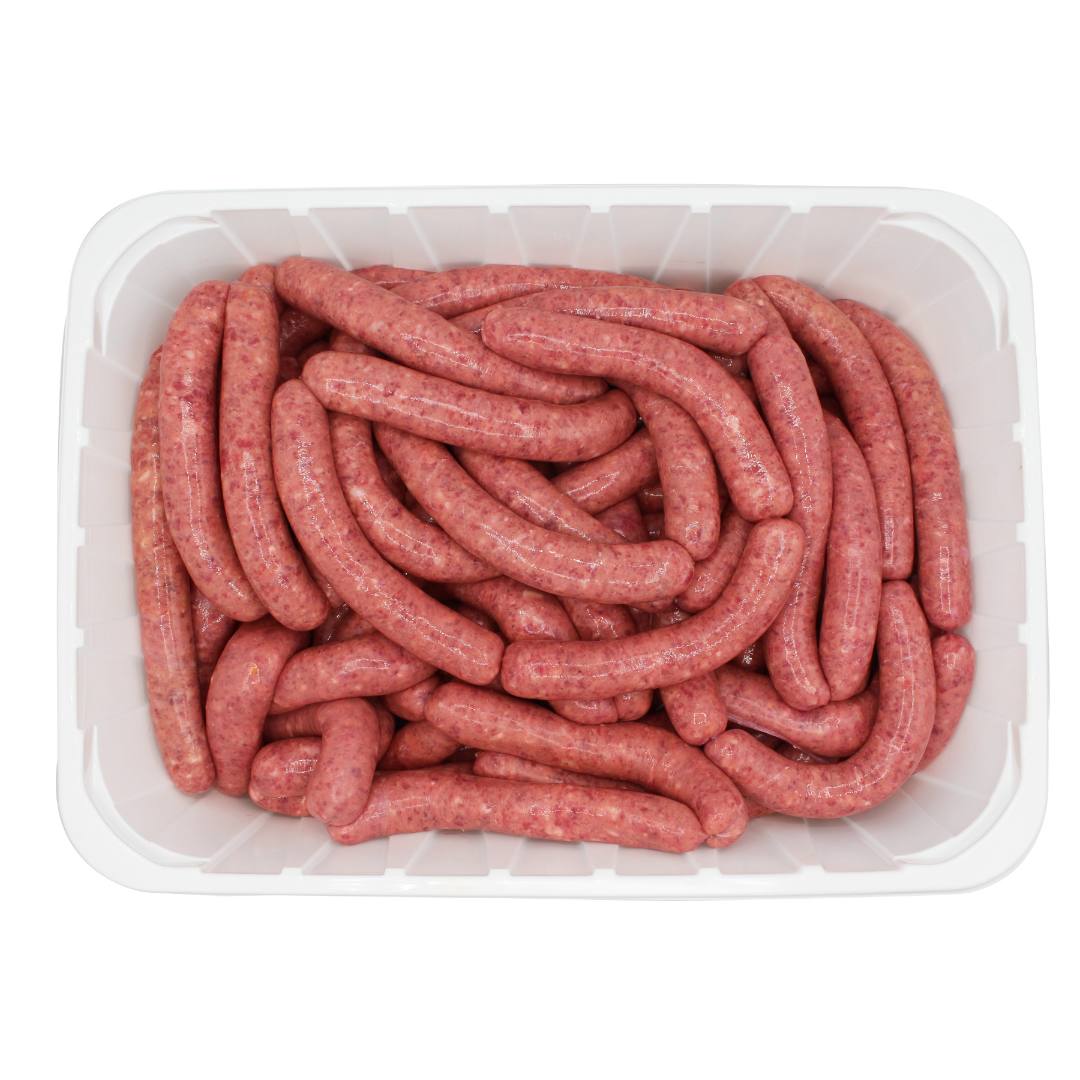
Poultry sausage with cheese.
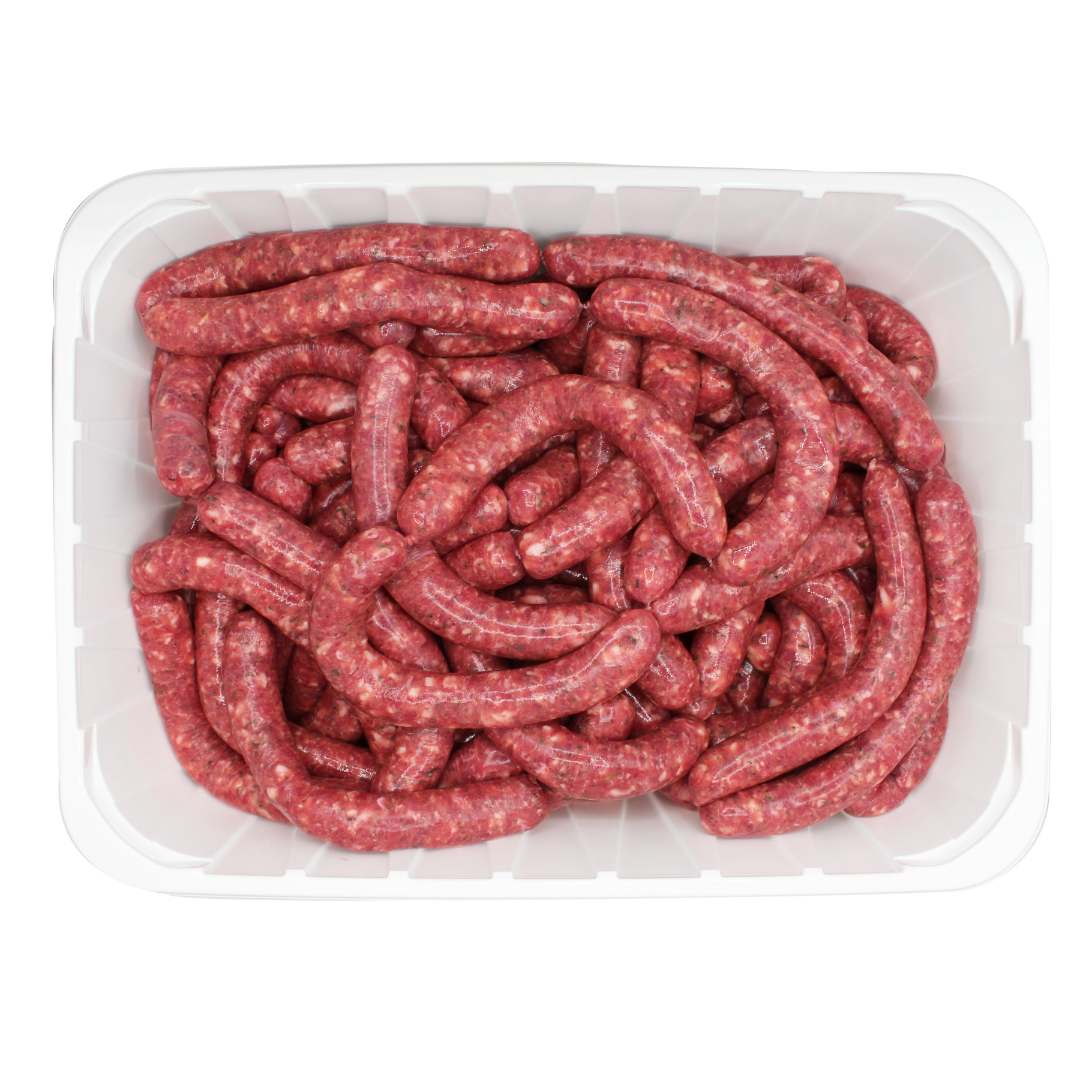
Poultry sausage with herbs
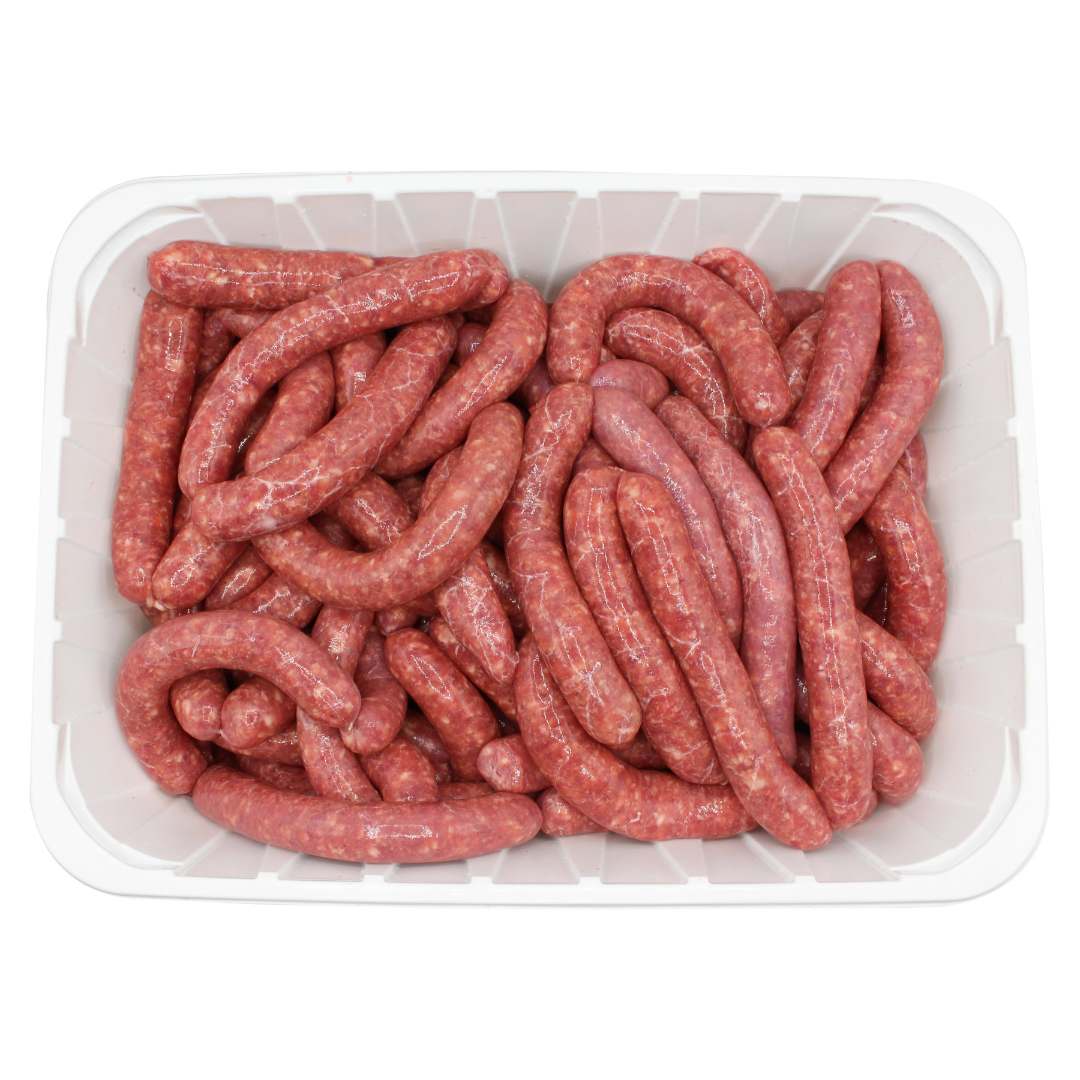
Poultry sausage
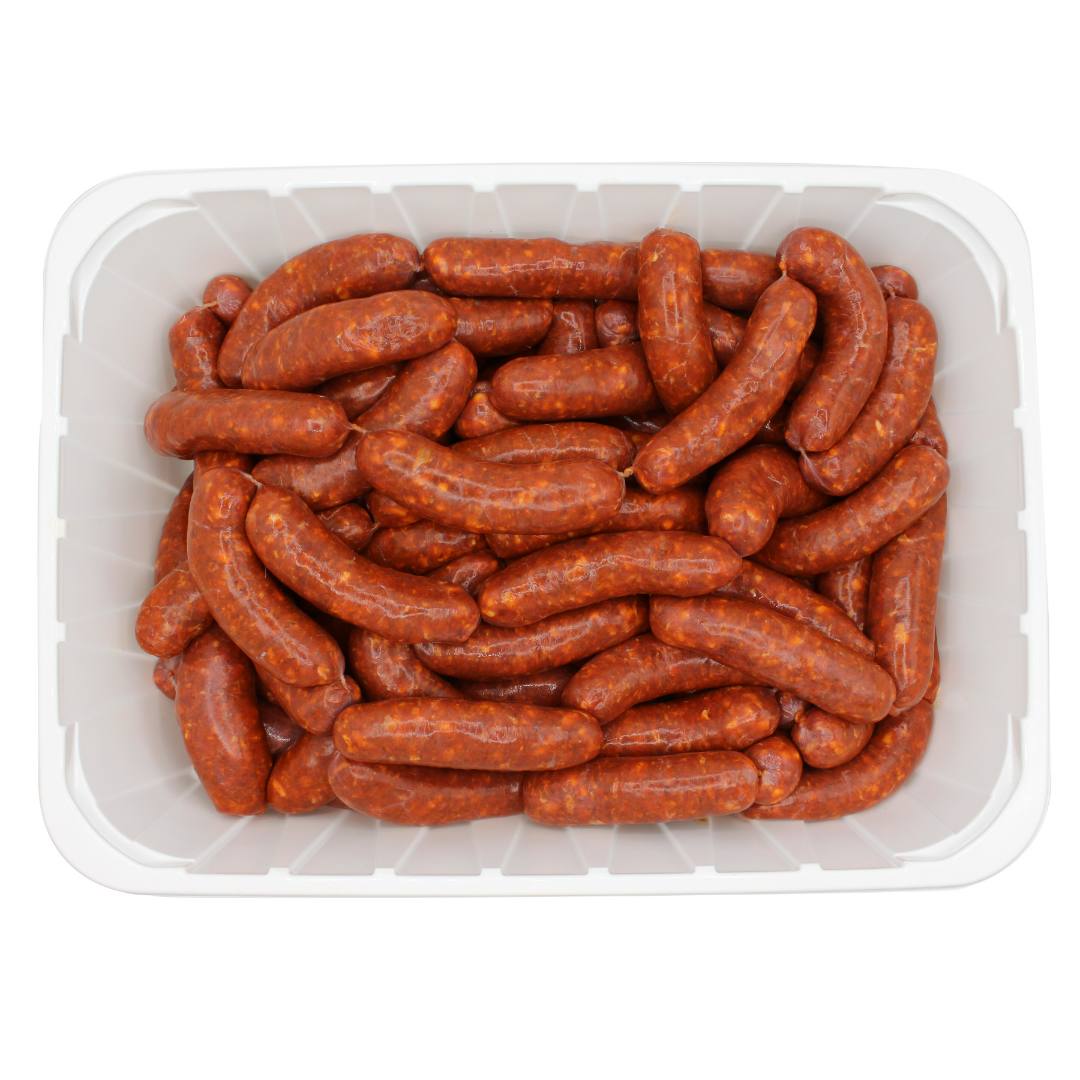
Poultry chorizo
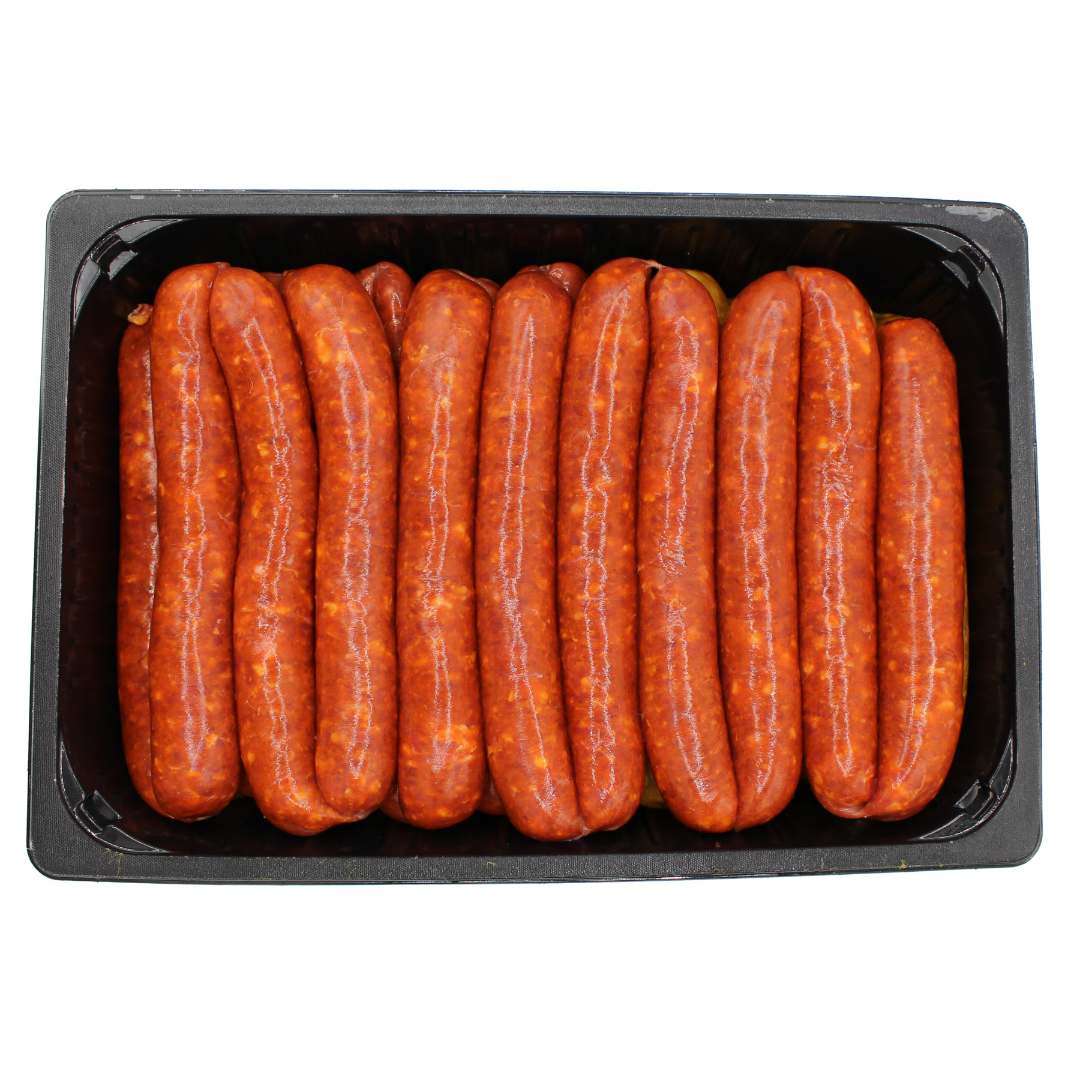

Rigaud father sausage
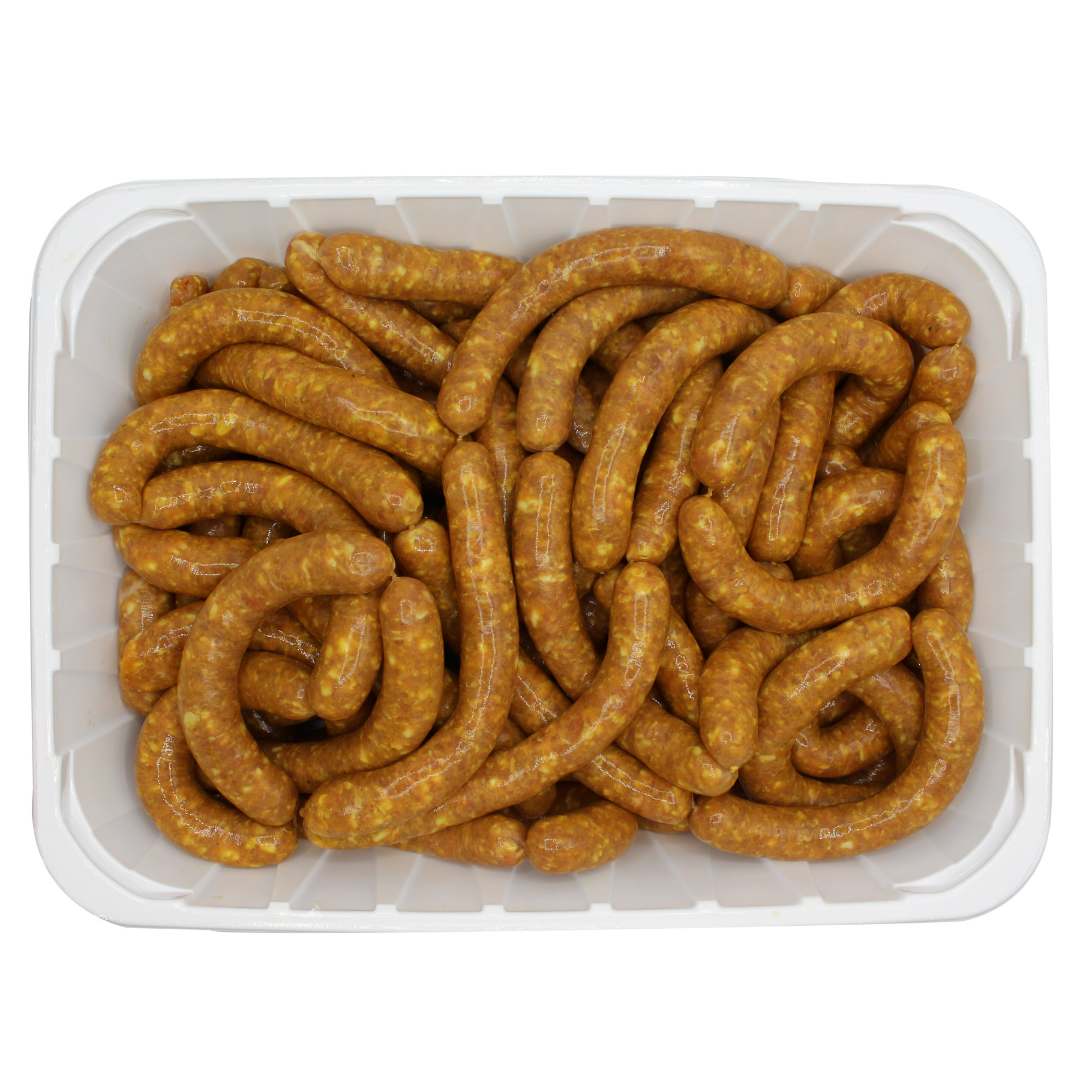
Indian poultry sausages

Poultry sausage with cheese.
Poultry sausage with herbs
Poultry sausage
Poultry chorizo
Rigaud father sausage
Indian poultry sausages
Posted in food contamination, food handler, Food Hazard, Food Hygiene, Food Inspections, Food Micro Blog, Food Microbiology, Food Microbiology Blog, Food Microbiology Testing, Food Pathogen, Food Quality, food recall, Food Safety, Food Safety Alert, Food Safety Management, Food Safety Regulations, Food Testing, Salmonella
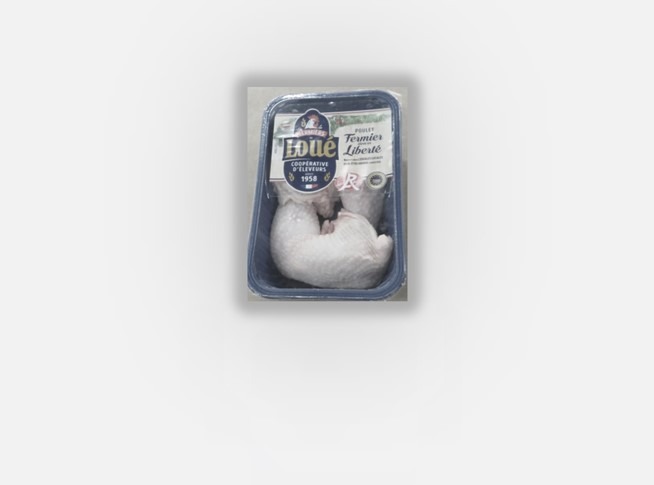
Product category
Food
Product subcategory
Meats
Product brand name
RENTED
Model names or references
Chicken thighs packaged in a protective atmosphere
Product identification
GTIN Batch Date
3266980294458 2023093723 Use-by date 12/25/2023
Packaging
Tray under protective atmosphere
Start/end date of marketing
From 12/14/2023 to 12/25/2023
Storage temperature
Product to keep in the refrigerator
Health mark
72.168.001
Geographical sales area
Whole France
Distributors
Carrefour and Auchan
Posted in food contamination, food handler, Food Hazard, Food Hygiene, Food Inspections, Food Micro Blog, Food Microbiology, Food Microbiology Blog, Food Microbiology Testing, Food Pathogen, Food Quality, food recall, Food Safety, Food Safety Alert, Food Safety Management, Food Testing, Listeria, Listeria France, Listeria monocytogenes
Brand : ALICOM
Name : Packed eggs of 6/10 and cartons of 180/200/360 “S”, “M”, “L”, “XL”
Reason for reporting : Recall due to microbiological risk
Publication date : 8 January 2024

Posted in food contamination, food handler, Food Hazard, Food Hygiene, Food Inspections, Food Micro Blog, Food Microbiology, Food Microbiology Research, Food Microbiology Testing, Food Pathogen, Food Quality, food recall, Food Safety, Food Safety Alert, Food Safety Management, Food Safety Regulations, Food Testing, Salmonella, Salmonella in Eggs
Posted in E.coli, food contamination, food handler, Food Hazard, Food Hygiene, Food Inspections, Food Micro Blog, Food Microbiology, Food Microbiology Blog, Food Microbiology Testing, Food Pathogen, Food Quality, food recall, Food Safety, Food Safety Alert, Food Safety Management, Food Safety Regulations, Food Temperature Abuse, Food Testing, STEC, STEC E.coli, Toxigenic
Recall from the FASFC
Product: dried fig from the Rekolte brand.
Problem: too high ochratoxin A content.
Following notification via the RASFF system (European Food and Feed rapid alert system), the FASFC withdraws from sale the “dried fig” product of the Rekolte brand and recalls it from consumers due to excessive content. high in ochratoxin A.
The FASFC asks not to consume this product and to return it to the point of sale in which it was purchased.
Product description:
Product name: dried fig
Brand: Rekolte
Minimum durability date (MBD): 03/31/2024
Batch number: 090022480/1-11-111
Weight: 250 g
 |
 |
The product was sold through different outlets.
For any further information , you can contact the AFSCA contact point for consumers: 0800/13.550 or pointdecontact@afsca.be .
Posted in Aspergillus Toxin, food contamination, food handler, Food Hazard, Food Hygiene, Food Inspections, Food Micro Blog, Food Microbiology, Food Microbiology Blog, Food Microbiology Testing, Food Pathogen, Food Poisoning, Food Quality, food recall, Food Safety, Food Safety Alert, Food Safety Management, Food Safety Regulations, Food Testing, Food Toxin, Mold Toxin, Mould Toxin, Mycotoxin, Ochratoxin, Ochratoxin A

Recalled Food
Salmonella was identified in an unopened sample of “Busseto Foods Charcuterie Sampler Prosciutto, Sweet Soppressata, and Dry Coppa” collected by the Minnesota Department of Agriculture as a part of the investigation. Testing is being conducted to determine if the Salmonella in the sample is the outbreak strain.
On January 3, 2024, Fratelli Beretta USA, Inc., recalled approximately 11,097 pounds of Busseto Foods brand ready-to-eat charcuterie meat products.
Busseto Charcuterie Sampler
18-oz. plastic tray packages of “Busseto Foods Charcuterie Sampler Prosciutto, Sweet Soppressata, and Dry Coppa”
LOT Code L075330300 and “best by” date on April 27, 2024. This product is sold as a twin pack with two 9-oz. packages.
The products have the establishments numbers “EST. 7543B” inside the U.S. Department of Agriculture’s mark of inspection and “EST. #47967” on the package. See recall notice for more details.
These items were shipped to Sam’s Club distribution centers in Georgia, Illinois, Indiana, Minnesota, North Carolina, Ohio, Oklahoma, and Texas.
What You Should Do
Check your fridge for recalled products. Do not eat them. Throw them away or return them to where you bought them.
Wash surfaces and containers that may have touched the recalled product using hot soapy water or a dishwasher.
Call your healthcare provider right away if you have any of these severe Salmonella symptoms:
Diarrhea and a fever higher than 102°F
Diarrhea for more than 3 days that is not improving
Bloody diarrhea
So much vomiting that you cannot keep liquids down
Signs of dehydration, such as:
Not peeing much
Dry mouth and throat
Feeling dizzy when standing up
What Businesses Should Do
Do not sell or serve the recalled “Busseto Foods Charcuterie Sampler Prosciutto, Sweet Soppressata, and Dry Coppa.”
Wash and sanitize items and surfaces that may have come in contact with recalled products.
Posted in CDC, food contamination, food handler, Food Hazard, Food Hygiene, Food Illness, Food Inspections, Food Micro Blog, Food Microbiology, Food Microbiology Blog, Food Microbiology Testing, Food Pathogen, Food Quality, food recall, Food Safety, Food Safety Alert, Food Safety Management, Food Safety Regulations, Food Testing, Foodborne Illness, Illness, Salmonella
The Spanish Agency for Food Safety and Nutrition has learned, through the Coordinated System for Rapid Information Exchange (SCIRI), of an alert notification sent by the health authorities of Catalonia regarding the possible presence of Cronobacter sakazaki , in the Nutramigen product. 1 PRO 400mg.
This information has been transferred to the contact point in Catalonia by the marketing company in Spain following the decision of the manufacturer, located in the United States, to voluntarily withdraw the product, as a precautionary measure, due to possible cross-contamination with Cronobacter sakazakii . detected in a unit from another batch tested outside of Spain.
The ZL3F6J batch has been distributed in Spain since August 2023 and so far no incident has been reported with it. The operator has already contacted its customers to proceed with the withdrawal of the affected product.
The data of the product involved are:
Available images are attached.


According to the information available, distribution has occurred in most of the national territory.
This information has been transferred to the competent authorities of the autonomous communities through the Coordinated System for Rapid Information Exchange (SCIRI) and to the Coordination Center for Health Alerts and Emergencies (CCAES), in order to verify the withdrawal of the affected products from the marketing channels and the existence of possible cases is reported.
People who have products affected by this alert in their homes are recommended to refrain from consuming them.
If you have consumed the product from the affected batch and present any symptoms compatible with Cronobacter sakazakii toxiinfection (gastrointestinal symptoms, fever, irritability, jaundice, seizures), go to a health center.
You can expand the information from the AESAN on Cronobacter sakazakii toxiinfection at the following link.
Posted in AESAN, Cronobacter sakazakii, food contamination, food handler, Food Hazard, Food Hygiene, Food Inspections, Food Micro Blog, Food Microbiology, Food Microbiology Blog, Food Microbiology Testing, Food Pathogen, Food Quality, food recall, Food Safety, Food Safety Alert, Food Safety Management, Food Safety Regulations, Food Testing
01/05/2024
Pizza meatloaf baked in the oven In addition, the following products are being voluntarily recalled as a precautionary measure: ham red sausage, baked meat loaf, fine ham sausage with Peppadew, ham Scherz’l, crusted roast, Kasseler saddle


Company Wolf GmbH Am Lindenhof 40 04626 Schmölln
see attached consumer information about the product recall
see attached consumer information about the product recall
Wolf GmbH is carrying out a voluntary recall for reasons of preventative consumer protection.
Posted in food contamination, food handler, Food Hazard, Food Hygiene, Food Inspections, Food Micro Blog, Food Microbiology, Food Microbiology Blog, Food Microbiology Testing, Food Pathogen, Food Quality, food recall, Food Safety, Food Safety Alert, Food Safety Management, Food Safety Regulations, Food Testing, Lebensmittelwarnung, Listeria, Listeria monocytogenes
Foodborne pathogens can cause gastrointestinal infections in consumers and in some cases can even lead to outbreaks. In the last decade, it has been observed that some zoonotic pathogenic bacteria can use plants as secondary hosts. Contamination with foodborne bacteria becomes relevant in foods that are regularly eaten raw, such as lettuce, cilantro, fenugreek, rocket leaves, basil, and so forth, and some fruits such as tomatoes, melons, and green peppers; because the elimination of these pathogenic bacteria is difficult to achieve with conventional sanitization processes. Contamination of produce can occur throughout the entire production chain. In farmlands, pathogenic bacteria can contaminate the seed, mainly when contaminated water is used for irrigation. Later, bacteria can reach other plant tissues such as the stems, leaves, and fruits. Another form of contamination is when the produce is in contact with faeces from domestic, production, or wild animals. Additionally, poor handling practices during harvest, packaging, distribution, and sale can contaminate produce. Studies have shown that foodborne pathogens can adhere to produce, sometimes forming a biofilm, and can also be internalized into the plant or fruit, which protects them from sanitation processes. For this reason, in this text we address three biocontrol strategies such as bacteria, lytic bacteriophages, and some fungi, as an alternative approach for the control of both foodborne and plant pathogens. Additionally, the use of these biological agents can represent an advantage for the development of the plant, making them a good strategy to favour yield.
Successful execution of these Objectives will contribute to field by: improving our knowledge of how microbial populations can affect and impact food safety and public health and delineating how pathogens are transmitted and disseminated in and among plant crops allowing for future development of improved/alternate interventions and control strategies
(Objectives 1-4); developing novel intervention strategies using sustainable, natural fungicide alternatives that eliminate aflatoxigenic fungi; enhancing our knowledge regarding the prevalence of azole-resistant aspergilli with enhanced aflatoxin production
(Objective 5); and developing novel methods to control invasive insect pests and reducing the need for the use of radioisotopes for irradiation
(Objective 6). These Objectives, if successful, will allow growers to produce a safer food supply and reduce the use of toxic chemicals (pesticides) and enhance environmental quality.
Objective 1: Identify and characterize agricultural soils that suppress the persistence of the human pathogenic bacteria Salmonella enterica, Listeria monocytogenes and Escherichia coli O157:H7.
Objective 2: Examine the microbiomes, potential for human pathogen colonization, and effectiveness of biological control agents on lettuces grown in indoor vertical hydroponic systems.
Objective 3: Examine the effects of bacterial biocontrol candidate strains on population dynamics of black Aspergillus spp. on grapes and raisins.
Objective 4: Identification and utilization of antifungal metabolites from microbial sources as interventions. •
Sub-objective 4A: Identification of antifungal metabolites from candidate biocontrol bacteria collected from raisin grape vineyards. •
Sub-objective 4B: Isolation and characterization of bacteria with antifungal activities from pistachio orchards.
Objective 5: Development of resistance management augmenting fungal and mycotoxin elimination. •
Sub-objective 5A: Determine the prevalence of azole-resistant aspergilli (A. flavus, A. parasiticus) that produce increased levels of mycotoxins in California tree nut orchards. •
Sub-objective 5B: Develop new intervention strategies for the control of azole-resistant Aspergillus species utilizing natural products/derivatives as fungicide alternatives.
Objective 6: Investigate novel methods to address mycotoxin contamination of tree nuts through control of fungal and insect vectors. •
Sub-objective 6A: Evaluate X-ray based irradiation as an alternative to gamma irradiation for SIT. •
Sub-objective 6B: Investigate high pressure steam as a tool for orchard sanitation through destruction of overwintering NOW larvae in pistachio mummies.
Objective 7: The use of previously approved natural products as an accelerated chemical interventions strategy to inhibit food-associated mycotoxins, fungal pathogens, and their insect pest transmitters. •
Sub-objective 7A: Identify previously approved natural products that inhibit mycotoxins and fungal pathogens frequently found in food contaminations. •
Sub-objective 7B: Identify previously approved natural products that immunosuppress insect pests and increase their sensitivity to microbes.