Category Archives: Food Microbiology Research

Research – The study supports the view that shellfish outbreaks are under-reported

Food Safety News

A pilot study in France has pointed to a significant under-reporting of shellfish-related foodborne outbreaks.

The objectives of the research were to quantify and describe the health impact of shellfish-related outbreaks as well as the circumstances of occurrence in Brittany, with the end goal of reducing their frequency.

An online questionnaire looked at shellfish consumption between November 2021 and April 2022, the practice of shore fishing, and the occurrence of shellfish outbreaks over the past five years.

A total of 438 responses were received between May and July 2022. Most respondents were women, the median age was 46, and 21 percent practiced shore fishing. From November 2021 to April 2022, 93 percent of participants reported having eaten shellfish. Almost two-thirds ate shellfish raw and cooked, while a quarter only ate cooked shellfish. Scallops and mussels were the most consumed, but oysters were the top raw type of shellfish eaten.

Research – Genetic and Phenotypic Virulence Potential of Non-O1/Non-O139 Vibrio cholerae Isolated from German Retail Seafood

MDPI

Abstract

Non-O1 and non-O139 Vibrio cholerae (NOVC) can cause gastrointestinal infections in humans. Contaminated food, especially seafood, is an important source of human infections. In this study, the virulence potential of 63 NOVC strains isolated from retail seafood were characterized at the genotypic and phenotypic levels. Although no strain encoded the cholera toxin (CTX) and the toxin-coregulated pilus (TCP), several virulence factors, including the HlyA hemolysin, the cholix toxin ChxA, the heat-stable enterotoxin Stn, and genes coding for the type 3 and type 6 secretion systems, were detected. All strains showed hemolytic activity against human and sheep erythrocytes: 90% (n = 57) formed a strong biofilm, 52% (n = 33) were highly motile at 37 °C, and only 8% (n = 5) and 14% (n = 9) could resist ≥60% and ≥40% human serum, respectively. Biofilm formation and toxin regulation genes were also detected. cgMLST analysis demonstrated that NOVC strains from seafood cluster with clinical NOVC strains. Antimicrobial susceptibility testing (AST) results in the identification of five strains that developed non-wildtype phenotypes (medium and resistant) against the substances of the classes of beta-lactams (including penicillin, carbapenem, and cephalosporin), polymyxins, and sulphonamides. The phenotypic resistance pattern could be partially attributed to the acquired resistance determinants identified via in silico analysis. Our results showed differences in the virulence potential of the analyzed NOVC isolated from retail seafood products, which may be considered for further pathogenicity evaluation and the risk assessment of NOVC isolates in future seafood monitoring.

Research – Prevalence of Multidrug-Resistant Pseudomonas aeruginosa Isolated from Dairy Cattle, Milk, Environment, and Workers’ Hands

MDPI

Abstract

Pseudomonas aeruginosa is an opportunistic pathogen causing severe infection in animals and humans. This study aimed to determine the ecological distribution and prevalence of multidrug-resistant (MDR) P. aeruginosa isolated from dairy cattle, the environment, and workers’ hand swabs. Samples (n = 440) were collected from farms and households (n = 3, each). Rectal swabs, udder skin swabs, milk, workers’ hand swabs, feed, water, water sources, and beddings were collected. Samples were subjected to the bacterial identification of P. aeruginosa via 16S rRNA. Antimicrobial resistance (AMR) was detected either phenotypically using an antibiotic susceptibility test or genotypically with AMR resistance genes (ARGs) such as drfA, sul1, and ermB. P. aeruginosa was detected on dairy farms and households (10.3–57.5%, respectively), with an average of 23.2%. The resistance of dairy farm strains was observed against sulfamethoxazole, imipenem, cefepime, piperacillin–tazobactam, and gentamycin (100%, 72.7%, 72.7%, 68.8%, and 63.3%, respectively). Meanwhile, the resistance of household strains was observed against sulfamethoxazole, imipenem, amoxicillin, gentamicin, cefepime, and erythromycin by 91.3%, 82.6%, 75.4%, 75.4%, 68.1%, and 63.8%, respectively. The susceptibility of farm strains was detected against norfloxacin, ciprofloxacin, and levofloxacin (90.9%, 84.8%, and 72.7%, respectively). Meanwhile, the susceptibility of household strains was detected against ciprofloxacin, amikacin, and norfloxacin (100%, 84.1%, and 72.5%, respectively). About 81.4% of P. aeruginosa strains were MDR. ARGs (drfA, sul1, and ermB) were detected in farm strains (48.5%, 72.7%, and 24.4%, respectively) and household strains (50.7%, 72.5%, and 47.8%, respectively). Almost all P. aeruginosa had MAR over 0.2, indicating repeated application of antibiotics. P. aeruginosa prevalence was fivefold higher in households than on farms. MDR strains were higher amongst household strains than farm strains.

What are Extensively Drug Resistant (XDR) Bacteria?

News Medical

Resistance to antimicrobial agents is a growing and worrying phenomenon. Extensively drug-resistant bacteria, or XDR bacteria, are a type of multidrug-resistant organisms that are resistant to almost all or all approved antimicrobial agents.

The origin of XDR bacteria

The term was first coined in response to Mycobacterium tuberculosis that was resistant to first-line agents (isoniazid and rifampicin), a fluoroquinolone, and to one or more second-line parenteral drugs (amikacin, kanamycin, and capreomycin). This was later expanded to include other bacteria that were resistant to most standard antimicrobial treatments.

Defining XDR bacteria

XDR bacteria are different from multidrug-resistant bacteria and pan-drug resistant bacteria. The difference is mainly interpreted as to what extent the bacteria are drug-resistant, with multidrug-resistant bacteria being unsusceptible to one or more antimicrobial agents and pan-drug resistant bacteria being unsusceptible to all antimicrobial agents.

Therefore, XDR bacteria rest somewhere in between these two categories. Occasionally, definitions are based on broader categories of antimicrobials rather than agents, which therefore narrows the bacteria fitting the description. However, this system is often seen as more informative by healthcare professionals treating afflicted patients with various antimicrobial classes.

Read more at the link above

Research – Antimicrobial Activity of Essential Oils in Vapor Phase In Vitro and Its Application in Combination with Lactic Acid to Improve Chicken Breast Shelf Life

MDPI

Abstract

The effect of essential oils (EOs) incorporated in their vapor phase combined with lactic acid immersion pretreatment was studied on fresh refrigerated chicken breast shelf life. Among the several EOs assayed, the in vitro results obtained from the vapor diffusion test allowed mustard, oregano, and garlic EOs to be selected due to their higher antimicrobial activity. In addition, it was possible to determine the EO minimum inhibitory concentrations against Pseudomonas aeruginosa and Escherichia coli and to identify EO binary mixtures showing synergistic or additive effects. Based on the obtained results, a ternary mixture constituted by 0.073, 0.292, and 0.146 µL/mL of headspace of mustard, oregano, and garlic, respectively, was proposed for its application to chicken breasts. The ternary mixture inhibitory action was confirmed in vitro against P. aeruginosa and E. coli. Furthermore, the presence of numerous compounds with recognized antimicrobial and antioxidant activity was found in its volatile phase through gas chromatography. When applying an EO mixture in its vapor phase in combination with 1.0% v/v of lactic acid immersion pre-treatment on refrigerated chicken breast, a decrease in mesophilic microorganisms’ growth rate as well as in lipid oxidation was observed. Moreover, in a preliminary sensory test, the treated chicken breast was found to be acceptable to consumers and showed no significant differences compared to untreated chicken. In conclusion, the combined use of lactic acid immersion and EOs in their vapor phase was an effective alternative to increase chicken breast shelf life.

Hong Kong – Liver-damaging Aflatoxins found in peanut butter, with two brands exceeding EU limit

The Standard HK

A Consumer Council’s test on 20 samples of peanut butter found that 60 percent of them contain aflatoxins, a substance that could damage liver function. The test also found the aflatoxin B1 levels of two samples exceeded the upper limit of European Union standards.

The consumer watchdog said the two samples found with aflatoxin B1 levels exceeding the EU limit are Fuyuan’s Peanut Butter and YOWE’s Peanut Butter Creamy.

The two samples contained aflatoxin B1 at levels of 4.27μg and 2.01μg respectively, which exceeded the EU limit of 2.0μg. The total aflatoxins level of Fuyuan’s Peanut Butter of 4.94μg also exceeded the EU limit of 4.0μg.

The watchdog warned that aflatoxins could cause acute and chronic poisoning in animals and humans, and could lead to acute liver damage, cirrhosis, cancer and even death.

It said it has referred the information of the relevant samples to the Centre for Food Safety for follow-up.

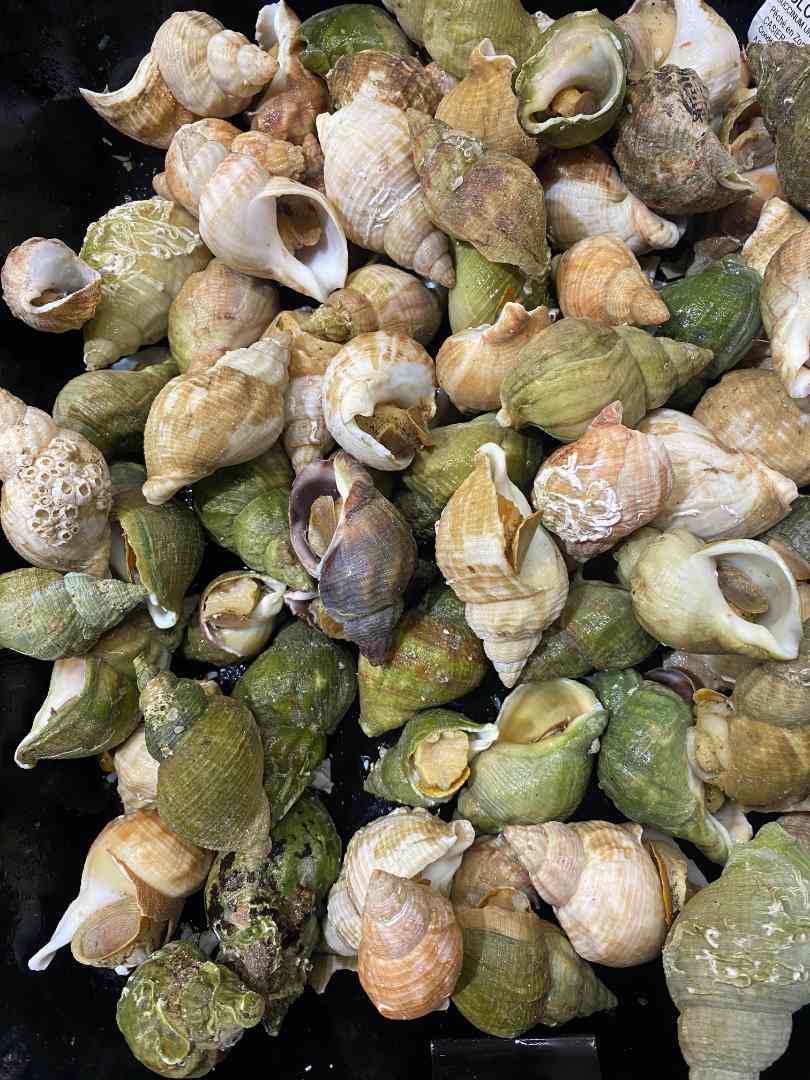
France – Cooked whelks – Listeria monocytogenes

Gov France

  • Product category Food
  • Product subcategory Fishing and aquaculture products
  • Product brand name E.LECLERC ATOUT SUD
  • Model names or references Cooked whelks
  • Product identification
    GTIN Batch Date
    0202461000000 Use-by date between 10/11/2023 and 13/11/2023
    0224716000000 Sold on the traditional shelf between 07/11 and 10/11/2023 inclusive
  • Start/end date of marketing From 07/11/2023 to 10/11/2023
  • Storage temperature Product to keep in the refrigerator
  • Geographical sales area E.LECLERC ATOUT SUD
  • Distributors E.LECLERC ATOUT SUD

UK – FSA- Kitchen Life 2

FSA

Kitchen Life 2 (KL2) used motion-sensitive cameras to explore food safety behaviours in 70 households and 31 food business operator (FBO) kitchens. It also captured data using surveys, interviews, and fridge and freezer thermometers. KL2 was commissioned in February 2021 and completed in June 2023. The aim of KL2 was to identify the key food safety behaviours that occur in household and business kitchens and understand the factors influencing these behaviours.

The findings from this study are detailed across seven separate reports, each focusing on a behaviour of interest to the FSA.

Each report explores the behaviour in detail and uses behavioural analysis to identify the factors influencing the behaviour.

The 7 reports are:

  1. Not washing hands with soap after touching meat, fish and poultry
  2. Reusing a chopping board after preparing meat, fish and poultry 
  3. Reusing a tea towel or cloth for multiple purposes
  4. Storing chilled foods at incorrect temperatures 
  5. Not reheating leftovers until steaming hot throughout 
  6. Not checking use-by dates and consuming foods past use-by dates
  7. The creation of food waste

France – TURKEY LEG – Listeria monocytogenes

Gov France

  • Product category Food
  • Product subcategory Meats
  • Product brand name CORRIL
  • Model names or references TURKEY LEG
  • Product identification
    Batch Date
    0343161473 Use-by date 10/29/2023
    0343161473 / 0343161579 Use-by date 10/31/2023
    0343161579 Use-by date 01/11/2023
  • Start/end date of marketing From 10/18/2023 to 11/01/2023
  • Storage temperature Product to keep in the refrigerator
  • Health mark FR 41.238.001 CE
  • Geographical sales area Regions: Auvergne-Rhône-Alpes, , Burgundy-Franche-Comté, , Brittany, , Grand-Est, , Hauts-de-France, , Île-de-France, , Normandy, , Nouvelle-Aquitaine, , Occitanie, , Country -de-la-Loire, , Provence-Alpes-Côte d’Azur
  • Distributors ALDI FRANCE
  • List of points of sale List_of_stores_-_RAPPEL_CUISSE_DE_DINDE.pdf

Research – Synergistic Strategies of Heat and Peroxyacetic Acid Disinfection Treatments for Salmonella Control

MDPI

Abstract

The food industry has recognized a pressing need for highly effective disinfection protocols to decrease the risk of pathogen emergence and proliferation in food products. The integration of antimicrobial treatments in food production has occurred as a potential strategy to attain food items of superior quality with respect to microbiological safety and sensory attributes. This study aims to investigate the individual and synergistic effects of heat and peroxyacetic acid on the inactivation of bacterial cells, considering various contact times and environmental conditions. Four Salmonella serotypes, isolated from industrial meat production surfaces, were employed as model organisms. By systematically assessing the impacts of individual factors and synergistic outcomes, the effectiveness of bacterial cell inactivation and the efficiency of heat and peroxyacetic acid could be predicted. To better approximate real-world food processing conditions, this study also incorporated a bovine albumin-rich condition as a simulation of the presence of organic loads in processing steps. The findings revealed the essential need for a synergistic interplay of investigated parameters with the following optimized values: 1.5% concentration of peroxyacetic acid, temperature range of 60–65 °C, and contact time of 3 min for the complete effect regardless of the degree of contamination.