Category Archives: Food Microbiology Research

Research – Emergence of Poultry-Associated Human Salmonella enterica Serovar Abortusovis Infections, New South Wales, Australia

CDC

Salmonella enterica serovar Abortusovis is a ovine-adapted pathogen that causes spontaneous abortion. Salmonella Abortusovis was reported in poultry in 2009 and has since been reported in human infections in New South Wales, Australia. Phylogenomic analysis revealed a clade of 51 closely related isolates from Australia originating in 2004. That clade was genetically distinct from ovine-associated isolates. The clade was widespread in New South Wales poultry production facilities but was only responsible for sporadic human infections. Some known virulence factors associated with human infections were only found in the poultry-associated clade, some of which were acquired through prophages and plasmids. Furthermore, the ovine-associated clade showed signs of genome decay, but the poultry-associated clade did not. Those genomic changes most likely led to differences in host range and disease type. Surveillance using the newly identified genetic markers will be vital for tracking Salmonella Abortusovis transmission in animals and to humans and preventing future outbreaks.

Research examines challenges in packinghouse sanitation

The Packer

It’s no secret Listeria monocytogenes is the enemy of produce packinghouses. The Centers for Disease Control and Prevention estimates about 1,600 people in the U.S. get sick, and about 260 people die from listeriosis.

Research at Penn State University looks at the challenges facing produce packinghouses when trying to eradicate foodborne pathogens — and the results might seem a bit surprising.

Jasna Kovac, associate professor of food science and a professor of food safety at the university, says listeria can grow at temperatures similar to the human body but also at low temperatures found in food processing facilities and refrigerated food storage.

“This means that if listeria ends up in a food processing environment like fruit packing facilities, it’s going to be able to grow on environmental surfaces if there’s nutrients present to support its growth,” Kovac said in this episode of the “Tip of the Iceberg” podcast.

Research -Determination and risk assessment of aflatoxin B1 in the kernel of imported raw hazelnuts from Eastern Azerbaijan Province of Iran

Nature

Aflatoxin B1 (AFB1) is widespread and seriously threatens public health worldwide. This study aimed to investigate AFB1 in imported hazelnut samples in northwest of Iran (Eastern Azerbaijan Province) using High-Performance Liquid Chromatography with a Fluorescent Detector (HPLC-FLD). In all tested samples AFB1 was detected. The mean concentration of AFB1 was 4.20 μg/kg and ranged from 3.145 to 8.13 μg/kg. All samples contained AFB1 levels within the maximum acceptable limit except for one sample. Furthermore, the human health risk assessment of AFB1 from consuming imported hazelnuts by Iranian children and adults was evaluated based on the margin of exposure (MoE) and quantitative liver cancer risk approaches. The MoE mean for children was 2529.76, while for adults, it was 8854.16, indicating a public health concern. The present study found that the risk of developing liver cancer among Iranian children was 0.11100736 per 100,000 people, and in the Iranian adult population was 0.0314496 cancers per 100,000 people. Since environmental conditions potentially affect aflatoxin levels in nuts, countries are advised to monitor aflatoxin contents in imported nuts, especially from countries with a conducive climate for mold growth.

Singapore – Clearer safety rules for food containing insects, genetically modified and novel ingredients

The Straits Times

SINGAPORE – Insects may soon be approved for sale in Singapore, but food sellers should not let up on hygiene standards, as a proposed law will require them to prove that an insect ingredient in their dish is an intentional choice – and not a result of contamination.

Come June 2024, 16 types of insects – including crickets, honeybees, silkworms and grasshoppers – will receive the green light from the Singapore Food Agency (SFA) to be listed on menus here.

This is in line with recommendations from the United Nations’ Food and Agriculture Organisation promoting insects for human consumption, as they are a rich source of protein and can feed the world’s growing population in a more affordable and sustainable way.

How Did Japan Airlines Find Itself In The Middle Of A Food Poisoning Scandal In 1975?

Simple Flying

  •  In 1975, a Japan Airlines flight saw passengers become poisoned with bacteria-infected food.
  •  Over half of the 344 passengers became sick, many with diarrhea.
  •  The catering manager committed suicide after learning about the incident.

Taiwan – Rare toxin suspected in 14 severe cases of food poisoning – Bongkrek acid is a toxin produced by the bacterium Burkholderia gladioli

Radio Taiwan International

14 severe cases of suspected food poisoning have been reported so far, including two deaths and five people currently hospitalized in critical condition. In a Legislature interview on Thursday, Health Minister Hsueh Jui-yuan (薛瑞元) stated that, after discussions with experts, the incident was highly likely caused by Bongkrek acid contamination and testing is currently underway.

Bongkrek acid is a toxin produced by the bacterium Burkholderia gladioli pathovar cocovenenans occasionally found in fermented coconut or corn. When consumed, symptoms can include vomiting, diarrhea, urinary retention, abdominal pain, and excessive sweating as the toxin mainly targets the liver, brain, and kidneys.

Research – Leveraging Plasma-Activated Seawater for the Control of Human Norovirus and Bacterial Pathogens in Shellfish Depuration

MDPI

Abstract

Cold plasma is a promising alternative for water treatment owing to pathogen control and a plethora of issues in the agriculture and food sectors. Shellfish pose a serious risk to public health and are linked to large viral and bacterial outbreaks. Hence, current European regulations mandate a depuration step for shellfish on the basis of their geographical growth area. This study investigated the inactivation of relevant viral and bacterial pathogens of three plasma-activated seawaters (PASWs), and their reactive oxygen and nitrogen species (RONS) composition, as being primarily responsible for microbial inactivation. Specifically, F-specific (MS2) and somatic (φ174) bacteriophage, cultivable surrogate (murine norovirus, MNV, and Tulane virus, TV), and human norovirus (HuNoV GII.4) inactivation was determined using plaque counts and infectivity assays, including the novel human intestinal enteroid (HIE) model for HuNoV. Moreover, the kinetic decay of Escherichia coli, Salmonella spp., and Vibrio parahaemolyticus was characterized. The results showed the complete inactivation of phages (6–8 log), surrogates (5–6 log), HuNoV (6 log), and bacterial (6–7 log) pathogens within 24 h while preventing cytotoxicity effects and preserving mussel viability. Nitrites (NO2) were found to be mostly correlated with microbial decay. This research shows that PASWs are a suitable option to depurate bivalve mollusks and control the biohazard risk linked to their microbiological contamination, either viral or bacterial.

Hong Kong – Food Safety Files – High risk food – Raw Shrimp Sashimi

CFS

Hong Kong people like delicious food and sashimi is probably one of the most popular foods in recent years. Due to a high market demand, sashimi is available not only in Japanese restaurants, but also in restaurants providing South-East Asian foods. Sashimi is eaten raw and improper preparation and excessive intake can lead to food poisoning. As sashimi is a high risk food, the Food and Environmental Hygiene Department (FEHD) has stringent licensing requirements for food premises preparing and selling sashimi in Hong Kong.

Marine shrimps are commonly used in shrimp sashimi. Their shells are easily contaminated by pathogens, like Vibrio parahaemolyticus and Vibrio cholera. The link above explains why the risk of eating raw shrimp is high. In order to reduce the risk, the public should pay extra attention on the tips in the link.

UK – APHA sees Cryptosporidium workload rise but E. coli outbreaks fall.

Food Safety News

crypto

The number of Cryptosporidium outbreaks involving an agency of the UK Department for Environment, Food and Rural Affairs (Defra) increased in 2023.

The Animal and Plant Health Agency (APHA) assisted with investigations into seven Cryptosporidium parvum outbreaks linked to an animal origin. Five were in England and two were in Wales. One outbreak of cryptosporidiosis was epidemiologically linked to a milk vending machine.

Of the other human outbreaks, three were epidemiologically linked to open farms, two to commercial farms, and one to a farm shop which had animals on site.

E.coli

APHA was also part of investigations into two Shiga toxin-producing E. coli (STEC) outbreaks in 2023 which were epidemiologically linked to separate animal-contact visitor attractions.

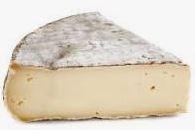
France – Saint Nectaire – Listeria monocytogenes

Gov France

Product category
Food
Product subcategory
Milk and dairy products
Product brand name
Carrefour The Market
Model names or references
Saint Nectaire, individual part
Product identification
GTIN Batch
1111111111116 Products sold from 02/20/24 to 03/15/24
Packaging
Produced in film
Start/end date of marketing
From 02/20/2024 to 03/15/2024
Storage temperature
Product to keep in the refrigerator
Further information
DLC and original batch of the product: 01/04/2024 batch 240700814A
Geographical sales area
Carrefour Market Saint Martin Boulogne North
Distributors
Carrefour Market