Category Archives: Food Microbiology Research

Research – Antimicrobial Resistance in Salmonella enterica Serovar Paratyphi B Variant Java in Poultry from Europe and Latin America

CDC

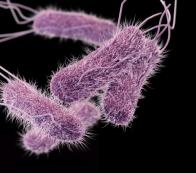
Salmonellaa

Image CDC

Salmonella enterica serovar Paratyphi B variant Java sequence type 28 is prevalent in poultry and poultry meat. We investigated the evolutionary relatedness between sequence type 28 strains from Europe and Latin America using time-resolved phylogeny and principal component analysis. We sequenced isolates from Colombia, Guatemala, Costa Rica, and the Netherlands and complemented them with publicly available genomes from Europe, Africa, and the Middle East. Phylogenetic time trees and effective population sizes (Ne) showed separate clustering of strains from Latin America and Europe. The separation is estimated to have occurred during the 1980s. Ne of strains increased sharply in Europe around 1995 and in Latin America around 2005. Principal component analysis on noncore genes showed a clear distinction between strains from Europe and Latin America, whereas the plasmid gene content was similar. Regardless of the evolutionary separation, similar features of resistance to β-lactams and quinolones/fluoroquinolones indicated parallel evolution of antimicrobial resistance in both regions.

Research – Essential Oils: Their Antibacterial Properties and Potential Applications in Foods–A Review

Pub Med

Abstract

In vitro studies have demonstrated antibacterial activity of essential oils (EOs) against Listeria monocytogenes, Salmonella typhimurium, Escherichia coli O157:H7, Shigella dysenteria, Bacillus cereus and Staphylococcus aureus at levels between 0.2 and 10 microl ml(-1). Gram-negative organisms are slightly less susceptible than gram-positive bacteria. A number of EO components has been identified as effective antibacterials, e.g. carvacrol, thymol, eugenol, perillaldehyde, cinnamaldehyde and cinnamic acid, having minimum inhibitory concentrations (MICs) of 0.05-5 microl ml(-1) in vitro. A higher concentration is needed to achieve the same effect in foods. Studies with fresh meat, meat products, fish, milk, dairy products, vegetables, fruit and cooked rice have shown that the concentration needed to achieve a significant antibacterial effect is around 0.5-20 microl g(-1) in foods and about 0.1-10 microl ml(-1) in solutions for washing fruit and vegetables. EOs comprise a large number of components and it is likely that their mode of action involves several targets in the bacterial cell. The hydrophobicity of EOs enables them to partition in the lipids of the cell membrane and mitochondria, rendering them permeable and leading to leakage of cell contents. Physical conditions that improve the action of EOs are low pH, low temperature and low oxygen levels. Synergism has been observed between carvacrol and its precursor p-cymene and between cinnamaldehyde and eugenol. Synergy between EO components and mild preservation methods has also been observed. Some EO components are legally registered flavourings in the EU and the USA. Undesirable organoleptic effects can be limited by careful selection of EOs according to the type of food.

Research – Quantitative Risk Assessment of Human Campylobacteriosis Associated With Thermophilic Campylobacter Species in Chickens

PubMed

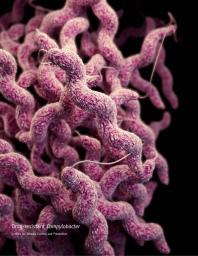
campy2

Image CDC

A quantitative risk assessment comprising the elements hazard identification, hazard characterization, exposure assessment, and risk characterization has been prepared to assess the effect of different mitigation strategies on the number of human cases in Denmark associated with thermophilic Campylobacter spp. in chickens. To estimate the human exposure to Campylobacter from a chicken meal and the number of human cases associated with this exposure, a mathematical risk model was developed. The model details the spread and transfer of Campylobacter in chickens from slaughter to consumption and the relationship between ingested dose and the probability of developing campylobacteriosis. Human exposure was estimated in two successive mathematical modules. Module 1 addresses changes in prevalence and numbers of Campylobacter on chicken carcasses throughout the processing steps of a slaughterhouse. Module 2 covers the transfer of Campylobacter during food handling in private kitchens. The age and sex of consumers were included in this module to introduce variable hygiene levels during food preparation and variable sizes and compositions of meals. Finally, the outcome of the exposure assessment modules was integrated with a Beta-Poisson dose-response model to provide a risk estimate. Simulations designed to predict the effect of different mitigation strategies showed that the incidence of campylobacteriosis associated with consumption of chicken meals could be reduced 30 times by introducing a 2 log reduction of the number of Campylobacter on the chicken carcasses. To obtain a similar reduction of the incidence, the flock prevalence should be reduced approximately 30 times or the kitchen hygiene improved approximately 30 times. Cross-contamination from positive to negative flocks during slaughter had almost no effect on the human Campylobacter incidence, which indicates that implementation of logistic slaughter will only have a minor influence on the risk. Finally, the simulations showed that people in the age of 18-29 years had the highest risk of developing campylobacteriosis.

Research – Poland’s Salmonella poultry problem continues

Food Safety News


A variety of European countries have issued nearly 100 warnings about Salmonella in chilled and frozen poultry from Poland since the start of March this year.

Data from the Rapid Alert System for Food and Feed (RASFF) portal shows alerts from Bulgaria, Croatia, Czech Republic, Slovakia, Lithuania, Estonia, Latvia, Italy, France and Romania. Most notifications were made by Lithuania, followed by Czech Republic and Bulgaria.

Involved serotypes include Enteritidis, Infantis, Typhimurium, Saintpaul, Derby, Newport, and Mbandaka. European regulation on fresh poultry mentions Salmonella Enteritidis and Typhimurium as a food safety criterion as these serotypes represent the main risk for public health. It considers chicken contaminated with other types as compliant or that it should be assessed on a case-by-case basis.

The EU produced an estimated 15.2 million tons of poultry meat in 2018. The main producer in that year with 2.5 million tons was Poland.

Australia – Egg alert: Salmonella explosion as 12 farms that sell produce to supermarkets are found to be infected

Daily Mail


At least three people have come down with salmonella poisoning after purchasing eggs from a popular supermarket.

The infection is believed to have come from eggs purchased from a supermarket in the Melbourne suburb of Werribee.

The Weekly Times reported the eggs were supplied from farms in New South Wales.

However, a spokesman for the NSW Department of Primary Industries disputed those claims.

Belgium – Belgium reports record high number of outbreaks

Food Safety News

Belgium has recorded the highest number of foodborne outbreaks in a year since recordkeeping began.

This past year, 571 outbreaks were reported to the National Reference Laboratory for Foodborne Outbreaks (LNR-TIA). A total of 2,457 people fell ill and 28 were hospitalized.

Data on outbreaks have been collected by Sciensano, the Belgian Institute for Health, since 1999. From 1999 to 2010, 39 to 116 outbreaks were reported each year, but this number doubled in 2011 to 281. There were an average of 336 outbreaks per year between 2011 and 2016. Almost 400 outbreaks were recorded in 2018.

Research – EFSA: Ochratoxin A in food likely poses health risk; licorice cited

Food Safety News

Ochratoxin A in food poses a health concern for most consumer groups, according to a European Food Safety Authority (EFSA) assessment.

Ochratoxin A (OTA) is a mycotoxin naturally produced by molds that can be found in foodss such as cereals, preserved meats, fresh and dried fruit, and cheese.

Data available since an opinion in 2006 suggest that OTA can be genotoxic by directly damaging the DNA and experts confirmed it can be carcinogenic to the kidney. OTA causes kidney toxicity in different animal species and kidney tumors in rodents.

The European Commission asked EFSA to update the 2006 opinion. In that work, a tolerable weekly intake (TWI) based on toxicity and carcinogenicity to the kidney of 120 nanograms per kilogram (ng/kg) of body weight was established.

Australia – Report on Emerging and Ongoing Issues – Annual Report 2019 – Salmonella in Raw Fish

FSANZ

This report describes potential emerging food safety risks (described as emerging issues) identified by Food Standards Australia New Zealand (FSANZ) in 2019 along with the ongoing food safety issues monitored during this period.

Food safety risks can emerge when new hazards are identified or if new information comes to light about an existing food safety hazard, such as increased exposure. Identifying and monitoring emerging issues enables FSANZ to better forecast and predict possible food safety risks, and develop appropriate measures to manage the identified risks if required.

FSANZ develops food standards that become part of the Australia and New Zealand Food Standards Code. FSANZ identifies emerging and ongoing food safety issues within this broader context of standards development. As a consequence, the types of issues identified in this report are likely to be ‘hazards’ that need some further investigation. These can be chemical such as glutamates, microbiological such as Hepatitis A in berries, or physical such as microplastics in foods in nature.

Additionally, the food regulatory system has well established processes for food recalls and food incidents. A food recall is action taken by a food business to remove unsafe food from distribution, sale and consumption. FSANZ coordinates and monitors food recalls in Australia, while New Zealand Food Safety coordinate recalls in New Zealand. Individual food recalls and incidents are not normally identified through the emerging issues framework, and they not included in this report.

FSANZ has begun work on longer term emerging issues and we have engaged our key stakeholder committees in horizon scanning across two, five and ten years. The outcomes from the process with the Consumer and Public Health Dialogue (CPHD) and the Retailers and Manufacturers Liaison Committee (RMLC) have been included in the report. This is an overt strategy to lift FSANZ’s emerging issues gaze from hazards to also include broader processes for example climate change and changes such as consumption habits and supply chain issues. Future annual emerging and ongoing issues reports are expected to have a greater focus on these types of processes and changes.

Research – The fate of cold‐stressed or tetracycline‐resistant Vibrio spp. in precooked shrimp during frozen storage

Wiley Online

CDC Vibrio

Image CDC

We compared the fate of cold‐stressed (CS) or tetracycline‐resistant (TR) Vibrio parahaemolyticus, Vibrio vulnificus , and Vibrio cholerae in precooked shrimp during frozen storage. The recovery ability of viable but nonculturable (VBNC) Vibrio cells was compared at 25°C. Each suspension of nonstressed (NS), CS, or TR Vibrio cells inoculated into cooked shrimps were subjected to frozen storage at −20°C or three freeze–thaw cycles. CS and TR cells were more rapidly converted to VBNC state than NS cells. Most of VBNC Vibrio cells were observed as viable cells after frozen storage. Although there were differences in the recovery extent of cells depending on the types of stress and strain, VBNC cells were resuscitated at 25°C. The most resistant to tetracycline and the lowest injury rate were observed in V. cholerae cells during frozen storage.

USA – FDA Releases Report on Investigation into Fall 2019 Outbreaks of Illnesses Tied to Romaine Lettuce

FDA


As the nation grapples with the COVID-19 public health emergency, the U.S. Food and Drug Administration is grateful for all that the food and agricultural sector is doing to provide safe and available food to consumers during this difficult time. As we work to get through the current challenge together, the FDA remains committed to protecting both the safety of workers and consumers from foodborne illness as we strive to ensure that America’s food supply remains resilient and among the safest in the world. As part of our ongoing efforts to combat foodborne illness, the FDA released the findings of an investigation into three outbreaks of E. coli O157:H7 illnesses that occurred in Fall 2019, all tied to romaine lettuce, that suggests the proximity of cattle to produce fields may have been a contributing factor.

Investigational Findings

The FDA worked with the Centers for Disease Control and Prevention (CDC) and state partners to investigate the contamination of romaine lettuce with several strains of E. coli O157:H7 that caused three outbreaks of foodborne illness beginning in September 2019 and which were declared over in January 2020. Some clusters (but not all) within each of these outbreaks were traced back to a common grower with multiple ranches/fields located in the Salinas, CA, growing region. Together, the outbreaks made 188 people ill.

During the course of on-farm investigations, one of the outbreak strains of E. coli O157:H7 was detected in a sample on public land less than two miles upslope from a produce farm with multiple fields that were identified during the traceback investigations. Other Shiga toxin-producing strains of E. coli (STEC) were found in closer proximity to where romaine lettuce crops were grown, including two samples from the border area of a farm immediately next to cattle grazing land in the hills above leafy greens fields and two samples from on-farm water drainage basins.

While these strains were not tied to the outbreaks, they do offer insight into the survival and movement of pathogens in this growing region. These findings, together with the findings from earlier leafy greens outbreaks, suggest that a potential contributing factor has been the proximity of cattle to the produce fields identified in traceback investigations. This is especially true when cattle are adjacent to and at higher elevations than produce fields.

In the report, “Investigation Report: Factors Potentially Contributing to the Contamination of Romaine Lettuce Implicated in the Three Outbreaks of E. coli O157:H7 During the Fall of 2019,” we’re calling on leafy greens growers to assess and mitigate risks associated with adjacent and nearby land uses, including grazing lands and animal operations. Of note, the number of cattle observed on nearby lands during the 2019 investigations was far lower than the volume of a large Concentrated Animal Feeding Operation, offering a useful reminder that high-density animal operations are not the only factor to consider. These key findings reinforce our concern about the possible impact of nearby and adjacent land use on the safety of leafy green crops and further underscore the importance of reviewing current operations and implementing appropriate risk mitigation strategies.