Category Archives: Food Microbiology Research

USA – Multistate outbreak of Salmonella Hadar infections linked to contact with backyard poultry

Outbreak News Today

The Centers for Disease Control and Prevention (CDC) and public health officials in several states report investigating an outbreak of Salmonella infections linked to contact with live poultry, such as chicks and ducklings, in backyard flocks.

Officials say a total of 97 people have been infected with the outbreak strain of Salmonella Hadar from 28 states. 17 people have been hospitalized. No deaths have been reported.

About 1/3 of the cases were in children younger than 5 years of age.

Epidemiologic evidence shows that contact with backyard poultry (such as chicks and ducklings) is the likely source of this outbreak.

People can get sick from Salmonella from touching live poultry or their environment. Birds carrying the bacteria can appear healthy and clean.

Spring and summer are always popular times for people to purchase chicks, ducklings, and other live poultry. As people tend to their new flocks, increases in Salmonella infections linked to live poultry are usually reported.

Information – Legionella risks during the coronavirus outbreak

HSE

CDC legionella

Image CDC


Employers, the self-employed and people in control of premises, such as landlords, have a duty to identify and control risks associated with legionella.

If your building was closed or has reduced occupancy during the coronavirus (COVID-19) outbreak, water system stagnation can occur due to lack of use, increasing the risks of Legionnaires’ disease. This may particularly affect:

For detailed guidance on Legionella and safer working during the coronavirus outbreak visit the HSE website.

Research – Assessment of the risk of botulism from chilled, vacuum/modified atmosphere packed fresh beef, lamb and pork held at 3 °C–8 °C

Science Direct


The safety of current UK industry practice (including shelf-life) for chilled, vacuum/modified atmosphere-packed fresh red meat (beef, lamb and pork) held at 3°C–8°C has been evaluated with respect to non-proteolytic Clostridium botulinum. UK industry typically applies a retail pack shelf-life at 3°C–8°C to 13 days for fresh red meat, with a maximum of 23 days for beef, 27 days for lamb, and 18 days for pork. An exposure assessment established that current commercial practice for fresh red meat provided strong protection with more than 1010 person servings marketed in the UK without association with foodborne botulism. A challenge test demonstrated that spores of non-proteolytic C. botulinum inoculated on chilled vacuum-packed fresh red meat did not lead to detectable neurotoxin at day 50 for beef, day 35 for lamb, or day 25 for pork (i.e. <40 pg type B toxin and type E toxin g−1 of meat). The products were visually spoiled many days before these end points. The exposure assessment and challenge test demonstrated the safety of current UK industry practices for the shelf-life of fresh, vacuum-packed beef, lamb and pork held at 3°C–8°C with respect to C. botulinum, and that botulinum neurotoxin was not detected within their organoleptic shelf-life.

USA – California firm ordered to stop Norovirus claims

BARF BLOG

CBS Los Angeles reports a federal court ordered a Lake Forest company to stop distributing hand sanitizer products it touts as being able to fight specific diseases.

Innovative BioDefense Inc. of Lake Forest was ordered Monday to stop distributing its Zylast hand sanitizer products until it obtains FDA approval or removes removes disease-specific claims from its product labeling, according to the U.S. Department of Justice.

The Zylast product line — which includes a broad spectrum antimicrobial antiseptic, an antiseptic lotion and an antiseptic foaming soap — is sold by Innovative BioDefense online, directly to consumers. According to a 2018 federal complaint, the company marketed their products as being effective against pathogens such as norovirus, rhinovirus, rotavirus, flu virus, Methicillin-Resistant Staphylococcus Aerus bacteria and Ebola.

Research – Antibacterial activity and mechanism of Litsea cubeba essential oil against food contamination by Escherichia coli and Salmonella enterica

Wiley Online

Litsea cubeba essential oil (LC‐EO) has been reported as antibacterial agents, but there are few studies about its possible antibacterial mechanism. The antibacterial activities and the underlying mechanisms of LC‐EO against Escherichia coli O157: H7 and Salmonella enterica were investigated. The results showed that the LC‐EO was more effective against gram‐negative bacteria. The inhibition zone for E. coli O157: H7 and S. enterica were 3.1 ± 0.8 and 4.5 ± 0.6 mm, respectively. The minimum inhibitory concentration of LC‐EO against both bacteria was 0.9 μg/ml, while the minimum bactericidal concentrations were 4.5 and 9 μg/ml. Gas chromatography–mass spectrometry analysis confirmed that citral (86.8%) was the main component of LC‐EO. The results of a time–kill analysis illustrated that treatment with LC‐EO led to a rapid decrease in viable bacterial cell number. The release of electrolytes and nucleic acids from the bacterial cells increased with the dose of LC‐EO. Propidium iodide uptake revealed that LC‐EO caused cell membrane damage. Scanning electron and transmission electron microscopy showed that LC‐EO caused damage to the cell walls and membranes, resulting in cell deformation, atrophy, and large central voids. Thus, LC‐EO may provide the basis for the development of new natural food preservatives.

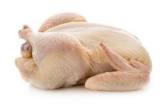
Research -Reducing contamination of carcasses during de-feathering

Watt Poultry USA Campylobacter kswfoodworld

Broiler carcasses are often contaminated with bacteria during feather plucking. Applying an acidic solution could prevent this.


Research – Chicken study probes resistance to Campylobacter

Poultry World

Transplanting gut microbes from chickens that are relatively resistant to Campylobacter bacteria into chickens that are susceptible does not improve resistance, a study by The Roslin Institute at the University of Edinburgh has shown.

Campylobacter is a cause of food poisoning in people and is often found in chickens. In the UK alone, it is estimated that more than half a million people are infected with Campylobacter each year.

Research – Intensive farming increases risk of epidemics

Science Daily

Overuse of antibiotics, high animal numbers and low genetic diversity caused by intensive farming techniques increase the likelihood of pathogens becoming a major public health risk, according to new research led by UK scientists.

An international team of researchers led by the Universities of Bath and Sheffield, investigated the evolution of Campylobacter jejuni, a bacterium carried by cattle which is the leading cause of gastroenteritis in high income countries.

Campylobacter facts:

  • Causes bloody diarrhea in humans
  • Transferred to humans from eating contaminated meat and poultry
  • Although not as dangerous as typhoid, cholera or E.coli, it causes serious illness in patients with underlying health issues and can cause lasting damage.
  • Around 1 in 7 people suffer from an infection at some point in their life
  • Causes three times more cases than E.coli, Salmonella and listeria combined
  • Carried in the faeces of chickens, pigs, cattle and wild animals
  • Campylobacter is estimated to be present in the faeces of 20% cattle worldwide
  • The bug is very resistant to antibiotics due to their use in farming

The researchers, publishing in the journal Proceedings of the National Academy of Sciences, studied the genetic evolution of the pathogen and found that cattle-specific strains of the bacterium emerged at the same time as a dramatic rise in cattle numbers in the 20th Century.

The authors of the study suggest that changes in cattle diet, anatomy and physiology triggered gene transfer between general and cattle-specific strains with significant gene gain and loss. This helped the bacterium to cross the species barrier and infect humans, triggering a major public health problem.

Combine this with the increased movement of animals globally, intensive farming practices have provided the perfect environment in which to spread globally through trade networks.

Professor Sam Sheppard from the Milner Centre for Evolution at the University of Bath, said: “There are an estimated 1.5 billion cattle on Earth, each producing around 30 kg of manure each day; if roughly 20 per cent of these are carrying Campylobacter, that amounts to a huge potential public health risk.

“Over the past few decades, there have been several viruses and pathogenic bacteria that have switched species from wild animals to humans: HIV started in monkeys; H5N1 came from birds; now Covid-19 is suspected to have come from bats.

“Our work shows that environmental change and increased contact with farm animals has caused bacterial infections to cross over to humans too.

“I think this is a wake-up call to be more responsible about farming methods, so we can reduce the risk of outbreaks of problematic pathogens in the future.”

Professor Dave Kelly from the Department of Molecular Biology and Biotechnology at the University of Sheffield said: “Human pathogens carried in animals are an increasing threat and our findings highlight how their adaptability can allow them to switch hosts and exploit intensive farming practices.”

The researchers hope that their study can help scientists predict potential problems in the future so they can be prevented before they turn into another epidemic.


Research – Fusarium: How to assess and manage the risk in cereals

FWI

Protecting crops against the damaging effects of fusarium ear blight is essential in any year, but it could be even more so this season, given the reduced wheat area and strong premiums for milling wheat.

Fusarium and its associated mycotoxins are not just a concern for milling wheat growers, though, as the different forms of the disease can affect yield and quality in all the main cereals: wheat, barley and oats.

As there are legal mycotoxin limits on grain for human consumption, and guidance limits on crops intended for animal feed, it is vital to protect all crops.

Research – Effectiveness and Functional Mechanism of a Multicomponent Sanitizer against Biofilms Formed by Escherichia coli O157:H7 and Five Salmonella Serotypes Prevalent in the Meat Industry

Journal of Food Protection

ABSTRACT

Biofilm formation by Escherichia coli O157:H7 and Salmonella enterica at meat processing plants poses a potential risk of meat product contamination. Many common sanitizers are unable to completely eradicate biofilms formed by these foodborne pathogens because of the three-dimensional biofilm structure and the presence of bacterial extracellular polymeric substances (EPSs). A novel multifaceted approach combining multiple chemical reagents with various functional mechanisms was used to enhance the effectiveness of biofilm control. We tested a multicomponent sanitizer consisting of a quaternary ammonium compound (QAC), hydrogen peroxide, and the accelerator diacetin for its effectiveness in inactivating and removing Escherichia coli O157:H7 and Salmonella enterica biofilms under meat processing conditions. E. coli O157:H7 and Salmonella biofilms on common contact surfaces were treated with 10, 20, or 100% concentrations of the multicomponent sanitizer solution for 10 min, 1 h, or 6 h, and log reductions in biofilm mass were measured. Scanning electron microscopy (SEM) was used to directly observe the effect of sanitizer treatment on biofilm removal and bacterial morphology. After treatment with the multicomponent sanitizer, viable E. coli O157:H7 and Salmonella biofilm cells were below the limit of detection, and the prevalence of both pathogens was low. After treatment with a QAC-based control sanitizer, surviving bacterial cells were countable, and pathogen prevalence was higher. SEM analysis of water-treated control samples revealed the three-dimensional biofilm structure with a strong EPS matrix connecting bacteria and the contact surface. Treatment with 20% multicomponent sanitizer for 10 min significantly reduced biofilm mass and weakened the EPS connection. The majority of the bacterial cells had altered morphology and compromised membrane integrity. Treatment with 100% multicomponent sanitizer for 10 min dissolved the EPS matrix, and no intact biofilm structure was observed; instead, scattered clusters of bacterial aggregates were detected, indicating the loss of cell viability and biofilm removal. These results indicate that the multicomponent sanitizer is effective, even after short exposure with dilute concentrations, against E. coli O157:H7 and S. enterica biofilms.

HIGHLIGHTS
  • No viable biofilm cells were detected after treatment with the multicomponent sanitizer.
  • Prevalence of both pathogens was low after treatment with the multicomponent sanitizer.
  • SEM analysis revealed that treatment dissolved the EPS matrix and destroyed the biofilm.