Archives
-
Join 347 other subscribers
KSWFoodWorld
Blog Stats
- 479,335 Views
Category Archives: Food Microbiology Blog
Research – Nanoparticle Coatings on Glass Surfaces to Prevent Pseudomonas fluorescens AR 11 Biofilm Formation
Microbial colonization of surfaces is a sanitary and industrial issue for many applications, leading to product contamination and human infections. When microorganisms closely interact with a surface, they start to produce an exo-polysaccaridic matrix to adhere to and protect themselves from adverse environmental conditions. This type of structure is called a biofilm. The aim of our work is to investigate novel technologies able to prevent biofilm formation by surface coatings. We coated glass surfaces with melanin-ZnO2, melanin-TiO2, and TiO2 hybrid nanoparticles. The functionalization was performed using cold plasma to activate glass-substrate-coated surfaces, that were characterized by performing water and soybean oil wetting tests. A quantitative characterization of the antibiofilm properties was done using Pseudomonas fluorescens AR 11 as a model organism. Biofilm morphologies were observed using confocal laser scanning microscopy and image analysis techniques were used to obtain quantitative morphological parameters. The results highlight the efficacy of the proposed surface coating to prevent biofilm formation. Melanin-TiO2 proved to be the most efficient among the particles investigated. Our results can be a valuable support for future implementation of the technique proposed here in an extended range of applications that may include further testing on other strains and other support materials.
Research – The Role of Biofilms in the Pathogenesis of Animal Bacterial Infections
Abstract
Biofilms are bacterial aggregates embedded in a self-produced, protective matrix. The biofilm lifestyle offers resilience to external threats such as the immune system, antimicrobials, and other treatments. It is therefore not surprising that biofilms have been observed to be present in a number of bacterial infections. This review describes biofilm-associated bacterial infections in most body systems of husbandry animals, including fish, as well as in sport and companion animals. The biofilms have been observed in the auditory, cardiovascular, central nervous, digestive, integumentary, reproductive, respiratory, urinary, and visual system. A number of potential roles that biofilms can play in disease pathogenesis are also described. Biofilms can induce or regulate local inflammation. For some bacterial species, biofilms appear to facilitate intracellular invasion. Biofilms can also obstruct the healing process by acting as a physical barrier. The long-term protection of bacteria in biofilms can contribute to chronic subclinical infections, Furthermore, a biofilm already present may be used by other pathogens to avoid elimination by the immune system. This review shows the importance of acknowledging the role of biofilms in animal bacterial infections, as this influences both diagnostic procedures and treatment.
Posted in Antibacterial, Antibiotic Resistance, antifungal, antimicrobial resistance, Antimicrobials, Biofilm, Decontamination Microbial, Food Micro Blog, Food Microbiology Blog, microbial contamination, Microbial growth, Microbiological Risk Assessment, Microbiology, Microbiology Investigations, Microbiology Risk
Research IMPERATIVES FOR IMPROVEMENT OF FOOD SAFETY IN FRUIT AND VEGETABLE VALUE CHAINSIN VIET NAM
Key Findings
Production of fruits and vegetables in Viet Nam has been changing, which is driven by consumer preferences, urbanization, demographics, and rising incomes. Yet, they are produced with high usage of chemical fertilizers and pesticides. Consumers, in general, particularly in Ha Noi, buy most of their fruits and vegetables from traditional wet markets. Produce sold in these markets are not certified and not traceable to farms. Many wet markets in Ha Noi suffer from insu ̄cient infrastructure.
Waste management is unhygienic, and there is no clear separation between the areas selling fruits and vegetables and those selling animals and animal products.
Researchers from Vietnam National University of Agriculture (VNUA) collected biological samples of mustard greens, cucumber, and dragon fruit from farms, wholesale markets, and retail markets and analyzed them for Salmonella and Escherichia coli (E. coli) at the Department of Food Processing Technology at VNUA. Their analysis shows that foodborne pathogens are a particular concern for leafy vegetables. About 31% of the mustard greens samples collected from farms had E. coli loads above maximum permissible levels, 67% for samples collected from wholesale markets, and 82% from retail markets.
The increase of pathogenic loads across the value chains—from farm to retail—can be traced from lack of hygienic practices in handling of fruits and vegetables by all players.
Samples of dragon fruit, mustard greens, and cucumber were also analyzed for five commonly used chemical pesticides, two heavy metals, and nitrate. Pesticide residue analysis was performed at the National Institute for Food Control, while the other contaminants were analyzed at the Department of Food Processing Technology at VNUA.
Out the three types of produce sampled, pesticide residue above permissible levels was found only in cucumber. No samples had heavy metals and nitrate concentrations above maximum permissible levels. A banned active ingredient was detected in only one type of produce, mustard greens (in one of 20 samples), and was not found in dragon fruit or cucumber.
Chemical pesticide contamination in fruits and vegetables is a key concern of consumers and other stakeholders.
Foodborne pathogens are generally perceived as a smaller concern because consumers believe they can manage this risk through food preparation methods, which is a misconception as foodborne pathogens are the most important health risks for Vietnamese consumers (World Bank 2016 ).
The Government of Viet Nam has designated particular areas for “safe vegetable production.” These areas currently account for about 40% of Ha Noi’s vegetable area of 12,000 hectares. Vegetable farmers in these areas have been encouraged to form producer cooperatives. The government regularly tests soil and water quality and also tests vegetable produce for pesticide residues once a year. Livestock farming is not allowed in these areas to reduce the risk of cross-contamination.
These actions contribute to improving the food safety of vegetables to some extent. But they do help government agencies to better support smallholder vegetable farmers and monitor the quality of the produce.
Over the past decade, Viet Nam has revised its food safety laws and regulations, and the existing frameworks are mainly in line with international standards (Vu and Anh 2016 ). The country has a National Food Safety Committee, but there is no central food safety agency. Responsibilities are divided over three ministries (agriculture, commerce, and health), which results in some contradictions and confusion in enacting food safety-related regulations and acts among these ministries.
The implementing capacity of government organizations is rather limited. Authorities in charge of food safety seem to remain focused on inspection and control of end products, but not much on preventing contamination in production and marketing processes.
Posted in Food Micro Blog, Food Microbiology, Food Microbiology Blog, Food Microbiology Research, Food Microbiology Testing, Food Safety, Food Safety Alert, Food Safety Management, Food Safety Regulations, food safety training, microbial contamination, Microbial growth, Microbiological Risk Assessment, Microbiology, Microbiology Investigations, Microbiology Risk, Research
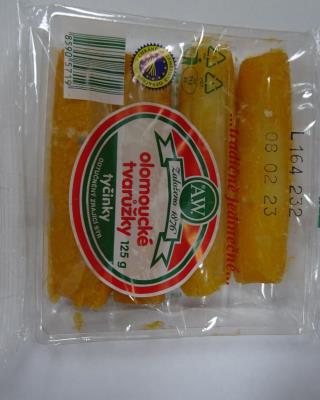
Czech Republic – Olomouc cottage cheese sticks, defatted ripening cheese, 125g – Mold/Mould


Place of inspection:
ID: 13690558
Food group: Milk and milk products / Cheese
Olomouc cottage cheese sticks, defatted ripening cheese, 125g
Category: Dangerous foods
Invalid parameter:
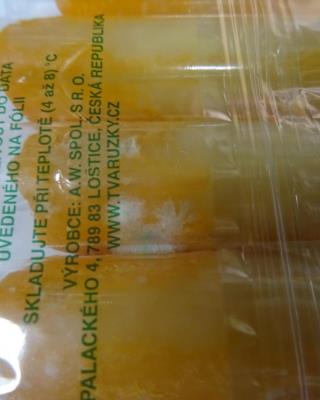
fungi visible to the eye
The appearance of blue-green mold colonies was detected on the surface of the cheese under the packaging.
Food is not considered safe if it shows signs of spoilage.
The food did not have an expired minimum shelf life date, during the inspection no unsatisfactory storage temperatures of this product were found.
| Batch: | L 164 232 |
| Best before date: | 08 02 2023 |
| Quantity of the product in the package: | 0.125 kg |
| Manufacturer: | AW spol.sro, Palackého 4, 789 83 Loštice |
| Date of sample collection: | 30/01/2023 |
| Reference number: | 23-000095-SZPI-CZ |
The sample was detected by the official control of the State Agricultural and Food Inspection.
Posted in food contamination, food handler, Food Hazard, Food Hygiene, Food Inspections, Food Micro Blog, Food Microbiology, Food Microbiology Blog, Food Microbiology Testing, Food Quality, food recall, Food Safety, Food Safety Regulations, Food Spoilage, Food Testing, mold, Mould/Mold, Potravinynapranyri
Ireland – Outbreak of Salmonella Typhimurium on the island of Ireland declared over
An outbreak investigation was launched by HPSC on 22/12/2022 after seven Salmonella Typhimurium isolates were identified as forming a cluster by routine Whole Genome Sequencing (WGS) carried out by the National Salmonella, Shigella and Listeria Reference Laboratory (NSSLRL). The isolates, which were of a less commonly occurring subtype of Salmonella Typhimurium, MLST type ST36, were related to two previous Salmonella Typhimurium isolates (sequenced in the NSSLRL in October 2020 and December 2021) and isolates identified in other European countries since 2020. The source of salmonellosis was not identified for these previous cases. An additional thirteen isolates were added to this cluster following further WGS by the NSSLRL in January 2023, while WGS performed by the Gastrointestinal Bacteria Reference Unit (GBRU) of the UK’s Health Security Agency’s (UKHSA) identified an additional seven cases resident in Northern Ireland and England that fell within the same cluster. In total 27 cases, identified between December 2022 and January 2023, who were resident on or who visited the island of Ireland were investigated as part of this outbreak.
Epidemiological data on outbreak cases were collected in each jurisdiction via national computerised surveillance systems, enhanced surveillance forms and trawling questionnaires. Symptom onset dates for cases ranged between the 30th of November 2022 and the 13th of January 2023, peaking on December 7th. Cases were geographically distributed across multiple areas on the island of Ireland. Fourteen cases were male and thirteen were female. Most cases were adults, ranging in age from 25 to 91 years, and two cases were children (aged <18 years). The median age of cases was 57 years. Forty-one percent (41%) of cases (n=11) were reported to have been hospitalised.[1]
A multi-disciplinary Outbreak Control Team (OCT), chaired by HPSC, was convened in January 2023. This group comprised representatives from HPSC, National Health Protection Service, NSSLRL, Departments of Public Health, the HSE Environmental Health Service, The Food Safety Authority of Ireland (FSAI) and the HSC Public Health Agency of Northern Ireland (PHA) and Food Standards Agency in Northern Ireland (FSA-NI). The OCT met four times during January and February 2023. Enhanced surveillance forms and trawling questionnaires were used to determine food and environmental exposure histories for all cases but no common exposures were identified. Additionally, food business supplier lists were examined and no commonalities were identified. The outbreak was declared over on February 16th 2023 as more than two incubation periods had elapsed without the reporting of new cases associated with this cluster but the source of this outbreak remains unknown.
In January 2023, FSAI instigated a food recall of batches of chicken products due to the detection of Salmonella Typhimurium and the Department of Agriculture, Food and the Marine launched an investigation into the incidence of Salmonella Typhimurium in a number of broiler flocks. There is no microbiological evidence of a link between the cases of salmonellosis investigated as part of this outbreak with the poultry product recall and positive poultry flocks.
Posted in Food Illness, Food Micro Blog, Food Microbiology, Food Microbiology Blog, Food Microbiology Research, Food Microbiology Testing, Foodborne Illness, foodborne outbreak, foodbourne outbreak, Illness, microbial contamination, Microbial growth, Microbiological Risk Assessment, Microbiology, Microbiology Investigations, Microbiology Risk, outbreak, Salmonella, Salmonella in Chicken
USA – Cocktail shrimp sold at Lidl stores recalled after testing finds Listeria monocytogenes
Lidl US is recalling ready-to-eat Tapas branded Cocktail Shrimp by Lidl because of potential Listeria monocytogenes contamination. The recall was issued as a result of routine testing, which revealed that the finished product contained the bacteria.
The product was distributed to all Lidl U.S. store locations. Lidl US has store locations in Delaware, District of Columbia, Georgia, Maryland, New Jersey, New York, North Carolina, Pennsylvania, South Carolina and Virginia.
Recalled product:
- All units of the ready-to-eat Tapas branded Cocktail Shrimp by Lidl
- Packaged in 7 oz. containers
- UPC of 4056489411499.
- All product codes currently on the market are subject to the recall
As of the posting of the companies recalled by the FDA, Lidl US has received no reports or complaints of illness related to this product.
If customers have purchased this product, they should not consume the product, and immediately return it to their nearest Lidl store for a full refund.
Posted in food contamination, food handler, Food Hazard, Food Hygiene, Food Inspections, Food Micro Blog, Food Microbiology, Food Microbiology Blog, Food Microbiology Testing, Food Pathogen, Food Quality, food recall, Food Safety, Food Safety Alert, Food Safety Management, Food Testing, Listeria, Listeria monocytogenes
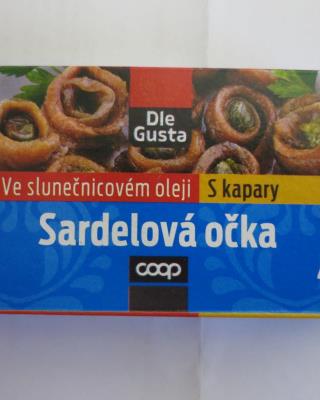
Czech Republic – Anchovy eyes in sunflower oil With capers, 45 g – Histamine

Food group: Fish, aquatic animals / Canned fish and animal products
Anchovy eyes in sunflower oil With capers, 45 g
Category: Dangerous foods
Invalid parameter:
histamine
The legislative limit for histamine content was exceeded in the product. Histamine is a biogenic amine.
Histamine in fish is produced as a result of microbial contamination, a breach of the cooling chain is also a risk factor. Higher histamine content can cause itchy skin and rash, headache or drop in blood pressure.
| Batch: | R08B22 |
| Best before date: | 08/08/2023 |
| Packaging: | Can, paper box, print |
| Quantity of the product in the package: | 45 g |
| Importer: | For the COOP group supplies: BALTAXIA as, U Nisy 604/15 Liberec |
| Country of origin: | Spain |
| Date of sample collection: | 2/12/2022 |
| Reference number: | 23-000061-SZPI-CZ |
The sample was detected by the official control of the State Agricultural and Food Inspection.
Posted in food contamination, food handler, Food Hazard, Food Hygiene, Food Inspections, Food Micro Blog, Food Microbiology, Food Microbiology Blog, Food Microbiology Testing, Food Poisoning, Food Quality, food recall, Food Safety, Food Safety Alert, Food Safety Management, Food Safety Regulations, Food Testing, Food Toxin, Histamine, Potravinynapranyri
Research – Bacterial biofilm reduction by 275 and 455 nm light pulses emitted from light emitting diodes

Biofilm of antibiotic resistant bacteria. Rod-shaped and spherical bacteria. Escherichia coli, Pseudomonas, Mycobacterium tuberculosis, Klebsiella, Staphylococcus aureus, MRSA. 3D illustration
Abstract
Eradication of biofilms from the food contact surfaces is a challenging task, owing to their increased resistance to sanitizers and regular cleaning practices. The treatment with the light pulses emitted from the light emitting diode (LED) is an emerging surface decontamination technology, that can produce the antibiofilm effect by photodynamic inactivation. The objective of this study was to understand the antibiofilm efficacy of the 275 (Ultraviolet-C [UV-C]) and 455 nm (Blue) light pulses emitted from the LEDs against single and dual-species biofilms of Salmonella Typhimurium ATCC13311 and Aeromonas australiensis 03-09 on stainless steel (SS) coupons formed at different time. The biofilm formation by S. Typhimurium was improved when grown with A. australiensis in dual-species culture. Both 275 and 455 nm light pulses showed significant antibiofilm activity against S. Typhimurium and A. australiensis in single and dual-species biofilms. For instance, the 275 nm LED treatment of surfaces of SS coupons with 1.8 J/cm2 dose on each surface, produced reductions of 4.24 and 3.9 log (CFU/cm2) in single (cell attachment) and dual-species biofilms of S. Typhimurium, and reductions of 4.45 and 4.99 log (CFU/cm2) in single and dual-species biofilms of A. australiensis. However, the susceptibility of A. australiensis toward 455 nm LED treatments was influenced by the presence of S. Typhimurium in the dual-species biofilm. The confocal laser scanning microscopy images revealed significant cell membrane damage in the dual-species biofilms by the LED treatments with 275 and 455 nm light pulses. Overall, several factors like surface temperature increase, strains used, treatment dose, treatment time, and incubation period of biofilms influenced the inactivation efficacy of the 275 and 455 nm LED treatments against the biofilms formed on SS coupons. This study provides an insight into the inactivation efficacy of LED light pulses against bacterial biofilms on food grade SS surfaces.
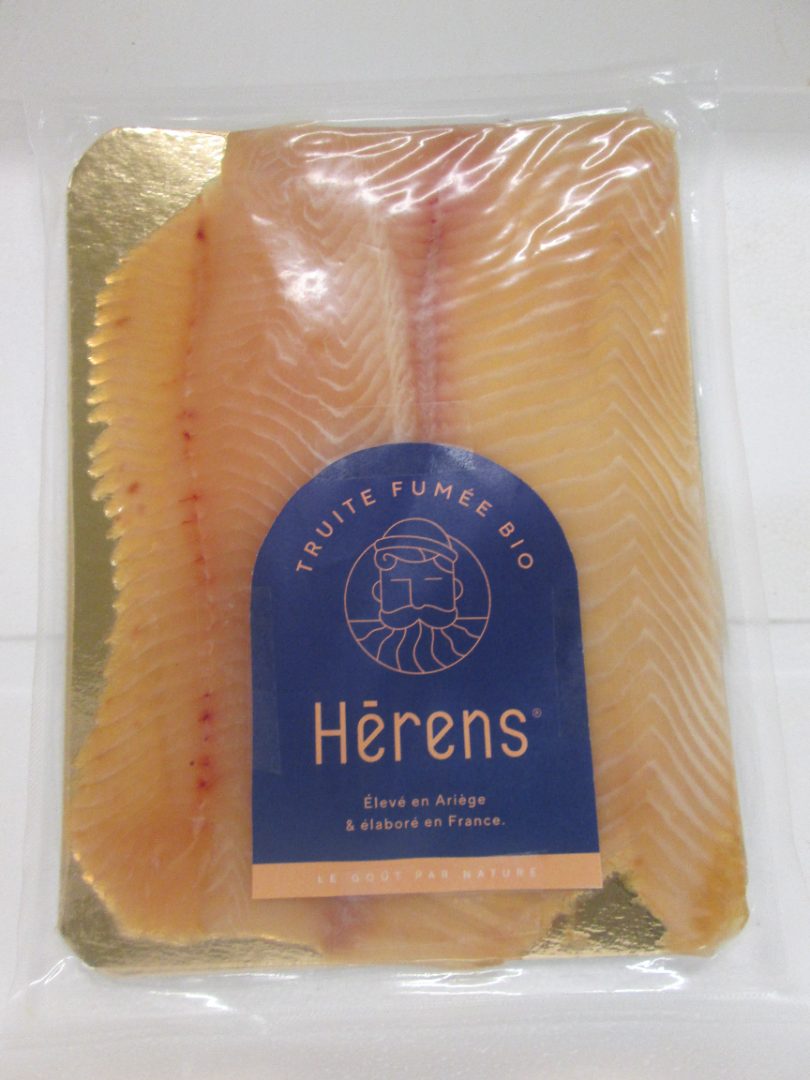
France – Smoked organic trout (bag or sliced) – Listeria monocytogenes

Identification information of the recalled product
- Product category Feed
- Product subcategory Fishery and aquaculture products
- Product brand name Herens and no mark
- Model names or references Sachets of 130g Sliced strip about 400g
- Identification of products
GTIN Lot Date 3760334690021 23024029 Use-by date 02/18/2023 3760048372763 23025014 Use-by date 02/23/2023 3760048920407 23025008 Use-by date between 02/17/2023 and 02/18/2023 - Packaging Plate + vacuum bag
- Marketing start/end date From 01/27/2023 to 01/30/2023
- Storage temperature Product to be stored in the refrigerator
- Health mark FR 49 035 001 CE
- Geographic area of sale Whole France
- Distributors Vitafrais The Cathar Fishponds
Practical information regarding the recall
- Reason for recall Presence of listeria at the DLC of the product
- Risks incurred by the consumer Listeria monocytogenes (causative agent of listeriosis)
Posted in food contamination, food handler, Food Hazard, Food Hygiene, Food Inspections, Food Micro Blog, Food Microbiology, Food Microbiology Blog, Food Microbiology Testing, Food Pathogen, Food Quality, food recall, Food Safety, Food Safety Alert, Food Safety Management, Food Safety Regulations, Food Testing, Listeria, Listeria monocytogenes, Listeria Smoked Fish
USA – Canned Shrimp recalled due to Botulism risk
Kawasho Foods USA Inc. of New York, NY, is voluntarily recalling one lot of canned GEISHA Medium Shrimp 4oz. because of reported swelling, leaking, or bursting cans. There is a possibility that the product has been under processed, which could lead to the potential for spoilage organisms or pathogens.
The Product was distributed to retail stores (Walmart, Associated Food Stores, Stater Bros Markets, Safeway, Albertsons) in California, Utah, Arizona, and Colorado.
The GEISHA Medium Shrimp is packaged in a 4oz. metal can, with UPC 071140003909. The one lot being recalled is LGC12W12E22; BEST BY: MAY/12/2026 and this code appears on the bottom of the product can.
Posted in Clostridium, Clostridium botulinum, Clostridium Sulphite Reducer, food contamination, food handler, Food Hazard, Food Hygiene, Food Inspections, Food Micro Blog, Food Microbiology, Food Microbiology Blog, Food Microbiology Testing, Food Pathogen, Food Poisoning, Food Quality, food recall, Food Safety, Food Safety Alert, Food Safety Management, Food Safety Regulations, food safety training, Food Spoilage, Food Testing, Food Toxin, Pathogen, pathogenic