Abstract


Posted in Campylobacter, campylobacter coli, Campylobacter jejuni, Decontamination Microbial, Food Micro Blog, Food Microbiology, Food Microbiology Blog, Food Microbiology Research, Food Microbiology Testing, microbial contamination, Microbial growth, Microbiological Risk Assessment, Microbiology, Microbiology Investigations, Microbiology Risk
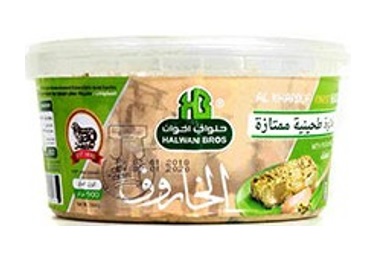
Al Kharouf Halwa
Fadie Food B.V
Fadie Food B.V
salmonella
see attached customer information
Posted in food contamination, food handler, Food Hazard, Food Hygiene, Food Inspections, Food Micro Blog, Food Microbiology, Food Microbiology Blog, Food Microbiology Testing, Food Pathogen, food recall, Food Safety, Food Safety Alert, Food Safety Management, Food Testing, Salmonella Sesame Seeds, Salmonella Tahini

Recall by Intermarché
Product: “Camembert De Normandie” cheese (250g) from the REO brand.
Problem: Possible presence of listeria monocytogenes.
Fromagerie REO has decided to withdraw from sale the raw milk cheese “Camembert De Normandie” (250g) of the REO brand due to the possible presence of listeria monocytogenes.
Product description:
CAMEMBERT DE NORMANDIE “raw milk” product from the REO brand
Expiry date (DDM) 25/07/2023
EAN 3332621044239
Weight 250g
Posted in food contamination, food handler, Food Hazard, Food Hygiene, Food Inspections, Food Micro Blog, Food Microbiology, Food Microbiology Blog, Food Microbiology Testing, Food Pathogen, Food Quality, food recall, Food Safety, Food Safety Alert, Food Safety Management, Food Safety Regulations, Food Testing, Listeria, Listeria France, Listeria in Cheese, Listeria monocytogenes
Jan. 31, 2023 – Conagra Brands, Inc., a Fort Madison, Iowa establishment, is recalling approximately 2,581,816 pounds of canned meat and poultry products due to a packaging defect that may cause the products to become contaminated without showing any outward signs of contamination, the U.S. Department of Agriculture’s Food Safety and Inspection Service (FSIS) announced today.
The meat and poultry products were produced between December 12, 2022, and January 13, 2023. The following products are subject to recall: [view spreadsheet] [view labels].
The products subject to recall bear establishment number “P4247” on the product cans. These items were shipped to retail locations nationwide.
The problem was discovered when the establishment notified FSIS after observing spoiled and/or leaking cans from multiple production dates at the establishment’s warehouse.
Subsequent investigation by the establishment determined that the cans subject to recall may have been damaged in a manner that is not readily apparent to consumers, which may allow foodborne pathogens to enter the cans.
There have been no confirmed reports of adverse reactions due to consumption of these products. Anyone concerned about an injury or illness should contact a healthcare provider.
FSIS is concerned that some product may be on retail shelves or in consumers’ pantries. Consumers who have purchased these products are urged not to consume them.
Posted in Clostridium, Clostridium botulinum, food contamination, food handler, Food Hazard, Food Hygiene, Food Inspections, Food Micro Blog, Food Microbiology, Food Microbiology Blog, Food Microbiology Testing, Food Pathogen, Food Poisoning, Food Quality, food recall, Food Safety, Food Safety Alert, Food Safety Management, Food Safety Regulations, Food Testing, Food Toxin
Almost 250 Salmonella infections in the United Kingdom since the start of 2023 have been linked to travel to Turkey.
The UK Health Security Agency (UKHSA) has shared steps to reduce the risk of common infections when going abroad in summer.
The agency has detected a number of clusters of gastrointestinal illness in people returning from Turkey, the majority of whom had been to the Antalya region. Whole genome sequencing (WGS) has revealed some clusters are related, which indicates a likely common source of infection.
Between mid-January and July 19, there have been 241 confirmed cases of Salmonella Enteritidis, the majority with specimen collection dates from April onward.
Fifty-six percent of cases are male and the median age is 29 years old. Of the 93 cases for which travel information is available, people reported staying in different hotels in Turkey and most ate a variety of foods at their hotel resort as part of an all-inclusive holiday package.
UKHSA issued a warning ahead of the school summer holidays as the source of illness has not been identified. UKHSA, Turkish health authorities and other international public health agencies are involved in ongoing investigations.
Posted in food bourne outbreak, Food Illness, Food Micro Blog, Food Microbiology, Food Microbiology Blog, Food Microbiology Research, Food Microbiology Testing, Foodborne Illness, foodborne outbreak, foodbourne outbreak, Illness, microbial contamination, Microbial growth, Microbiological Risk Assessment, Microbiology, Microbiology Investigations, Microbiology Risk, outbreak, Salmonella
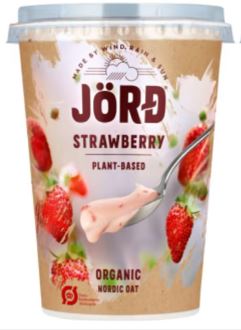
JÖRD International A/S is recalling JÖRD organic acidified oat product with strawberries, as there is a risk of mold in the product. Mold makes the oat product unsuitable as food.
If you have the product, you should discard it or return it to the store where it was purchased.
JÖRD organic acidified oat product with strawberries
Net content: 400g
Production date: June 22, 2023
Best before date: 3 August 2023
Batch no: ES23254001
Posted in food contamination, food handler, Food Hazard, Food Hygiene, Food Micro Blog, Food Microbiology, Food Microbiology Blog, Food Microbiology Research, Food Microbiology Testing, Food Quality, food recall, Food Safety, Food Safety Alert, Food Safety Management, Food Safety Regulations, Food Spoilage, mold, Mould/Mold
High temperatures in summer can quickly damage fresh fruits and vegetables, but they can also accelerate the growth of microorganisms responsible for food poisoning, especially in meat and fish.
As a general rule, meat can NEVER be left out of the fridge for more than 2 hours, but in summer, when temperatures are very high, we must refrigerate as soon as possible. At temperatures of 30ºC, microorganisms multiply rapidly.
If the outside temperature is high, we must think that inside a parked car this temperature is even much higher, so here are some recommendations to keep buying food during the car trip:
Posted in Food Micro Blog, Food Microbiology, Food Microbiology Blog, Food Microbiology Testing, Food Safety, Food Safety Management, Food Safety Regulations, food safety training, microbial contamination, Microbial growth, Microbiological Risk Assessment, Microbiology, Microbiology Investigations, Microbiology Risk

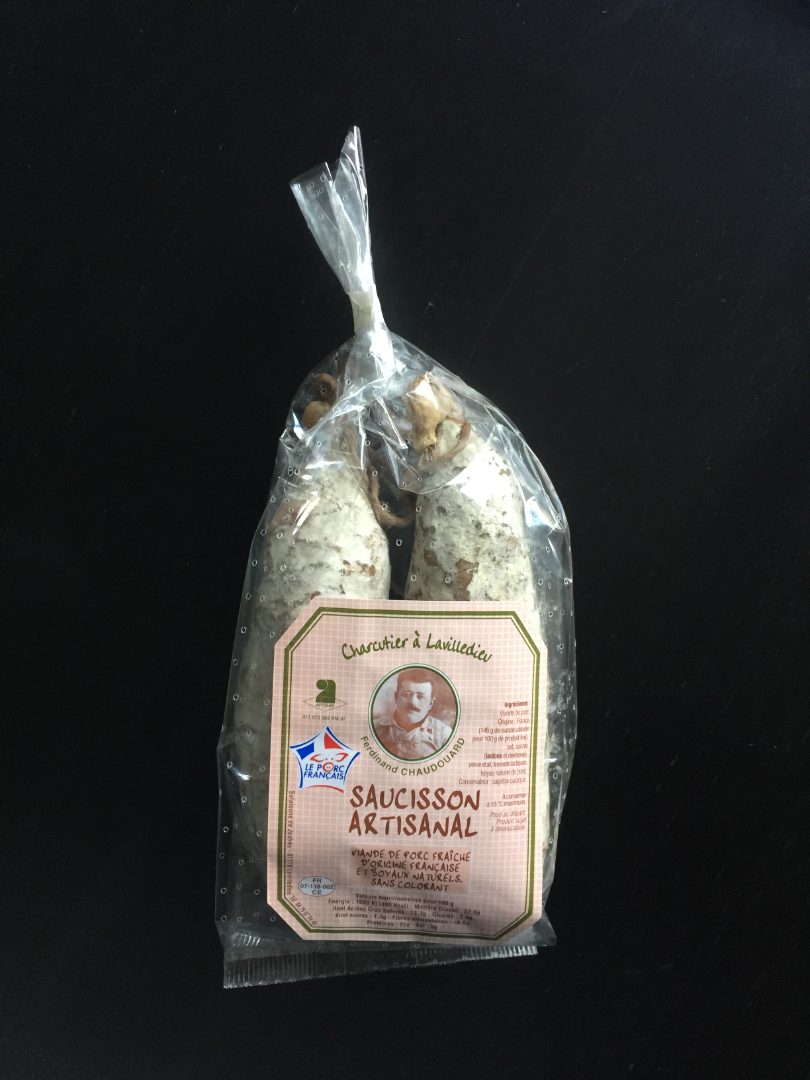
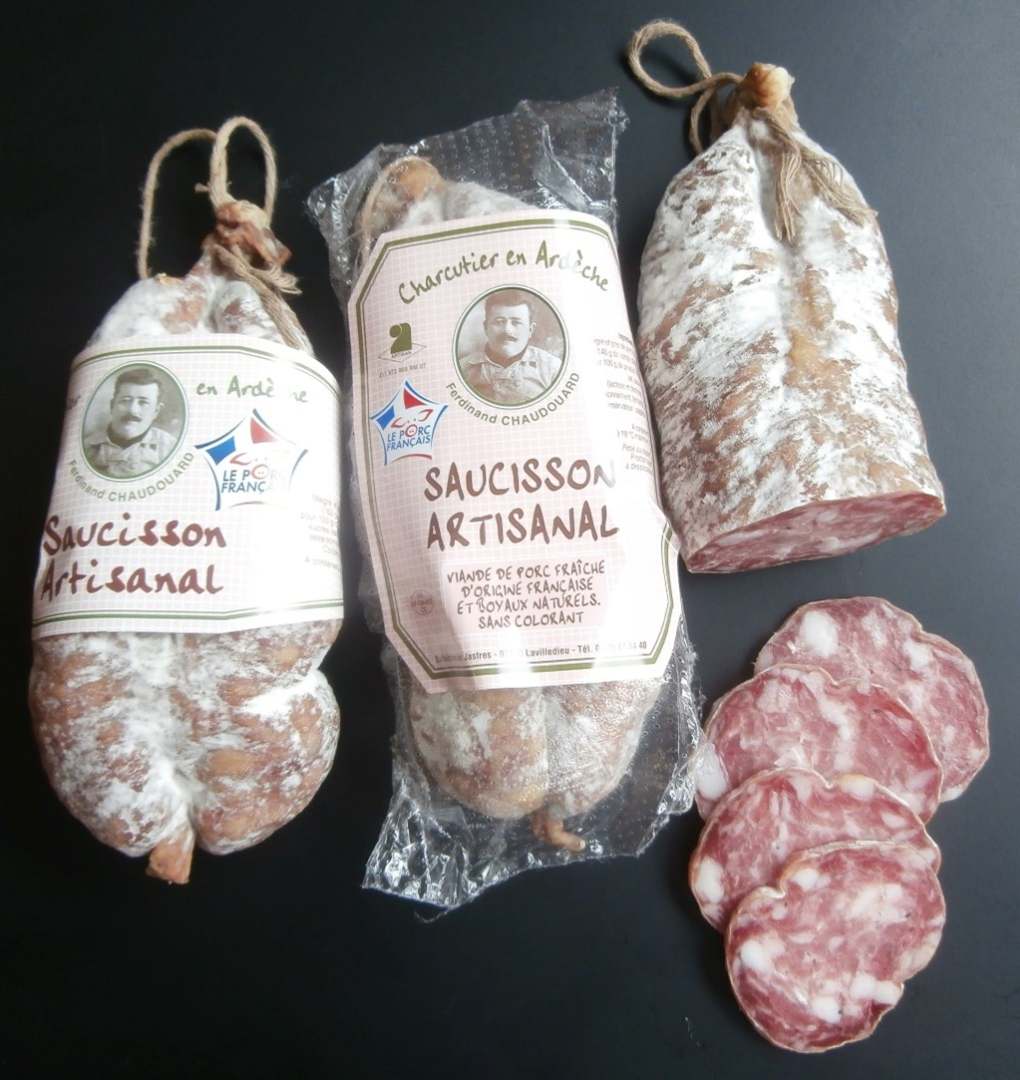
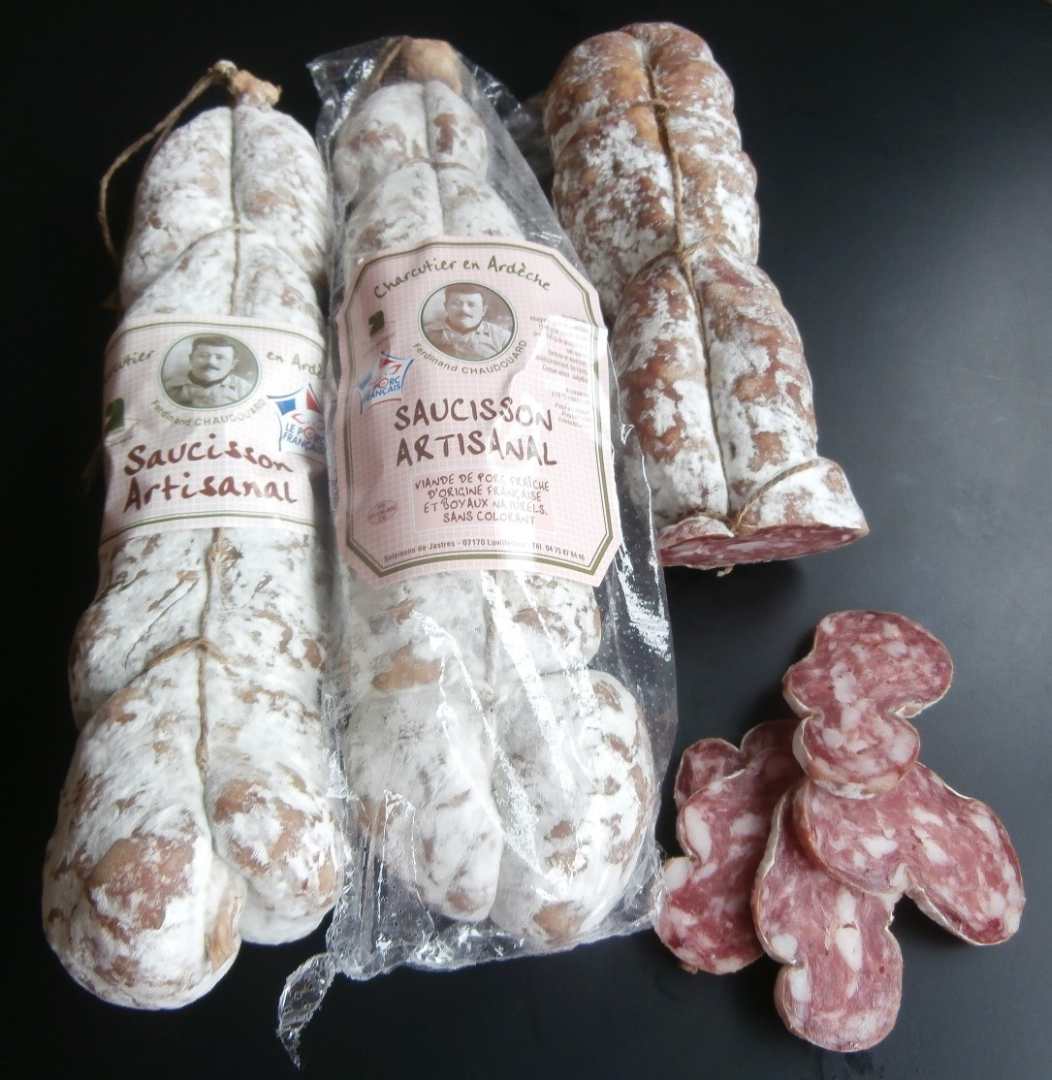
Batch of 2 artisanal sausages from the Ardèche

Traditional Ardèche sausage 300g

Traditional Ardèche cured sausage
Posted in food contamination, food handler, Food Hazard, Food Hygiene, Food Inspections, Food Micro Blog, Food Microbiology, Food Microbiology Blog, Food Microbiology Testing, Food Pathogen, Food Quality, food recall, Food Safety, Food Safety Alert, Food Safety Management, Food Safety Regulations, Food Testing, Listeria, Listeria France, Listeria monocytogenes
Posted in Aspergillus Toxin, food contamination, food handler, Food Hazard, Food Hygiene, Food Inspections, Food Micro Blog, Food Microbiology, Food Microbiology Blog, Food Microbiology Testing, Food Poisoning, Food Quality, food recall, Food Safety, Food Safety Alert, Food Safety Management, Food Safety Regulations, Food Testing, Food Toxin, Mold Toxin, Mould Toxin, Mycotoxin, Ochratoxin, Ochratoxin A

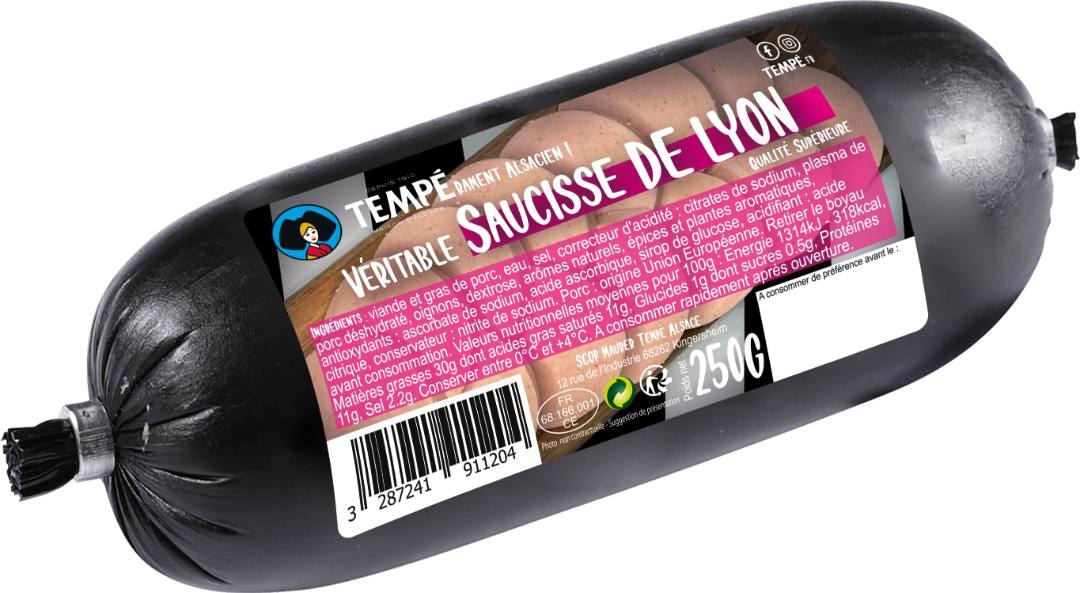
Genuine Lyon sausage from Alsace 250g

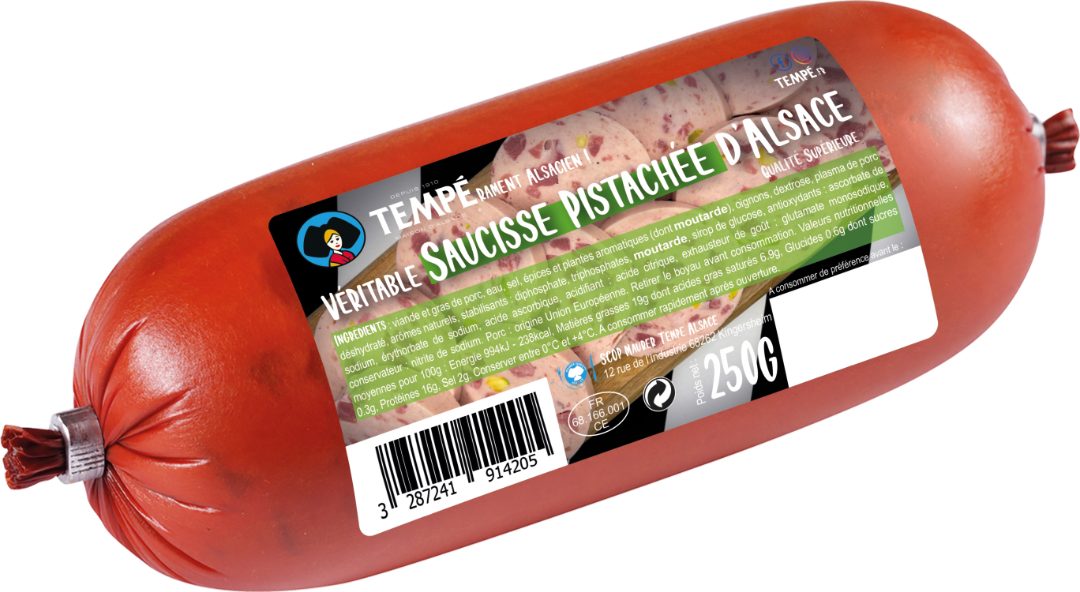
Real pistachio sausage from Alsace

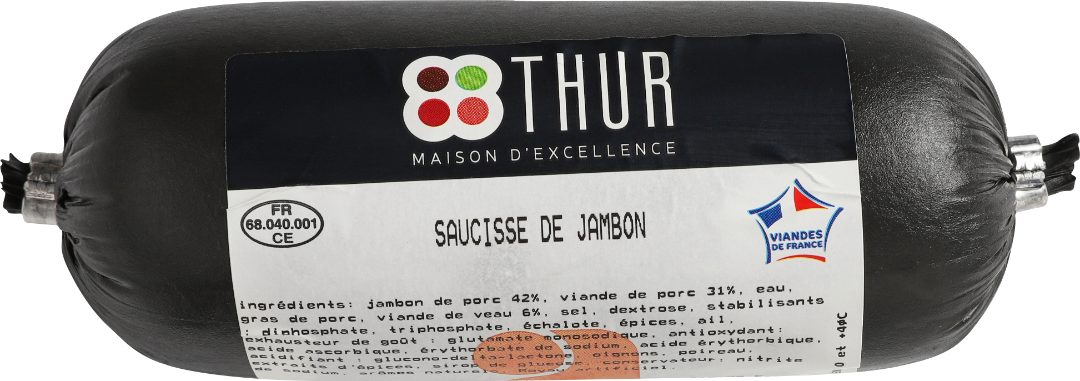
ham sausage
Posted in bacterial contamination, cross contamination, food contamination, food handler, Food Hazard, Food Hygiene, Food Inspections, Food Micro Blog, Food Microbiology, Food Microbiology Blog, Food Quality, food recall, Food Safety, Food Safety Alert, Food Safety Management, Food Safety Regulations, Food Testing, microbial contamination