Category Archives: Food Inspections

India – 50 Fall Sick Due To Food Poisoning In Madhya Pradesh, 5 Serious

NDTV

Gwalior: 

In a case of food poisoning, at least 50 people, including women and children, fell sick after eating food served at a feast in a village in Madhya Pradesh’s Gwalior district, an official said on Sunday.

The condition of five of them is serious and they are shifted to the Gajra Raja Medical College (GRMC) and Hospital here after receiving initial treatment at the Morar Hospital in the Gwalior district, he said.

The incident occurred in Damora village on Saturday evening.

USA- Bean Sprouts and Soy Sprouts recalled due to Listeria monocytogenes

Food Poison Journal

The purpose of this announcement is to advise you that Fullei Fresh is voluntarily recalling Bean Sprouts and Soy Sprouts as a precaution due to possible exposure to listeria monocytogenes. Affected lots are numbered consecutively between 251 and 271. They were harvested and shipped to distributors between September 14 and October 5, 2021. Both conventional and organic bean sprouts as well as soy sprouts are voluntarily recalled. No other products are affected at this time as they are grown and packed in segregated departments.

Majorca – Food poisoning at wedding reception costs restaurant thousands

Majorca Daily Bulletin

A Mallorcan restaurant has been ordered to give a couple a refund for their wedding reception and pay them compensation after a third of the guests got food poisoning.

The wedding took place in September 2016, but in the days after the reception, 52 guests went to the doctor with gastric symptoms.

The restaurateur claimed the food was analysed and found to be in good condition, but the court ruled that there was no other explanation for so many guests getting sick.

The couple will receive a total of 14,000 euros, which includes the full amount for the reception plus 2,500 euros

USA – Restaurant-related Hepatitis A outbreak doubles in size; more illnesses likely

Food Safety News

The case count in a hepatitis A outbreak linked to restaurants in Virginia has doubled. At least 30 people are now infected with the virus, which can cause life-threatening liver infections.

Health officials said the window for symptoms to appear is ongoing, so they may continue to hear of new cases for at least a few more weeks, according to the Roanoke Times. It can take up to 50 days after exposure to the virus for symptoms to begin, according to the U.S. Centers for Disease Control and Prevention.

At least three of the patients have been admitted to hospitals.

The infected people ate at three Famous Anthony’s restaurants, according to the Virginia Department of Health. Cynthia Morrow from the Roanoke City and Alleghany Health Districts provided an update on the outbreak recently.

USA – Nick’s Famous Bar-B-Q Recalls Ready-To-Eat Pork Products Due to Possible Listeria Contamination

FSIS USDA

Click to access 036-2021-label.pdf

WASHINGTON, Oct. 8, 2021 – Nick’s Famous Bar-B-Q, a Nashville, Tenn., establishment, is recalling approximately 3,140 pounds of ready-to-eat (RTE) smoked pork barbecue products that may be adulterated with Listeria monocytogenes, the U.S. Department of Agriculture’s Food Safety and Inspection Service (FSIS) announced today.

The frozen RTE hickory smoked pork barbecue products were produced on September 7, 2021 and September 8, 2021 and packaged on September 8, 2021. The following products are subject to recall [view the label here]:

  • 20-lb. boxes of “Nick’s FAMOUS Hickory Smoked Pork Bar-B-Q” with a case code of 23452 and a use by date of 09/2022.

The products subject to recall bear establishment number “EST. 17863” inside the USDA mark of inspection. These items were distributed to institutions, including school locations in North Carolina. While the product was distributed to schools, it resulted from a commercial sale and was not part of food provided by the USDA for the National School Lunch Program.

The problem was discovered by FSIS during an assessment of the establishment’s production records.

There have been no confirmed reports of adverse reactions due to consumption of these products. Anyone concerned about an injury or illness should contact a healthcare provider.

Consumption of food contaminated with L. monocytogenes can cause listeriosis, a serious infection that primarily affects older adults, persons with weakened immune systems, and pregnant women and their newborns. Less commonly, persons outside these risk groups are affected.

FSIS is concerned that some product may be in institutions’ freezers. These products should be thrown away or returned to the place of purchase.

USA – Outbreak Investigation of Salmonella Thompson – Seafood (October 2021) – Do not eat, sell, or serve recalled seafood sold in Colorado

FDA

The FDA, along with CDC and state and local partners, are investigating a multistate outbreak of Salmonella Thompson infections linked to seafood manufactured or processed by Northeast Seafood Products, Inc. of Denver, CO. According to CDC, the majority of sick people are either Colorado residents or reported traveling to Colorado during the week they got sick. Only two people did not report traveling to Colorado during the week they got sick.

CDC’s analysis of epidemiological information indicates that seafood is the leading hypothesis for the cause of illnesses linked to this outbreak. FDA’s traceback investigation identified Northeast Seafood Products, Inc. as a common distributor among illness subclusters. As part of this outbreak investigation, environmental samples were collected from Northeast Seafood Products, Inc. On 10/7/2021, environmental samples collected from Northeast Seafood Products, Inc. were reported positive for Salmonella Thompson and were determined to be a match to the outbreak strain through whole genome sequencing.

On 10/8/2021, Northeast Seafood Products, Inc. recalled Haddock, Monkfish, Bone-in Trout, Grouper, Red Snapper, Red Rock Cod, Ocean Perch, Pacific Cod, Halibut, Coho Salmon, Atlantic Salmon Portions, Lane Snapper, Tilapia, All Natural Salmon Fillet, Pacific Sole, and Farm Raised Striped Bass. These products were sold to restaurant and Albertsons, Safeway, and Sprouts supermarkets in Colorado.  The Pacific Cod sold through Sprouts is not being recalled. A full list of recalled products is available on FDA’s website. At this time, Northeast Seafood Products, Inc. has temporarily shut down production.

Recommendation

Consumers, restaurants, and retailers should not eat, sell, or serve any recalled seafood. FDA recommends that anyone who might have purchased or received recalled product, check their refrigerators and freezers and throw away recalled product.

A full list of recalled products is available on FDA’s website.


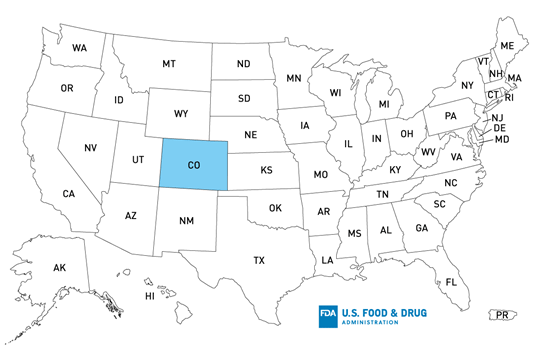
Map of U.S. Distribution of Recalled Northeast Seafood Products

 Outbreak Investigation of Salmonella Thompson – Seafood - Map of U.S. Distribution of Recalled Products (October 8, 2021)

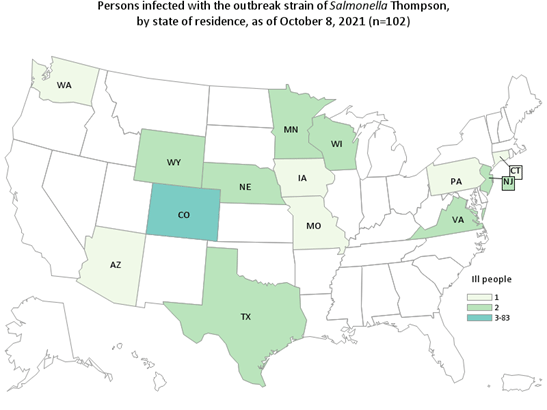
Case Count Map Provided by CDC

Outbreak Investigation of Salmonella Thompson – Seafood - CDC Case Count Map (October 8, 2021)

Case Counts

Total Illnesses: 102
Hospitalizations: 19
Deaths: 0
Last Illness Onset: September 7, 2021
States with Cases: AZ (1), CO (82), CT (1), IA (1), MN (2), MO (1), NE (2), NJ (2), PA (1), TX (2), VA (2), WA (2), WI (2), WY (2)
Product Distribution*: CO
*States with confirmed distribution; product could have been distributed further

France- Box of 6 organic eggs & loose eggs code 0FREOU01 – Salmonella

Gov france

Identifying information for the recalled product

  • Product category Food
  • Product sub-category Eggs and egg products
  • Product brand name Coteaux de la Saâne
  • Names of models or references Egg code: 0FREOU01
  • Product identification
    Lot Dated
    Box 6 eggs & bulk Recommended consumption date 10/30/2021
    Box 6 eggs & bulk Recommended consumption date 11/01/2021
  • Products List Product_list.pdf Enclosed
  • Packaging Box of 6 bulk eggs
  • Start date / End of marketing From 05/10/2021 to 07/10/2021
  • Storage temperature Product to be stored in the refrigerator
  • Geographical sales area Regions: Île-de-France,, Normandy
  • Distributors Bruel / Café de la Gare / Coccinelle / Auchan Luneray / Rapid Market / EpiService / Café de la Place / Viveco / Lycée Pablo Neruda / Les Saveurs d’Eric / Alexandre Clet / Super U Yerville / E. Leclerc Yvetot / U Express Yvetot / Valley grocery store
  • List of points of sale Reminder_list.pdf

Practical information regarding the recall

  • Reason for recall Positive Salmonella analysis in a livestock building
  • Risks incurred by the consumer Salmonella spp (causative agent of salmonellosis)
    Intoxication

Germany – Rewe organic 6 herbs – STEC E.coli

LMW

Warning type: Food
Date of first publication: 08/10/2021
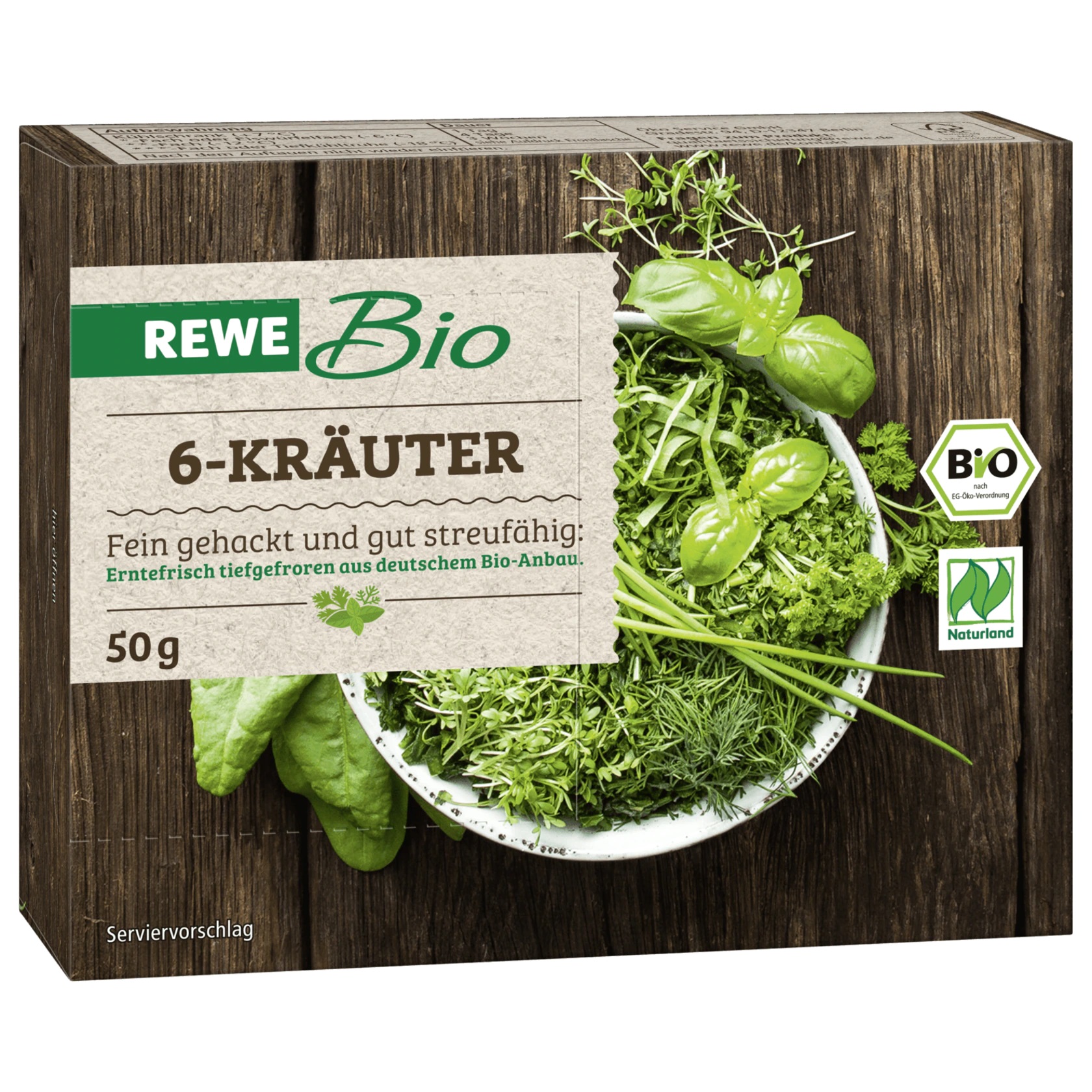
Product name: Rewe organic 6 herbs
Product pictures:

0184647-O1540 REWE organic 6-herb packshot.jpg

REWE GmbH

Manufacturer (distributor):

Öko Service GmbH, Auf dem Kleie 2, 49176 Hilter a. TW

Reason for warning:

Detection of Vero- / Shiga toxin-producing Escherichia coli (VTEC / STEC)

Packaging Unit: 50 g
Durability: Best before 07.2022
Lot identification: L1189F33; EAN 4388844006539
Additional Information:

According to BfR Opinion No. 009/2018 of April 19, 2018, all VTEC / STEC are to be regarded as potential enterohaemorrhagic Escherichia coli (EHEC).
Enterohaemorrhagic Escherichia coli (EHEC) are among the most important food-associated enteritis pathogens. In addition to gastrointestinal symptoms that occur after an incubation period of 1 – 8 days, EHEC can also cause post-infectious syndromes such as B. cause hemolytic uremic syndrome (HUS).

Homepage of the manufacturer:

Contact to the responsible authorities:

Baden-Württemberg:poststelle@mlr.bwl.de

Bavaria:poststelle@lgl.bayern.de
Brandenburg:Konsumenterschutz@Msgiv.Brandenburg.de
Hamburg:poststelle@justiz.hamburg.de
Hesse:Schnellwarnung@rpda.hessen.de
Lower Saxony:poststelle@ml.niedersachsen.de
North Rhine-Westphalia:poststelle@mulnv.nrw.de
Saarland:poststelle-luv@lav.saarland.de
Saxony:poststelle@sms.sachsen.de
Thuringia:LM-Ueberendung@tlv.thueringen.de

Research – An Analysis of Tuna Recalls in the United States, 2002 through 2020

Journal of Food Protection

This manuscript reviews 18 years of voluntary recalls for commercially sold tuna in the United States. This recall information is a valuable indicator of the failure to implement procedures for food safety. The voluntary recalls involve fresh, frozen, processed, hermetically sealed and retorted in a shelf stable pack (i.e., canned tuna), and formulated into other tuna products. The FDA regulations that regulate the capture, processing, transportation, and sale of raw and processed seafood are discussed. These regulations include the current Good Manufacturing Practices, the Food Modernization Act, the Emergency Permit Control, Low Acid Canned Foods, the Seafood Hazard Analysis and Critical Control Points, Food Labeling, and Sanitary Food Transportation. The importance of traceability and Food Safety Culture to successfully prevent or implement recalls is also discussed. The recalls themselves were separated into product treatment groups: uncooked, canned shelf-stable items, and using tuna as an ingredient. The recalls were further categorized and summarized by reason or cause, such as biological and chemical contamination, undeclared ingredients, under-processing, and foreign materials. The primary causes of recalls of the reviewed tuna products were, in order, Listeria monocytogenes , undeclared allergens, elevated histamine levels, and under-processing of retorted tuna items. The recalls for elevated levels of histamine primarily occurred in uncooked (raw) tuna. Recalls for Listeria sp. and undeclared allergens were considered to be primarily Class I recalls, while recalls for elevated levels of histamine and under-processing were almost always assigned to the less serious Class II designation.

Research – Detection of Escherichia albertii in retail oysters

Journal of Food Protection

Escherichia albertii  is an emerging foodborne pathogen. Owing to its distribution in river water,  it is important to determine the presence of  E. albertii  in aquaculture-related foods. In this study, we investigated the distribution of  E. albertii  in retail oyster samples.  A total of  427 raw oyster samples (385 Pacific oysters, and 42 Japanese rock oysters) were enriched in  modified Escherichia coli  broth (mEC) or mEC supplemented with novobiocin (NmEC) at 42 °C. The cultures were used for  E. albertii -specific nested PCR assay, as well as for  E. albertii  isolation using  deoxycholate hydrogen sulfide lactose agar  (DHL), DHL supplemented with rhamnose and xylose (RX-DHL), and MacConkey agar supplemented with rhamnose and xylose (RX-MAC). The population of  E. albertii  in nested PCR-positive samples was  determined using the  most probable number  (MPN) method.  E. albertii  isolates were subjected to biochemical and genetic characterization.  E. albertii   was detected in 5 of 315 (1.6%) Pacific oyster samples  (one piece each), 2 of 70 (2.9 %)  Pacific oyster samples  (25 g each), and 2 of 42 (4.8 %) Japanese rock oyster samples  procured from four geographically distant regions. A total of 64  E. albertii  strains were isolated from eight of the nine nested PCR assay-positive oyster samples, and  the MPN value was under the detection limit (< 3 MPN/10 g).  A specific season or month for detecting  E. albertii  was not observed in this study, suggesting that the pathogen is present in seawater.   All the  E. albertii  isolates, except one, were positive for the virulence factor  eae,  indicating that these isolates have  the potential to infect humans.