Alison Johnson, managing director at Food Forensics, discusses the use of irradiation in the fight against salmonella, campylobacter and E.coli.
KSWFoodWorld

Alison Johnson, managing director at Food Forensics, discusses the use of irradiation in the fight against salmonella, campylobacter and E.coli.
St. John Creamery raw goat milk is being voluntarily recalled for possible E. coli contamination in Washington state. The same product was recalled in September 2021 for possible Listeria monocytogenes contamination. No known illnesses are associated with the consumption of this recalled goat milk at this time.
The recalled product is St. John Creamery raw goat milk that is bottled in half-gallon and one-pint containers. It was sold at the dairy’s on farm store, directly to private customers in drop groups, and at retail stores in western Washington state. The milk has best by dates through 110521 (November 5, 2021)
Posted in E.coli, escherichia coli, food contamination, food handler, Food Hazard, Food Hygiene, Food Inspections, Food Micro Blog, Food Microbiology, Food Microbiology Blog, Food Microbiology Testing, Food Pathogen, Food Poisoning, food recall, Food Safety, Food Safety Alert, Food Testing, Food Toxin, Raw Milk
Recall of Colruyt
Products: Boni Selection & Everyday brand ham.
Problem: presence of Listeria monocytogenes.
Colruyt and OKay recall the defatted ham ( 200 g and 500 g) and the ham on the bone (200 g) Boni Selection, as well as the ham on the bone Meesterlyck (300 g) Everyday .
During an internal control, the presence of Listeria monocytogenes was observed in the products gluten-free defatted ham ( 200 g and 500 g) and gluten-free ham on the bone (200 g) Boni Selection, as well as ham with Meesterlyck bone (300 g) Everyday .
In consultation with the AFSCA, Colruyt and OKay have therefore decided to withdraw the products concerned from sale.
Customers who have purchased these products are advised not to consume them and to bring them back to the store, where they will be reimbursed. In the meantime, all stores have removed the affected products from the shelves.
Possible symptoms of Listeria monocytogenes poisoning
Listeria monocytogenes infection can be dangerous for young children, pregnant women (risk of miscarriage), immunocompromised people and the elderly. Possible symptoms of Listeria monocytogenes poisoning include nausea and vomiting, abdominal cramps, diarrhea or constipation, headache and persistent fever (feeling like the flu). These symptoms usually appear 2 to 60 days after taking Listeria monocytogenes.
People who have consumed these products and who present this type of symptoms are invited to consult their doctor, notifying him of this consumption.

Product description:
Boni Selection gluten-free defatted ham 500 g Use-by
date (BBD): 11/11/2021
Sales period: from 10/22/2021 to 10/28/2021 inclusive
Item number: 27244 Defatted

Ham gluten free Boni Selection 200 g Best before
date (BBD): 12-13 /
11/2021 Sales period: from 22/10/2021 to 2/11/2021 inclusive
Item number: 27240

Ham on the bone without gluten Boni Selection 200 g Use-by
date (BBD): 11/11/2021
Sales period: from 10/21/2021 to 11/2/2021 inclusive
Item number: 27770

Ham on the bone Meesterlyck Everyday 300 g Best before
date (BBD): 12/11/2021
Sale period: from 22/10/2021 to 2/11/2021 inclusive
Item number: 27353
These products have been offered on sale in the following stores:
Collect & Go, Colruyt Belgium and OKay.
For more information, customers can contact Colruyt Group Customer Service on 0800 99 124.
Contact person for journalists
Colruyt Group Press Service
Tel. : 0473 92 45 10
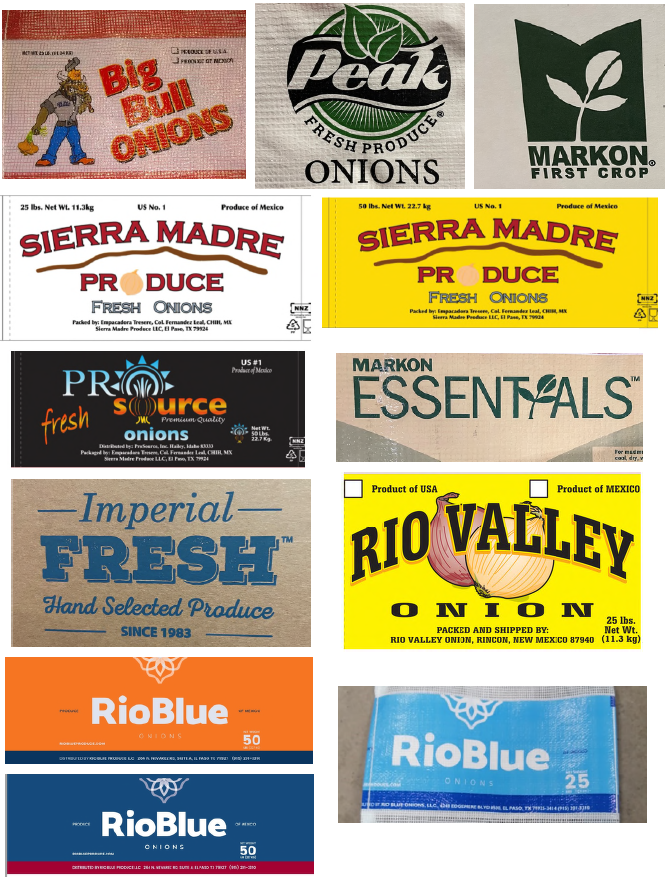
The FDA, along with CDC and state and local partners, is investigating a multistate outbreak of Salmonella Oranienburg infections linked to whole, fresh onions. FDA’s traceback investigation is ongoing but has identified ProSource Produce, LLC (also known as ProSource Inc.) of Hailey, Idaho, and Keeler Family Farms of Deming, New Mexico, as suppliers of potentially contaminated whole, fresh onions imported from the State of Chihuahua, Mexico.
On October 29, 2021, the FDA published a list of retail establishments that received product recalled by ProSource Produce LLC. This list represents the best information currently available to the FDA; however, it may not include all retail establishments that have received the recalled product or may include retail establishments that did not actually receive the recalled product. It is important that you use the product-specific information, available on the ProSource Produce LLC recall announcement, in addition to this list of retail stores, when you check the food you have to see if it has been recalled.
FDA’s investigation is ongoing to determine the source of contamination and if additional products or firms are linked to illness. Additional information will be provided as it becomes available.
Advice for restaurants, retailers and consumers: Do not eat, sell or serve recalled onions, or products containing recalled onions. All recalled onions were supplied by ProSource Produce LLC and Keeler Family Farms and imported from the State of Chihuahua, Mexico between July 1, 2021 and August 31, 2021. FDA has posted a list of additional recalls being conducted by companies that may have received recalled onions from ProSource Produce LLC and Keeler Family Farms. This list includes recalls conducted by companies that further processed the onions by using them as ingredients in new products or by repackaging them. If you cannot tell if your onions were recalled, do not eat, sell, or serve them and throw them out.
Onions may last up to three months if stored in a cool, dry place. Restaurants, retailers, and consumers who suspect having purchased such onions may still have them in storage and should not eat, sell, or serve them, and should throw them out.
FDA recommends that anyone who received or suspects having received recalled onions use extra vigilance in cleaning and sanitizing any surfaces and containers that may have come in contact with these products to reduce the risk of cross-contamination. This includes cleaning and sanitizing cutting boards, slicers, countertops, refrigerators, displays, and storage bins.
Suppliers and Distributors: Do not use, ship, or sell recalled onions. Suppliers and distributors that repackage raw onions should clean, rinse, sanitize, and air dry any surfaces and storage areas that may have come into contact with these products. Farms and firms within the supply chain of recalled onions, including shippers, distribution centers, retailers and restaurants, should immediately clean and sanitize all food contact surfaces and non-food contact surfaces of equipment and tools that the onions may have touched or that may have become contaminated, including refrigerators, counter tops, storage shelving, trucks or other transportation carriers, etc. If there has been potential cross contamination or mixing of onions from other sources with these products, suppliers and distributors should discard all comingled and potentially cross-contaminated product.
FDA published a list of retail establishments that received product recalled by ProSource Produce LLC. This list represents the best information currently available to the FDA; however, it may not include all retail establishments that have received the recalled product or may include retail establishments that did not actually receive the recalled product. It is important that you use the product-specific information, available on the ProSource Produce LLC recall announcement, in addition to this list of retail stores, when you check the food you have to see if it has been recalled.
FDA has posted a list of additional recalls being conducted by companies that may have received recall onions from ProSource Produce LLC and Keeler Family Farms. This list includes recalls conducted by companies that further processed the onions by using them as ingredients in new products or by repackaging them.
ProSource Produce LLC has voluntarily recalled red, yellow, and white onions imported from the State of Chihuahua, Mexico, with import dates from July 1, 2021, through August 31, 2021. Additional descriptors used for these onion types may include, but are not limited to, jumbo, colossal, medium, summer and sweet onions. Additional recall information will be made public as soon as it is available from ProSource Inc.
The onions were distributed to wholesalers, broadline foodservice customers, and retail or grocery stores in:
And by the following distributors and/or under the following brands:
Keeler Family Farms has recalled red, yellow, and white whole, fresh onions imported from the State of Chihuahua, Mexico, with import dates from July 1, 2021, through August 25, 2021. The onions were distributed in 25lb and 50lb mesh sacks. They contain a label that is marked as “MVP (product of MX)”.
Additional details regarding the recalled products are available on the Keeler Family Farms recall announcement.
Recalls have also been initiated by companies that sold recalled onions or products containing the recalled onions.
Posted in FDA, food bourne outbreak, food contamination, food handler, Food Hazard, Food Hygiene, Food Illness, Food Inspections, Food Micro Blog, Food Microbiology, Food Microbiology Blog, Food Microbiology Testing, Food Pathogen, food recall, Food Safety, Food Safety Alert, Food Testing, Foodborne Illness, foodborne outbreak, foodbourne outbreak, Illness, outbreak, Salmonella, Salmonella in Onions

| GTIN | Lot | Dated |
|---|---|---|
| 0000000000 | Products sold between 10/22 and 10/23 inclusive | Use-by date 10/24/2021 |
Posted in Bacillus, Bacillus cereus, food contamination, Food Hazard, Food Hygiene, Food Inspections, Food Micro Blog, Food Microbiology, Food Microbiology Research, Food Microbiology Testing, Food Pathogen, Food Poisoning, food recall, Food Safety, Food Safety Alert, Food Testing, Food Toxin, Uncategorized
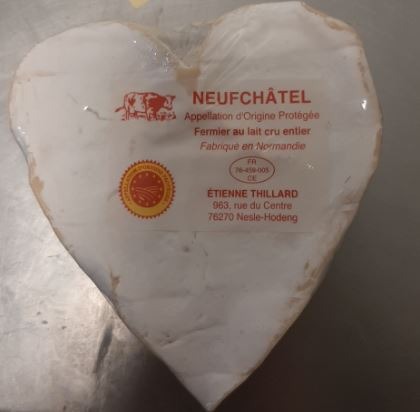
| GTIN | Lot | Dated |
|---|---|---|
| 3482527602009 | 2562910 | Use-by date 10/29/2021 |
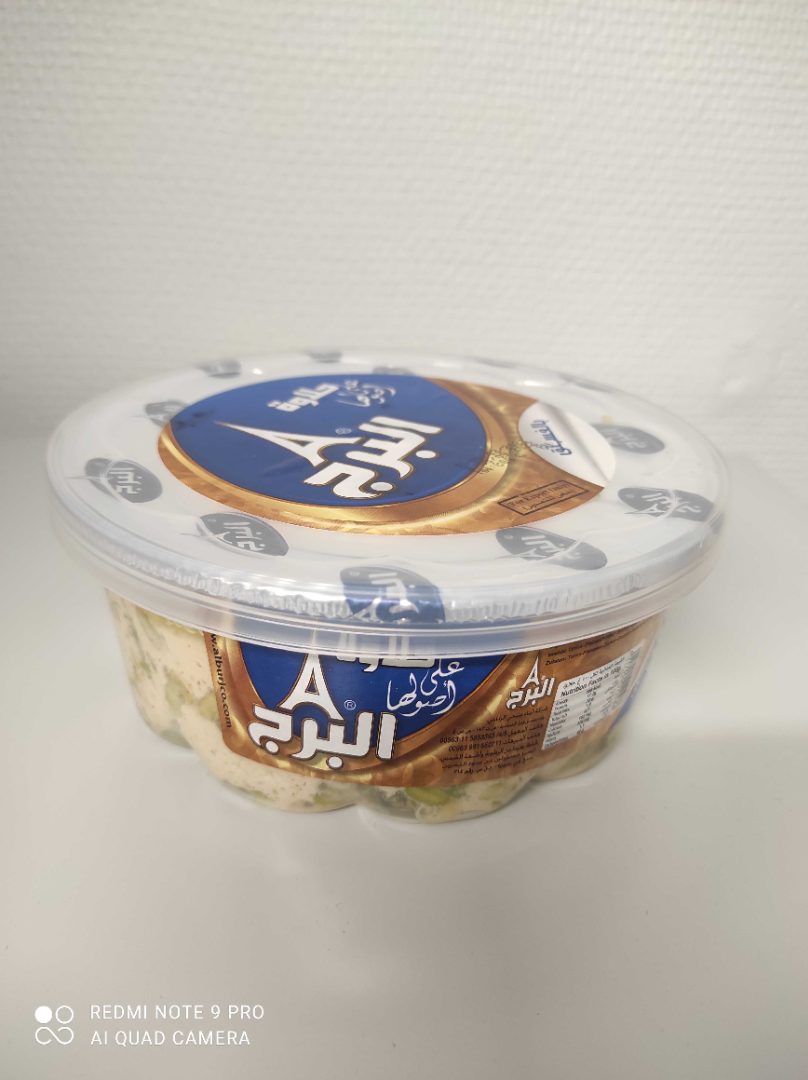
| GTIN | Lot | Dated |
|---|---|---|
| 6217000020486 | All lots | Date of minimum durability 07/09/2022 |
| 6217000020493 | All lots | Date of minimum durability 07/31/2022 |
Dust represents an understudied vehicle for microbial dispersal and produce contamination by pathogens. Dust deposition onto crops during cultivation is inevitable as plant surfaces serve as a major aerosol sink and dust can serve as a vehicle for bacteria. Wind-driven distribution of dust in agricultural environments can also impact food safety when the sources of dust include particles from natural and human-related reservoirs of pathogens. While the populations of enteric pathogens in water is frequently determined and the microbiological quality of soils are monitored, the evaluation of dust and soil-borne particulates is rarely conducted. This study proposes the following: 1). To evaluate the role of dust in transferring foodborne pathogens to produce surfaces grown in eastern and western regions of the US, 2). To determine the role of humidity in the deposition of dust on produce and the survival of pathogens in dust, and 3). To test dust particulates from animal operations in both regions for the presence of biomarkers indicative of fecal contamination and potentially the presence of pathogens. This study will enhance our understanding of pathogen transport from feces into and through produce fields and will quantify the risk associated with contamination from dust under varying environmental/atmospheric conditions.
Technical Abstract
Dust, broadly defined as fine particulate matter resulting from wind erosion on land surfaces and suspended in the air, is an inseparable component of the atmosphere. Dust represents an understudied vehicle for microbial dispersal in agricultural environments and produce contamination by microorganisms pathogenic to humans. Dust not only affects biological processes in plants, such as stomatal gas exchange, but also the plant surface microbiome. Dust deposition onto crops during field cultivation is inevitable as plant surfaces serve as a major aerosol sink. Studies have indicated that dust can serve as a vehicle for bacteria. Wind-driven distribution of dust in agricultural environments could also impact food safety when the sources of dust include particles from natural (soil, decaying vegetation, feral/wild animal droppings) and human-related (manure-amended soils, silage, municipal sewage-based biosolids, composting, and animal production facilities) reservoirs of human pathogens. While the populations of enteric pathogens in water is frequently determined through periodic testing as recommended by the Food Safety Modernization Act (FSMA) and the microbiological quality of soils are monitored, the evaluation of dust and soil borne particulates is rarely carried out. This study proposes the following: 1). To evaluate the role of dust in transferring foodborne pathogens to the surfaces of produce commodities specific to the eastern and western agricultural regions of the United States, 2). To determine the role of humidity in the deposition of dust on produce and the survival of foodborne pathogens in dust particulates, and 3). To test dust particulates from animal operations in Georgia and Arizona for the presence of biomarkers indicative of fecal contamination and the presence of enteric pathogens. This project will enhance our understanding of pathogen transport from feces into and through produce fields and will quantify the risk associated with contamination from dust under varying environmental and atmospheric conditions.
Posted in Decontamination Microbial, E.coli, food contamination, Food Hazard, Food Hygiene, Food Micro Blog, Food Microbiology, Food Microbiology Blog, Food Microbiology Research, Food Microbiology Testing, microbial contamination, Microbiological Risk Assessment, Microbiology, Microbiology Investigations, Microbiome, Research, Uncategorized
Recalled Foods , Published: November 1, 2021
What food:
Hatting Wholemeal Burger
Net weight: 380g
Best before date: 11.09.2021
EAN code: 05701205007553
Sold in:
Grocery stores across the country
Company withdraws:
Schulstad A / S
Reason:
The company has found that there is a risk for mold in the product.
Risk:
Mold formation makes the product unsuitable as food.
Advice for consumers: The Danish
Veterinary and Food Administration advises consumers to deliver the product back to the store where it was purchased or to discard it.
Posted in food contamination, Food Hazard, Food Hygiene, Food Illness, Food Inspections, Food Micro Blog, Food Microbiology, Food Microbiology Blog, Food Microbiology Testing, Food Poisoning, food recall, Food Safety, Food Safety Alert, Food Toxin, Mold Toxin, Mould Toxin, Mycotoxin, Patulin, Uncategorized


