Category Archives: food bourne outbreak

USA – Cavi Papayas From Agroson’s Linked to Salmonella Uganda Outbreak

Food Poisoning Bulletin


Cavi papayas from Agroson’s LLC are now linked to the Salmonella Uganda outbreak that was just announced by the CDC. Now 71 people in 8 states are sick. Twenty-seven people have been hospitalized because they are so ill.

Of 45 people who have provided information to investigators, 60% have been hospitalized. This is three times the hospitalization rate in a typical Salmonella outbreak. This particular strain of Salmonella Uganda is resistant to several antibiotics, which may explain the hospitalizations.

Philippines – Hundreds hospitalized with suspected food poisoning during Marco’s birthday party

Outbreak News Today

More than 300 people have been hospitalized due to suspected food poisoning during the 90th birthday celebration of Imelda R. Marcos, the former first lady of the Philippines, according to Philippines news sources.

According to Health Secretary Francisco Duque III, 306 are still admitted in the hospital. He went on to say that 149 have been discharged while the rest are still under observation or admitted in the hospital.

The patients “suffered from vomiting and dizziness,” said Richard Gordon, the chairman of the Philippine National Red Cross, which deployed emergency teams to the Ynares Sports Complex east of Manila where the party was held.

Mr. Gordon, who is also a Philippine senator, said hundreds of the estimated 2,000 people at the event apparently became ill after eating chicken adobo, rice and eggs.

Research – Salmonellosis Outbreaks by Food Vehicle, Serotype, Season, and Geographical Location, United States, 1998 to 2015

Journal of Food Protection

ABSTRACT

Salmonella is a major cause of foodborne illness in the United States. Although salmonellosis outbreaks are relatively common, food vehicles and other characteristics are not well understood. We obtained data for salmonellosis outbreaks from 1998 to 2015 that were submitted by public health jurisdictions to the Centers for Disease Control and Prevention’s Foodborne Disease Outbreak Surveillance System. In total, 2,447 outbreaks (yearly average, 136) with a confirmed or suspected etiology of nontyphoidal Salmonella were identified. The outbreaks included 65,916 individual cases (mean, 27 cases per outbreak). Food vehicles were identified in 49% of the outbreaks. Frequently implicated foods included eggs (12.5%), chicken (12.4%), and pork (6.5%). Fifty-five (2.2%) outbreaks had fatalities; 87 (0.1%) individuals died. Of those outbreaks with a reported serotype, the most commonly identified were Enteritidis (29.1%), Typhimurium (12.6%), and Newport (7.6%). Serotypes with a statistically significant increase over time included Braenderup and I 4,[5],12:i:−. Some serotypes were commonly associated with outbreaks due to certain food vehicles; 81% of outbreaks due to eggs were associated with serotype Enteritidis. Food commodities that were most commonly associated with multistate outbreaks were nuts and seeds, sprouts, and fruits. Outbreaks occurred most frequently in summer. States with the highest number of salmonellosis outbreaks per 100,000 population were Alaska (0.137) and Minnesota (0.121); states with the lowest were Delaware (<0.001) and Wyoming (<0.001). The highest number of salmonellosis cases per 100,000 population were in Washington, DC (4.786) and Arkansas (3.857). Geographic variations in outbreaks may reflect differences in outbreak detection, investigation, reporting, or risk. In addition to collaboration, data-driven public health interventions are needed to decrease infection rates and to prevent complications related to salmonellosis.

HIGHLIGHTS
  • Outbreaks due to S. enterica serotypes Braenderup and I 4,[5],12:i:− have increased.

  • Deaths were most often due to seeded vegetables, nuts and seeds, and fruits.

  • Multistate salmonellosis outbreaks were often due to nuts and seeds, sprouts, and fruits.

  • Alaska, Minnesota, and Hawaii had the highest number of outbreaks per 100,000 people.

  • Delaware and Wyoming had the lowest number of outbreaks per 100,000 people.

USA – Occurrence of Foodborne Agents at Food Service Facilities in the Czech Republic

Journal of Food Protection

ABSTRACT

The aim of this study was to investigate the occurrence of foodborne agents at food service facilities in the Czech Republic. The sampling, performed from April 2016 to November 2017, focused on the microbiological monitoring of the environment at the establishment (EFS; n = 298) and the hands of staff (HFS; n = 159). The analysis targeted the presence of the following bacteria: Escherichia coli (focusing on the presence of Shiga toxigenic E. coli), Bacillus cereus, Staphylococcus aureus, Listeria monocytogenes, Salmonella spp., and Campylobacter spp. A swab method using sterile abrasive sponges was used to detect bacteria in EFS; a glove-juice method was used to monitor microbial contamination on HFS. The presence of E. coliwas confirmed in 11.8% of samples (12.4%, EFS; 10.7%, HFS; P = 0.650). The presence of Shiga toxigenic E. coli was not confirmed in the samples. B. cereus was detected most frequently, in 39.6% of all samples taken (44.6%, EFS; 30.2%, HFS; P= 0.003). S. aureus was detected in 17.9% of samples (17.4%, EFS; 18.9%, HFS; P = 0.703). Of S. aureus isolates, 58.5% were found to be positive for the presence of genes producing staphylococcal enterotoxins (70%, HFS; 52.0%, EFS). L. monocytogenes was detected in only one sample (0.2%; EFS). The presence of Salmonella spp. and Campylobacter spp. was not confirmed. The occurrence of B. cereus, S. aureus, and E. coli was dependent on the season of the year. B. cereus and S. aureus occurred less frequently in the summer months, although E. coli was recorded more frequently. B. cereus, S. aureus,and E. coli were detected in almost half of the tested samples. The relatively high percentage of B. cereus and S. aureusisolates from EFS corresponded with the model in the final European Food Safety Authority reports on the occurrence of foodborne disease outbreaks in the European Union. Managers of food service facilities should focus on reducing the occurrence of B. cereus and S. aureus.

HIGHLIGHTS
  • Contamination of food service facilities in the Czech Republic by foodborne agents was determined.

  • Bacillus cereus, Staphylococcus aureus, and Escherichia coli were detected in almost 50% of samples.

  • The occurrence of B. cereus, S. aureus, and E. coli depended on the season of the year.

  • Regular monitoring of food service facilities for agents of foodborne disease is necessary.

USA – Outbreak of Salmonella Infections Linked to Karawan brand Tahini

CDC

This outbreak appears to be over, but recalled tahini products have a long shelf life and may still be in people’s homes. Consumers unaware of the recall could continue to eat these products and potentially get sick. Visit the FDA websiteexternal iconfor a full list of recalled products.

Final Outbreak Information
Illustration of a megaphone.
  • As of June 26, 2019, this outbreak appears to be over.
  • A total of 6 people infected with the outbreak strain of Salmonella Concord were reported from 3 states.
    • Illnesses started on dates ranging from March 9, 2019, to May 2, 2019.
    • One hospitalization and no deaths were reported.
  • Epidemiologic, traceback, and laboratory evidence indicated that Karawan brand tahini products were the likely source of this outbreak.
  • Do not eat, sell, or serve recalled tahini that is labeled as Karawan Tahini, El-Karawan Tahin,i or SoCo Tahini. Do not eat, sell, or serve products made with recalled tahini, such as hummus.
  • This outbreak was not related to another recent multistate outbreak of Salmonella Concord infections linked to tahini. Ill people in the previous outbreak were infected with a different outbreak strain of Salmonella Concord.

USA – Norovirus sickens dozens in outbreak linked to bar drinks

Outbreak News Today norovirus-1080x655

Officials with the Benton-Franklin Health District in Kennewick, WA reported on the investigation of a norovirus outbreak linked to a local restaurant.

According to the timeline, health officials received the first reports over President’s Day weekend and at the conclusion of the investigation, 26 patrons of 3 Eyed Fish, a wine bar and restaurant in Richland were reported as infected.

In addition, the investigation revealed that drink garnishes were sometimes handled with bare hands, after interviewing bartenders.The outbreak was linked to poor food handling practices by an infectious bartender. During the investigation, it was noted that the infectious employee who worked the night most ill patrons ate, returned to work less than 12 hours after they had an episode of diarrhea that same weekend.

USA – Multistate Outbreak of Gastrointestinal Illnesses Linked to Oysters Imported from Mexico is Over

CDC

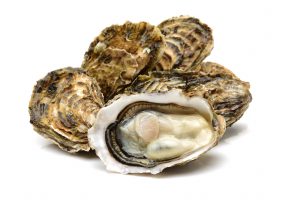
Photo of oysters.

Image CDC

This outbreak appears to be over. Consumers, restaurants, and retailers should always handle and cook oysters properly. Get CDC’s tips for preventing foodborne illness from oysters and other shellfish.

Final Outbreak Information
Illustration of a megaphone.
  • As of June 21, 2019, this outbreak appears to be over.
  • Sixteen ill people were reported from five states.
    • Illnesses started on dates ranging from December 16, 2018, through April 17, 2019.
    • Two people were hospitalized. No deaths were reported.
  • Laboratory testing on samples from patients identified multiple pathogens causing infections. Some people were infected with more than one pathogen.
  • Case counts by pathogen or illness:
    • Four cases of Shigella flexneri infection
    • Two cases of Vibrio parahaemolyticus infection
    • One case of Vibrio parahaemolyticus and Shiga toxin-producing Escherichia coli (STEC) non-O157 coinfection
    • One case of Vibrio parahaemolyticus and Shigella flexneri coinfection
    • One case of Shigella flexneri and Campylobacter lari coinfection
    • One case of Vibrio albensis infection
    • One case of norovirus genogroup 1 infection
    • One case of infection with Vibrio of unknown species
    • Four cases of illness without a pathogen identified
  • Epidemiologic and traceback evidence indicated that raw oysters harvested from Estero El Cardon in Baja California Sur, Mexico, were the likely source of this outbreak.
  • On May 6, 2019, one U.S. distributor of oysters harvested from Estero El Cardon issued a voluntary recallexternal icon.
  • At the request of Mexico’s public health authorities, all raw oysters distributed from Estero El Cardon from the last week of April 2019 through the first week of May 2019 were recalled pdf icon[PDF – 474 KB]external icon.


Information – FDA issues new draft guidance to improve the safety of seeds for sprouting

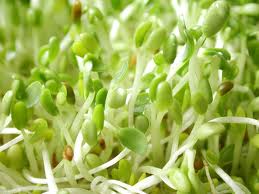
FDA alfalfa

“Over the past 22 years, the FDA has investigated 50 reported outbreaks of foodborne illness associated with contaminated sprouts. Together, these outbreaks resulted in more than an estimated 2,600 cases of illness. Last year, there were two reported outbreaks associated with sprouts, resulting in more than an estimated 100 illnesses. Studies indicate that contaminated seed is the likely source of most sprout-related outbreaks, as this commodity is inherently more susceptible to these issues because they are grown in warm and humid conditions that are favorable for bacteria like Salmonella, Listeria and E. coli,” said FDA Deputy Commissioner for Food Policy and Response Frank Yiannas. “The FDA is committed to taking swift action to respond to outbreaks related to sprouts and keep our food supply safe, but we also know that measures to prevent issues from happening in the first place are an important element of protecting consumers. By studying outbreaks related to sprouts over the years, we have been able to recommend changes in the industry to help lower the incidence of sprout-related outbreaks. Today’s new draft guidance is another critical step, like the Sprout Safety Alliance or sprout-specific requirements of the Produce Safety Rule, the agency is taking to prevent illnesses related to sprouts.”

The U.S. Food and Drug Administration today released a proposed draft guidance, “Reducing Microbial Food Safety Hazards in the Production of Seed for Sprouting,” intended to make the sprout seed industry (seed growers, conditioners, packers, holders, suppliers, and distributors) aware of the agency’s serious concerns with the continuing outbreaks of foodborne illness associated with the consumption of raw and lightly-cooked sprouts.

Incorporating aspects of the Codex Code of Hygienic Practice for Fresh Fruits and Vegetables Annex II, Annex for Sprout Production; the International Sprout Growers Association-Institute for Food Safety and Health’s “U.S. Sprout Production Best Practices”; and Good Agricultural Practices, the FDA’s draft guidance issued today provides the agency’s recommendations to firms throughout the production chain of seed for sprouting. It states that if a grower, holder, conditioner, or distributor reasonably believes that its seeds are expected to be used for sprouting, we recommend that the grower, holder, conditioner, or distributor take steps that are reasonably necessary to prevent those seeds from becoming contaminated. We also recommend that firms throughout the supply chain – from seed production and distribution through sprouting – review their current operations related to seeds for sprouting.

During the 60-day comment period for this draft guidance, stakeholders will be able to provide comments on the draft provisions. For more information on this guidance, as well as instructions on how to submit your comments, please visit Draft Guidance for Industry: Reducing Microbial Food Safety Hazards in the Production of Seed for Sprouting.

USA – Outbreak of E. coli Infections Linked to Ground Beef Final Update

CDC

This outbreak appears to be over. Ill people in this outbreak ate ground beef from many sources. No single supplier, distributor, or brand of ground beef was identified. Consumers and restaurants should always handle and cook ground beef safely to avoid foodborne illness.

Sweden – New outbreak of Yersinia infection is being investigated

Outbreak News

In Sweden, the National Institute of Public Health, or Folkhälsomyndigheten is reporting a new outbreak of infections caused by Yersinia enterocolitica type O3. The source of infection is still unknown.

So far, 26 cases of disease have been confirmed to belong to the outbreak by means of whole-genome sequencing. Another handful of cases are investigated. Since the current outbreak strain of Yersinia enterocolitica type O3 has been found in different parts of the country, it is likely that a food borne infection. The current outbreak strain differs from the one that caused a Yersinia outbreak earlier in the spring.During the middle of May, an number of reported cases of Yersinia infection has been seen in Sweden. Seven regions from different parts of the country have reported cases, but the majority of cases come from the northernmost regions of the country.