
RASFF – foodborne outbreak caused by Listeria monocytogenes (190 CFU/g) in pre-packed sandwiches in the United Kingdom in the UK

RASFF – foodborne outbreak caused by Listeria monocytogenes (190 CFU/g) in pre-packed sandwiches in the United Kingdom in the UK
Posted in food bourne outbreak, food contamination, food death, Food Hygiene, Food Illness, Food Inspections, Food Micro Blog, Food Microbiology, Food Microbiology Blog, Food Pathogen, Food Poisoning, food recall, Food Safety, Food Safety Alert, Food Testing, Listeria, Listeria monocytogenes, Uncategorized
Summary
A prolonged multi-country outbreak of 22 listeriosis cases caused by Listeria monocytogenes sequence type (ST) 1247, clonal complex (CC) 8 has been identified through whole genome sequencing (WGS) in five EU countries: Denmark (9 cases), Estonia (6), Finland (2), France (1) and Sweden (4). Five patients have died due to, or with, the disease. The first case had symptom onset in July 2014 in Estonia, and the most recent case occurred in Denmark in February 2019. Eight patients, out of twelve for whom a food consumption history was available, confirmed the consumption of cold-smoked fish products. L. monocytogenes food isolates, matching the human outbreak strain by WGS, were detected at wholesale and retail level in four countries (i.e. France, Denmark, Italy and Sweden) from 13 batches of cold smoked or gravad salmon and from six batches of cold smoked trout products. Traceability information of the contaminated batches pointed to the Estonian processing Company A as the single common manufacturer of these fish products. The raw fish was received from suppliers in Norway and Finland. Environmental investigations and food testing at the Estonian processing plant showed the presence of L. monocytogenes that matched the outbreak strain in two samples on the processing line and in four batches of the final product.
The presence of L. monocytogenes matching the outbreak strain over several years in the fish products suggests the persistence of the microorganism at the Estonian company’s premises. Further investigation is needed to identify points of (cross-)contamination in the food processing plant. Control measures were implemented in Estonia, Denmark, France and Italy following the RASFF (Rapid Alert System for Food and Feed) notifications, but until the source of infection has been identified and controlled, new invasive listeriosis cases associated with this event may still occur.
In general, pregnant women, the elderly and immunocompromised individuals are at increased risk of invasive listeriosis, which is associated with severe clinical course and potentially death.
Posted in food bourne outbreak, food contamination, Food Hygiene, Food Illness, Food Inspections, Food Micro Blog, Food Microbiology, Food Microbiology Blog, Food Pathogen, food recall, Food Safety, Food Safety Alert, Food Testing, foodborne disease, Foodborne Illness, foodborne outbreak, foodbourne outbreak, Listeria, Listeria monocytogenes, Uncategorized
Public Health England (PHE), The Food Standards Agency (FSA), Public Health Wales (PHW), Food Standards Scotland (FSS), Health Protection Scotland (HPS) and a number of local authorities are currently investigating the source of listeria infections linked to pre-packed sandwiches.
Sandwiches and salads linked to the cases have been withdrawn and the supplier, The Good Food Chain, has voluntarily ceased production while the investigation continues. This business had been supplied with meat produced by North Country Cooked Meats which subsequently produced a positive test result for the outbreak strain of listeria. This business and North Country Quality Foods who they distribute through, have also voluntarily ceased production.
The cases of listeria infection were in six seriously ill hospital patients in England. Three of these patients have sadly died. Currently there are no cases in Scotland, Wales or Northern Ireland.
Listeria infection in healthy people is usually either unnoticed or may cause very mild illness. However, it can have more serious consequences for some people, particularly those with pre-existing health conditions and pregnant women. The health risk to the public remains low and individuals should only seek medical attention if they develop symptoms.
Food Standards Scotland (FSS) and Health Protection Scotland (HPS) are also involved in the investigation and currently there are no cases in Scotland or in Wales.
The sandwiches and salads affected are no longer being produced while investigations continue and the affected products were withdrawn from hospitals when the links to the listeria infections were first identified.
Dr Nick Phin, Deputy Director at the National Infection Service at PHE said:
“Our thoughts are with the families of those patients who have sadly died. We, along with the FSA, colleagues in local authorities and the NHS have worked quickly to determine the likely cause of this outbreak and taken action to reduce the risk to the public’s health.
“To date, there have been no associated cases identified outside healthcare organisations, and any risk to the public is low.”
Dr Colin Sullivan, Chief Operating Officer at the FSA said:
“Our sympathies are with the families of those patients who have tragically passed away.
“We have taken action along with local authorities to minimise the risk based on the evidence so far. The FSA will continue to investigate how the outbreak occurred and if further steps are required to protect vulnerable groups.”

Image CDC
Sweden has begun a case-control study to search for foods that the disease cases have eaten and which differ from what controls have eaten.
While in Denmark, a total of 20 people are part of the outbreak. The investigation shows that the source of infection was probably fresh spinach.
The ALDI Bakers Corner Flour E. coli O26 outbreak has sickened 17 people in 8 states, according to the Food and Drug Administration (FDA). Three of those patients have been hospitalized because they are so sick. The notice did not state whether or not any patients have developed hemolytic uremic syndrome (HUS), a type of kidney failure that is a complication of this type of infection.

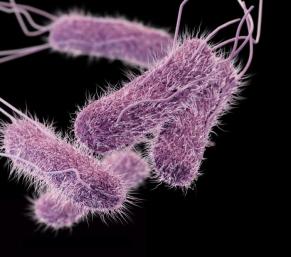
Image CDC
This outbreak appears to be over, but recalled frozen tuna may still be in freezers. People could get sick if restaurants and retailers who are unaware of the recall continue to serve and sell sushi made with recalled frozen tuna. Check the U.S. Food and Drug Administration website for the list of recalled productsexternal icon.
Restaurants and retailers should not sell or serve recalled frozen, ground tuna from Jensen Tuna.
May 22, 2019
The United States Food and Drug Administration, along with the Centers for Disease Control and Prevention (CDC), and state and local partners, investigated a multistate outbreak of Salmonella Newport illnesses linked to frozen ground tuna imported from JK Fish of Vietnam.
On May 20, 2019, the CDC announced that this outbreak appears to be over.
Recommendation
Restaurants and retailers should check with their suppliers and not sell or serve the recalled ground tuna from Jensen Tuna. They should also be sure to wash and sanitize locations where the recalled ground tuna was stored or prepared.
It is unlikely that the recalled ground tuna was sold directly to consumers in grocery stores; rather, it was likely used in food dishes sold by restaurants or retailers. Consumers with concerns should ask their restaurants and retailers whether the tuna dish they are purchasing contains the recalled ground tuna.
Posted in food bourne outbreak, food contamination, Food Hygiene, Food Illness, Food Inspections, Food Micro Blog, Food Microbiology, Food Microbiology Blog, Food Pathogen, Food Poisoning, food recall, Food Safety, Food Safety Alert, Food Testing, foodborne disease, Foodborne Illness, foodborne outbreak, foodbourne outbreak, Salmonella, Uncategorized
Researchers have described how a laboratory handled increased demand during the 2017-2018 listeriosis outbreak in South Africa.
Whole genome sequencing (WGS) and epidemiological data were used to determine the source of the outbreak as ready-to-eat processed meat manufactured by Enterprise Foods.
A total of 1,060 cases were reported from January 2017 to July 2018 and 216 people died.
The largest ever reported outbreak of listeriosis included an alert in mid-June 2017, a peak in mid-November 2017, and identification of the outbreak source in mid-February 2018.
“This eight-month timeline was rather remarkable, considering the large number of cases involved and the limited capacity and resources available for foodborne disease outbreak investigations in South Africa,” according to researchers.
The study is published in the Foodborne Pathogens and Disease journal
Posted in food bourne outbreak, food death, Food Hygiene, Food Illness, Food Inspections, Food Micro Blog, Food Microbiology, Food Microbiology Blog, Food Pathogen, food recall, Food Safety, Food Safety Alert, Food Testing, foodborne disease, Foodborne Illness, foodborne outbreak, foodbourne outbreak, Listeria, Listeria monocytogenes, outbreak, south africa, Uncategorized
This outbreak appears to be over. People should always handle and cook turkey safely. Get CDC’s tips to prevent foodborne illness from turkey.
Posted in CDC, food bourne outbreak, food contamination, Food Hygiene, Food Illness, Food Inspections, Food Micro Blog, Food Microbiology, Food Microbiology Blog, Food Pathogen, food recall, Food Safety, Food Safety Alert, Food Testing, foodborne outbreak, foodbourne outbreak, outbreak, Salmonella, Uncategorized
RASFF – foodborne outbreak suspected to be caused by shigatoxin-producing Escherichia coli (O26) in raw milk cheese from France i n France
Posted in E.coli, E.coli O26, food bourne outbreak, food contamination, Food Hygiene, Food Illness, Food Inspections, Food Micro Blog, Food Microbiology, Food Microbiology Blog, Food Pathogen, Food Poisoning, Food Safety, Food Safety Alert, Food Testing, Food Toxin, foodborne outbreak, foodbourne outbreak, STEC, STX 1, STX 2, Uncategorized
The E. coli O26 outbreak that was associated with Cafe Mario at the Nintendo of America campus in Redmond, Washington state is over and is unsolved, according to the King County Health Department. The outbreak, which happened in 2018, sickens 22 people who developed symptoms consistent with a Shiga toxin-producing E. coli (STEC) infection.