Category Archives: food bourne outbreak

Canada – Vibrio parahaemolyticus: Canadian officials investigate outbreak in 4 provinces

Outbreak News Today

The Public Health Agency of Canada (PHAC) announced investigating  an outbreak of Vibrio parahaemolyticus infections occurring in four provinces.

Based on the investigation findings to date, exposure to shellfish has been identified as a likely source of the outbreak. Many individuals who became sick reported eating shellfish, mainly raw oysters, harvested from eastern coastal waters, before their illnesses occurred.

As of October 14, 2020, there are 21 confirmed cases of Vibrio parahaemolyticus illness in the following provinces: Saskatchewan (1), Quebec (7), New Brunswick (10), and Prince Edward Island (3). Individuals became sick between early July and mid-September 2020. One individual has been hospitalized. No deaths have been reported.

Denmark – Imported, fresh mint linked to Shigella outbreak

Outbreak News Today

Shigella - kswfoodworld

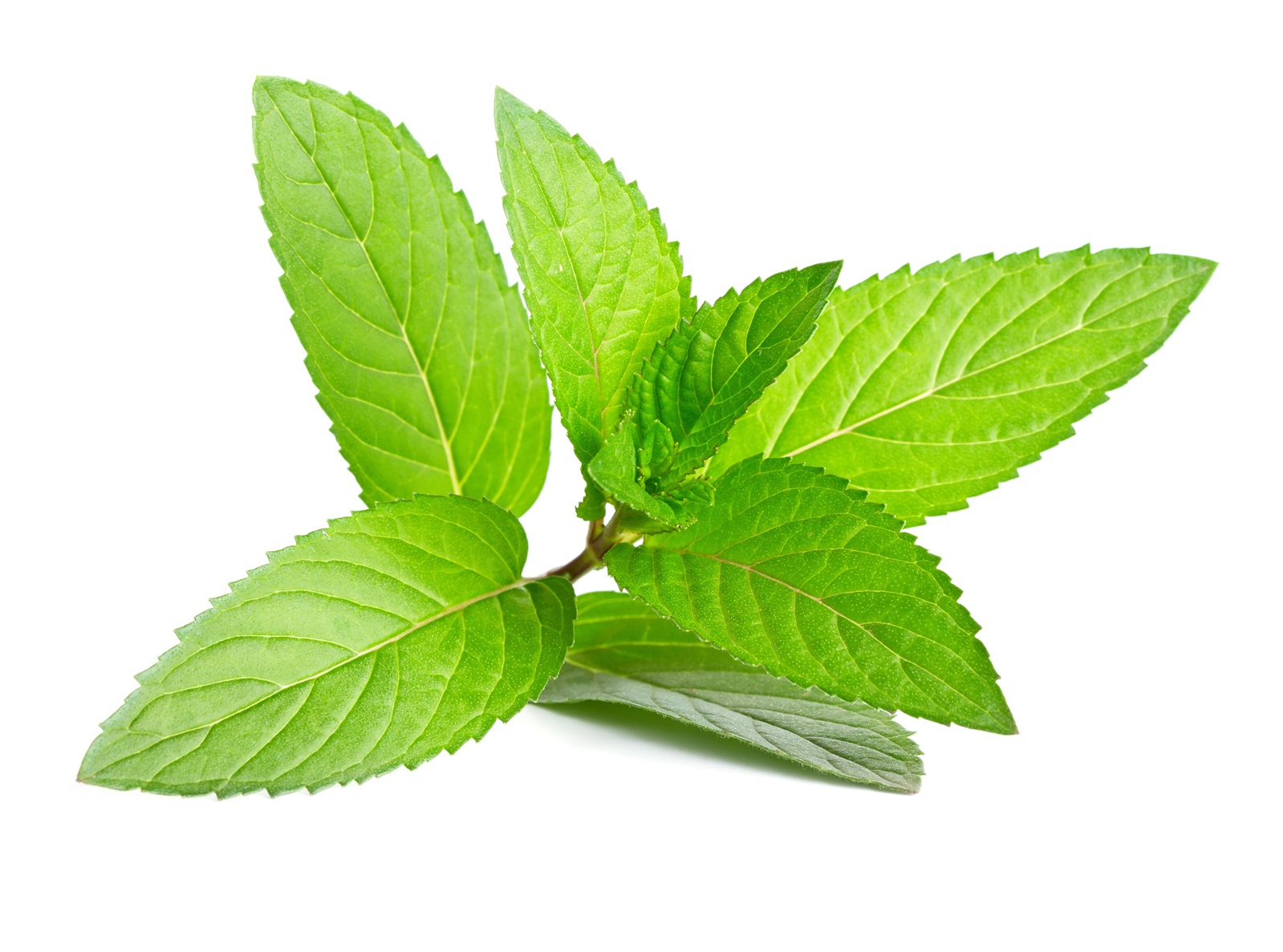
The Statens Serum Institut (SSI) has in collaboration with the Danish Veterinary and Food Administration and the DTU Food Institute report that a Shigella outbreak in August and September that sickened some 44 people is linked to fresh mint bought at a local greengrocer or bazaar in and around the Copenhagen area.

Of the 44 cases from August 22 to September 9, 30 of the cases was reported in women and 14 in men. A total of 13 people have been hospitalized. The sick live primarily in the Capital Region.

Because fresh mint has a short shelf life, it is no longer on the market. There is therefore no risk of more consumers becoming infected, says Emergency Manager Nikolas Kühn Hove from the Danish Veterinary and Food Administration.

France – Almost 50 sick in France after eating raw or rare horse meat – Salmonella

Food Safety News

Salmonella kswfoodworld

French authorities are investigating almost 50 Salmonella infections linked to eating raw or undercooked horse meat in the past few months.

During this summer, Sante publique France identified 20 patients that are part of a cluster of Salmonella Newport cases.

A total of 28 other people were linked to a second cluster of salmonellosis caused  by a different serotype known as monophasic Salmonella Typhimurium (1, 4, [5], 12:i:-) .

Denmark – The source of infection for Shigella disease outbreaks has been found

SSI

In August and September, 44 Danes became ill with the intestinal bacterium shigella. The investigation shows that the source of infection was probably imported, fresh mint.

Picture of mint 01

The Statens Serum Institut (SSI) has in collaboration with the Danish Veterinary and Food Administration and the DTU Food Institute investigated an outbreak of the intestinal bacterium shigella.

The outbreak includes 44 patients. These are 30 women and 14 men aged 0-75 years. The patients experienced symptoms in the period from 22.08.2020 to 09.09.2020. A total of 13 people have been hospitalized. The sick live primarily in the Capital Region.

Read more in EPI-News number 41/20 .

Denmark and Sweden – Imported frozen berries suspected in hepatitis A outbreak

Food Safety News

Officials in Sweden and Denmark are investigating a hepatitis A outbreak with frozen imported berries suspected to be the source of infection.

Since mid-July, nine patients with the same type of hepatitis A virus have been reported from five different regions in Sweden. The latest patient fell ill on Sept. 18.

Six women and three men from Norrbotten, Västra Götaland, Stockholm, Uppsala and Södermanland are infected with the liver virus. Patients range from 2 to 78 years old. Also, a couple of people are ill in Denmark.

Frozen berries named as potential source
Interviews have found some people ate frozen imported berries, especially raspberries, which were not heated before consumption. However, analysis of sampled berries has not been able to detect the hepatitis A virus.

Local infection control units, Swedish Food Agency (Livsmedelsverket), and Public Health Agency of Sweden (Folkhälsomyndigheten) are investigating to confirm the source of the infections.

Two Danish cases have been linked to the Swedish outbreak and a cross-border investigation has been initiated.

Egypt – Beheira hospital receives 134 wedding guests with food poisoning

Egypt Independant

El Mahmoudeya Central Hospital, located in Egypt’s Beheira Governorate, received on Thursday 134 people experiencing severe symptoms of food poisoning after eating at a wedding in the village of Ezbet al-Far.

A number of families, including dozens of children, promptly reported to the hospital for treatment.

All cases were successfully treated, according to the hospital’s Director, Ashraf al-Qalfat.

Among the patients that the hospital received, many presented with no symptoms, but were worried that they had contracted the illness, said Qalfat. 

All but five patients have been discharged from the hospital, and those who remain are in stable condition. 


Spain – Firm Fined 2000 Euros for Spain’s Worst Listeria Outbreak

Diario de Sevilla

A fine of 2,000 euros now , two years after the Magrudis company caused the largest outbreak of listeriosis in the history of Spain. The Seville City Council has sanctioned the Magrudis company with this amount for various irregularities detected in the license granted at the time for the production of La Mechá brand products, whose infection with the bacterium listeria monocytogenes has caused four deaths and six abortions , in addition to more than 200 injured by the consumption of these products.

Denmark – Denmark investigates Shigella outbreak with 40 sick

Food Safety News

Shigella - kswfoodworld

Image CDC

More than 40 people are sick and almost a third have needed hospital treatment as part of a foodborne Shigella outbreak in Denmark.

From the end of August, 42 people have been registered with shigellosis in the country.

The outbreak is being investigated to try to pinpoint the source of infection and help stop it with experts doing final traceback investigations ahead of plans to reveal results next week.

From Aug. 25 to Sept. 10, 42 cases of shigellosis were reported to the Statens Serum Institut (SSI).


USA – Outbreak Investigation of Cyclospora: Bagged Salads (June 2020) CDC announces the end of the outbreak; FDA continues its investigation.

CDC

Investigation Update

September 25, 2020

As of September 25, 2020, CDC has announced this outbreak is over. FDA’s traceback investigation is complete, however the cause or source of the outbreak has not been determined. FDA’s investigation is continuing, in consultation with the state agriculture and regional water board.

FDA investigated multiple farms identified in the traceback, one of which led to sampling and investigation around a farm in south Florida. FDA continues to work with the state of Florida and the local water district to try to determine the source and impact of Cyclospora that was found in the regional water management canal (C-23), located west of Port St. Lucie, Florida. Given the emerging nature of genetic typing methodologies for this parasite in foods and in environmental samples, the FDA has been unable to determine if the Cyclospora detected in the canal is a genetic match to the clinical cases, therefore, there is currently not enough evidence to conclusively determine the source of this outbreak. However, the presence of Cyclospora in a canal that had previously supplied irrigation water in the region, and specifically to a farm identified in the traceback, suggests the need for a collaborative effort by state, federal and industry partners to better define the scope of the contamination and identify appropriate risk mitigation measures.

Previous Updates

USA – Outbreak Investigation of Salmonella Stanley: Wood Ear Mushrooms – Dried Fungus (September 2020)

FDA

Background Information

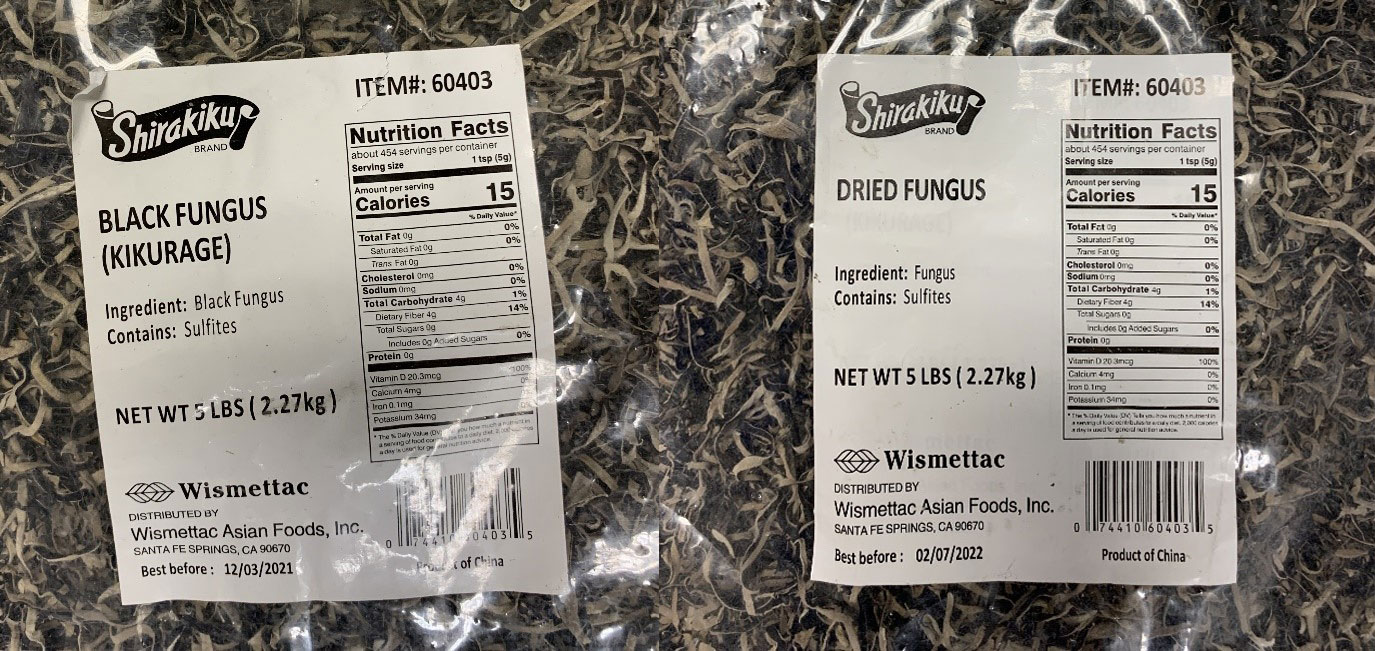
The FDA, along with CDC and state and local partners, is investigating an ongoing multistate outbreak of Salmonella Stanley infections likely linked to wood ear mushrooms imported by Wismettac Asian Foods, Inc. of Santa Fe Springs, CA. Wood ear mushrooms are a dried mushroom, also commonly labelled or referred to as Kikurage, Dried Black Fungus, Dried Fungus, or Mu’er/Mu Er/Mu-Err.

In interviews, ill people answered questions about the foods they ate and other exposures in the week before they became ill. According to the CDC, of 18 people with information, 16 (89%) reported eating ramen at a restaurant in the week before their illness started. Four illness clusters were identified at restaurants serving ramen in three states. Eight (89%) of the nine ill people linked to restaurant clusters reported eating wood ear mushrooms or ramen containing wood ear mushrooms in the week before their illness started.

As part of this investigation, the California Department of Public Health collected a sample of wood ear mushrooms, imported by Wismettac Asian Foods, Inc., from one of the restaurants where ill patients reported eating. This sample was reported positive for the presence of Salmonella. This sample is undergoing genetic testing, or whole genome sequencing, to determine if the Salmonella present in the sample has the same genetic fingerprint as the outbreak strain. More information will be provided as it becomes available.

Wismettac Asian Foods, Inc. acted quickly upon being notified of the positive test result and recalled all wood ear mushrooms within shelf life on September 23, 2020. This product was labeled as Shirakiku brand Black Fungus (Kikurage) with UPC Code 00074410604305, imported from China. Product was distributed in six packs of five-pound bags to restaurants in AR, CA, CO, CT, DE, DC, FL, GA, HI, IA, IL, IN, LA, MA, MD, MI, MN, MO, MS, NC, NV, NJ, NY, OH, OR, PA, SC, TN, TX, VA, WA, WI, and Canada.

Recommendation

Wood ear mushrooms imported by Wismettac Asian Foods, Inc. were only sold to restaurants and were not available directly to consumers. Although these items have been recalled, concerned or high-risk individuals should check with their restaurant to confirm that any wood ear mushrooms that have been used or are being used are not part of this recall.

Restaurants should not sell or serve recalled wood ear mushrooms distributed by Wismettac Asian Foods, Inc. Additionally, restaurants that received recalled products should use extra vigilance in cleaning and sanitizing any surfaces that may have come in contact with recalled product, to reduce the risk of cross contamination.

Restaurants should discard and not sell or serve wood ear mushrooms if they cannot tell where they came from.


Product Images

Outbreak Investigation of Salmonella Stanley in Wood Ear Mushrooms (September 2020) - Photos of Recalled Shirakiku Dried Fungus