Category Archives: food bourne outbreak

USA – Outbreak Investigation of Listeria monocytogenes: Dole Packaged Salad (December 2021)

FDA

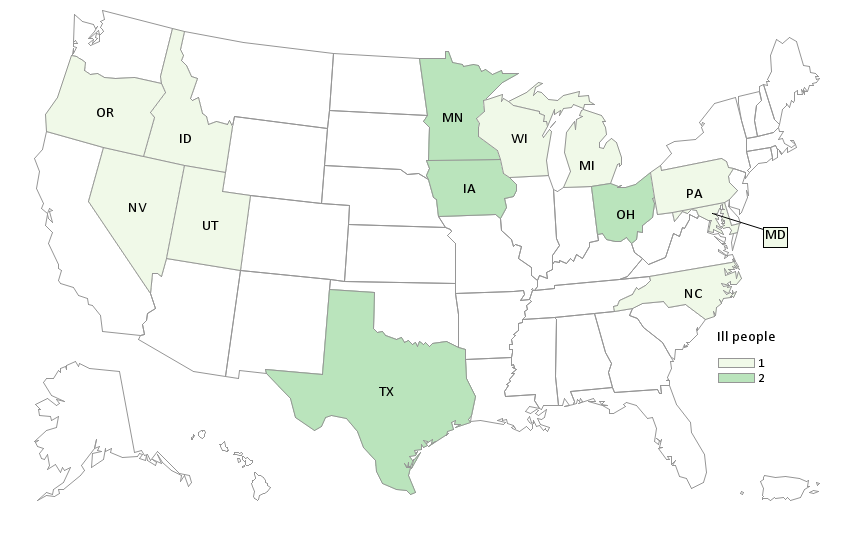
FDA, along with CDC and state and local partners, is investigating a multistate outbreak of Listeria monocytogenes infections linked to Dole packaged leafy greens by epidemiologic, laboratory, and traceback data. According to the CDC, as of February 1, 2022, 17 people infected with the outbreak strain of Listeria monocytogenes have been reported from 13 states. Illnesses started on dates ranging from August 16, 2014 to December 30, 2021 (one case occurred in 2014 and the remaining cases occurred between 2018 and 2021). CDC investigated this outbreak in 2019 and 2020 but was unable to gather enough data to identify the source in the past. CDC reopened the investigation in November 2021 after reports of new illnesses.

FDA sent investigators to multiple Dole processing facilities to conduct on-site inspections while at the same time Dole initiated their own investigation. On December 22, 2021, Dole voluntarily recalled all products and brands from their Bessemer City, NC, and Yuma, AZ, facilities. On January 7, 2022, as a result of continued investigations, Dole issued a voluntary recall of additional products after Dole detected the presence of Listeria monocytogenes on equipment used in the harvesting of the raw iceberg lettuce also used in finished products processed in the Dole Springfield, OH, and Soledad, CA, facilities. These products were shipped throughout the United States and several provinces in Canada. FDA analyzed the positive sample collected by Dole from the harvesting equipment. Results from FDA’s WGS analysis showed that the strain of Listeria monocytogenes found on the harvesting equipment matches the strain causing illnesses in this outbreak.

In addition to this outbreak of listeriosis linked to packaged salads produced by Dole, FDA and CDC are currently investigating a separate Listeria outbreak linked to packaged salads produced by Fresh Express. These investigations are ongoing and additional information will be provided as it becomes available.

Recommendation

FDA recommends that anyone who received recalled products use extra vigilance in cleaning and sanitizing any surfaces and containers that may have come in contact with these products to reduce the risk of cross-contamination. Listeria can survive at refrigeration temperatures and can easily spread to other foods and surfaces.

All recalled products are now past their “Best if Used By” dates of November 30, 2021 to January 9, 2022. If consumers have expired recalled Dole salads in their homes, they should throw them away. The initial list of recalled products and the second list of recalled products are available on FDA’s website.


Map of U.S. Distribution of Recalled Packaged Salad
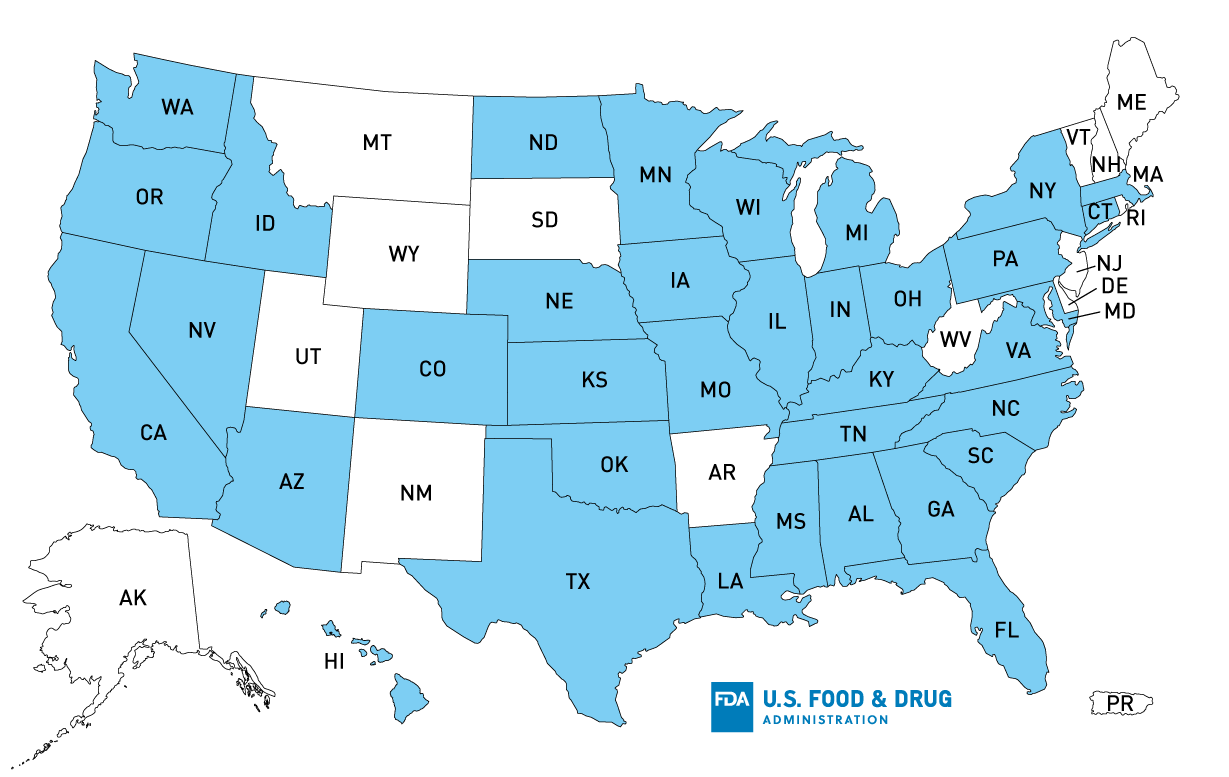
Outbreak Investigation of Listeria monocytogenes from Dole Packaged Salad - Map of U.S. Distribution of Recalled Packaged Salad (February 1, 2022)

Case Count Map Provided by CDC

Outbreak Investigation of Listeria monocytogenes from Dole Packaged Salad - CDC Case Count Map (January 31, 2022)

Case Counts

Total Illnesses: 17
Hospitalizations: 13
Deaths: 2
Last illness onset: December 30, 2021
States with Cases: IA, ID, MD, MI, MN, NC, NV, OH, OR, PA, TX, UT, WI
Product Distribution*: AL, AZ, CA, CO, CT, FL, GA, HI,  IA, ID, IL, IN, KS, KY, LA, MA, MD, MI, MN, MO, MS, NC, ND, NE, NV, NY, OH, OK, OR, PA, SC, TN, TX, VA, WA, WI

*Distribution has been confirmed for states listed, but product could have been distributed further, reaching additional states
Research – First E. coli O103 outbreak caused by minced raw celery gets review.

Food Safety News

E. coli O103, one of the more rare Shiga-toxin producing E. coli, sickened patients at two Victoria, British Columbia, hospitals last April. The Vancouver Island outbreak is now the subject of a study on food safety for high-risk products prepared for vulnerable populations.

Based on confirmed E. coli O103 cases reported to the Island Health infectious disease unit, whole-genome sequencing was used in the case study. The Canada Communicable Disease Report (CCDR) published the study in its January 2022 edition.

The Victoria outbreak identified six confirmed E.coli O103 cases, with 67 percent being female and a medium age of 61. All were inpatients or outpatients at the two hospitals. All consumed raw minced celery sandwiches prepared by the hospital food services.

Research – Zoonoses and foodborne outbreaks guidance for reporting 2021 data

EFSA

This technical report of the European Food Safety Authority(EFSA)presents the guidance to reporting European Union(EU)Member States and nonMember States in data transmission using extensible markup language (XML)data transfer covering the reporting of prevalence data on zoonoses and microbiological agents and contaminants in food, foodborne outbreak data, animal population data and disease status data. For data collection purposes, EFSA has created the Data Collection Framework(DCF)application. The present report provides data dictionaries to guide the reporting of information deriving from 2021under the framework of Directive 2003/99/EC, Regulation (EU) 2017/625andCommission Implementing Regulation (EU) 2019/627.The objective is to explain in detail the individual data elements that are included in the EFSA data models to be used for XML data transmission through the DCF. In particular, the data elements to be reported are explained, including information about the data type, a reference to the list of allowed terms and any additional business rule or requirement that may apply.

USA – Swan Bros. Raw Milk Listeria Outbreak Allegedly Sickens 10

Food Poisoning Bulletin

A possible Swan Bros. raw milk Listeria outbreak has allegedly sickened 10 people in Missouri and Oklahoma, according to a wrongful death lawsuit filed in the District Court of Rogers County in the state of Oklahoma on January 21, 2022. Swan Bros. recalled their raw milk products in July 2021 for possible Listeria monocytogenes after testing by the Missouri Department of Health and Senior Services revealed the presence of that pathogen in the milk on July 6, 2021. The dairy posted a notice on its Facebook page on July 6, 2021 about that recall.

Canada – More people sick in Canada in ongoing Salmonella outbreak linked to corn

Food Safety News

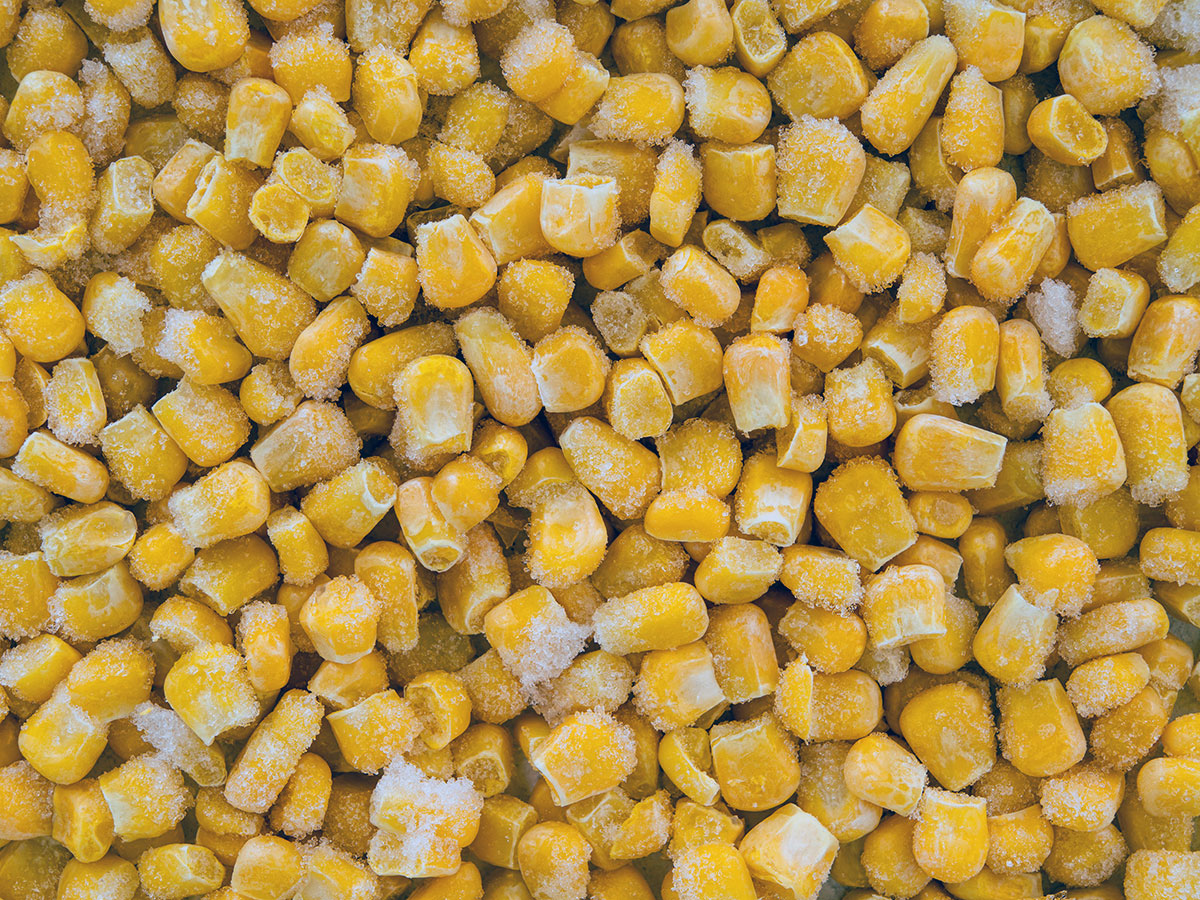
Salmonella Outbreak Linked to Frozen Corn, Not Fresh Avocados

Illnesses continue to be added to a tally of people in Canada who have been sickened in a Salmonella Enteritidis outbreak tied to frozen corn.

The Public Health Agency of Canada (PHAC) reports that there are now 110 people from five provinces who have been confirmed as outbreak patients. As of Dec. 21 there were 84 confirmed patients.

“Many of the individuals who became sick reported eating a variety of raw and cooked produce items before their illness. Initially, investigators identified that fresh avocados were reported by many cases before they became ill; however, more information was needed to confirm the source of the outbreak,” according to the PHAC outbreak update.

“As part of the food safety investigation, the CFIA collected different food items from restaurants where ill people dined. Testing found the outbreak strain of Salmonella in an unopened package of Alasko brand frozen whole kernel corn. Traceback findings identified Alasko as the common brand of frozen corn consumed at various foodservice establishments by individuals who became sick. Based on the investigation findings to date, the outbreak is linked to Alasko brand frozen whole kernel corn.”

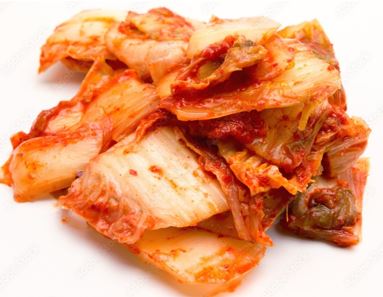
Canada – Public Health Notice: Outbreak of E. coli infections linked to Hankook (Korean characters only) brand Original Kimchi – E.coli O157

PHAC

Kimchi

The Public Health Agency of Canada (PHAC) is collaborating with provincial public health partners, the Canadian Food Inspection Agency (CFIA) and Health Canada to investigate an outbreak of E. coli O157 infections involving 2 provinces: Alberta and Saskatchewan.

Based on the investigation findings to date, the outbreak is linked to Hankook (Korean characters only) brand Original Kimchi. Many of the individuals who were sick reported having eaten Hankook (Korean characters only) brand Original Kimchi before their illnesses occurred.

The CFIA issued a food recall warning on January 28, for Hankook (Korean characters only) brand Original Kimchi sold in 2L containers with a net weight of 1670 g, UPC code 6 23431 00030 4, and best before date January 29, 2022. The recalled product was distributed in British Columbia, Alberta, Saskatchewan, and Manitoba.

For more information on the recalled product, please consult CFIA’s website. The CFIA is continuing its food safety investigation, which may lead to the recall of other products. If other products are recalled, the CFIA will notify the public through updated food recall warnings.

Do not eat, use, sell, or serve the recalled kimchi or any products made with the recalled kimchi. This advice applies to individuals, as well as retailers, distributors, manufacturers and food service establishments such as hotels, restaurants, cafeterias, hospitals and long-term care homes, across Canada.

This public health notice will be updated as the investigation evolves.

Investigation summary

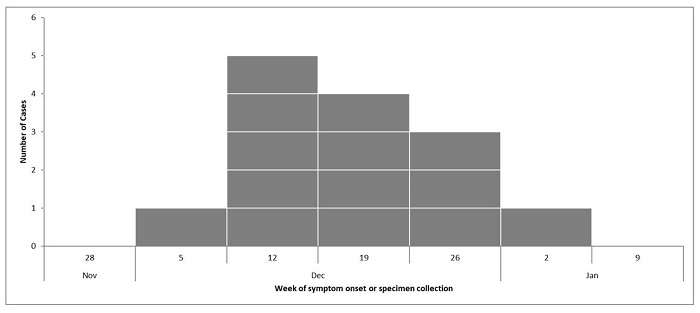
As of January 28, there have been 14 laboratory-confirmed cases of E.coli O157 illness linked to this outbreak in the following provinces: Alberta (13) and Saskatchewan (1).

Individuals became sick between early December 2021 and early January 2022. No deaths or hospitalizations have been reported. Individuals who became ill are between 0 and 61 years of age. The majority of cases (64%) are female.

The CFIA issued a food recall warning on January 28 for certain Hankook (Korean characters only) brand Kimchi products. The recalled product wasdistributed in British Columbia, Alberta, Saskatchewan, and Manitoba.

The CFIA is continuing its food safety investigation, which may lead to the recall of other products. If other products are recalled, the CFIA will notify the public through updated food recall warnings.

Who is most at risk

E. coli O157 is more likely to cause severe illness than other strains of E. coli. Pregnant women, those with weakened immune systems, young children and older adults are most at risk for developing serious complications.

Most people who become ill from an E. coli infection will recover completely on their own. However, some people may have a more serious illness that requires hospital care or causes long-lasting health effects. In rare cases, some individuals may develop life-threatening complications, including stroke, kidney failure and seizures, which could result in death. It is possible for some people to be infected with the bacteria and to not get sick or show any symptoms, but to still be able to spread the infection to others.

What you should do to protect your health

The following advice applies to individuals, as well as retailers, distributors, manufacturers and food service establishments such as hotels, restaurants, cafeterias, hospitals and long-term care homes, across Canada:

  • Do not eat, use, sell or serve the recalled kimchi or any products made with the kimchi. Check to see if you have recalled food products at home. If you do, throw them out and wash your hands.
  • Clean and sanitize all surfaces and storage areas that recalled kimchi or any products made with the recalled kimchi may have come in contact with, including countertops, containers, utensils, freezers, and refrigerators.
  • If you have been diagnosed with an E. coli infection or any other gastrointestinal illness, do not cook food for other people.

Symptoms

People infected with E. coli can have a wide range of symptoms. Some do not get sick at all, though they can still spread the infection to others. Others may feel as though they have a bad case of upset stomach. In some cases, individuals become seriously ill and must be hospitalized.

The following symptoms can appear within one to ten days after contact with the bacteria:

  • nausea
  • vomiting
  • headache
  • mild fever
  • severe stomach cramps
  • watery or bloody diarrhea

Most symptoms end within five to ten days. There is no real treatment for E. coli infections, other than monitoring the illness, providing comfort, and preventing dehydration through proper hydration and nutrition. People who develop complications may need further treatment, such as dialysis for kidney failure. You should contact your health care provider if symptoms persist.

What the Government of Canada is doing

The Government of Canada is committed to protecting the health of Canadians from enteric disease outbreaks.

PHAC leads the human health investigation into an outbreak and is in regular contact with its federal, provincial and territorial partners to monitor the situation and to collaborate on steps to address an outbreak.

Health Canada provides food-related health risk assessments to determine whether the presence of a certain substance or microorganism poses a health risk to consumers.
CFIA conducts food safety investigations into the possible food source of an outbreak.

Epidemiological information

Figure 1 is an epidemiological curve for this outbreak, which shows the numbers of new cases by week. Outbreak investigators use this information to show when illnesses begin, when they peak, and when they trail off. It can take several weeks from the time a person becomes ill to when the illness is reported and testing confirms a link to the outbreak. Data are available for 14 cases.

Figure 1. Number of people infected with E. coli O157:H7

Research – The 7 Worst Food Recalls of All Time

Eat This

Food safety issues occur more frequently than you might think, especially in recent times, with an increase of 125% in grocery recalls in recent years. And while the risks may be fairly benign (think: a gluten-free product that may have come into contact with wheat during manufacturing) some contaminants can have devastating—even deadly—consequences for consumers. The Center for Disease Control and Prevention (CDC) estimates that foodborne illness from infectious pathogens or harmful chemicals causes 48 million people to get sick each year, with 148,000 hospitalizations and 3,000 deaths on average.

The Food and Drug Administration (FDA) categorizes product recalls based on the potential severity of effects. The least serious is a Class III recall, with minimal risk for adverse health consequences. Class II means that the effects of exposure or use can lead to temporary or reversible health consequences. Class I is the most severe, marked when “there is a reasonable probability that the use of, or exposure to, a violative product will cause serious adverse health consequences or death.”

The upside is that these incidents have called companies to higher scrutiny of their production processes, has led to stricter rules and regulations, such as granting the FDA the ability to authorize mandatory recalls in 2018, and fueled a larger effort to educate the public on how to practice safer food preparation.

But tragically, there have been dozens of Class I product recalls in the past decades that caused hundreds of illnesses and some deaths to consumers. These are seven of the most catastrophic food recalls in grocery history.

USA – FDA says E. coli outbreak associated with romaine lettuce is over

Food Safety News

Federal officials are reporting that an outbreak of E. coli O121:H9 infections linked to romaine lettuce has ended.

Four illnesses were confirmed in the outbreak. Little other information was available from the Food and Drug Administration.

“The information collected over the course of this investigation indicated that romaine lettuce was the likely source of this outbreak; however, it appears that this outbreak is over, and there is no actionable advice for consumers,” according to FDA officials.

“FDA has been conducting a traceback investigation and other activities in an effort to learn more about possible sources or routes of contamination.”

The FDA first reported the outbreak two weeks ago but has not shared any information about patient demographics or what states are involved. The agency did not report when the first illness was reported or when the last one was logged by public health officials.

As of Jan. 26, the Centers for Disease Control and Prevention had not posted any information about the outbreak. That is generally standing procedure for the agency if a specific product is not identified.

USA – Core Investigation Table Update

FDA

Date
Posted
Ref


#

Pathogen
Product(s)
Linked to
Illnesses

(if any)
Investigation
Status
1/10/

2022

1050 E. coli
O121:H19
Romaine Ended
12/29/

2021

1052 E. coli
O157:H7
Packaged Salad Active
12/20/

2021

1039 Listeria
monocytogenes
Packaged Salad Active
12/15/

2021

1048 Listeria
monocytogenes
Packaged Salad Active
9/15/

2021

1031 Salmonella
Oranienburg
Red, Yellow,
and White Onions
Active

Research – Publisher’s Platform: The World’s Largest and Deadliest Listeria Outbreak is turning 4 in March

Food Safety News

In March of this year it will be 4 years since I boarded a flight from Seattle to Johannesburg (20 plus hour flight) to speak at a food safety conference just days after the South African health authorities announced that a Listeria outbreak had been linked to a product named polony manufactured by the largest food manufacturer in Africa.

I recall how similar it felt to the early days of the Jack-in-the-Box E. coli outbreak of 1993– how everyone seemed honestly shocked that such a tragedy could happen.

I have spent the last 4 years working (being 10 hours behind has required far too many late nights and early morning calls) with a cadre of amazing lawyers and more amazing staff moving forward in the first foodborne illness class action in Africa.  We have much to do to find justice to the more than 1,000 sickened and their families.  I am saddened by the pace of the litigation, but determined to take care of our class members – we have to work harder.