Category Archives: CDC

USA – E. coli Outbreak Linked to Baby Spinach

CDC

Fast Facts
  • Illnesses: 10
  • Hospitalizations: 2
  • Deaths: 0
  • States: 7
  • Recall: No
  • Investigation status: Active
Spinach leaves over a white background
Contaminated Food

Josie’s Organics Baby Spinach

  • Sold at stores nationwide
  • “Best by” date of October 23, 2021
  • Sold in plastic clamshell containers

Minnesota officials found E. coli O157:H7 in a package of leftover Josie’s Organics baby spinach collected from a sick person’s home. Five people in this outbreak reported eating spinach in the week before they got sick and 1 reported Josie’s Organics brand.

Investigators are working to determine if additional products may be contaminated.

What You Should Do
  • Do not eat any contaminated spinach. Throw it away or return it to where you bought it.
  • Wash items and surfaces that may have touched the contaminated spinach using hot soapy water or a dishwasher.
  • Call your healthcare provider if you have any of these severe coli symptoms:
    • Diarrhea and a fever higher than 102°F
    • Diarrhea for more than 3 days that is not improving
    • Bloody diarrhea
    • So much vomiting that you cannot keep liquids down
    • Signs of dehydration, such as:
      • Not peeing much
      • Dry mouth and throat
      • Feeling dizzy when standing up
What Businesses Should Do
  • Do not sell or serve contaminated spinach.
  • Wash and sanitize items and surfaces that may have come in contact with recalled/contaminated spinach.
Symptoms of E. coli
  • Most people infected with Shiga toxin-producing E. coli experience severe stomach cramps, diarrhea (often bloody), and vomiting.
    • Symptoms usually start 3 to 4 days after swallowing the bacteria.
    • Most people recover without treatment after 5 to 7 days.
  • Some people may develop a type of kidney failure (hemolytic uremic syndrome, also called HUS) and would need to be hospitalized.
  • For more information about E. coli, see the E. coli Questions and Answers page.

Information – Foods That Can Cause Food Poisoning

CDC

Some foods are more associated with foodborne illnesses and food poisoning than others. They can carry harmful germs that can make you very sick if the food is contaminated.

  • Raw foods of animal origin are the most likely to be contaminated, specifically raw or undercooked meat and poultry, raw or lightly cooked eggs, unpasteurized (raw) milk, and raw shellfish.
  • Fruits and vegetables also may get contaminated.
  • While certain foods are more likely to make you sick, any food can get contaminated in the field, during processing, or during other stages in the food production chain, including through cross-contamination with raw meat in kitchens.

Learn more about the foods that are more associated with food poisoning and how to avoid getting sick from them:

USA – Salmonella Outbreak Linked to Wild Songbirds

CDC

Fast Facts
  • Illnesses: 19
  • Hospitalizations: 8
  • Deaths: 0
  • States: 8
  • Investigation status: Active

Birds can carry germs like Salmonella while looking healthy and clean. However, there are reportsexternal icon of wild songbirds, such as pine siskins (small, streaked, yellow-tinged songbirds in the finch family) sick with the same strain of Salmonella that is making people sick in this outbreak. Salmonella germs can spread between species of birds, to pets, and to people.

You can get sick when you touch your mouth with unwashed hands after touching wild birds, bird feeders or bird baths, or your pets that have contact with wild birds.

Help keep people and animals healthy around bird feeders and bird baths.

  • Clean and disinfect your bird feeder and bird bath weekly or when they are visibly dirty.
    • Clean feeders outside your house when possible. If you clean it indoors, use a laundry sink or bathtub, and thoroughly clean and disinfect the area right after. Do not clean bird feeders in your kitchen or places where food is prepared or stored.
    • Follow these five steps to clean and disinfect your bird feeder:
      1. Scrub feeder with warm soapy water to remove dirt. Rinse with clean water to remove soap.
      2. Soak in a bleach solution (9 parts water and 1 part bleach) for at least 10 minutes.
      3. Rinse with water to remove any remaining bleach solution.
      4. Let it dry before refilling it.
      5. Wash your hands with soap and water after touching your bird feeder.
    • Clean and refill your bird bath weekly or when it’s visibly dirty.
  • Keep pets away from bird feeders and bird baths and the areas under them.
  • If you find a sick or dead bird in your yard, remove your feeder and bath for two weeks and clean them outdoors.

Do not touch or hand-feed wild birds with your bare hands.

  • If you find a sick bird, call your state wildlife agencyexternal icon or wildlife rehabilitatorexternal icon.
  • If you find a dead bird, check with your state wildlife agencyexternal icon for information about reporting dead birds in your area.
    • Some state and local agencies collect dead birds to test for diseases.
  • If your local officials tell you to throw the dead bird away, wear gloves or place a plastic bag over your hand to pick it up. Place the bird in a plastic bag, tie the bag up, and throw it away, following your local officials’ instructions. Some locations may allow dead birds to be disposed of in your regular trash. Wash your hands with soap and water when you are finished.

Always wash your hands with soap and water:

  • Right after touching your bird feeder or bird bath
  • Right after handling a bird, even if you wore gloves or used a bag
  • Right after touching your pet or pet’s supplies (like food, bowls, and toys)
  • Right after picking up your pet’s feces (poop), even if you used a bag
  • Before you eat or drink

Call your healthcare provider right away if you have any of these severe Salmonella symptoms:

  • Diarrhea and a fever higher than 102°F
  • Diarrhea for more than 3 days that is not improving
  • Bloody diarrhea
  • So much vomiting that you cannot keep liquids down
  • Signs of dehydration, such as:
    • Not urinating (peeing) much
    • Dry mouth and throat
    • Feeling dizzy when standing up
Symptoms of Salmonella
  • Most people infected with Salmonella experience diarrhea, fever, and stomach cramps.
    • Symptoms usually start 6 hours to 6 days after swallowing the bacteria.
    • Most people recover without treatment after 4 to 7 days.
  • Some people—especially children younger than 5 years, adults 65 years and older, and people with weakened immune systems—may experience more severe illnesses that require medical treatment or hospitalization.
  • For more information about Salmonella, see the Salmonella Questions and Answers page.

USA – Waterborne Disease Outbreak Investigation Toolkit

CDC

The Waterborne Disease Outbreak Investigation Toolkit is a guide to assist state and local health departments in conducting waterborne disease outbreak investigations. CDC developed this toolkit to help partners address the unique challenges they face when investigating waterborne disease outbreaks. Because of the numerous ways in which water impacts every person’s daily lives, timely detection, response, and control of these outbreaks is crucial to protect public health.

Using experiences of epidemiologists at the state and local levels, this toolkit describes best practices in preparing for, identifying, and remediating a waterborne disease outbreak.

For outbreaks related to recreational water, visit CDC’s Recreational Water Illness Outbreak Response Tools page.

CDC is available to assist local, state, territorial, and tribal health departments—as well other countries’ ministries of health—with investigating and controlling waterborne disease outbreaks.

How to Use the Toolkit

All of the toolkit content can be found by navigating through this website. It is also available as a PDF document pdf icon[PDF – 36 pages].

Research – Does Norovirus cause a sore throat? Other symptoms and more

Medical News Today

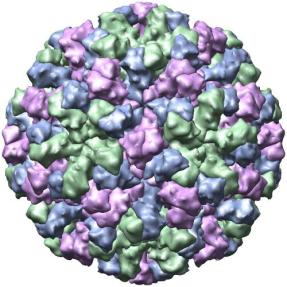
Norwalk_Caspid

The norovirus is a foodborne illness that causes a variety of symptoms, including vomiting, diarrhea, and stomach pain. It does not cause a sore throat directly, but a sore throat could come as a result of vomiting or happen due to another condition altogether.

CDC Norovirus Information

Research – Food Safety for Expectant Mothers to Prevent Listeria

Food Poisoning News

Centers for Disease Control and Prevention (CDC) has shared that pregnant women are approximately 10 times more likely to become infected with listeriosis than other healthy individuals. It is also estimated that 1 out of 6 of all Listeria cases occur in expectant mothers.

Listeria monocytogenes is a dangerous bacterium most often found in pre-prepared refrigerated foods such as dairy, poultry, seafood, meat, and unpasteurized milk or unpasteurized milk products. The symptoms experienced by adults from Listeriosis often include diarrhea or an upset stomach, chills, fever, stiff neck, confusion, and dizziness, and can take a couple days or even weeks to appear. Listeria can also be fatal at times for the mother. Most commonly however, infected pregnant women do not experience symptoms and unknowingly give it to their child. Listeriosis can lead to premature birth, delivery or a low-weight infant, or even death. Babies whom become infected with Listeriosis later are known to develop many serious conditions such as impairments of the brain, heart or kidney, paralysis, seizures, intellectual disability, and blindness. Listeria Monocytogenes can also cause meningitis and blood infections in newborns.

USA – Outbreak of Listeria Infections Linked to Deli Meats

CDC

Latest Outbreak Information
At A Glance

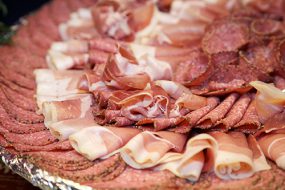
Close-up shot of a platter of cold cuts including salami, pepperoni and cured ham.

  • Since the last update on October 23, 2020, one ill person was added to this investigation.
  • Epidemiologic evidence shows that deli meat is a likely source of this outbreak.
    • In interviews with 10 ill people, all reported eating Italian-style meats, such as salami, mortadella, and prosciutto. They reported purchasing prepackaged deli meats and meats sliced at deli counters at various locations.
  • Investigators are working to identify a specific type of deli meat or a common supplier.
  • Deli meats, also called lunch meat or cold cuts, can have Listeria bacteria. Always follow food safety steps to prevent getting sick from Listeria in deli meats, even when there are no ongoing outbreaks

USA – Outbreak of E. coli Infections – Unknown Source 2 – Update

CDC

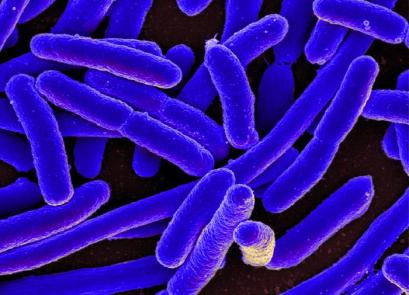
CDC E.coli

CDC, public health and regulatory officials in several states, and the U.S. Food and Drug Administration (FDA) are investigating several multistate outbreaks of E. coli O157:H7 infections. This outbreak is different from two other E. coli O157:H7 outbreaks CDC is currently investigating (E. coli outbreak with unknown source 1 and E. coli outbreak with unknown source 3).

At A Glance
  • Since the last update on October 28, 2020, 16 ill people were added to this investigation.
  • CDC is not advising people avoid any particular food at this time.
  • Investigators are working to collect different types of data to identify the source of this outbreak.
  • CDC will provide updates as they become available.

Take action if you have symptoms of an E. coli infection:

  • Talk to your healthcare provider.
  • Write down what you ate in the week before you got sick.
  • Report your illness to your local or state health department.
  • Help us solve the outbreak by answering public health officials’ questions about your illness.

Follow these general ways to prevent getting sick from E. coli:

  • Wash your hands after using the restroom or changing diapers, before and after preparing or eating food, and after contact with animals.
  • Cook meats thoroughly. Use a food thermometer to check that the meat has reached a safe internal temperatureexternal icon.
  • Don’t cross-contaminate food preparation areas. Thoroughly wash hands, counters, cutting boards, and utensils after touching raw meat.
  • Wash fruits and vegetables before eating, unless the package says the contents have been washed.
  • Avoid raw milk, other unpasteurized dairy products, and unpasteurized juices.
  • People usually get sick from Shiga toxin-producing E. coli (STEC) 2 to 8 days (average of 3 to 4 days) after swallowing the germ.
  • Symptoms often include severe stomach cramps, diarrhea (often bloody), and vomiting. Some people may have a fever, which usually is not very high (less than 101˚F/38.5˚C).
  • Some people with a STEC infection may get a type of kidney failure called hemolytic uremic syndrome (HUS).
  • Antibiotics are not recommended for patients with suspected E. coli infections until diagnostic testing can be performed and E. coli infection is ruled out. Some studies have shown that administering antibiotics to patients with E. coli infections might increase their risk of developing HUS, and a benefit of treatment has not been clearly demonstrated.
  • For more information, see Symptoms of E. coli Infection.
Investigation Details

November 23, 2020

Since the last update on October 28, 2020, 16 ill people were added to this investigation.

As of November 19, 2020, a total of 39 people infected with the outbreak strain of E. coli O157:H7 have been reported from 18 states. A list of the states and the number of cases in each can be found on the Map of Reported Cases page.

Illnesses started on dates ranging from August 10, 2020, to October 23, 2020. Ill people range in age from 1 to 85 years, with a median age of 38 years, and 62% are female. Of 30 ill people with information available, 19 people were hospitalized and 4 people developed hemolytic uremic syndrome (HUS), a type of kidney failure. No deaths have been reported.

Illnesses might not yet be reported due to the time it takes between when a person becomes ill and when the illness is reported. This takes an average of 2 to 4 weeks. Please see the Timeline for Reporting Cases of E. coli O157 Infection for more details.

Investigation of the Outbreak

Investigators are continuing to collect different types of data to identify the source of this outbreak.

State and local public health officials are interviewing ill people to determine what they ate and other exposures in the week before they got sick. Of the 22 ill people interviewed to date, all reported eating a variety of leafy greens, like spinach (16), romaine lettuce (15), iceberg lettuce (12), and mixed bag lettuce (8). No single type or brand of leafy greens or other food item has been identified as the source of this outbreak. CDC is not advising people avoid any particular food at this time.

This investigation is ongoing, and CDC will provide more information as it becomes available.

Research – Investigations of Possible Multistate Outbreaks of Salmonella, Shiga Toxin–Producing Escherichia coli, and Listeria monocytogenes Infections — United States, 2016

CDC

Problem/Condition: Salmonella, Shiga toxin–producing Escherichia coli (STEC), and Listeria monocytogenes are the leading causes of multistate foodborne disease outbreaks in the United States. Responding to multistate outbreaks quickly and effectively and applying lessons learned about outbreak sources, modes of transmission, and risk factors for infection can prevent additional outbreak-associated illnesses and save lives. This report summarizes the investigations of multistate outbreaks and possible outbreaks of Salmonella, STEC, and L. monocytogenes infections coordinated by CDC during the 2016 reporting period.

Period Covered: 2016. An investigation was considered to have occurred in 2016 if it began during 2016 and ended on or before March 31, 2017, or if it began before January 1, 2016, and ended during March 31, 2016–March 31, 2017.

Description of System: CDC maintains a database of investigations of possible multistate foodborne and animal-contact outbreaks caused by Salmonella, STEC, and L. monocytogenes. Data were collected by local, state, and federal investigators during the detection, investigation and response, and control phases of the outbreak investigations. Additional data sources used for this report included PulseNet, the national molecular subtyping network based on isolates uploaded by local, state, and federal laboratories, and the Foodborne Disease Outbreak Surveillance System (FDOSS), which collects information from state, local, and territorial health departments and federal agencies about single-state and multistate foodborne disease outbreaks in the United States. Multistate outbreaks reported to FDOSS were linked using a unique outbreak identifier to obtain food category information when a confirmed or suspected food source was identified. Food categories were determined and assigned in FDOSS according to a classification scheme developed by CDC, the Food and Drug Administration (FDA), and the U.S. Department of Agriculture Food Safety and Inspection Service (FSIS) in the Interagency Food Safety Analytics Collaboration.

A possible multistate outbreak was determined by expert judgment to be an outbreak if supporting data (e.g., temporal, geographic, demographic, dietary, travel, or food history) suggested a common source. A solved outbreak was an outbreak for which a specific kind of food or animal was implicated (i.e., confirmed or suspected) as the source. Outbreak-level variables included number of illnesses, hospitalizations, cases of hemolytic uremic syndrome (HUS), and deaths; the number of states with illnesses; date of isolation for the earliest and last cases; demographic data describing patients associated with a possible outbreak (e.g., age, sex, and state of residence); the types of data collected (i.e., epidemiologic, traceback, or laboratory); the outbreak source, mode of transmission, and exposure location; the name or brand of the source; whether the source was suspected or confirmed; whether a food was imported into the United States; the types of regulatory agencies involved; whether regulatory action was taken (and what type of action); whether an outbreak was publicly announced by CDC via website posting; beginning and end date of the investigation; and general comments about the investigation. The number of illnesses, hospitalizations, cases of HUS, and deaths were characterized by transmission mode, pathogen, outcome (i.e., unsolved, solved with suspected source, or solved with confirmed source), source, and food or animal category.

Results: During the 2016 reporting period, 230 possible multistate outbreaks were detected and 174 were investigated. A median of 24 possible outbreaks was under investigation per week, and investigations were open for a median of 37 days. Of these 174 possible outbreaks investigated, 56 were excluded from this analysis because they occurred in a single state, were linked to international travel, or were pseudo-outbreaks (e.g., a group of similar isolates resulting from laboratory media contamination rather than infection in patients). Of the remaining 118 possible multistate outbreaks, 50 were determined to be outbreaks and 39 were solved (18 with a confirmed food source, 10 with a suspected food source, 10 with a confirmed animal source, and one with a suspected animal source). Sprouts were the most commonly implicated food category in solved multistate foodborne outbreaks (five). Chicken was the source of the most foodborne outbreak-related illnesses (134). Three outbreaks involved novel food–pathogen pairs: flour and STEC, frozen vegetables and L. monocytogenes, and bagged salad and L. monocytogenes. Eleven outbreaks were attributed to contact with animals (10 attributed to contact with backyard poultry and one to small turtles). Thirteen of 18 multistate foodborne disease outbreaks with confirmed sources resulted in product action, including 10 outbreaks with recalls, two with market withdrawals, and one with an FSIS public health alert. Twenty outbreaks, including 11 foodborne and nine animal-contact outbreaks, were announced to the public by CDC via its website, Facebook, and Twitter. These announcements resulted in approximately 910,000 webpage views, 55,000 likes, 66,000 shares, and 5,800 retweets.

Interpretation: During the 2016 reporting period, investigations of possible multistate outbreaks occurred frequently, were resource intensive, and required a median of 37 days of investigation. Fewer than half (42%) of the 118 possible outbreaks investigated were determined to have sufficient data to meet the definition of a multistate outbreak. Moreover, of the 50 outbreaks with sufficient data, approximately three fourths were solved.

Public Health Action: Close collaboration among CDC, FDA, FSIS and state and local health and agriculture partners is central to successful outbreak investigations. Identification of novel outbreak sources and trends in sources provides insights into gaps in food safety and safe handling of animals, which helps focus prevention strategies. Summarizing investigations of possible multistate outbreaks can provide insights into the investigative process, improve future investigations, and help prevent illnesses. Although identifying and investigating possible multistate outbreaks require substantial resources and investment in public health infrastructure, they are important in determining outbreak sources and implementing prevention and control measures.

USA – Outbreak Investigation of E. coli O157:H7: Unknown Food (Fall 2020)

FDA

The FDA and CDC, in collaboration with state and local partners, is investigating illnesses in a third multistate outbreak of E.coli O157:H7 infections this Fall.

On November 6, 2020, the Michigan Department of Agriculture and Rural Development (MDARD) reported that as a part of routine sampling, they collected a product sample of romaine lettuce for testing. The sample tested positive for E. coli O157:H7 and subsequent whole genome sequencing (WGS) analysis determined that the E. coli O157:H7 present in the samples matches the strain that has caused illnesses in this outbreak.

The strain of E. coli found in the Michigan sample is a third distinct strain not genetically related to the strains causing two distinct multi-state outbreaks of Shiga-toxin producing E. coli O157:H7 (STEC) that FDA and CDC announced on October 28, 2020. At this time, a specific food has not been linked to either of those outbreaks.

On November 6, 2020, Tanimura & Antle, Inc. recalled packaged single head romaine lettuce with a pack date of 10/15/2020 or 10/16/2020 due to possible contamination with E. coli O157:H7. The firm recalled this product based on test results from a product sample collected and analyzed by MDARD before the WGS analysis showing the match to the outbreak strain was completed.

FDA and state partners are working with the firm to determine if additional romaine should be recalled.

At this time, there is not enough epidemiologic and traceback evidence to determine if ill people in this outbreak were exposed to romaine lettuce from Tanimura & Antle, Inc. Additional information will be provided as it becomes available.

Recommendation

Consumers, restaurants, and retailers, should not eat, sell, or serve Tanimura & Antle, Inc. brand packaged single head romaine lettuce with a pack date of 10/15/2020 or 10/16/2020.