Author Archives: KSW

UK – Könecke Sp. Z.o.o recalls Yayla Sucuk (sausage) because of contamination with E. coli

FSA

Könecke Sp. Z.o.o is recalling Yayla Sucuk (sausage) because Shiga toxin-producing E. coli has been found in a batch of this product.

Product details

: Yayla Sucuk (sausage)
Pack size 200g
Batch code 10865984
Best before 14 January 2024, 26 January 2024, 23 February 2024 and 01 March 2024

Risk statement

Shiga toxin-producing E. coli has been found in a batch of the product listed above.

Symptoms caused by STEC organisms include severe diarrhoea (including bloody diarrhoea), abdominal pain, and sometimes haemolytic uremic syndrome, (HUS), a serious condition that can lead to kidney failure and can be fatal.

Action taken by the company

Könecke Sp. Z.o.o is recalling the above product. Point of sale notices will be displayed in stores where the product was sold. These notices explain to customers why the product is being recalled and tell them what to do if they have bought the product. Please see the attached photo of the product.

Our advice to consumers

If you have bought the above product do not eat it. Instead return it to the store from where it was bought for a full refund.

Research – A comparison of European surveillance programs for Campylobacter in broilers

Science Direct

Campylobacter kswfoodworld

Abstract

Campylobacter is an important foodborne pathogen as it is associated with significant disease burden across Europe. Among various sources, Campylobacter infections in humans are often related to the consumption of undercooked poultry meat or improper handling of poultry meat. Many European countries have implemented measures to reduce human exposure to Campylobacter from broiler meat. In this paper, surveillance programs implemented in some European countries is summarized. Our findings reveal that many European countries test neck skin samples for Campylobacter as per the Process Hygiene Criterion (PHC) set by the European Regulation. Variations to the legal plan are seen in some countries, as in Norway and Iceland, where weekly sampling is performed during infection peak periods only, or in Iceland, where the Campylobacter limit is set at 500 CFU/g instead of 1000 CFU/g. Furthermore, northern European countries have implemented national Campylobacter surveillance plans. Denmark tests cloaca and leg skin samples at the slaughterhouses and meat samples at the retail, while Finland, Norway, and Sweden test caeca at slaughterhouses. In contrast, Iceland tests feces on farms. Iceland and Norway test flocks close to the slaughter date and when a farm tests positive, competent authority implement measures such as logistic slaughter, heat treatment or freeze the meat from these flocks. In Iceland, frozen meat is further processed prior to being put on the market. While the incidence of campylobacteriosis has declined in all European countries except France since the introduction of PHC in 2018, it is uncertain whether this decrease is due to prevalence reduction or underreporting during the COVID-19 pandemic. Future investigations with more comprehensive data, devoid of potential confounding factors, are necessary to validate this potential trend. However, it is evident that the implementation of national action plans can be successful in reducing the incidence of human campylobacteriosis, as demonstrated by Iceland.

Research – Efficiency of Electronic Nose in Detecting the Microbial Spoilage of Fresh Sardines (Sardinella longiceps)

MDPI

Abstract

The assessment of microbial spoilage in fresh fish is a major concern for the fish industry. This study aimed to evaluate the efficiency and reliability of an electronic nose (E-nose) to detect microbial spoilage of fresh sardines (Sardinella longiceps) by comparing its measurements with Total Bacterial Count (TBC), Hydrogen Sulfide (H2S) producing bacterial count and Trimethylamine Oxide (TMAO) reducing bacterial count after variable storage conditions. The samples were stored at 0 °C (0, 2, 4, 6, and 8 days) and 25 °C (0, 3, 6, and 9 h), while day 0 was used as a control. The E-nose measurements were analyzed by Principal Component Analysis (PCA), Linear Discriminant Analysis (LDA) and Artificial Neural Network (ANN). Microbial counts increased significantly and simultaneously with the changes in E-nose measurements during storage. The LDA and ANN showed a good classification of E-nose data for different storage times at two storage temperatures (0 °C and 25 °C) compared to PCA. It is expected as PCA is based on linear relationships between the factors, while ANN is based on non-linear relationships. Correlation coefficients between E-nose and TBC, TMAO-reducing bacterial and H2S-producing bacterial counts at 0 °C were 0.919, 0.960 and 0.915, respectively, whereas at 25 °C, the correlation coefficients were 0.859, 0.945 and 0.849, respectively. These positive correlations qualify the E-nose as an efficient and reliable device for detecting microbial spoilage of fish during storage.

Research – The Survival of Salmonella enterica Strains in Ready-to-Eat Fruit Purees under Different Storage Temperatures

MDPI

Salmonella enterica, known for its resilience to acidic environments, has been linked to foodborne outbreaks of illness from fruit derivatives. This study aimed to assess the survival of five serovars of Salmonella enterica subsp. enterica in various fruit purees subjected to different storage temperatures. Among the studied serovars, S. enteritidis exhibited the most significant population decrease in all fruit purees. In contrast, S. Agona, S. Gaminara, S. Michigan, and S. Montevideo survived in peach puree at 4 °C for at least 3 days, and S. Agona, S. Gaminara, and S. Montevideo maintained their initial levels in pear puree under the same time/temperature conditions. However, none of the strains were detectable in plum and black currant purees after 2 days at 4, 15, or 25 °C. These findings highlight variations in the behaviour of S. enterica serovars within different fruit purees. Likewise, low-temperature conditions prolonged the survival of the tested strains in all fruit purees analysed.

India – 109 students fall ill at school in Thane district; food poisoning suspected

Deccan Herald

As many as 109 students of a private ashram school, including 63 girls, were rushed to a government hospital in Thane district after showing symptoms of food poisoning on Wednesday, an official said.


Over 100 Cruise Passengers Ill on Cunard Operated Ship – Norovirus ?

Cruisehive

An outbreak has struck Queen Victoria, a Cunard Line ship, affecting over 100 passengers and crew members during its current 111-night voyage from Hamburg to Sydney. Health officials are investigating the cause, with symptoms of diarrhea and vomiting.

While the causative agents of the outbreak remain unidentified, norovirus is a common illness on cruise ships, as well as workplaces, schools, and other crowded areas. Characterized by gastrointestinal symptoms, norovirus is highly contagious and can spread quickly in enclosed environments like ships.

France – Cooked shrimp caliber 30/50 – Listeria monocytogenes

Gov France

Product category
Food
Product subcategory
Fishing and aquaculture products
Product brand name
unbranded (sold in the stand section with service and self-service packaged on site)
Model names or references
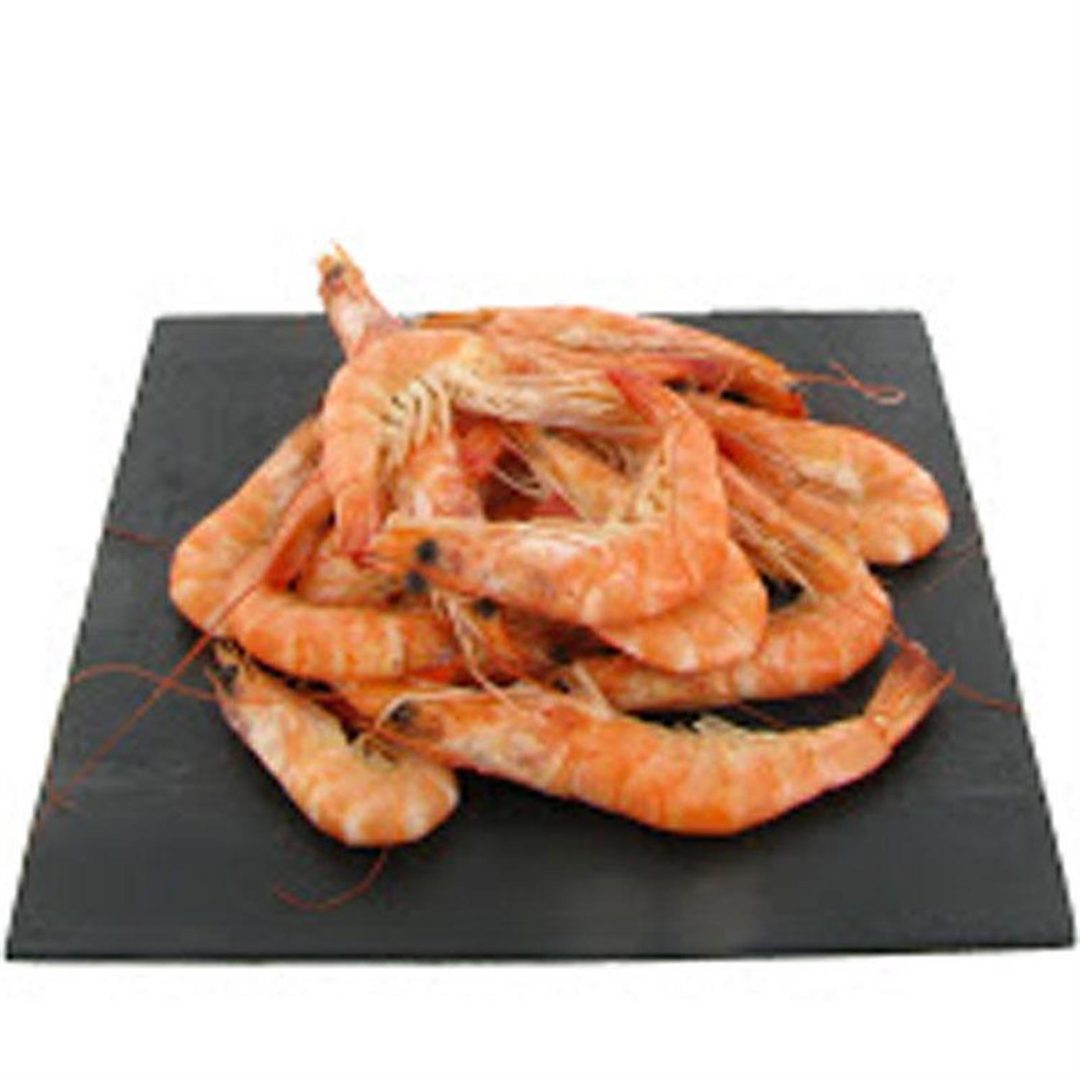
cooked shrimp caliber 30/50
Product identification
GTIN Batch Date
2088466000000 packed on 01/20/2024 Use-by date 01/24/2024
2088466000000 packed on 01/22/2024 Use-by date 01/26/2024
2088466000000 packed on 01/23/2024 Use-by date 01/27/2024
2088466000000 packed on 01/24/2024 Use-by date 01/28/2024
sold without packaging on the shelf with service
Packaging
transparent plastic tray for self-service sales without packaging for sale on the stall
Start/end date of marketing
From 01/20/2024 to 01/28/2024
Storage temperature
Product to keep in the refrigerator
Geographical sales area
cora val d’yerres (91)
Distributors
cora val d’yerres (91)

USA – Nam & Son of MD Recalls Soybean Sprouts Because of Possible Health Risk – Listeria monocytogenes

FDA

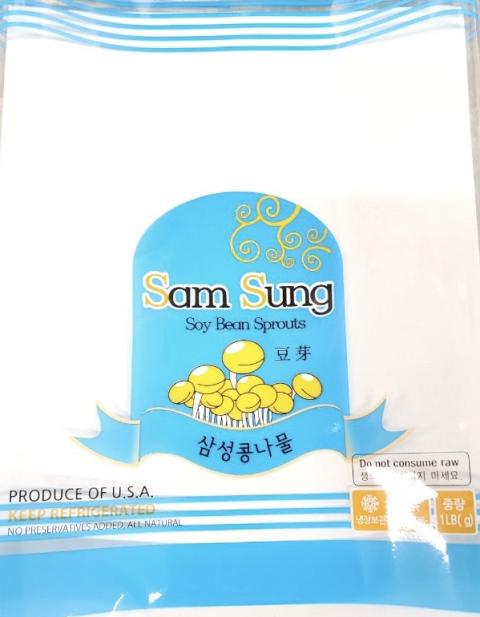
Sam Sung Soy Bean Sprouts in package

Company Announcement

Nam & Son of MD, Jessup, MD is recalling one-pound bags of soybean sprouts, with the sell-by date of December 21, 2023, because it has the potential to be contaminated with Listeria monocytogenes.

Listeria monocytogenes, an organism which can cause serious and sometimes fatal infections in young children, frail, or elderly people, and others with weakened immune systems. Although healthy individuals may suffer only short-term symptoms such as high fever, severe headaches, stiffness, nausea, abdominal pain and diarrhea, Listeria infections can cause miscarriages and stillbirths among pregnant women.

The product has been distributed to retail stores in MD ranging from December 14, 2023.

The affected product is packaged in a 1lb plastic bag (retail), labeled under the Nam & Son of MD DBA Sam Sung S & M Food and have a “Sell By” date of December 21, 2023.

NO illness has been reported to date.

The recall was initiated after a random sample was collected and analyzed by the state of Maryland, which resulted in confirmation of presence Listeria Monocytogenes in the product. The company has actively started investigating the root cause of the problem. All retail stores who have this “Sell By” date on the packaging should remove this product from their shelves. Consumers should not consume the products and should discard this product or return them to the place of purchase for a full refund.

Consumers should contact their health provider with any illness concerns. Consumers with questions about the warning may contact Nam & Son at 443-896-6738 which will be monitored 24 hours EST from Monday – Sunday.

Link to First Recall


Company Contact Information

Consumers:
Nam & Son
 443-896-6738

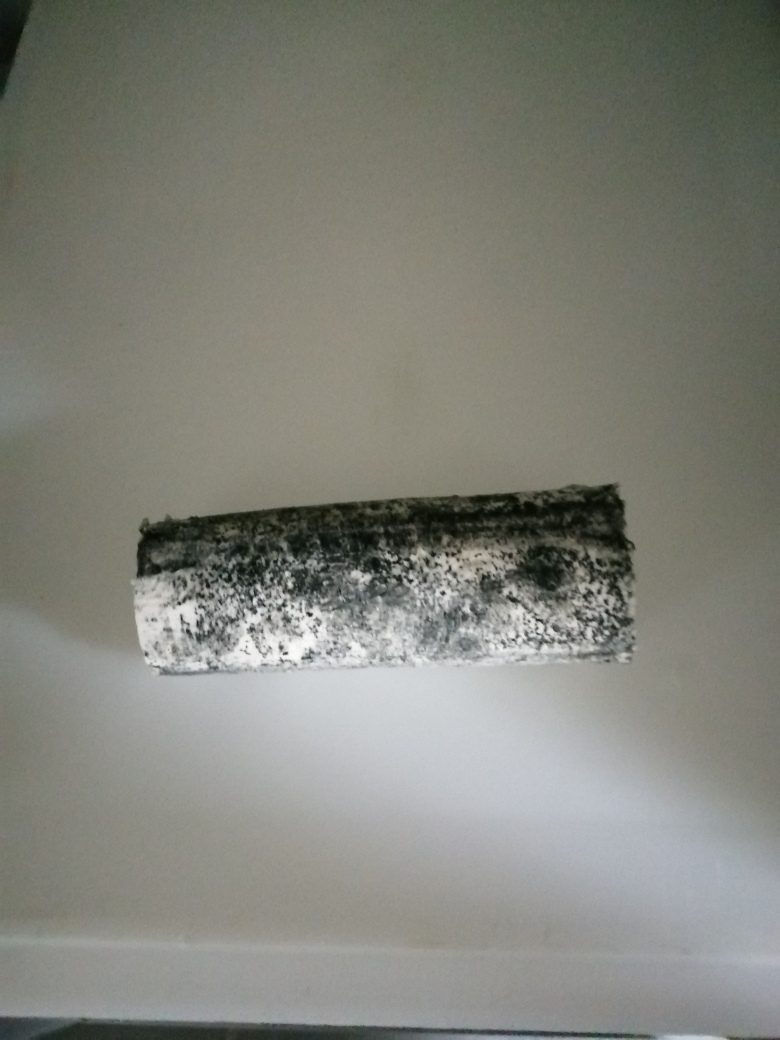
France – Goat log Cheese – Listeria monocytogenes

Gov France

Product category
Food
Product subcategory
Milk and dairy products
Product brand name
GAEC of the Barony
Model names or references
goat log from 01/24/2024
Product identification
Batch
batch of 01/24/24
Packaging
paper packaging
Start/end date of marketing
From 01/24/2024 to 01/30/2024
Storage temperature
Product to keep in the refrigerator
Further information
ash goat log
Geographical sales area
Departments: INDRE (36)
Distributors
Gaec de la Barononnerie on the Markets of Azay-le-Ferron, Martizay, Preuilly sur Claise, Tournon st Martin

RASFF Alerts – Salmonella – Polish Chicken Products – Turkey Shawarma –

RASFF

Presence of Salmonella spp in sesame seeds from Nigeria in Greece

RASFF

Salmonella spp. in turkey shawarma (with turkey from Poland). in the Netherlands

RASFF

Salmonella infantis in poultry meat from Poland in Italy