Monthly Archives: July 2022

Denmark – Listeria monocytogenes in sausage rolls

DVFA

Danish Crown Foods A / S is recalling several types of sausage with a production date from 1 June onwards, as there is a risk of Listeria in the products.

Recalled Foods , Published: July 10, 2022

Which foods: Delicious Rolled Sausage Production Date : From 01.06.2022 onwards Delicious Smoked Rolled Sausage Production Date: From 01.06.2022 onwards Delicious Outdoor Rolled Sausage Production Date : From 01.06.2022 onwards Tulip
Multipak Production Date 01 . .2022 onwards Den Grønne Slagter Rullepølse Production date: From 01.06.2022 onwards Cold cuts Slagteren Røget Rullepølse Production date: From 01.06.2022 onwards Cold cuts Slagteren Rullepølse Production date: From 01.06.2022 Production dates From 01.06.2022 onwards Salling Rolled sausage Production date: From 01.06.2022 onwards

USA – Listeria Outbreak Linked to Ice Cream

CDC

Listeria Outbreak Linked to Ice Cream

Illustration with a triangle and exclamation mark and text reading Food Safety Alert

Posted July 8, 2022

CDC is concerned that Big Olaf Creamery ice cream could still be in people’s homes or available for sale in stores. Big Olaf Creamery ice cream is sold in Florida in Big Olaf Creamery stores and stores with different company names.

Fast Facts
  • Illnesses: 23
  • Hospitalizations: 22
  • Deaths: 1
  • States: 10
  • Recall: No
  • Investigation status: Active
Representative image for this outbreak
What Everyone Should Do

Do not eat Big Olaf Creamery ice cream.

  • If you have any Big Olaf Creamery ice cream at home, throw it away.
  • If you are in Florida and don’t know if the ice cream being sold is Big Olaf Creamery brand, ask the store before you buy or eat it.

Clean any areas, containers, and serving utensils that may have touched the ice cream.

What Businesses Should Do

Do not serve or sell any Big Olaf Creamery ice cream products.

  • Clean and disinfect any areas and equipment that may have touched Big Olaf Creamery ice cream products, including ice cream scoops and other serving utensils.
What People at Higher Risk Should Do

Listeria is most likely to sicken pregnant people and their newborns, adults aged 65 or older, and people with weakened immune systems. Other people can be infected with Listeria, but they rarely become seriously ill.

Call your healthcare provider right away if you have any of these Listeria symptoms:

  • Pregnant people typically experience only fever, fatigue, and muscle aches. However, Listeria infections during pregnancy can lead to miscarriage, stillbirth, premature delivery, or life-threatening infection of the newborn.
  • People who are not pregnant may experience headache, stiff neck, confusion, loss of balance, and convulsions, in addition to fever and muscle aches.

USA – Domestically Acquired Cases of Cyclosporiasis — United States, May–June 2022

CDC

LAST UPDATED JUNE 30, 2022 4:00 PM EDT

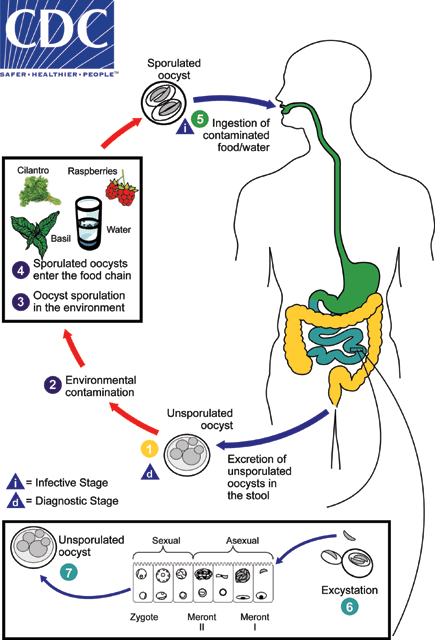
Cyclosporiasis illnesses are reported year-round in the United States. However, during the spring and summer months there is often an increase in cyclosporiasis acquired in the United States (i.e., “domestically acquired”). The exact timing and duration of these seasonal increases in domestically acquired cyclosporiasis can vary, but reports tend to increase starting in May. In previous years the reported number of cases peaked between June and July, although activity can last as late as September. The overall health impact (e.g., number of infections or hospitalizations) and the number of identified clusters of cases (i.e., cases that can be linked to a common exposure) also vary from season to season. Previous U.S. outbreaks of cyclosporiasis have been linked to various types of fresh produce, including basil, cilantro, mesclun lettuce, raspberries, and snow peas.

At a Glance
  • Illnesses: 61
  • Hospitalizations: 6
  • Deaths: 0
  • States reporting cases: 13

CDC, along with state and federal health and regulatory officials, monitor cases of cyclosporiasis in the United States in the spring and summer months to detect outbreaks linked to a common food source. However, many cases of cyclosporiasis cannot be directly linked to an outbreak, in part because of the lack of validated laboratory “fingerprinting” methods needed to link cases of Cyclospora infection. Officials use questionnaires to interview sick people to determine what they ate in the 14-day period before illness onset. If a commonality is found, CDC and partners work quickly to determine if a contaminated food product is still available in stores or in peoples’ homes and issue advisories.

Latest Information

  • This is the first monthly report on the number of domestically acquired cyclosporiasis illnesses with onset on or after May 1, 2022. Cases continue to be reported.
  • As of June 28, 2022, 61 laboratory-confirmed cases of cyclosporiasis in people who had no history of international travel during the 14-day period before illness onset have been reported to CDC by 13 states since May 1, 2022.
    • The median illness onset date is May 31, 2022 (range: May 3–June 20, 2022).
    • At least 6 people have been hospitalized; no deaths have been reported.

Belgium – Additive in Barry Callebaut chocolate Salmonella case came from Hungary

Food Safety News

The contaminated raw materials that forced Barry Callebaut to halt chocolate production in Belgium came from Hungary.

One batch of lecithin was unloaded at the Wieze factory on June 25. Barry Callebaut confirmed Salmonella Tennessee has been identified in the lecithin system of the factory and in samples of the delivered material. This batch came from a lecithin manufacturer in Hungary and was transported by a third party. The lecithin involved is only used at this site.

On June 27, Barry Callebaut detected a Salmonella positive on a production lot manufactured in Wieze and lecithin was identified as the source of the contamination on June 29.

Lecithin is used in all chocolate production lines in Wieze, so the company decided to stop the lines and to block all chocolate products manufactured from June 25 to 29, except for cocoa production which is not linked to the lecithin circuit.

On July 1, Barry Callebaut confirmed that, based on its internal investigation, no affected products had entered the retail food chain. No implicated chocolate has been exported by the company outside Europe.

USA – Starbucks withdraws new chicken sandwich over quality concerns

NBC

Starbucks has withdrawn a recently introduced breakfast chicken sandwich from its locations, saying Friday the seasonal item failed to meet its standards for quality.

The Seattle-based company said it issued a voluntary “stop sell” for its chicken, maple butter and egg sandwich on June 26. Any claims the item caused specific illness are simply false, Starbucks said.

Unverified reports on social media claim the sandwich made a few people sick. The crowdsourced website iwaspoisoned.com, which is dedicated to tracking foodborne illness outbreaks and credited with helping identify several outbreaks, logged five claims the sandwich made customers feel ill, at least temporarily.

“The quality issue that was identified by Starbucks would not lead to food borne illness and any reports linking the stop sale to illness are inaccurate,” Starbucks said in a statement.

Luxembourg – E.coli – COCKLES (MOLLUSCS) ON SALE AT CORA FOETZ

SAP

COCKLES (MOLLUSCS) ON SALE AT CORA FOETZ

Cora Group is recalling the following product:


Last name

Cockles (molluscs)

Mark

/

Unity

UNIT_PRODUCT

bar code

0218450000000

DLCs ​​/ DDMs

on sale at the Store between 06/07 and 08/07/2022

Batch

/


E. coli is a common bacterium in the digestive tract of humans and animals.It indicates faecal contamination that could be related to the presence of other faecal pathogens

Sale in Luxembourg by: Cora Foetz

A sale by other operators cannot be excluded.

Source of Information: Cora Group Recall Notification

Communicated by: Government Commission for Quality, Fraud and Food Safety .

Cora Foetz

Germany – Wilhelm Brandenburg farmer ham, cooked ham, smoked – Listeria monocytogenes

LMW

Alert type: Food
Date of first publication: 07/08/2022
Product name:

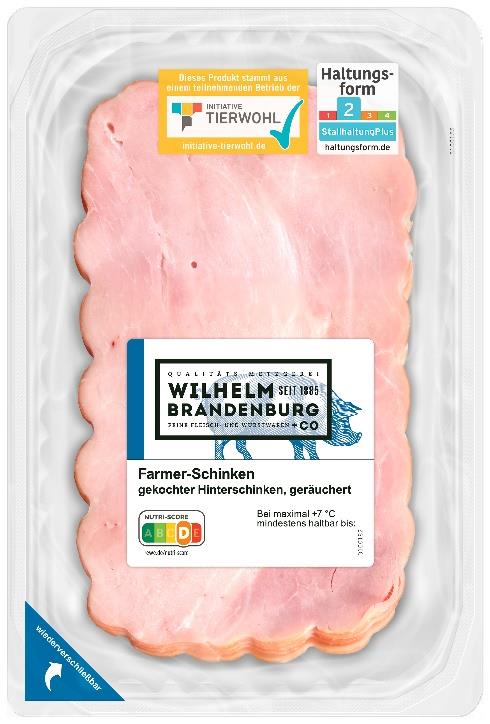
Wilhelm Brandenburg farmer ham, cooked ham, smoked

Product images:

Farmer-Schinken.jpg

Wilhelm Brandenburg GmbH & Co. oHG

Manufacturer (distributor):

Wilhelm Brandenburg GmbH & Co. oHG Waechtersbacher Strasse 101 60386 Frankfurt am Main

Reason for warning:

Detection of Listeria monocytogenes

Packaging Unit: 100 g
Durability: 07/31/2022
Lot identification: 0009532970
Further information:

Please refer to the attached press release.

Manufacturer’s website:

France – ALBACORE TUNA LOIN – Histamine

Gov france

Identification information of the recalled product

  • Product category Feed
  • Product subcategory Fishery and aquaculture products
  • Product brand name/
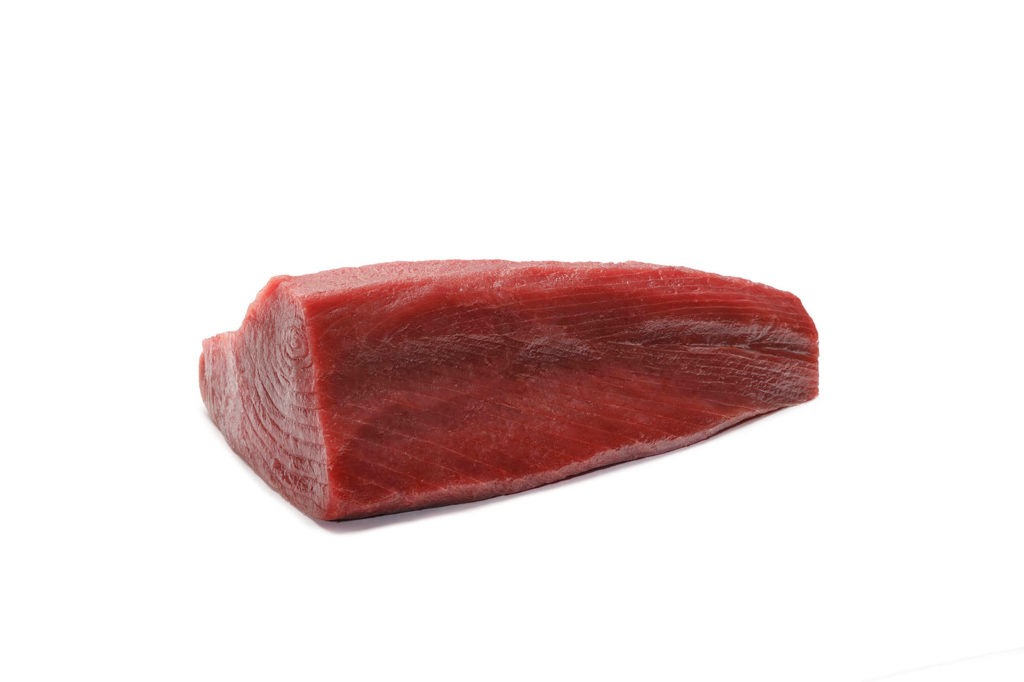
  • Model names or references ALBACORE TUNA LOIN SOLD AT THE FISH STALL OF THE FOLLOWING STORES
  • Identification of products
    Batch
    ALBACORE TUNA LOIN SOLD BETWEEN 28/06 AND 07/07/2022 AT THE FISH STALL OF THE FOLLOWING STORES
  • Products List poster_thon.pdf Attachment
  • Packaging/
  • Marketing start/end date From 06/28/2022 to 07/07/2022
  • Storage temperature Product to be stored in the refrigerator
  • Health mark/
  • Further information/
  • Geographic area of ​​sale Auchan de Plaisir stores, Saint-Jean-de-la-Ruelle, Saint-Sébastien, Chambray Les Tours, Saint Cyr, Roncq, Englos, Louvroil, Dunkirk, Cambrai, Fâches Thumesnil, Saint-Omer, Aubière, Cosne sur Loire, Dury Amiens, Soisy, Bi1 stores in Saint Savine, Buxy and La Chapelle La Reine.
  • Distributors Auchan and Bi1 stores

Practical information regarding the recall

  • Reason for recall Presence of histamine, risk of acute allergy
  • Risks incurred by the consumer Endogenous toxins: histamine (fish, cheese, alcoholic beverages, meats)

Research – Risk factors for campylobacteriosis in Australia: outcomes of a 2018–2019 case–control study

BMC

Campylobacter kswfoodworld

Background

We aimed to identify risk factors for sporadic campylobacteriosis in Australia, and to compare these for Campylobacter jejuni and Campylobacter coli infections.

Methods

In a multi-jurisdictional case–control study, we recruited culture-confirmed cases of campylobacteriosis reported to state and territory health departments from February 2018 through October 2019. We recruited controls from notified influenza cases in the previous 12 months that were frequency matched to cases by age group, sex, and location. Campylobacter isolates were confirmed to species level by public health laboratories using molecular methods. We conducted backward stepwise multivariable logistic regression to identify significant risk factors.

Results

We recruited 571 cases of campylobacteriosis (422 C. jejuni and 84 C. coli) and 586 controls. Important risk factors for campylobacteriosis included eating undercooked chicken (adjusted odds ratio [aOR] 70, 95% CI 13–1296) or cooked chicken (aOR 1.7, 95% CI 1.1–2.8), owning a pet dog aged < 6 months (aOR 6.4, 95% CI 3.4–12), and the regular use of proton-pump inhibitors in the 4 weeks prior to illness (aOR 2.8, 95% CI 1.9–4.3). Risk factors remained similar when analysed specifically for C. jejuni infection. Unique risks for C. coli infection included eating chicken pâté (aOR 6.1, 95% CI 1.5–25) and delicatessen meats (aOR 1.8, 95% CI 1.0–3.3). Eating any chicken carried a high population attributable fraction for campylobacteriosis of 42% (95% CI 13–68), while the attributable fraction for proton-pump inhibitors was 13% (95% CI 8.3–18) and owning a pet dog aged < 6 months was 9.6% (95% CI 6.5–13). The population attributable fractions for these variables were similar when analysed by campylobacter species. Eating delicatessen meats was attributed to 31% (95% CI 0.0–54) of cases for C. coli and eating chicken pâté was attributed to 6.0% (95% CI 0.0–11).

Conclusions

The main risk factor for campylobacteriosis in Australia is consumption of chicken meat. However, contact with young pet dogs may also be an important source of infection. Proton-pump inhibitors are likely to increase vulnerability to infection.


Research – Genomic analysis of Listeria monocytogenes from US food processing environments reveals a high prevalence of QAC efflux genes but limited evidence of their contribution to environmental persistence

Researchgate

Background Quaternary ammonium compound (QAC) efflux genes increase the minimum inhibitory concentration of Listeria monocytogenes ( Lm ) to benzalkonium chloride sanitizer, but the contribution of these genes to persistence in food processing environments is unclear.

The goal of this study was to leverage genomic data and associated metadata for 4969 Lm isolates collected between 1999 and 2019 to: (1) evaluate the prevalence of QAC efflux genes among Lm isolates from diverse US food processors, (2) use comparative genomic analyses to assess confounding factors, such as clonal complex identity and stress tolerance genotypes, and (3) identify patterns in QAC efflux gene gain and loss among persistent clones within specific facilities over time.

Results The QAC efflux gene cassette bcrABC was present in nearly half (46%) of all isolates. QAC efflux gene prevalence among isolates was associated with clonal complex (𝛘 ² < 0.001) and clonal complex was associated with the facility type (𝛘 ² < 0.001). Consequently, changes in the prevalence of QAC efflux genes within individual facilities were generally attributable to changes in the prevalence of specific clonal complexes. Additionally, a GWAS and targeted BLAST search revealed that clonal complexes with a high prevalence of QAC efflux genes commonly possessed other stress tolerance genes. For example, a high prevalence of bcrABC in a clonal complex was significantly associated with the presence of the SSI-1 gene cluster ( p < 0.05). QAC efflux gene gain and loss were both observed among persistent populations of Lm in individual facilities, suggesting a limited direct role for QAC efflux genes as predictors of persistence.

Conclusion This study suggests that although there is evidence that QAC efflux genes are part of a suite of adaptations common among Lm isolated from some food production environments, these genes may be neither sufficient nor necessary to enhance persistence. This is a crucial distinction for decision making in the food industry. For example, changes to sanitizer regimen targeting QAC tolerance would not address other contributing genetic or non-genetic factors, such as equipment hygienic design which physically mediates sanitizer exposure.