Research – Survey shows Germans underestimate the risk of raw foods

Food Safety News

People in Germany often eat raw or unheated food and are not fully aware of the related risks, according to a survey.

Findings come from a special edition of the consumer monitor by the German Federal Institute for Risk Assessment (BfR) that focused on raw foods.

“The health risks of raw foods are often underestimated. Diseases can be avoided with simple kitchen hygiene rules. Sensitive groups of people in particular should only eat raw animal food that has been sufficiently heated,” said Andreas Hensel, BfR president.

The survey of 1,004 people in September 2022 aimed to find out which food groups are eaten raw and how often, how Germans assessed their benefits and health risks, and which pathogens are associated with which foods.

Many respondents did not feel well informed about the health risk of raw flour but more people were comfortable with hygiene recommendations and storage advice for raw food.
Greece – Catered food linked to school outbreak in Greece – Clostridium perfringens

Food Safety News

A suspected Clostridium perfringens outbreak affected 30 people in Greece in 2021, according to a study.

In May 2021, several gastroenteritis cases were reported among students and staff of a high school on a Greek island. Daily hot lunches were delivered by a catering company and consumed in classrooms.

In late May, the Hellenic National Public Health Organization was informed by a regional unit of the Hellenic Food Authority (EFET) about a cluster of gastroenteritis cases among 12 to 18-year-old students and teachers. The school is in a small town on a remote north-eastern Aegean Greek island, which had limited capacity for specific laboratory testing.

Study Link

Nestlé temporarily suspends output at France factory at centre of deadly E. coli outbreak   

Just Food

Nestlé has temporarily suspended production at a frozen-pizza factory in France at the centre of a fatal E. coli outbreak last year due to falling sales.

Production at the Buitoni pizza factory, located in Caudry in northern France, was suspended for nine months last year following an outbreak of E. coli reportedly linked to flour contamination at the site.

Nestlé said the fallout from the closure, coupled with global inflation, has led to a drop in sales of frozen pizzas which made the factory untenable.

All of the factory’s employees will keep their jobs for the time being, despite a complete suspension of production, the company told unions in a meeting yesterday afternoon (2 March).

But the future of the Caudry site, which produces frozen pizzas for its Buitoni brand, has not yet been decided, a spokesperson told Just Food.

USA – More than 100 students home sick due to suspected Norovirus-related illnesses

ABC15

PHOENIX — More than 100 students at Hopi Elementary School in Arcadia stayed home due to illness this week, and norovirus could be the cause.

Norovirus, which is also called food poisoning, stomach flu, or stomach bug, is the leading cause of foodborne illness, according to the Centers for Disease Control and Prevention (CDC).

ABC15 learned an email was sent to parents at Hopi Elementary School, urging children experiencing nausea, vomiting, diarrhea, stomach pains, and low-grade fever to stay at home.

The email also noted, “Per the CDC the most common cause of these symptoms is the norovirus.”

New Zealand – Sick for days: Consumers report food poisoning after eating hummus – Salmonella

Stuff NZ

Hummus products subject to a recall due to salmonella contamination concerns could have been on shelves for weeks.

And while the Ministry for Primary Industries has not had any reports of illness, some consumers say they have been affected.

Have you been affected? Contact brianna.mcilraith@stuff.co.nz

Shaina Petersen said she became unwell on Monday and had eaten some of the affected hummus at the weekend.

She went to the doctor on Thursday and was tested but had not yet received the results. “The doctor said given my symptoms I’m a probable case. My symptoms have been flu-like with fatigue, chills, aches, headache, nausea and diarrhoea but with painful stomach cramping, loss of appetite and a curdling feeling.”

Research – Microbial contaminants in plant-based ingredients put under the microscope

Food Navigator

The Coca-Cola Company, Tetra Pak, Bel, and Arla Foods are amongst the members of a public-private consortium investigating potential food safety and quality risks of microbial contaminants in plant-based food products.

USA – Ruby Princess: More than 200 sickened on the Princess Cruises voyage

Outbreak News Today

Federal health officials are reporting that some 219 passengers and crew suffered with symptoms of  vomiting and diarrhea during a recent Princess Cruises’ Ruby Princess voyage (RU305P  from February 26–March 5, 2023).

To date, the etiology of the illness has not been discovered.

In response to the outbreak, Princess Cruises and the crew aboard the ship reported the following actions:

  • Increased cleaning and disinfection procedures according to the ship’s outbreak prevention and response plan.
  • Collected stool specimens from gastrointestinal illness cases to send to the CDC lab for pathogenic identification.

Vessel Sanitation Program (VSP) epidemiologists and environmental health officers will board the ship in Galveston, Texas, on March 5 to conduct a formal outbreak investigation.

France – Organic compote gourds without added sugar 4x90g – Mycotoxin – Patulin

Gov france

Identification information of the recalled product

  • Product category Feed
  • Product subcategory Sweet products
  • Product brand name U ORGANIC
  • Model names or references Organic strawberry apple gourds without added sugar 4x90g Apricot apple gourds without added sugar 4x90g Apple gourds without added sugar 4x90g Apple gourds without added sugar 12x90g
  • Identification of products
    GTIN Batch Date
    3256226396817 L9450 Date of minimum durability 31/10/2023
    3256226396848 L9423 Date of minimum durability 31/10/2023
    3256226396831 L9282 Date of minimum durability 31/10/2023
    3256226396862 L9283 Date of minimum durability 31/10/2023
  • Packaging Gourds 90 g
  • Storage temperature Product to be stored in the refrigerator
  • Health mark EMB84080E
  • Geographic area of ​​sale Whole France
  • Distributor s U-stores

Practical information regarding the recall

  • Reason for recall Physico-chemical risk
  • Risks incurred by the consumer Patulin

Research- Development of an Extraction Method to Detect Hepatitis A Virus, Hepatitis E Virus, and Noroviruses in Fish Products

MDPI

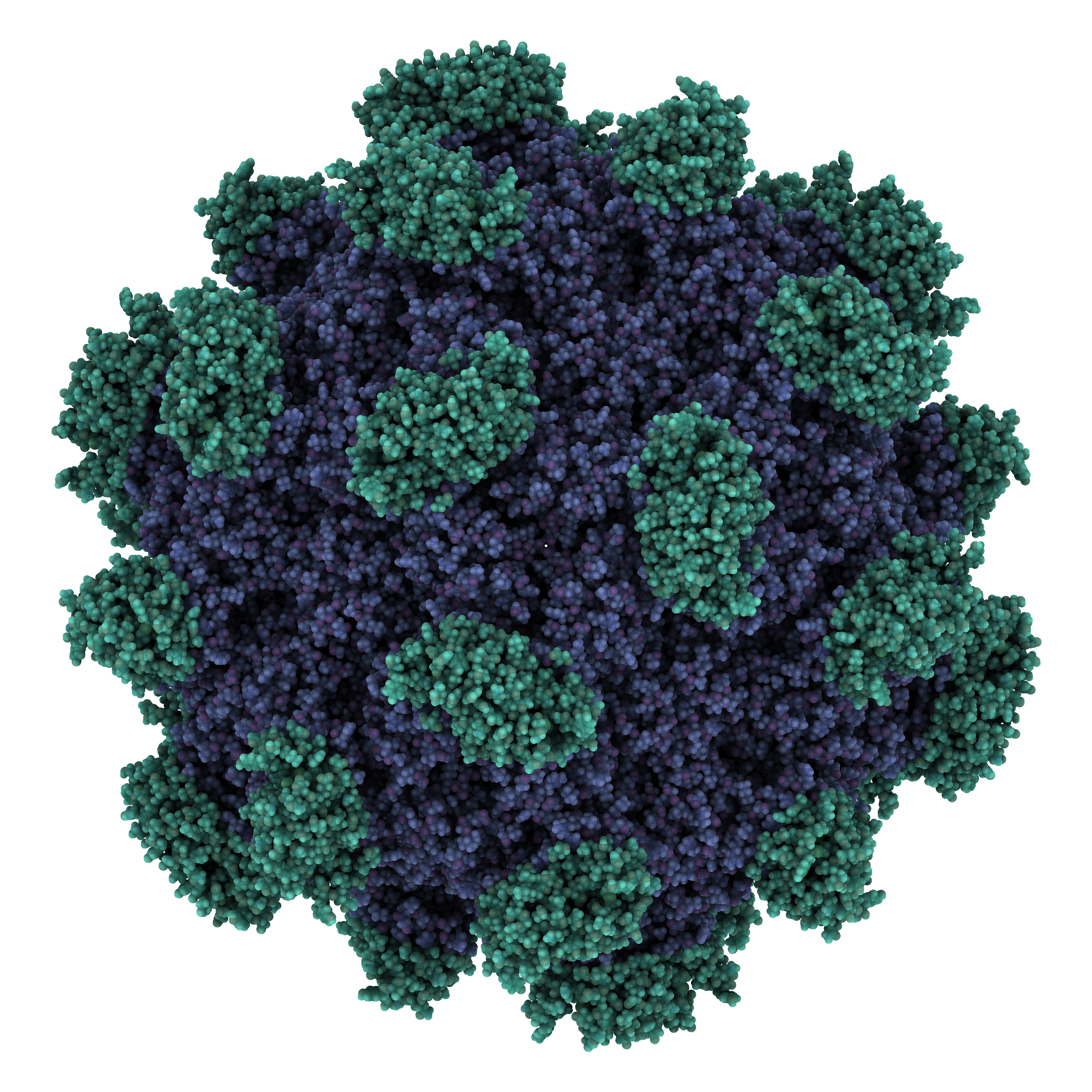
Hepatitis E virus capsid structure. HEV infection causes viral hepatitis. Atomic-level structure.

Abstract

Viruses are a leading cause of foodborne disease worldwide. Hepatitis viruses (hepatitis A (HAV) and hepatitis E (HEV)) and human norovirus are recognized as the main viruses of public health concern in food hygiene. ISO 15216 approved procedures are not validated for detection of HAV and human norovirus in foodstuffs, such as fishes, leading to an inability to ensure the safety of these products. This study aimed to provide a rapid and sensitive method for detecting these targets in fish products. An existing method that includes proteinase K treatment was selected for further validation using artificially contaminated fish products, according to the recent international standard ISO 16140-4. Recovery efficiencies in pure RNA extracts of viruses ranged from 0.2% to 66.2% for HAV, 4.0% to 100.0% for HEV, 2.2% to 100.0% for norovirus GI, and 0.2% to 12.5% for norovirus GII. LOD50 values were between 144 and 8.4 × 10⁴ genome copies/g for HAV and HEV, and 104 and 2.0 × 10³ copies/g for norovirus GI and norovirus GII, respectively. LOD95 values were between 3.2 × 10³ and 3.6 × 10⁵ genome copies/g for HAV and HEV, and between 8.8 × 10³ and 4.4 × 10⁴ genome copies/g for norovirus GI and norovirus GII, respectively. The method developed here was successfully validated in various fish products and can be applied for routine diagnostic needs.

Research – Genomic attributes of Vibrio cholerae O1 responsible for 2022 massive cholera outbreak in Bangladesh

Nature.com

In 2022, one of its worst cholera outbreaks began in Bangladesh and the icddr,b Dhaka hospital treated more than 1300 patients and ca. 42,000 diarrheal cases from March-1 to April-10, 20221. Here, we present genomic attributes of V. cholerae O1 responsible for the 2022 Dhaka outbreak and 960 7th pandemic El Tor (7PET) strains from 88 countries. Results show strains isolated during the Dhaka outbreak cluster with 7PET wave-3 global clade strains, but comprise subclade BD-1.2, for which the most recent common ancestor appears to be that responsible for recent endemic cholera in India. BD-1.2 strains are present in Bangladesh since 2016, but not establishing dominance over BD-2 lineage strains2 until 2018 and predominantly associated with endemic cholera. In conclusion, the recent shift in lineage and genetic attributes, including serotype switching of BD-1.2 from Ogawa to Inaba, may explain the increasing number of cholera cases in Bangladesh.